
Where This Myth Actually Came From
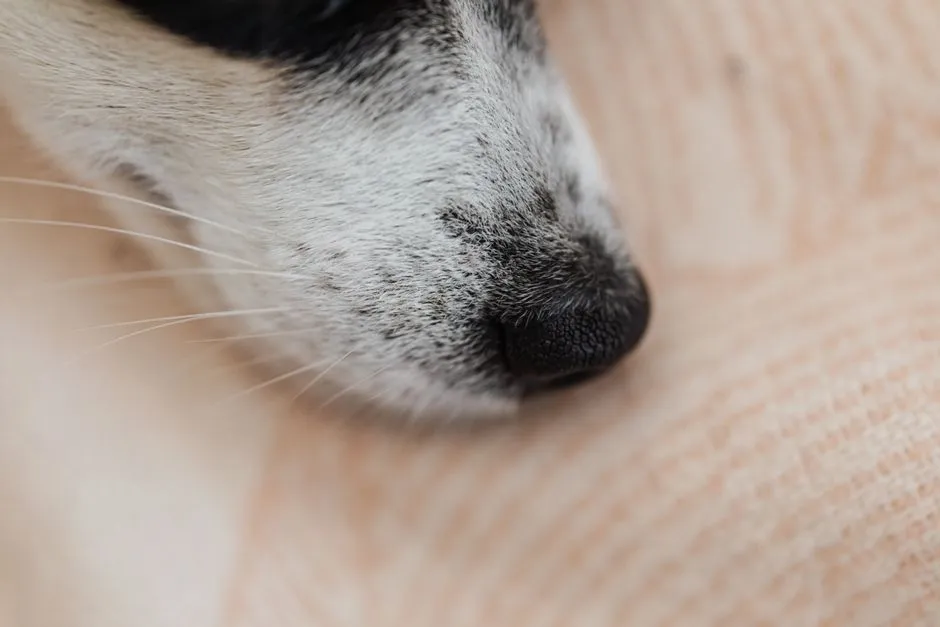
One of the oldest old wives’ tales in pet ownership is that if a dog’s nose is warm and dry, he or she is sick. The belief is surprisingly old and sticky, surviving even as veterinary medicine has advanced dramatically.
While the origins of this saying are unknown, some believe it came from a time before widespread dog vaccination, when distemper was more common in pet dogs. One of the symptoms of that deadly disease is hyperkeratosis, in which the nose and paw pads become thickened.
Thankfully, canine distemper is not very common now due to vaccinations that prevent it. So a belief born out of a genuine disease signal from a pre-vaccine era has lingered long past its usefulness.
What Research Actually Shows
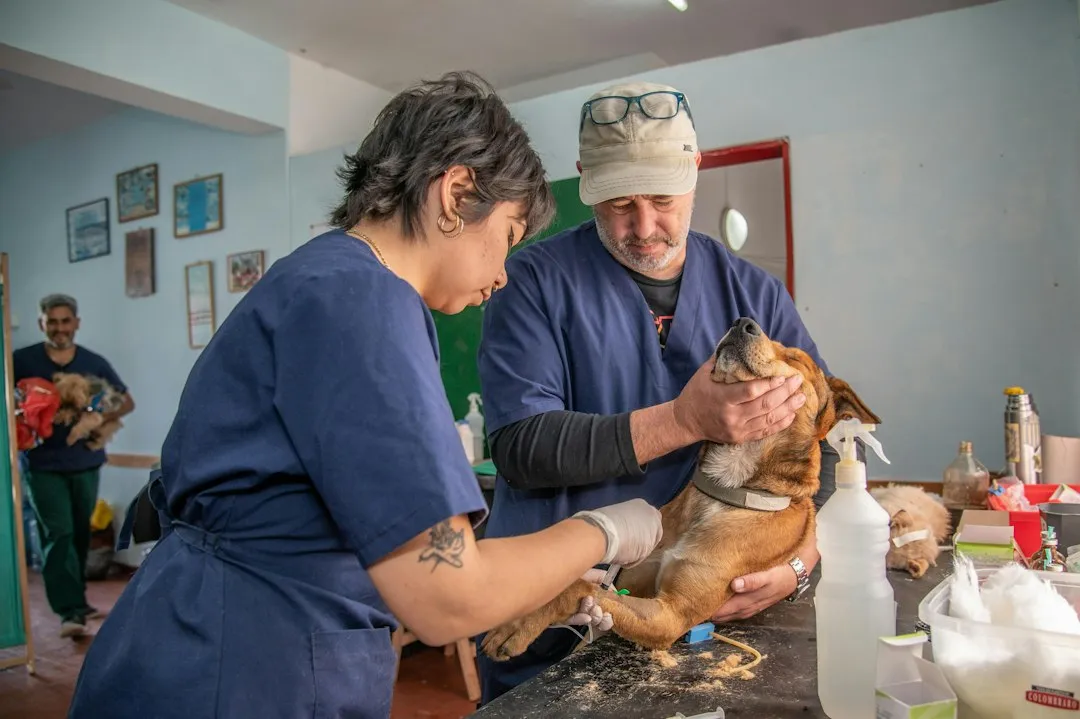
A published study set out to evaluate whether touch can identify a warm nose as opposed to a cold nose, examine the correlation between thermographically measured nose temperatures and rectal temperatures, and calculate the accuracy of tactile assessment of nose temperature in detecting rectal hyperthermia and hypothermia in dogs.
There was no correlation between thermographically measured nose temperature and rectal temperature. The numbers were striking. When people felt a dog’s nose and judged it “warm,” they correctly identified a fever only 29 percent of the time. That means a warm nose was wrong about fever more than seven times out of ten.
The researchers concluded that nose temperature, whether measured by touch or by camera, should not be considered a useful indicator of a dog’s internal temperature. That’s a direct verdict from peer-reviewed science, not just a vet’s opinion.
Why a Dog’s Nose Gets Wet in the First Place
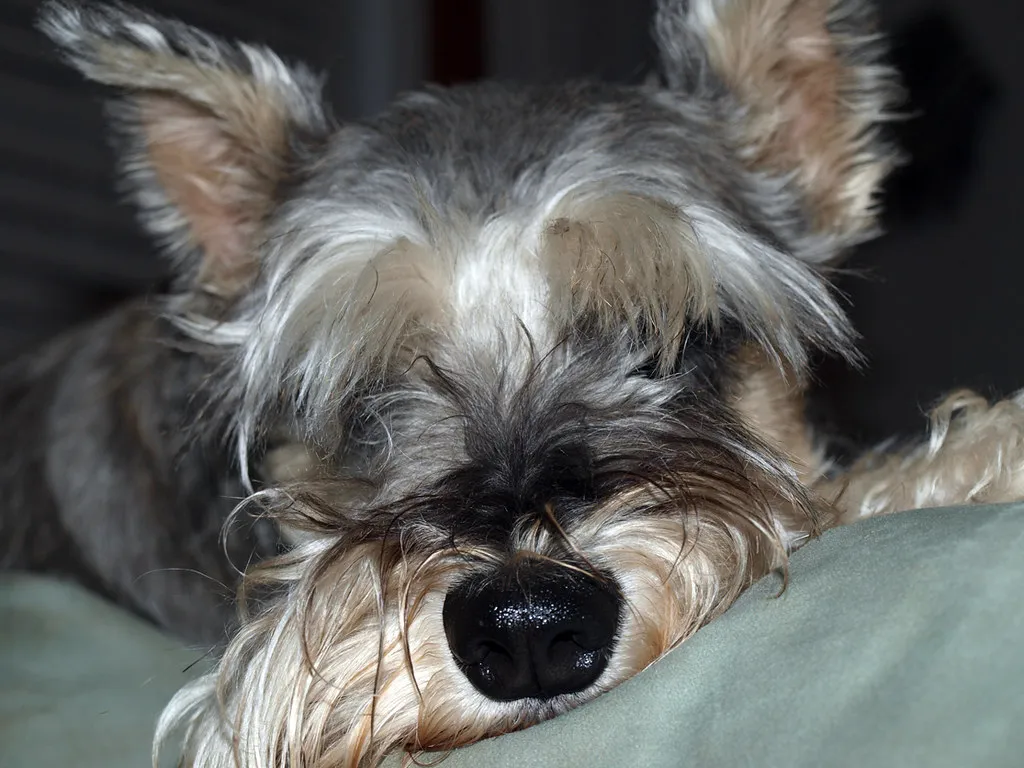
Dogs have a pair of lateral nasal glands that secrete moisture onto the nose’s surface. These glands work like a built-in cooling system: as the moisture evaporates, it pulls heat away from the body. It’s functionally similar to how human sweat glands work.
In lab settings, a single gland went from producing virtually no fluid at cool air temperatures to nearly 10 grams per hour at high temperatures. Evaporation from these two glands alone can account for roughly one fifth to one third of the extra cooling a dog achieves through panting.
So a wet nose isn’t a health indicator. It’s a temperature regulation tool. When the glands aren’t working as hard, say during a nap or in a cool room, the nose naturally dries out and warms up. The nose follows function, not illness.
Everyday Reasons a Nose Goes Warm and Dry
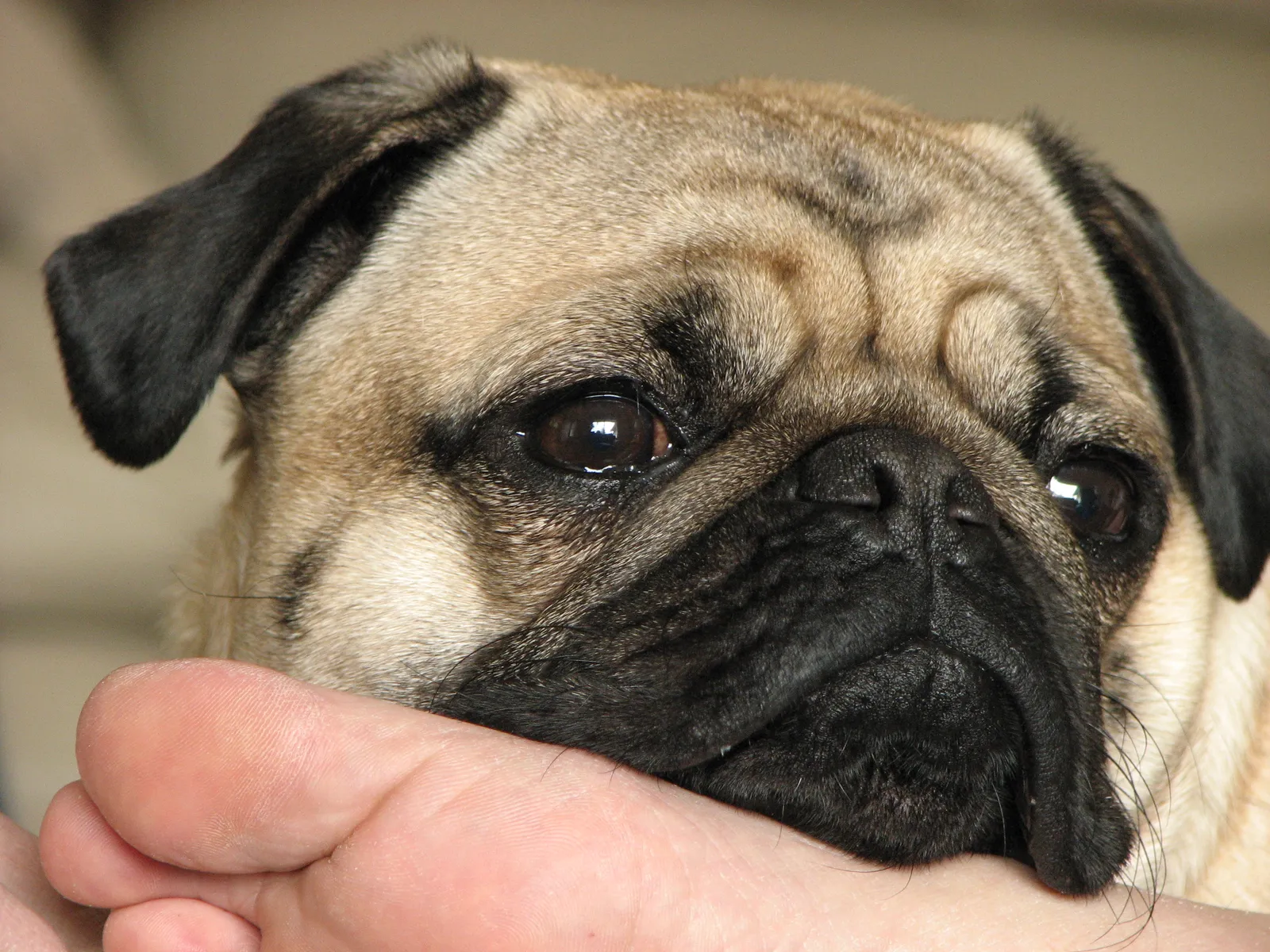
A dog’s nose may be bone dry after waking up from a nap. Since dogs’ noses stay wet due to licking, the absence of licking during sleep results in a dry snoot. This is completely normal and should not alarm anyone.
After exercise, a dog’s nose may feel warmer from increased blood flow. A warm or dry environment can cause a dog’s nose to dry out and feel warm, even if the animal is perfectly healthy. Nose temperature also tends to shift with time of day, often cooler in the morning and warmer as the dog becomes active.
Low humidity can quickly dry out a dog’s nose, just like people get chapped lips or dry hands during cold, dry weather. Sometimes dogs seek out sources of warmth, such as heaters, which can further dry out their noses. Fortunately, this type of dry nose generally resolves on its own.
The Role of Breed and Age

Some dogs simply have naturally warmer or drier noses, and this can be perfectly normal for them. This is more common with older age or in dog breeds with shortened snouts, like Pugs or Bulldogs.
As dogs get older, they tend to produce less of the mucus that helps keep their nose moist. For this reason, drier noses in dogs are common as they age. It’s aging, not illness.
Brachycephalic breeds like French Bulldogs are also predisposed to nasal dryness because their flat faces make it difficult to lick and moisturize their own noses. So short-snouted dogs are often going to have drier noses purely as a matter of anatomy.
The Cold Nose Has a Separate Purpose
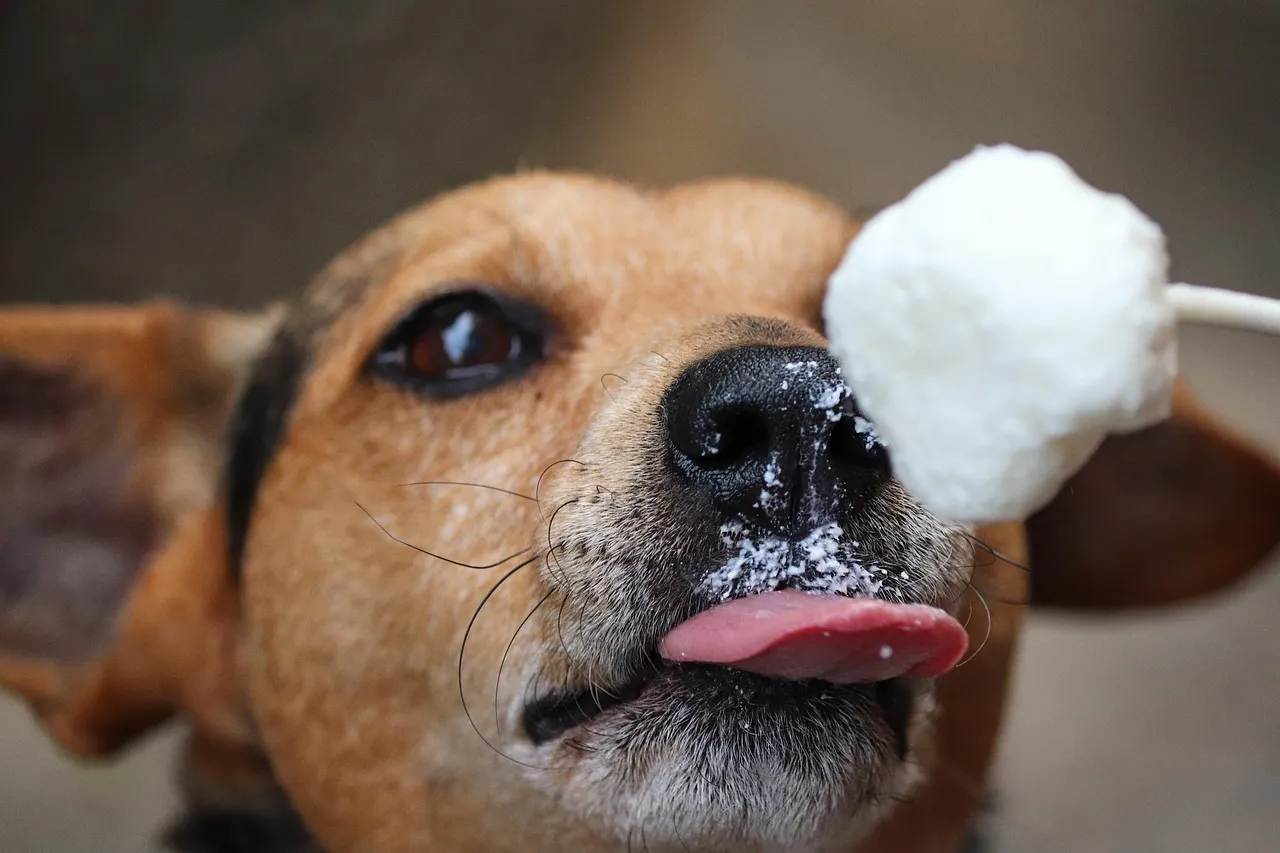
Two recent studies from Budapest and Lund University in Sweden reveal that dogs can sense heat through thermal receptors in their nose, likely in their rhinarium. Their discovery also helps to explain why a healthy dog nose is naturally cold and wet.
According to their published research, a dog’s cool nose is what makes it “particularly sensitive to radiating heat.” The dogs studied could detect very faint heat sources that were too weak to be felt by human hands.
In other words, pups’ cold sniffers mainly serve a sensory role, and can even help them find the warm bodies of small prey animals, rather than regulating or even reflecting their own body temperatures. The cold nose is a hunting tool, not a health certificate.
When a Dry Nose Actually Is a Warning Sign
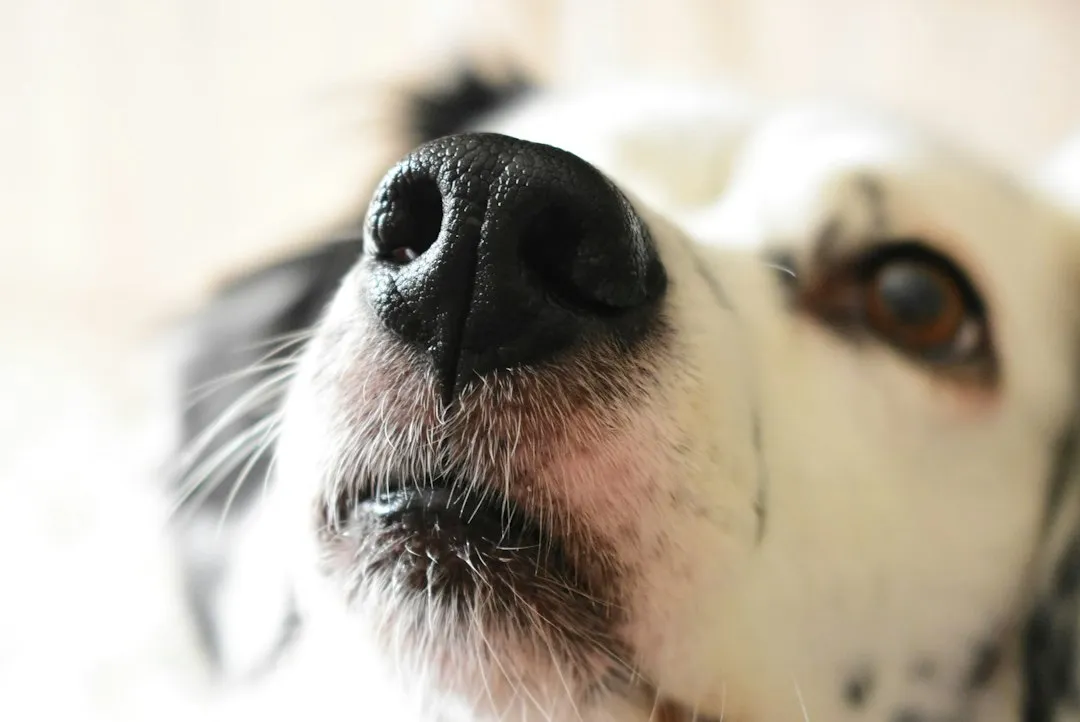
If your dog’s nose is hot and dry but they’re acting normally, there is no cause for alarm. If a dry nose accompanies other signs of illness, such as lethargy or loss of appetite, you should consult your dog’s veterinarian.
An overly warm nose can also be the result of nasal inflammation from allergies or another disease. Hyperkeratosis, a skin condition caused by an overgrowth of keratin, can create rough, crusty patches on a dog’s nose, often making it feel warm and dry rather than cold and wet.
As a general rule, if a dog is bright and alert, then whether the nose feels cold or hot, wet or dry, it is a very unlikely indicator of illness or disease. If the dog is dull and depressed and generally hot to the touch with a dry nose, it would be wise to seek veterinary attention in case there’s a genuine fever or dehydration.
How to Actually Check for a Fever
The temperature and moistness of a dog’s nose has nothing to do with the dog’s health. The only way to know if a dog has a fever is to take the temperature, usually with a rectal thermometer. Normal range is 100 to 102.5 degrees Fahrenheit.
A true fever starts above 103.5°F, and anything above 104°F or below 99°F is an emergency. Those are the numbers that actually matter, and no amount of nose-touching will reveal them accurately.
A better way to tell if a dog is sick is to watch whether the animal is as hungry or active as usual. Behavioral changes are far more reliable early signals than anything you’ll feel on a snout.
What the Nose Can Genuinely Tell You
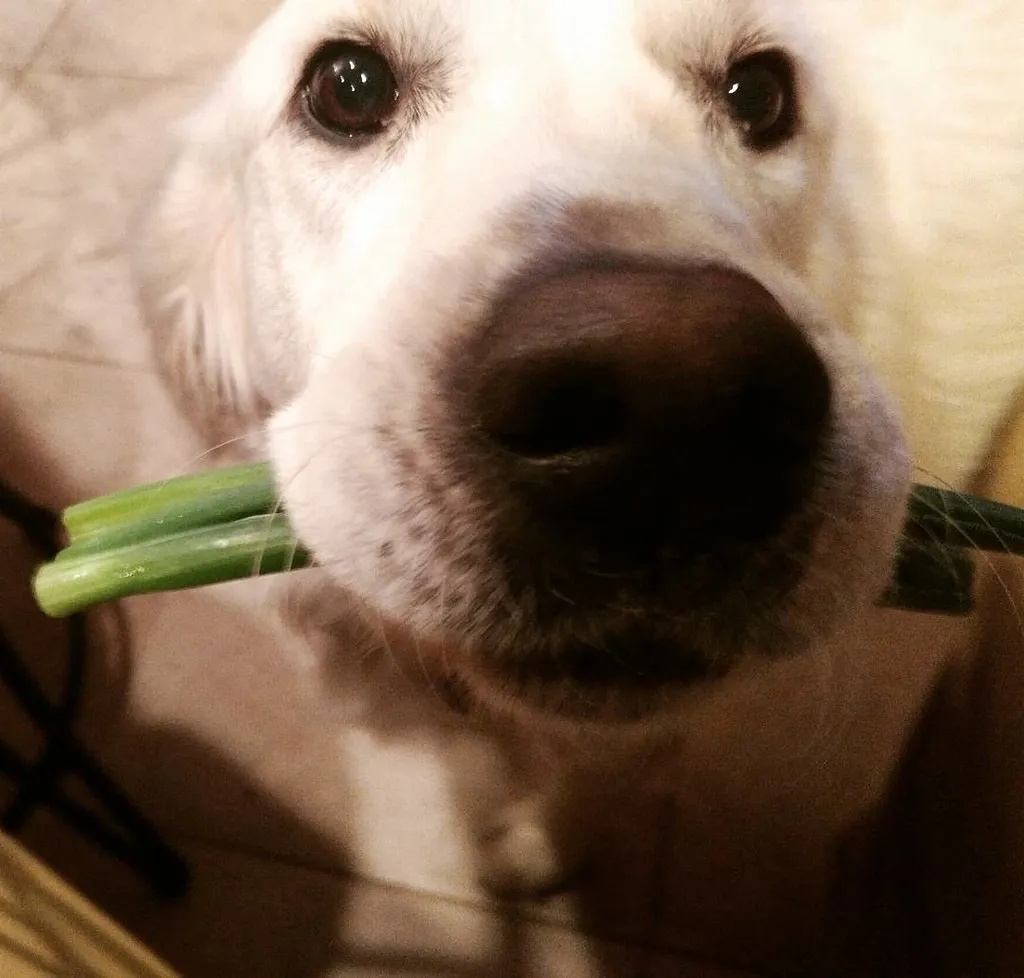
A working nose is essential to canine survival, and wet noses work better than dry noses because scent particles stick better to damp surfaces. Dogs have more than 100 million sensory receptor sites in the nasal cavity, compared to 6 million in humans.
Dogs with nasal hyperkeratosis typically have a dry, crusty nose that appears to have bumps or ridges of extra tissue, which is excess keratin. Hyperkeratosis can affect all parts of the non-haired portion of the nose, known as the nasal planum. That kind of visible texture change, with cracking or bleeding, is worth a vet visit.
A wet nose is considered normal, but a dry nose isn’t abnormal. The temperature and moistness of a dog’s nose is not an indicator of overall health, with some dogs simply having naturally drier or wetter noses than others. Some owners even find it changes across the day, with a warm, dry nose after a nap and a wet nose while cuddling.
What Vets Want You to Watch Instead
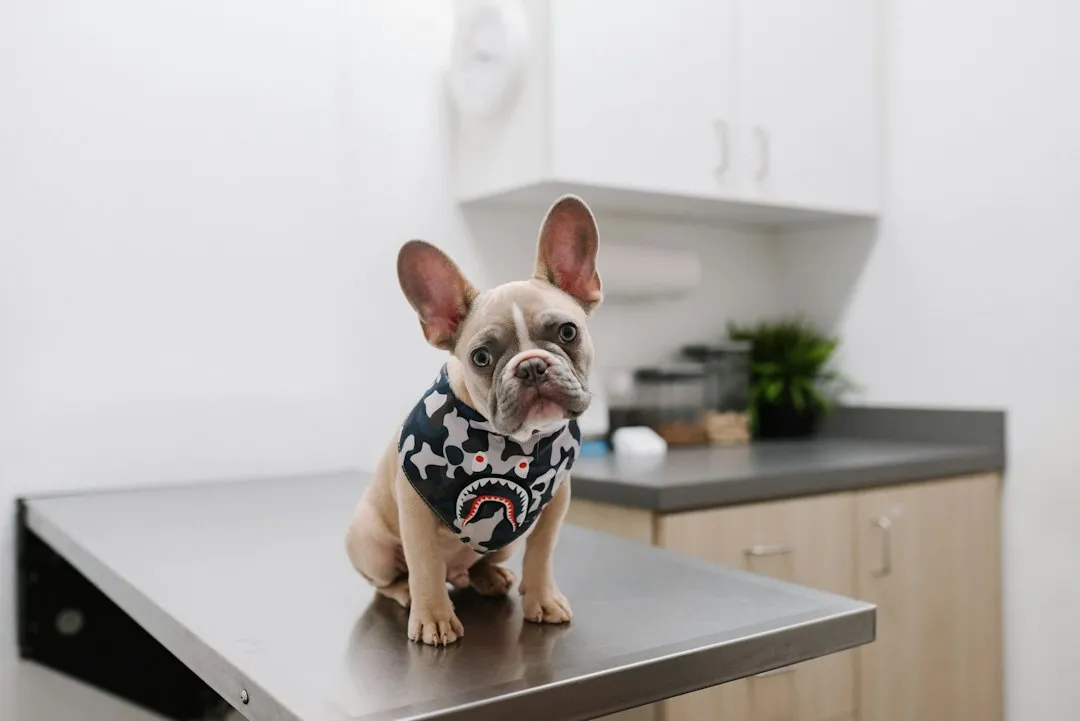
While a dog’s nose is indeed a remarkable organ with its own unique functions, it’s not a reliable window into overall health. While a cold, wet nose is generally a sign of a happy, hydrated dog, a warm, dry nose alone isn’t a cause for alarm. As responsible pet owners, the duty is to pay attention to the bigger picture: behavior, appetite, energy levels, and overall well-being.
Even if a dog’s nose is cold and wet, that doesn’t necessarily mean the animal is in perfect health. Always look beyond just the nose for other signs of possible illness, from withdrawal and lethargy to refusing food or water.
Routine veterinary exams are key to catching any potential health issues early, including those that affect the nose. Annual check-ups are recommended for healthy dogs and more frequent visits for seniors or those with chronic conditions. That’s the real diagnostic tool, not a quick feel of the snout.
The Takeaway
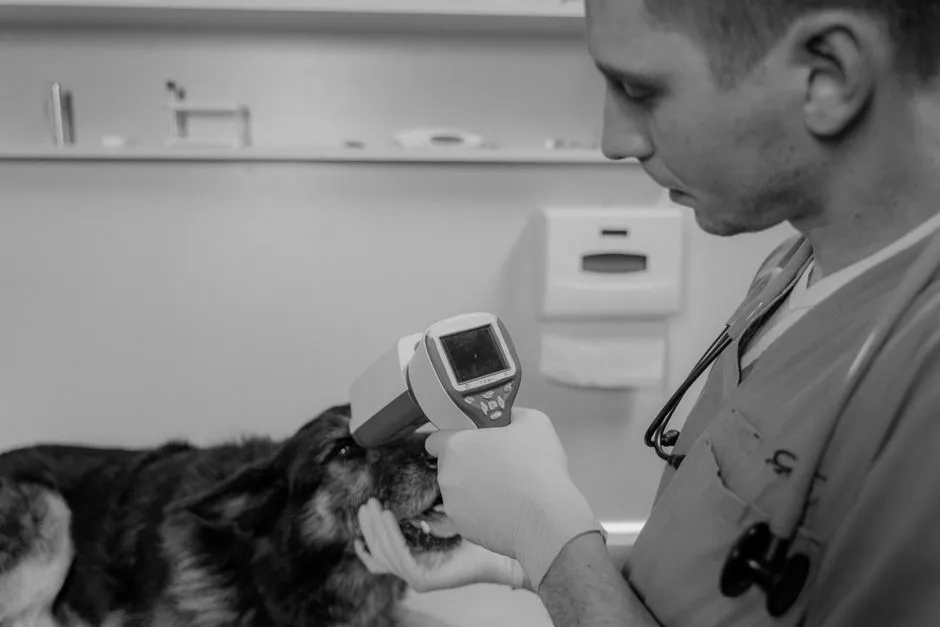
The warm, dry nose myth is one of those beliefs that feels intuitive enough to survive long after the evidence against it has piled up. Veterinarians aren’t frustrated because it’s a strange idea. They’re frustrated because it causes unnecessary worry and, more importantly, can distract owners from the behavioral signs that genuinely matter.
A nose tells you something about thermoregulation, nasal gland activity, recent sleep, local humidity, and whether a dog just woke up from a nap. It does not reliably tell you whether your dog has a fever. For that, there’s a thermometer.
Watch how your dog moves, eats, drinks, and engages with the world. Those are the signals worth reading. The nose is remarkable, just not for the reason most people think.
AI Disclaimer: This article was created with the assistance of AI tools and reviewed by a human editor.