
It’s Rooted in a Behavior Called Allogrooming
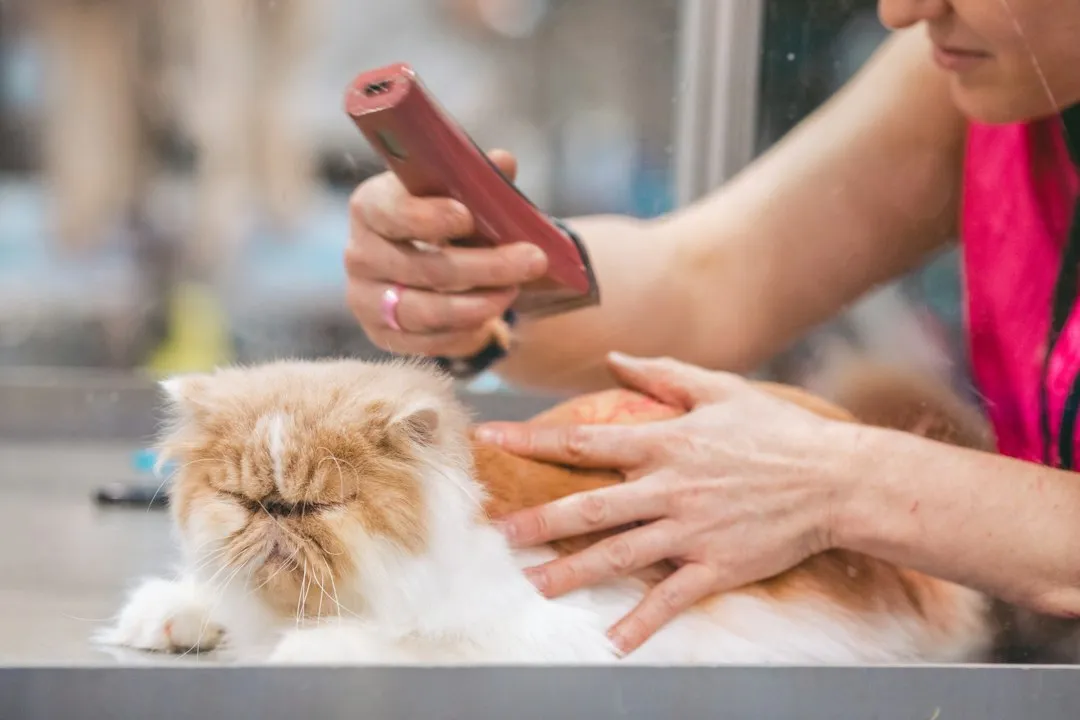
Allogrooming means grooming another individual, and many cats participate in it, especially when living in a multi-cat household or a cat colony, including feral colonies. This behavior starts at a young age, with the mother cat being the first to initiate it.
A lick followed by a soft bite is usually allogrooming, a bonding behavior cats use with individuals they consider family. When your cat does this to your hand, it’s extending that same social ritual to you. You’re being treated like another cat in the group, which is, genuinely, a compliment.
Research published in the journal Applied Animal Behaviour Science demonstrates two main contexts in which allogrooming commonly occurs: social bonding and affiliation, and social tension. The gentle lick-then-bite sequence usually falls into the first category, though context always matters.
The Lick Is a Trust Signal First
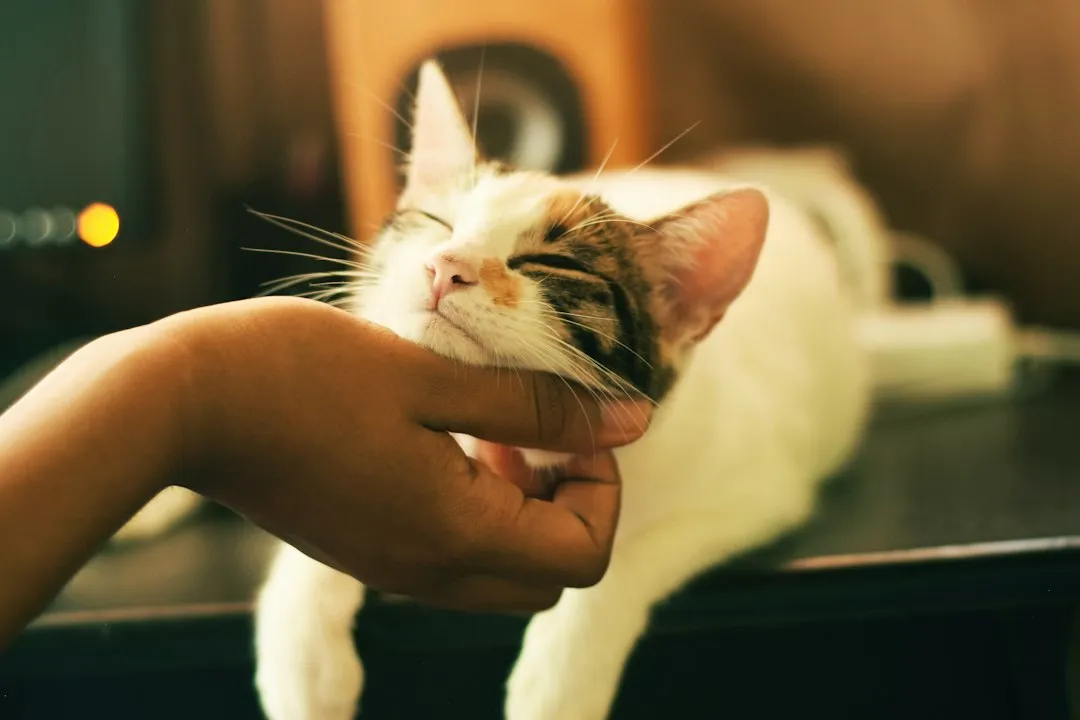
Licking is fundamentally a grooming behavior, and cats’ tongues are rough in texture, like sandpaper, due to the stiff keratin spines covering their surface, which makes the tongue an effective tool for the grooming process.
Cats undertake licking and mutual grooming to socially bond with others in their colony, so when your cat licks you, it is a sign of affection and a positive choice to bond with you. It’s their way of marking you as part of the inner circle. Not every cat does this freely, which makes it more meaningful when they do.
The Gentle Bite Is Not Aggression
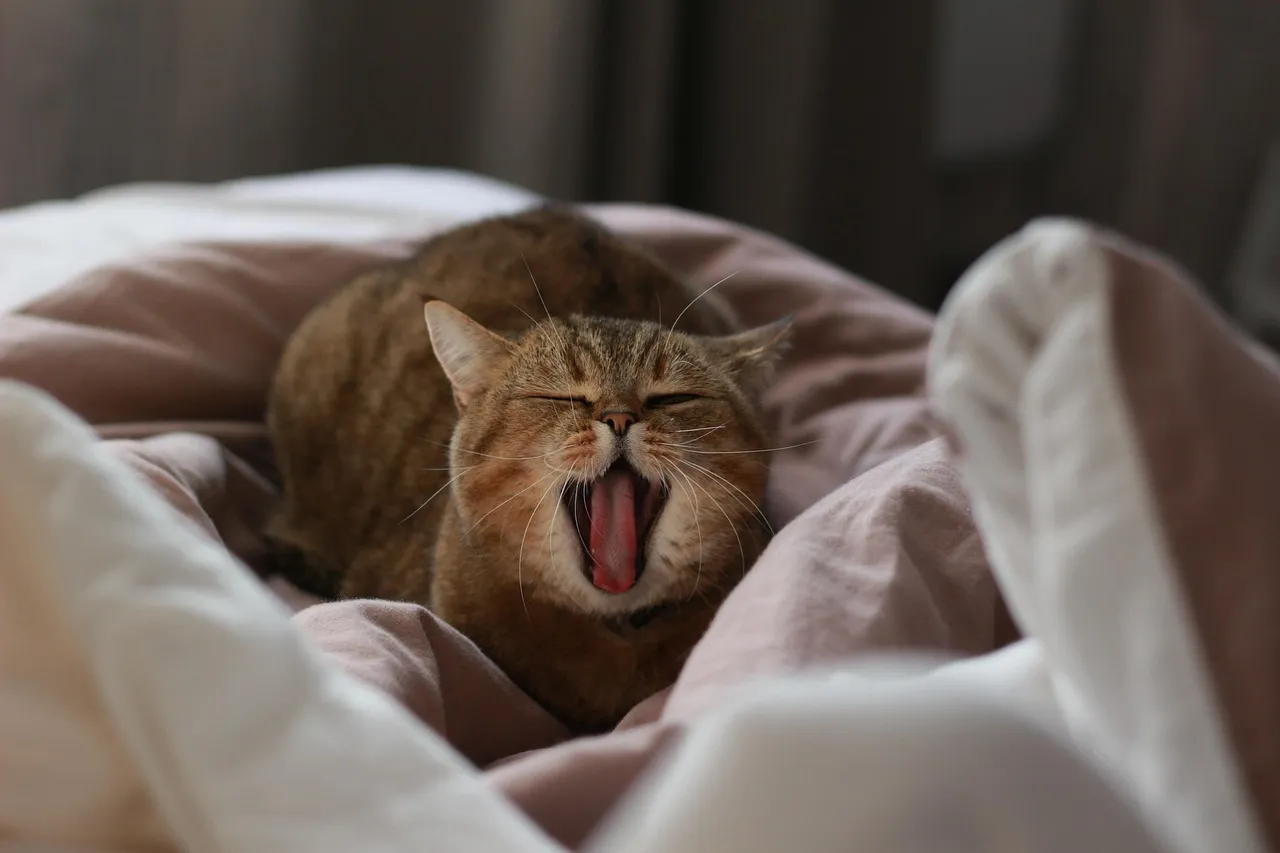
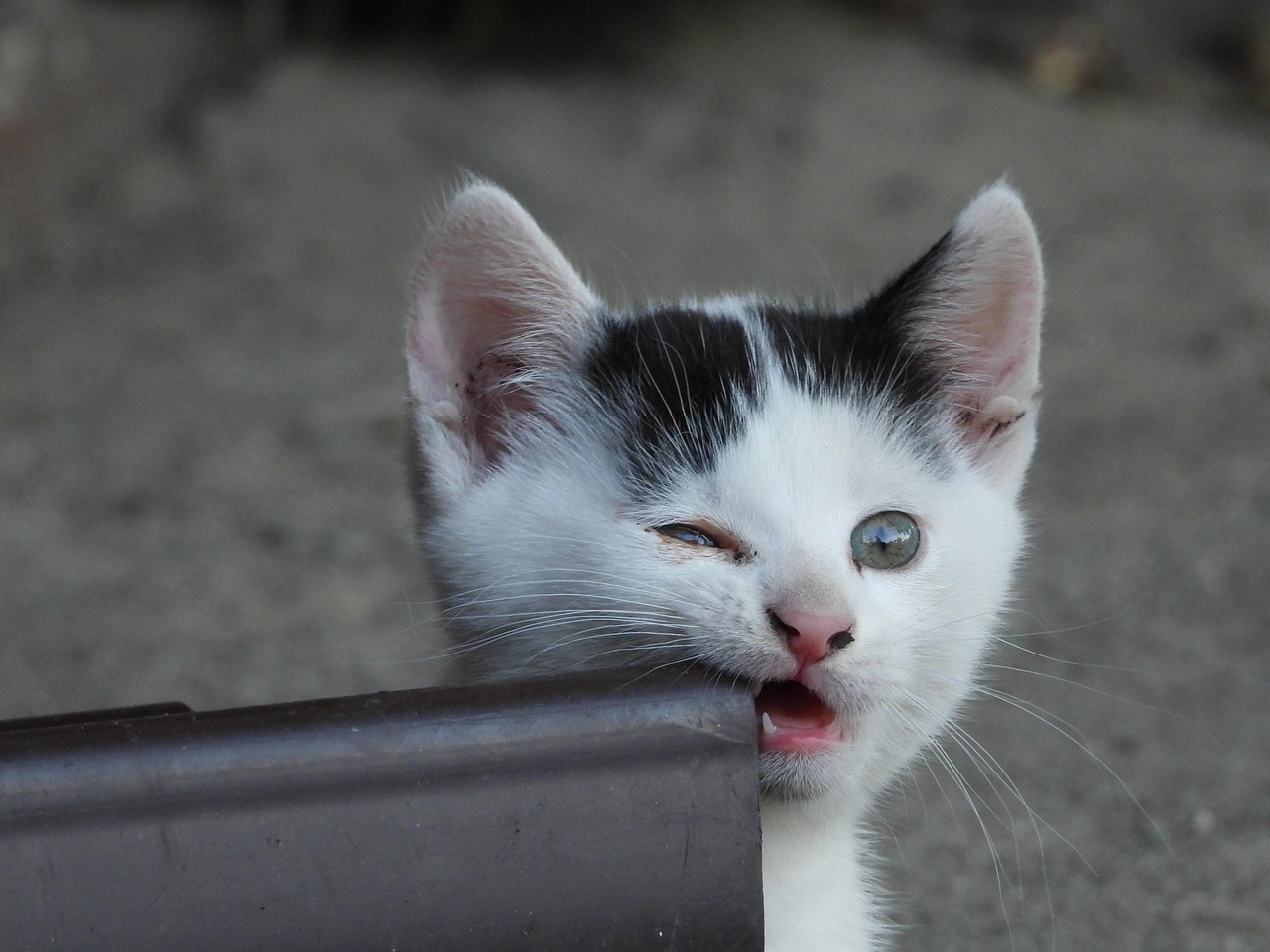
Love bites are usually gentle and don’t break the skin, and they can signal affection, playfulness, overstimulation, or frustration. The key word is gentle. A true aggressive bite from a cat feels very different and tends to come with very different body language.
A love bite is a gentle grazing of the teeth against your skin. Unlike an aggressive bite, which punctures, a love bite is controlled, or “inhibited.” The bite is rarely aggressive; instead, it is a natural way for cats to set boundaries while still maintaining connection.
It May Be a Kittenhood Habit That Never Left
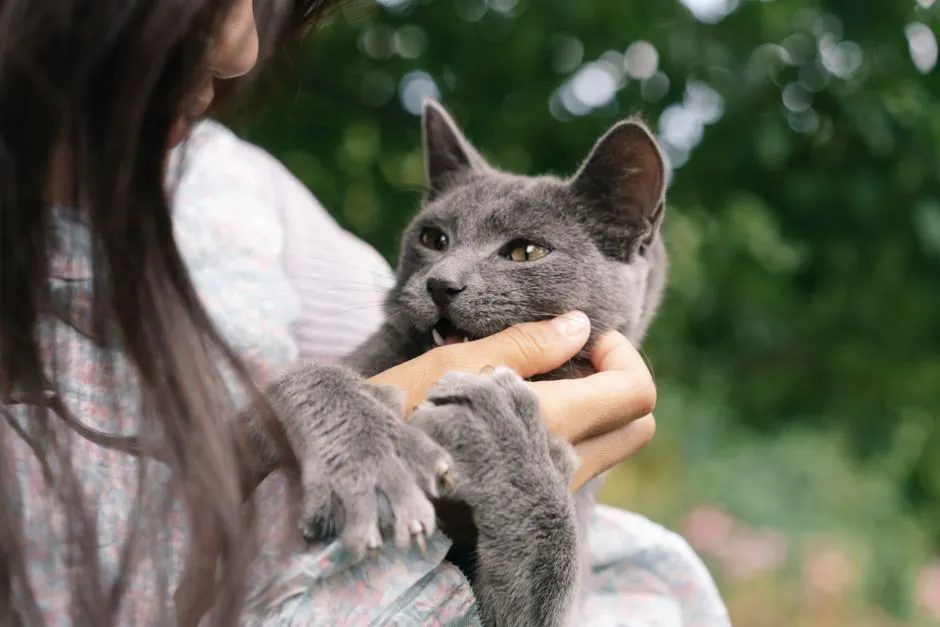
While it might seem confusing, these so-called love bites are actually a form of gentle affection. This behavior mimics how kittens play with their littermates, using gentle nibbles to interact and bond.
This behavior also reflects instinctive kittenhood grooming, where licking and soft nipping were used for communication and comfort. Cats don’t necessarily outgrow these early patterns. In some sense, the hand you’re holding has become a stand-in for a littermate from a very long time ago.
Mother cats immediately clean their young after birth and continue allogrooming as the kittens develop. That early imprinting leaves a lasting mark on how cats express closeness throughout their lives.
Overstimulation: When Affection Turns Into a Boundary
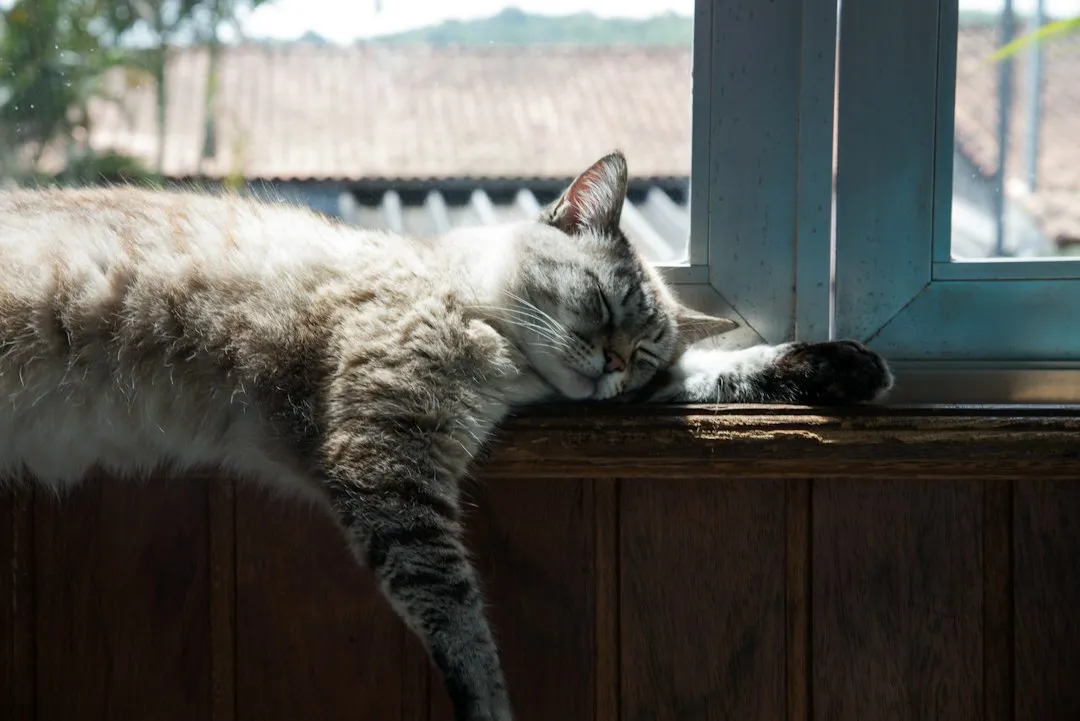
Overstimulation is a common reason why your cat might lick you and then bite. Cats have different tolerance levels for petting and interaction. What starts out as an enjoyable exchange can tip over a threshold faster than most people realize.
Cats can be very sensitive to overstimulation, and what starts as a pleasant experience can quickly become too much for them. A gentle bite is your cat’s way of saying, “I need a break now.”
It’s possible that your cat was enjoying the interaction but then became frustrated. Many cats get overstimulated from petting and sometimes intense play. The lick is the warm opening. The bite is the closing statement. Both are honest.
Reading the Warning Signs Before the Bite
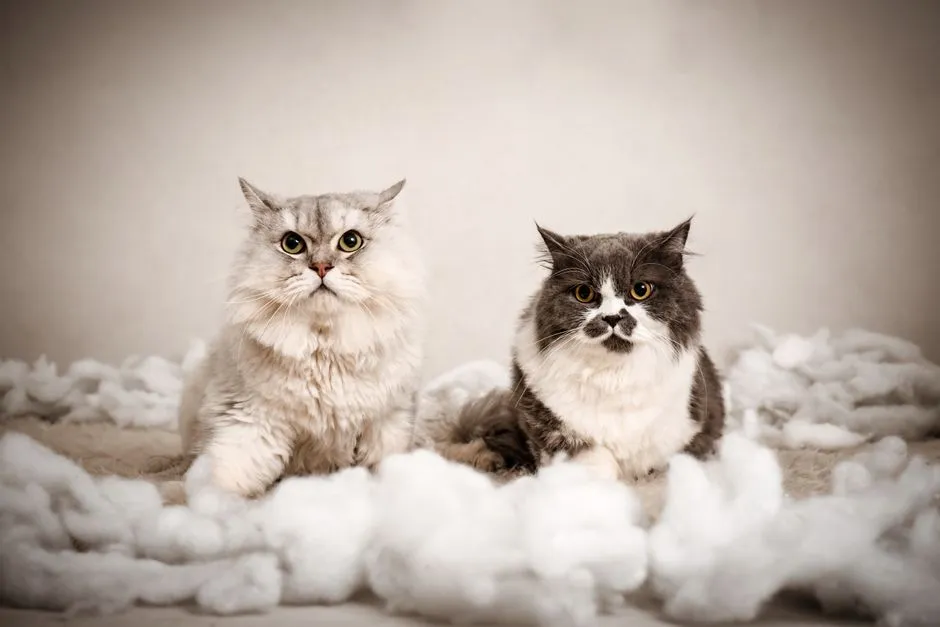
This behavior is known as petting-induced aggression. New cat owners may miss the signs, but veteran cat owners know to watch for dilated pupils, a twitching tail, or flattened ears, as these signals mean it’s time to stop petting.
If your cat’s tail starts to twitch or its ears flatten, that’s a sign your cat is becoming overstimulated. Your cat might also start to turn its head away or look at your hand with wide eyes. These cues usually come before the bite, not alongside it.
If a cat is sitting on your lap in a bonding posture but you’re petting a sensitive area, it feels conflicted. The lick is the bond; the bite is the annoyance. That tension between two competing signals is exactly what you’re seeing in the behavior.
It Can Also Be a Play Invitation
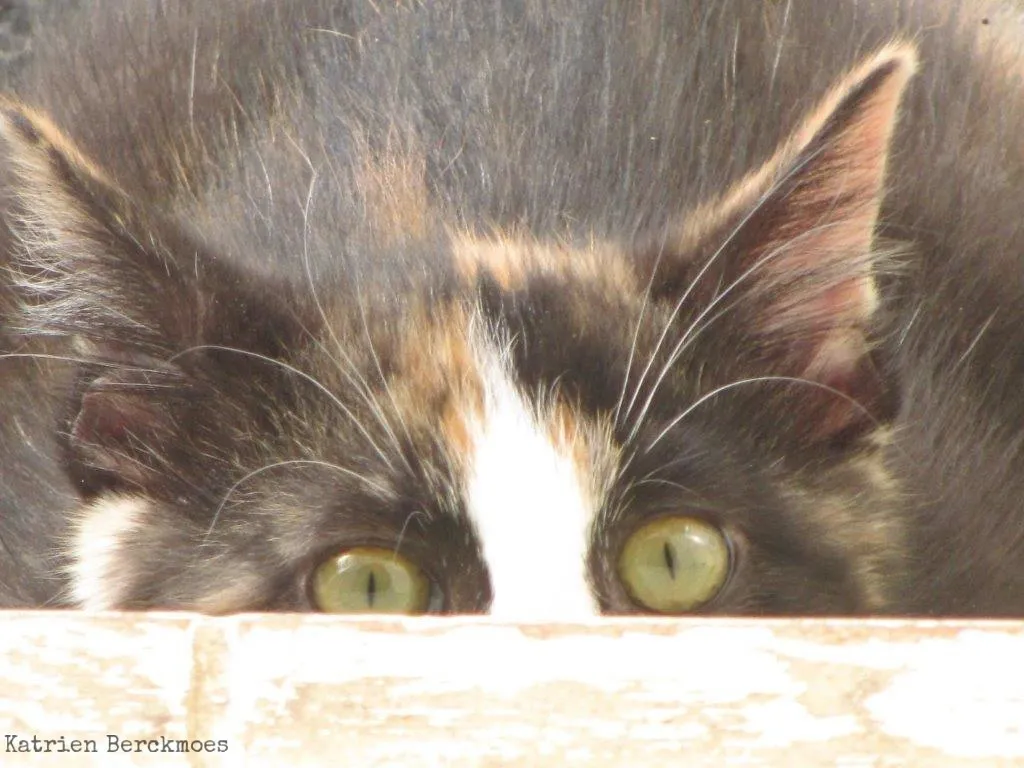
Sometimes licking turns into biting because your cat is feeling playful or wants to initiate a game. This is especially true if your cat starts licking your hand, then gives a bite and darts away. That darting motion is usually the clearest indicator of play mode.
Cats can get very playful, and playing with your cat is an important part of giving them a healthy, fulfilled life. A lick and then a bite might signal that your cat is ready to play. In this context, the sequence is more of an invitation than a complaint.
Stress Can Trigger the Same Pattern
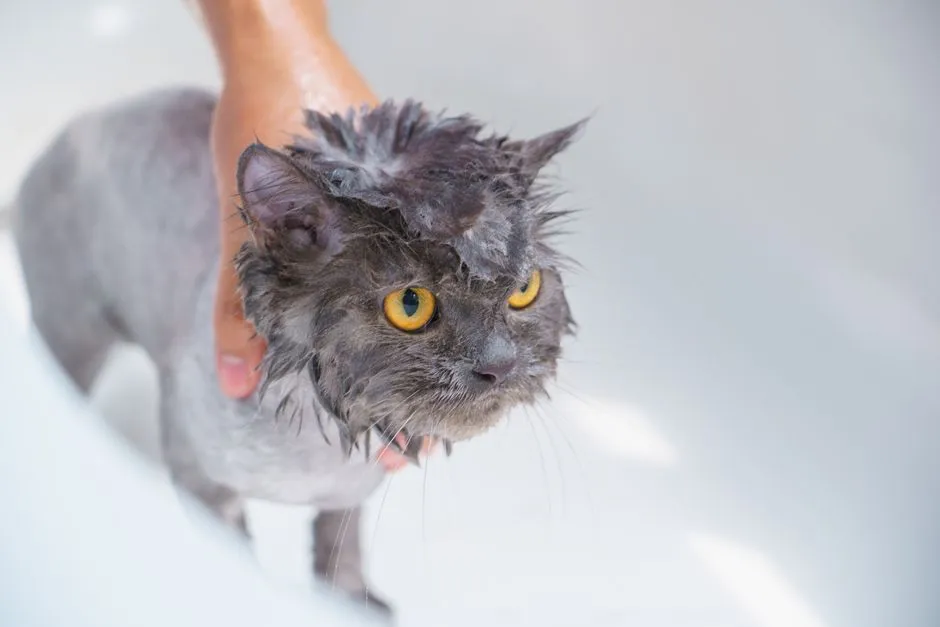
Cats are sensitive creatures and sometimes their stress is shown through licking and biting. Some cats indulge in excessive grooming, even pulling out hairs, and if your hand is close by, they may end up licking and then biting it instead. Plenty of things can stress cats out, including moving to a new house, introducing a new pet, or having strangers visit.
Stress and anxiety can cause cats to exhibit strange behaviors, including licking and biting. Changes in the environment, new pets, or even a change in routine can stress a cat. If the behavior is new or escalating, it’s worth looking at what else might have changed recently in your home.
How to Respond Without Making Things Worse
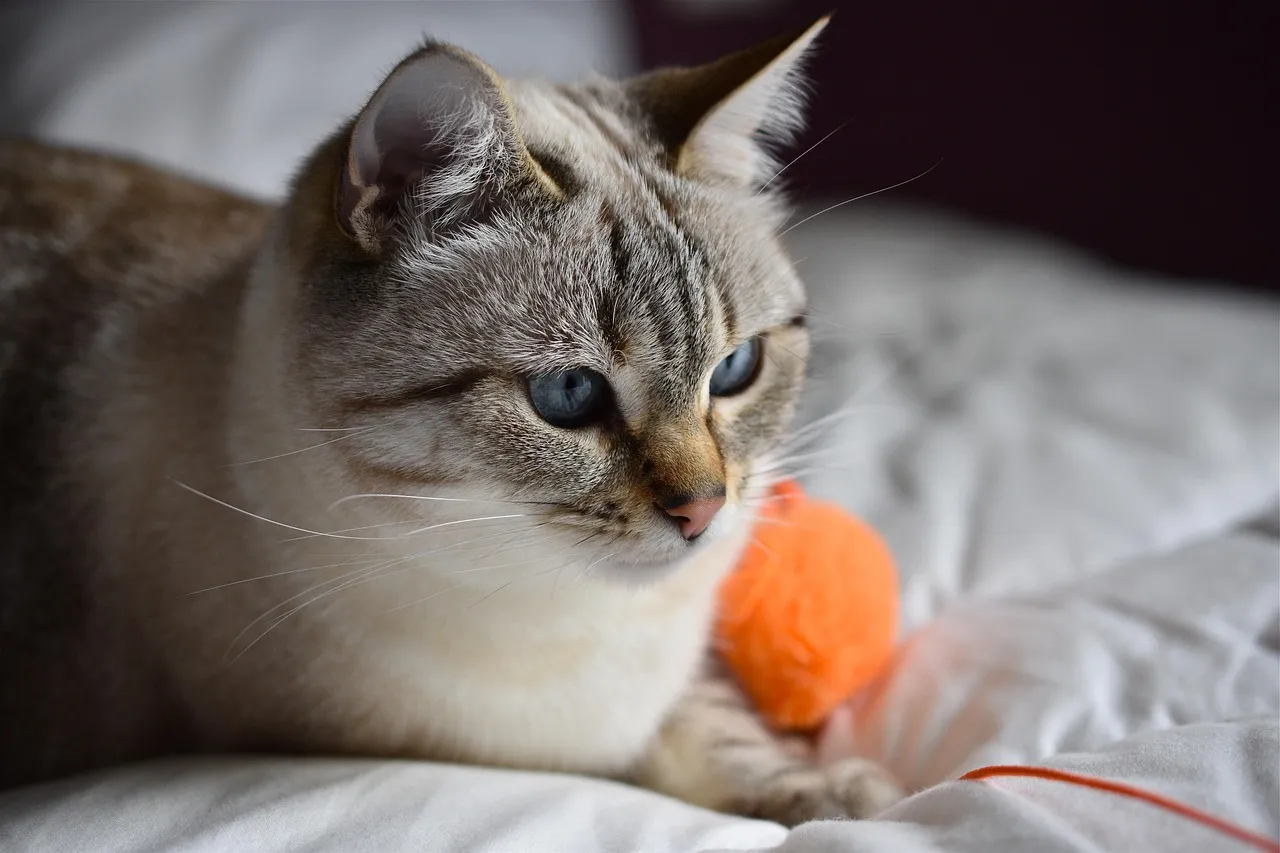
Jerking your hand away mimics escaping prey, which triggers a cat’s chase instinct to bite harder. If you go limp, you become boring and the cat will likely let go. Counterintuitive as it feels, stillness is the smarter response.
Never scold your cat for biting you, as they don’t necessarily understand what they’ve done wrong. Remember that mutual grooming, which includes biting, is a bonding behavior in cats. Punishment creates confusion rather than correction, and it can erode trust that took a long time to build.
Redirecting your cat’s attention to toys or other activities can help reduce the chances of biting. If your cat starts to lick you, gently move its attention to a toy. This can help satisfy your cat’s need for interaction without leading to a bite.
When to Actually Worry
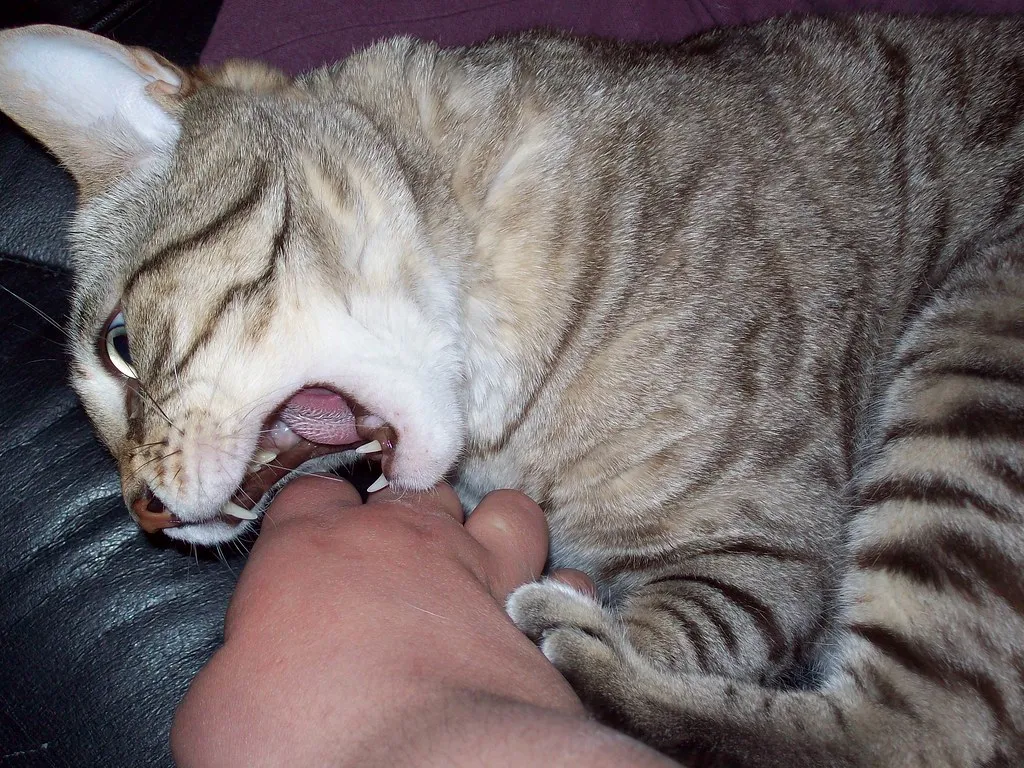
Cat saliva carries potentially harmful bacteria, though it will cause no harm if your cat is simply licking you, as your skin acts as a natural barrier. However, severe infections are possible if your cat bites you and breaks the skin. A gentle nibble is usually fine, but a puncture wound deserves prompt cleaning and medical attention.
Cat love bites are a normal and often charming aspect of feline behavior. However, if unwanted biting behavior persists or intensifies, consulting a veterinarian is the right step to make sure any underlying issues are addressed.
Cats that are in pain or ill may also bite if you pet or touch a sensitive area. Reach out to a vet if you suspect your cat may have an injury or be in pain. A sudden change in this behavior, especially in an older cat, can sometimes be the first signal of a health issue.
The Bigger Picture: What Science Is Still Learning
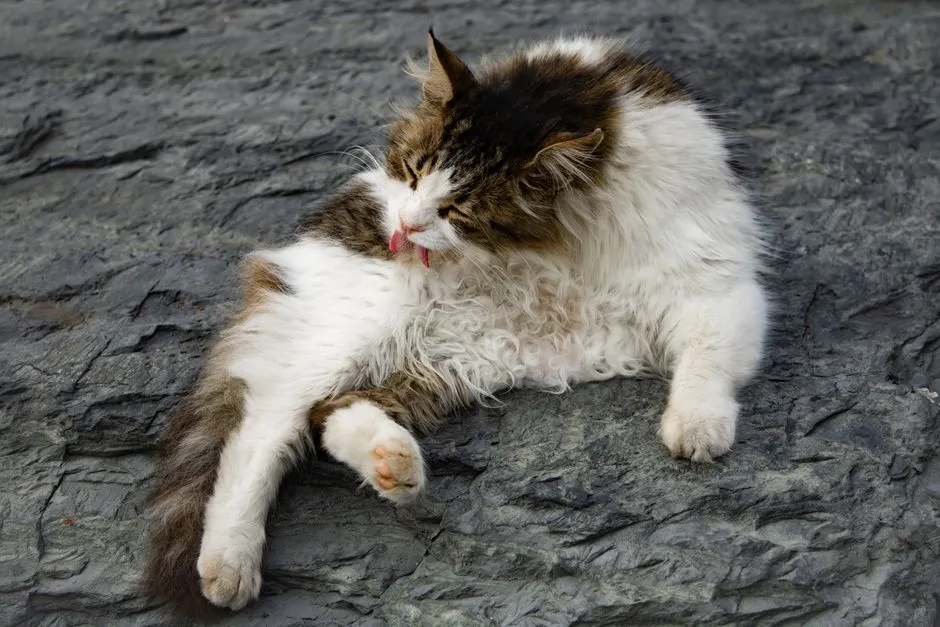
Researchers have concluded that allogrooming may sometimes be a subtle way of asserting dominance and a covert method of resolving conflict, and their findings underline how little we still know about cat behavior, despite having lived alongside felines for thousands of years.
A study published in the journal Applied Animal Behaviour Science examined allogrooming videos from 53 two-cat households, and it quickly became clear from the analysis that mutual grooming does not mean the same thing in all contexts. The lick-and-bite sequence your cat performs on your hand carries more layers than it appears to.
Cat research is roughly about two decades behind dog research, and there are still plenty of questions to be answered. The honest reality is that even experts are still piecing together the full picture of what cats are communicating when they do this.
Final Thoughts
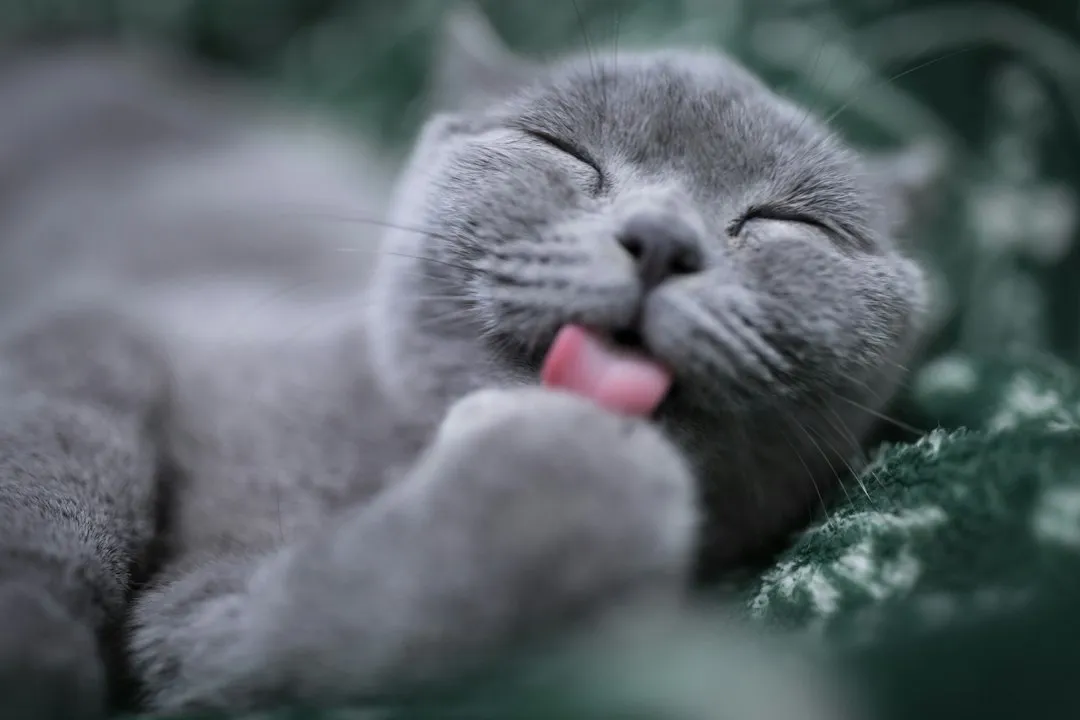
That lick-and-bite combo is rarely as random as it feels in the moment. It’s a layered signal drawing on deep instinct, early learning, sensory limits, and genuine social attachment all at once. Your cat isn’t being contradictory. It’s being a cat.
The most useful thing you can take away from this is to watch closely, respond calmly, and resist the urge to interpret feline behavior through a human lens. Once you start reading the tail, the ears, the posture, the whole sequence starts to make a quiet kind of sense.
AI Disclaimer: This article was created with the assistance of AI tools and reviewed by a human editor.