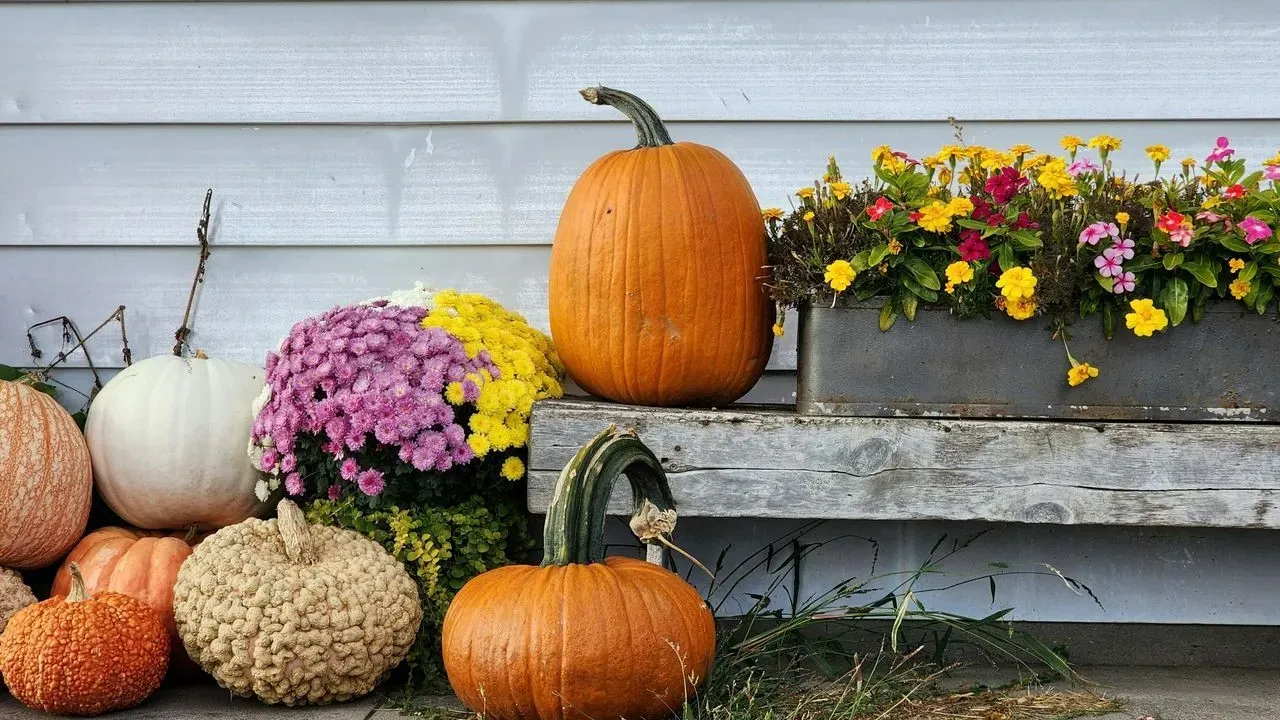

Many gardeners believe the planting season ends with summer, yet the choices made now shape the garden’s appearance months later. Cooler air paired with lingering warmth in the soil reduces transplant shock and encourages strong root development before winter sets in. The result is earlier color and productive growth once spring arrives. ([1])
Why Autumn Timing Matters
Fall planting takes advantage of conditions that spring often lacks. Soil remains workable and retains enough heat to support root establishment while topside growth slows. This balance lets plants focus energy underground rather than fighting heat or competing with summer weeds. Gardeners who wait until spring may face rushed schedules and variable weather that stresses new additions. Acting now spreads the workload and delivers visible rewards sooner in the following year. The approach suits both flower beds and vegetable plots, turning what feels like the end of the season into a productive start.
Bulbs and Pansies for Early Blooms
Spring-flowering bulbs rank among the most reliable choices for fall planting. Varieties such as tulips, daffodils, and hyacinths settle in during cooler months and emerge with color as soon as temperatures rise. Their timing creates natural succession in the garden without additional effort later. Pansies add immediate texture and continue flowering through mild winter periods in many regions. These cool-season annuals bridge the gap between dormant months and full spring display. Together, bulbs and pansies provide layered color that feels both planned and effortless once growth resumes.
Trees, Shrubs, Garlic, and Alliums
Larger plants benefit equally from fall installation. Trees and shrubs planted now develop roots while moisture is more consistent and evaporation rates drop. This head start often translates to stronger performance during the first full growing season. Garlic and alliums follow a similar pattern. Cloves and bulbs set in autumn overwinter safely and produce early harvests or ornamental spikes the next year. Their placement among perennials or in dedicated beds adds both utility and visual interest without demanding summer attention.
Wildflower Seeds and Cover Crops
Direct seeding wildflowers in fall allows natural stratification over winter, improving germination rates when conditions warm. The resulting drifts of color support pollinators and reduce bare soil in spring. Cover crops serve a parallel purpose in vegetable gardens. They protect soil structure, suppress weeds, and add organic matter when turned under later. Both options turn open ground into an active part of the garden’s cycle rather than leaving it idle. By focusing efforts on these plantings now, gardeners position themselves for a more vibrant and productive landscape with less pressure once spring arrives. The quiet work of autumn becomes the foundation for months of enjoyment ahead.
AI Disclaimer: This article was created with the assistance of AI tools and reviewed by a human editor.