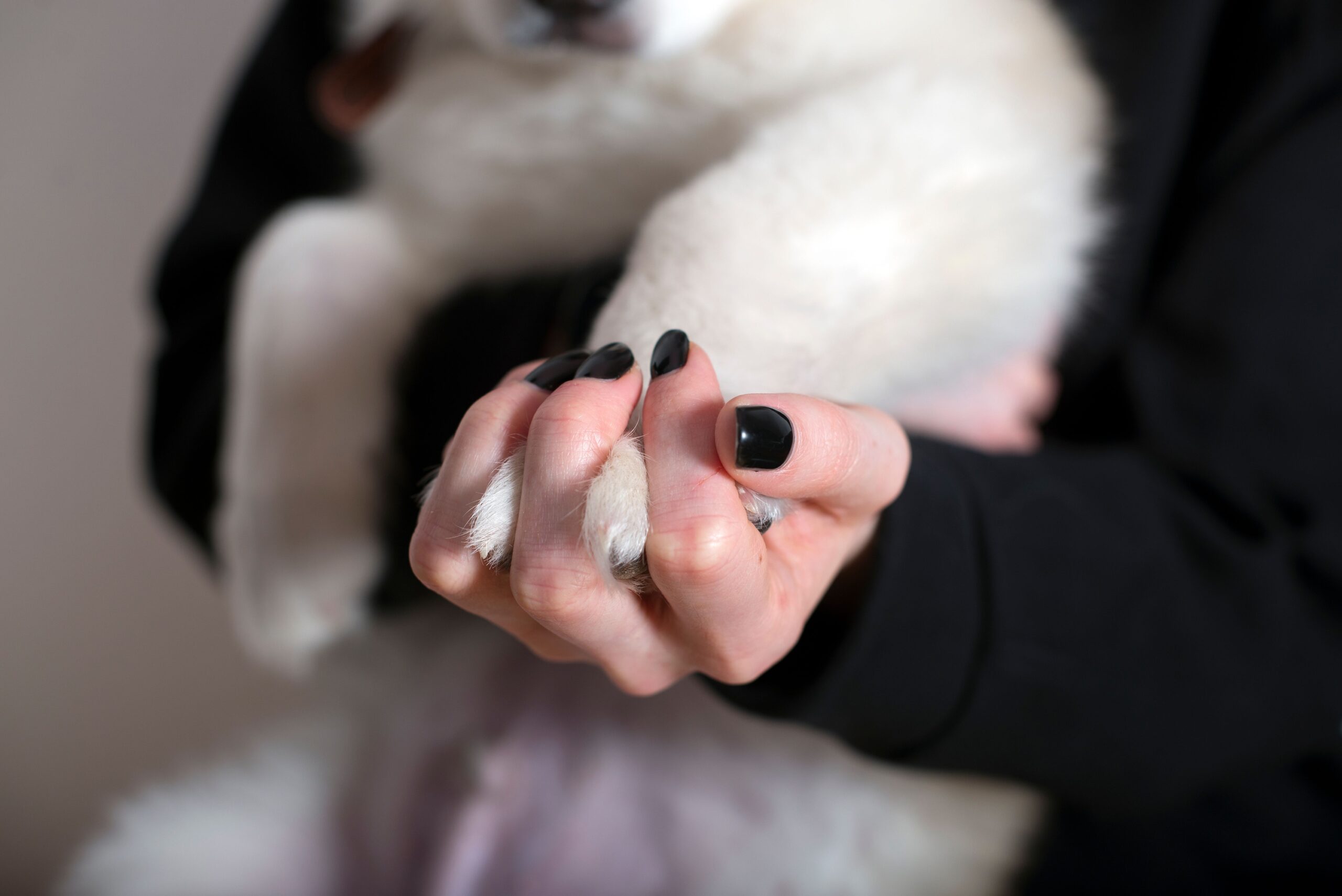

What the Clicking Sound Is Actually Telling You
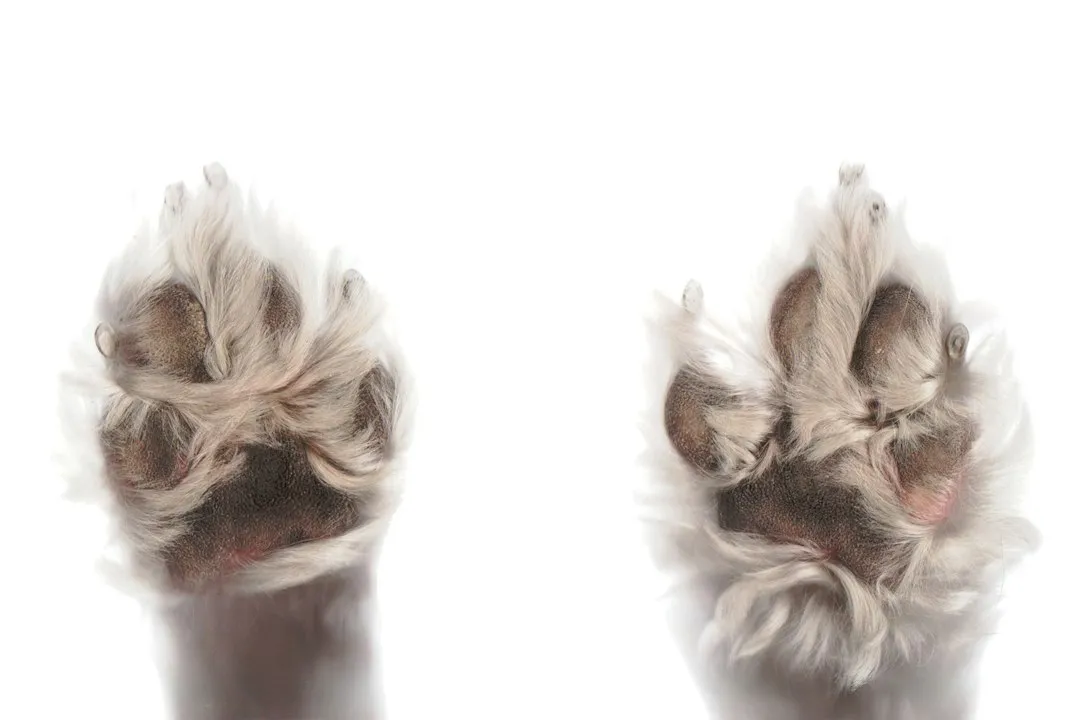
That clicking sound you hear as your dog walks across tile or hardwood is more than just a minor annoyance. It’s a clear sign that your dog’s nails are overgrown. The sound happens because the nail is long enough to make contact with the floor before the paw pad does, shifting the weight mechanics of each step.
One of the easiest ways to notice overgrown nails is to simply listen when your dog walks. If you regularly hear a distinct clicking sound on hard floors, the nails may be extending farther than they should. Healthy nails should not consistently make contact with the floor while a dog is standing naturally.
Ideally, a dog’s nails should not touch the ground when standing still. When they do, the clicking you hear is the sound of a problem already in progress.
Understanding the Anatomy: What’s Inside That Nail
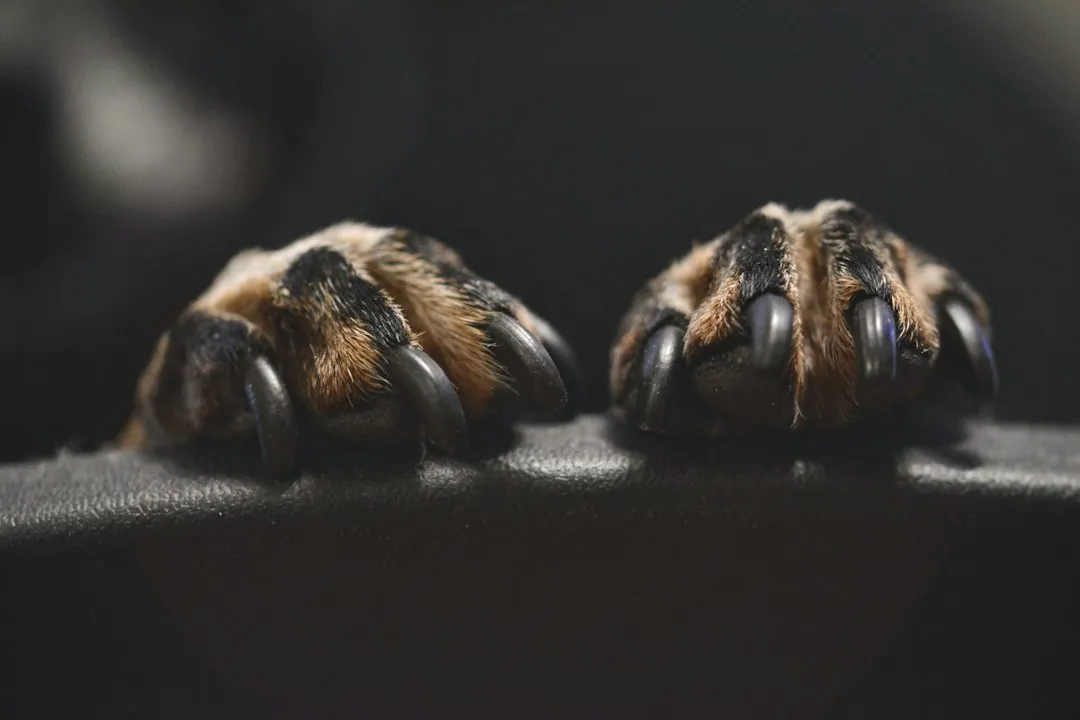
Unlike human nails, which are purely cosmetic structures, canine nails serve functional purposes for traction, digging, and grip. The visible, hard outer structure is made of keratin that grows continuously throughout a dog’s life, and this protective covering shields the sensitive structures beneath.
Inside every nail is a bundle of very sensitive blood vessels and nerves called the quick, and when it is injured or cut, it will bleed and be painful for your dog. In light-colored nails, the quick may appear as a pink inner area. In black or dark nails, it may not be visible from the outside, so a conservative trim is safer.
Nail growth rate in dogs overall has been estimated at 0.8 to 1.9 mm per week. That rate alone explains why a few skipped trims can quickly add up to a real problem.
How Often Dogs Actually Need a Trim
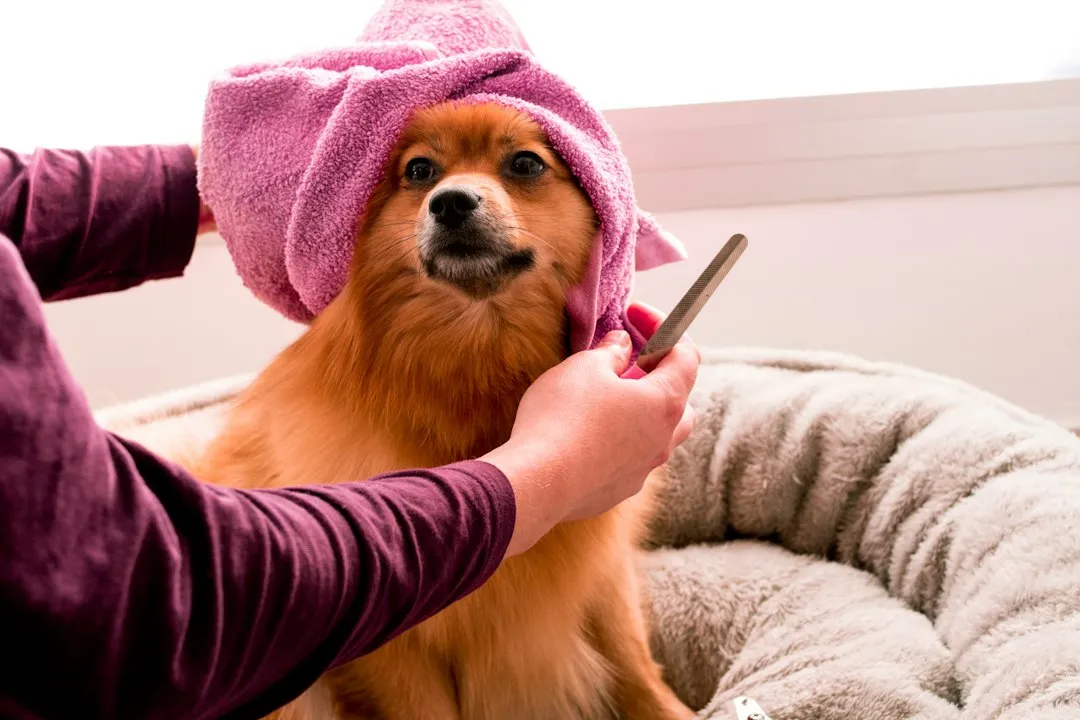
The answer can vary depending on their lifestyle and breed, but for most dogs, a trim every 3 to 4 weeks is ideal. That might feel more frequent than expected, but it lines up with how fast nails actually grow.
Activity level also plays a role in how often you should trim your dog’s nails. Dogs that spend a lot of time walking or running on hard surfaces will naturally file their nails down, meaning you may only need to trim them every 3 to 4 weeks. On the other hand, more sedentary dogs may require nail trims more often.
Young adult dogs typically require fewer nail trims than both puppies and elderly pets. In the case of puppies, they may need more frequent nail trims because their sharp nails grow faster. Older dogs, already more sedentary, can accumulate length quickly without obvious wear.
The Joint and Posture Consequences Most Owners Miss
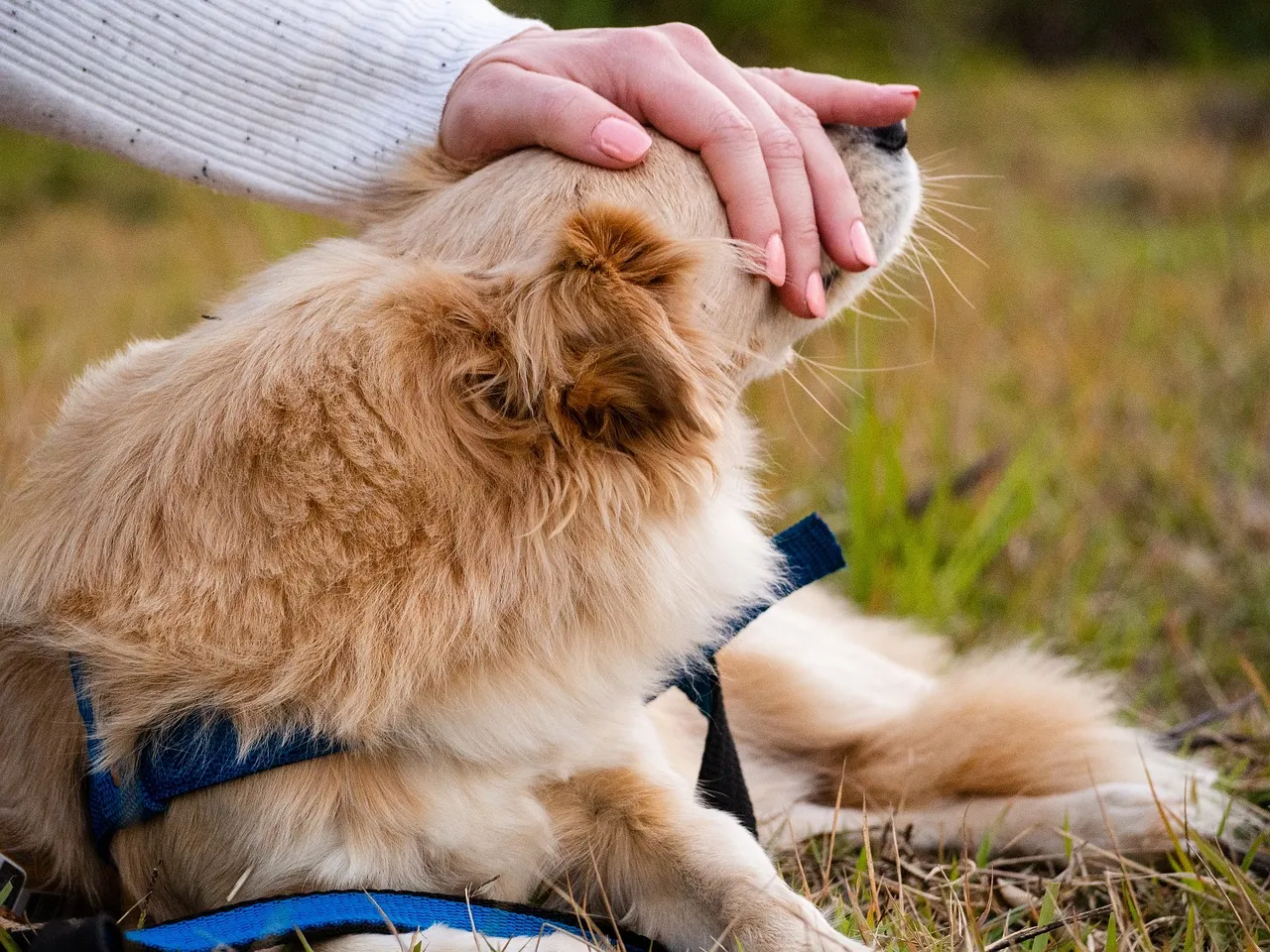
Overgrown nails can impact the way your dog moves. The force of walking on their nails over time causes the bones in their feet to adjust, putting undue pressure, wear, and tear on their joints. What seems like a minor inconvenience can lead to significant joint pain and even cause arthritis in the long run.
Longer nails end up pushing the dog’s foot into an unnatural position, which can lead to a number of medical problems. Overgrown nails result in a higher rate of injury, both in the foot and wrist, arthritis, and torn or broken toenails. These problems are especially important to remedy in older dogs that may already be struggling with arthritis and aching joints.
Chronic joint pain from overgrown nails leads to less activity, potential weight gain, and ongoing stress on the body. Premature arthritis and reduced mobility together lower quality of life and can shave years off your dog’s time with you.
When Nails Start to Curl: The Next Stage
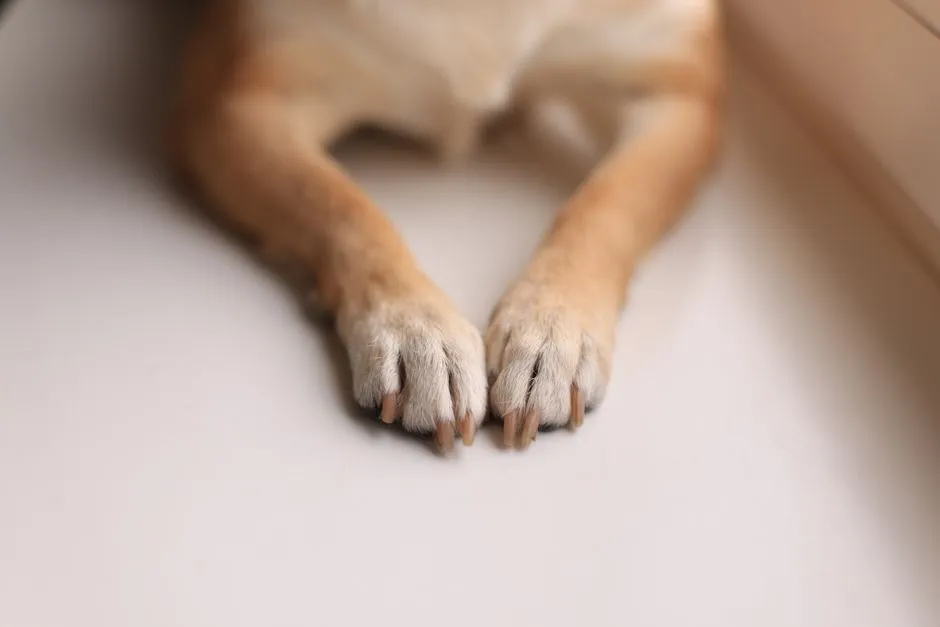
The familiar clicking or tapping sound of nails against hard flooring can be an early indication that they have become too long. In more advanced cases, nails can begin to curl. If they continue growing without being maintained, they can eventually curve back toward the paw and, in extreme cases, grow into the paw pad itself. That can turn a routine grooming issue into a painful injury.
Dog nails naturally grow in a curved shape. When left unchecked, they can become too long and curl around, growing into the dog’s paw pad. This can lead to a host of problems. As the overgrown nail punctures through the thick layers of skin covering the pads, it creates an open wound. The dog experiences pain and the wound is prone to developing an infection. Their paw pad may have significant swelling and make walking uncomfortable.
The Dewclaw: The Nail Most Often Forgotten
Dogs have four nails on each foot but may have a fifth one called the dewclaw. This nail is located a little past the wrist of your dog’s paw. Depending on the dog, dewclaws can be located on the front legs, back legs, or both.
Dewclaws are prone to injury because they don’t make ground contact and rarely wear down naturally. Dewclaws can be one of the most common nails to get snagged and broken. They are also the easiest to miss when trimming nails, because they are further up your dog’s leg and can be hidden in fur.
It’s important to regularly check and maintain dewclaws, as they can become overgrown and prone to snagging or tearing if neglected. Many pet owners trim all four paws and completely overlook this one.
Other Warning Signs Beyond the Click
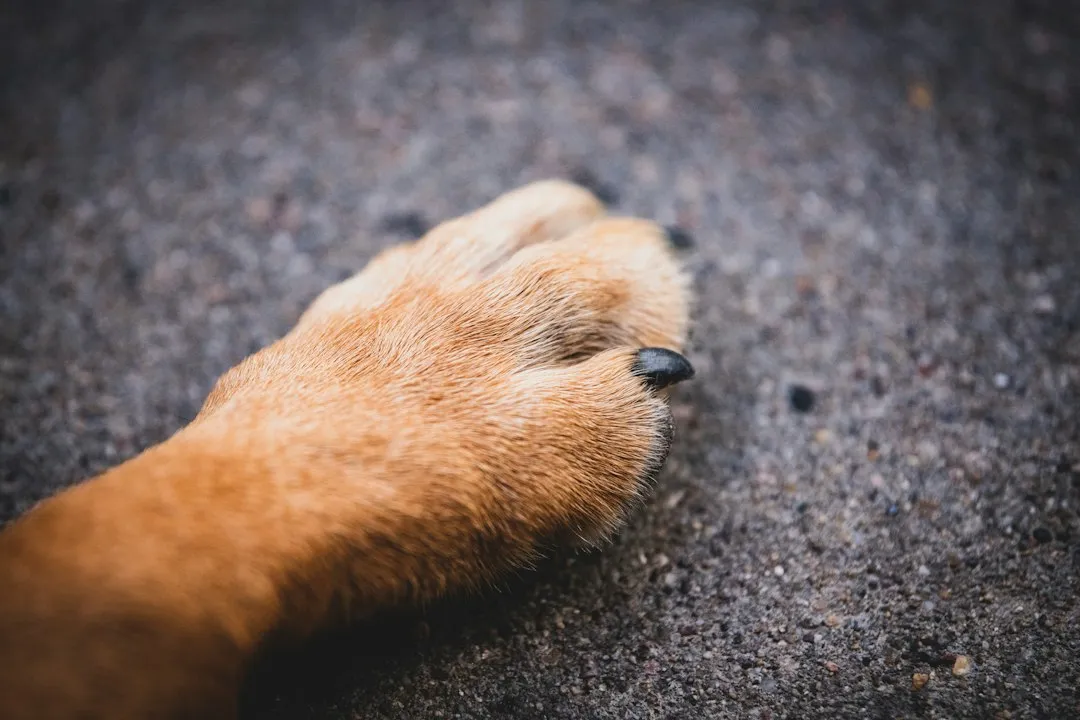
Audible clicking on hard floors, nails touching the ground when the dog stands square, catching on carpet or furniture, splayed toes, ingrown nails, and reluctance to walk on slick surfaces are all warning signs. Any of these means the nails have been too long for a while already.
If your dog is limping or favoring a paw, avoiding putting weight on the affected nail is a key sign of pain or injury. Persistent bleeding or severe symptoms, such as swelling or pain, are reasons to seek veterinary help immediately. An infected nail can result from untreated cracks or overgrowth, so prompt attention is important.
If you notice your dog persistently licking their paws, it might not just be a grooming habit. This behavior can sometimes be a response to discomfort in their paws, possibly due to overgrown nails.
Breed, Lifestyle, and the Nuance of the Clicking Sound

The noise also depends on your dog’s breed. When a considerable weight is applied to the paws, the nails hit the ground with greater force and thus make a louder sound. There is a higher likelihood of click-clacking from medium or large-breed dogs.
When your dog moves, the clicking sound usually depends on how fast they move. The quicker they move, the louder the noise. You may not hear anything when the dog is only sauntering around. The noise also depends on the type of surface and their grip upon it. The more slippery the floor, the louder the noise.
So persistent clicking during normal walking, at a natural pace, on a firm floor, is the version that warrants a closer look. A single clip-clap during a sprint across tile is different from constant tapping during every trip to the water bowl.
How to Trim Safely, and When to Ask a Professional
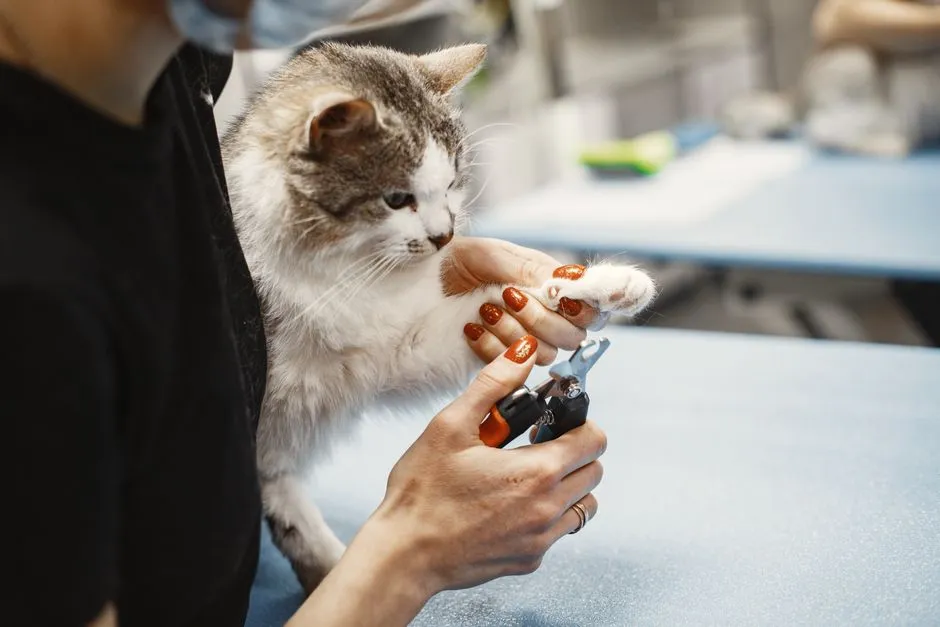
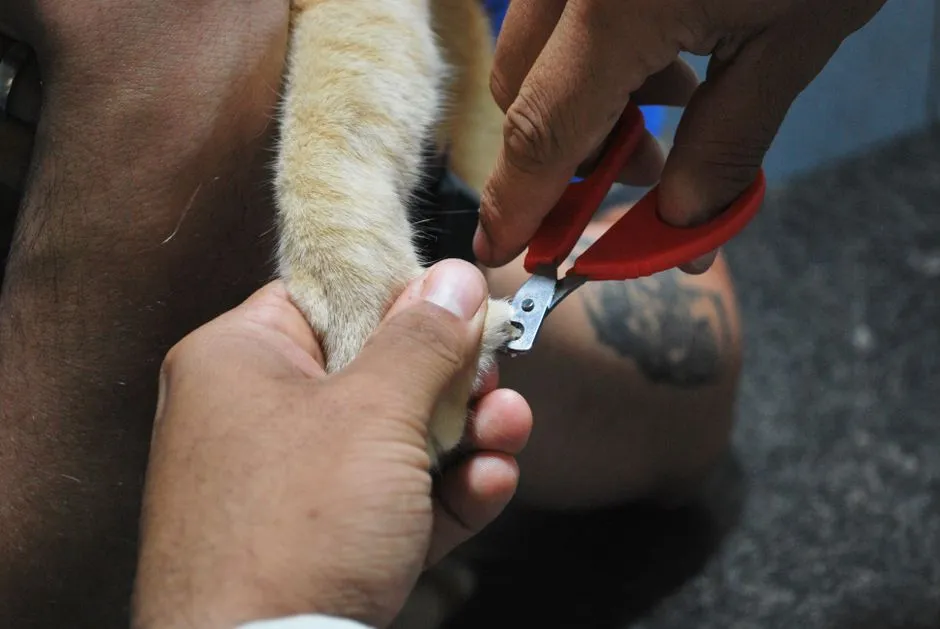
The best way to cut overgrown nails is to gradually cut them a little bit each week. That way, you’ll allow the quick to recede gradually as well. Once the nails are trimmed properly, make it a point to regularly trim their nails to prevent overgrowth.
Veterinary professionals and groomers are trained to trim nails safely and effectively. They know how to avoid cutting the quick and can handle even the most resistant pets with care. For pets that struggle with nail trims, professionals have the experience and techniques to keep them calm. This makes the process faster and more comfortable for everyone involved.
Styptic powder or gel can help stop minor bleeding, but heavy bleeding, severe pain, infection signs, or a deeply damaged nail should be handled by a veterinarian. When in doubt, professional help is rarely the wrong call.
Why This Is Ranked Among the Most Common Vet Concerns
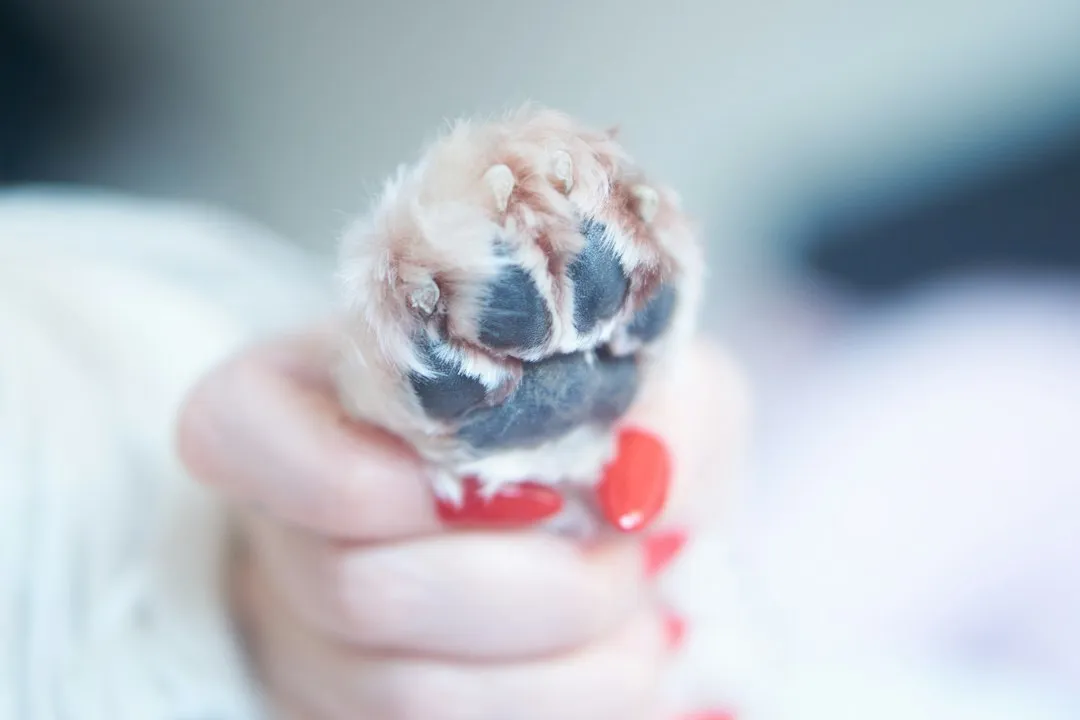
Overgrown nails are reported as the fourth most frequently diagnosed disorder in dogs under primary veterinary care in the United Kingdom. Overgrown nails can cause discomfort and mobility issues and might eventually in-grow into the pads, causing pain, injury, and infection.
Despite the reported high frequency of nail clipping in dogs and the links to health issues, there is remarkably little evidence reported on how factors such as breed, bodyweight, age, or sex may affect the odds of nail clipping. Overgrown nails was identified as one of the most underfunded conditions for research in dogs. That’s worth noting: something this common and consequential still doesn’t get the scientific attention it deserves.
Nails that are too long can harbor dirt and bacteria, increasing the risk of infections. Regular nail trimming helps maintain cleanliness and reduces health risks. The case for routine trimming goes well beyond appearance.
The Takeaway
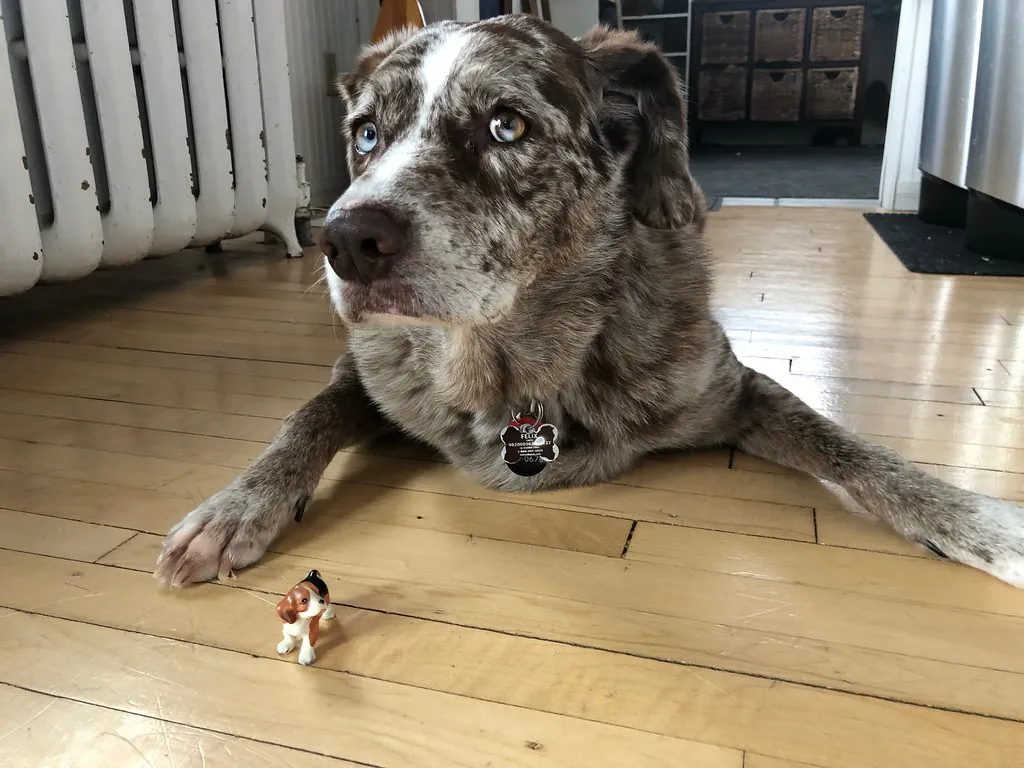
That clicking sound is easy to tune out. It becomes background noise, part of the daily rhythm of living with a dog. The problem is that behind the sound is a process that compounds quietly over time, affecting posture, joints, and comfort in ways that only become obvious when things have gotten genuinely serious.
Regular nail trims are a non-negotiable part of routine care. How often depends on breed, lifestyle, and the surfaces your dog walks on, but every two to four weeks is a reliable guideline. Don’t wait until you hear the click-clack on your hard floors because that sound means the nails are already too long.
The next time you hear that tap-tap-tap across the floor, treat it less like background noise and more like a quiet request. Your dog can’t schedule their own grooming appointment. That part, fortunately, is yours to handle.
AI Disclaimer: This article was created with the assistance of AI tools and reviewed by a human editor.