
What This Behavior Is Actually Called
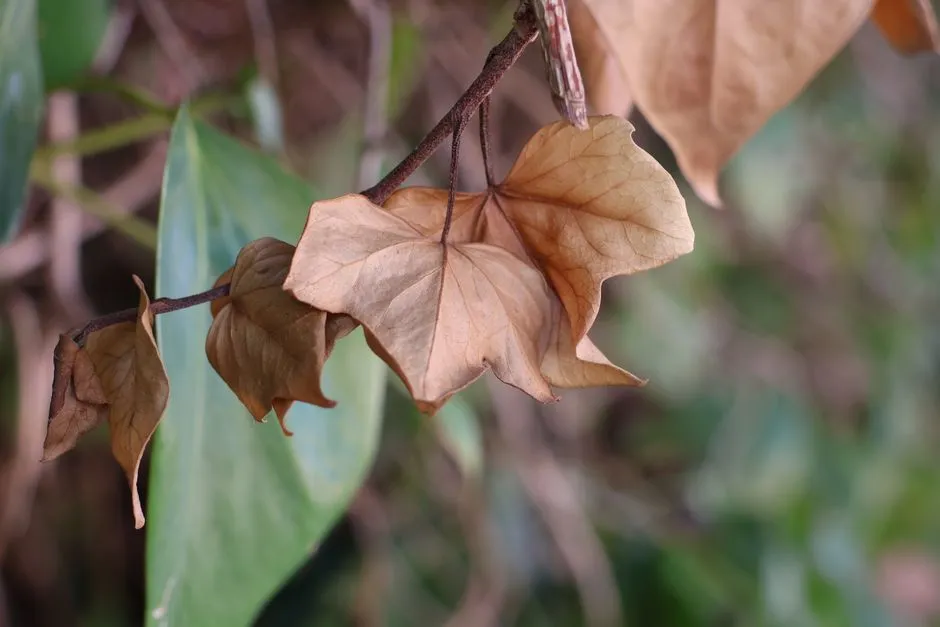
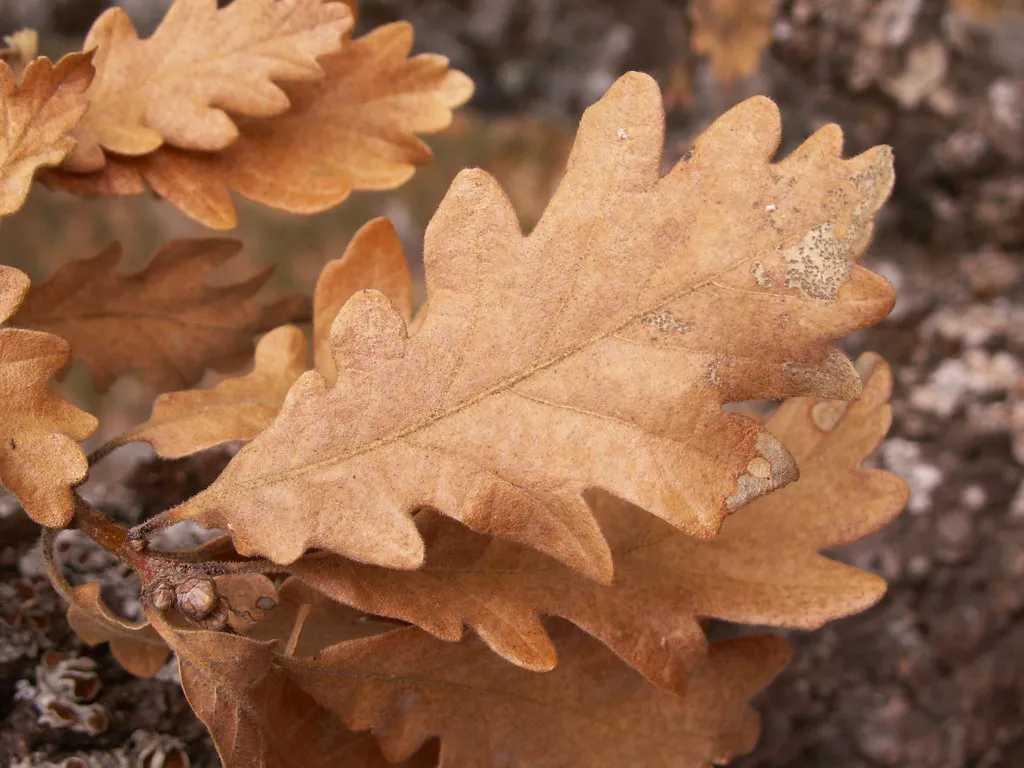
Marcescence is when a plant clings to its dry autumn leaves through the winter. The word comes from the Latin “marcescere,” meaning “to fade.” It’s a precise botanical term for something many people notice but few can name.
This unusual practice has a scientific term: marcescence, defined as the retention of dead organs by a living plant. Marcescence has long fascinated botanists, including Pehr Kalm as early as 1749. So this isn’t a newly discovered oddity. People have been noticing it, and wondering about it, for a very long time.
Which Trees Are the Most Stubborn
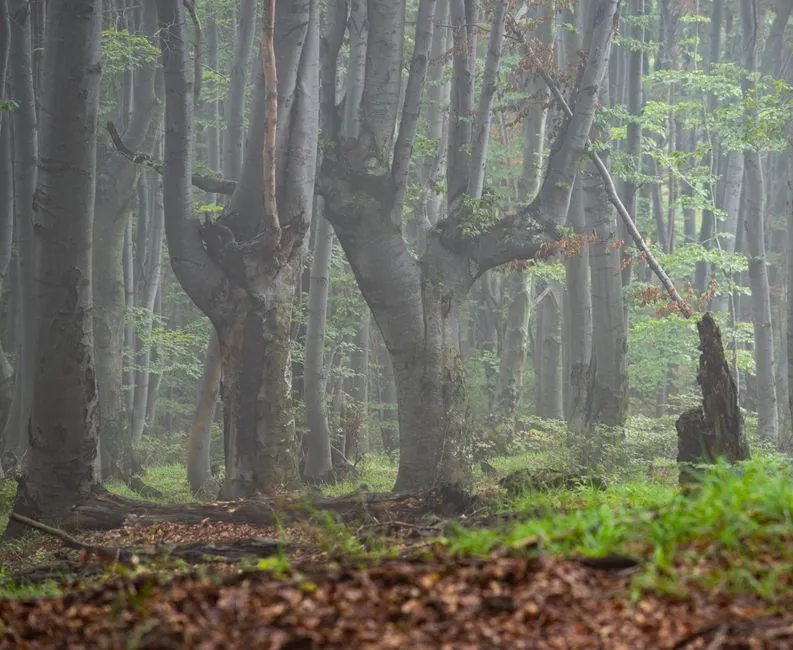
Marcescence is most common by far in the beech, followed by many species of oak as well as hornbeam. Two types of trees that are well-known to exhibit marcescence are the oaks and American beech, while three others that display this habit include hornbeam, hophornbeam, and slippery elm.
A research project across 18 botanical gardens in North America, Europe, and Asia counted more than 1,061 plant species and found that 401 species exhibited at least some intact dead leaves, while some newly documented marcescent trees included species of blueberries, azaleas, and honeysuckles. That’s a much wider spread than most people would expect.
The Biology Behind the Stubbornness
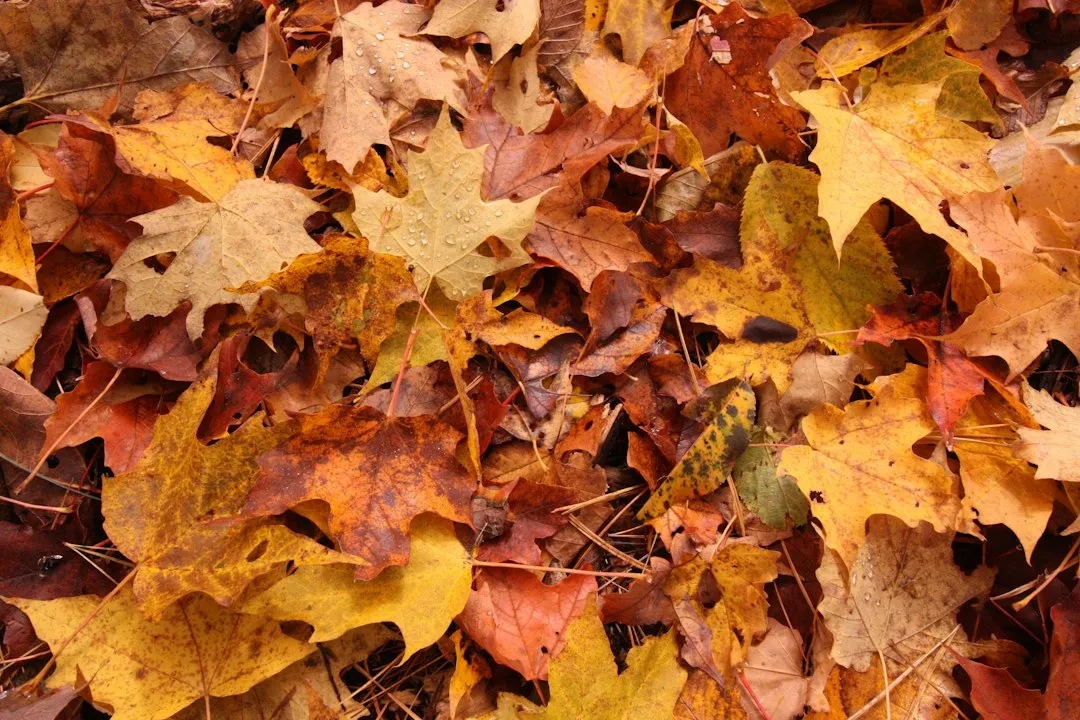
Leaf senescence in deciduous trees is an active, complex process typically involving the physiological formation of an abscission layer causing the petiole to mechanically detach from the branch. Most trees complete this process reliably every autumn.
The physiological reason for this odd tendency to retain leaves through winter is the failure to develop the abscission layer, a hardened band of vascular cells between the leaf petiole and stem. In these types of trees, the abscission zone fails to develop fully during autumn, allowing the leaves to stay on the tree. It’s not that the tree forgets to drop its leaves; it’s that the system designed to release them never fully activates.
A Surprisingly Widespread Trait
Even nonwoody plants, like grasses, ferns, sedges, rushes, and some flowering plants, retain leaf skeletons in some capacity. A study from researchers in the Czech Republic analyzed 127 herbaceous temperate species and found that nearly all of them exhibited some level of marcescence.
Marcescence is more likely to show up in some plant species than others, suggesting an evolutionary signal. Many oak tree species show high levels of marcescence, while ash trees hardly show any. That kind of pattern across species is usually a clue that something meaningful is going on, even if scientists haven’t fully pinned it down yet.
The Deer Defense Theory

During winter, food is scarce and hungry deer chomp away at tender new branches of young trees. The unappetizing dead leaves of marcescent trees may deter deer from snacking, and another theory holds that dead leaf clusters provide a physical barrier that the deer must chew through to reach the juicy new growth underneath.
One study found that deer chose to eat bare branches over branches with dead, dry leaves on them. A popular idea is that the unappetizing, desiccated leaves protect buds from the hungry mouths of deer, moose, and other large mammals. Tannins in the leaves create a bitter taste in large quantities. It’s a low-cost defense strategy: keep the dead stuff around a little longer, and the living parts stay safer.
Protecting Buds from the Cold
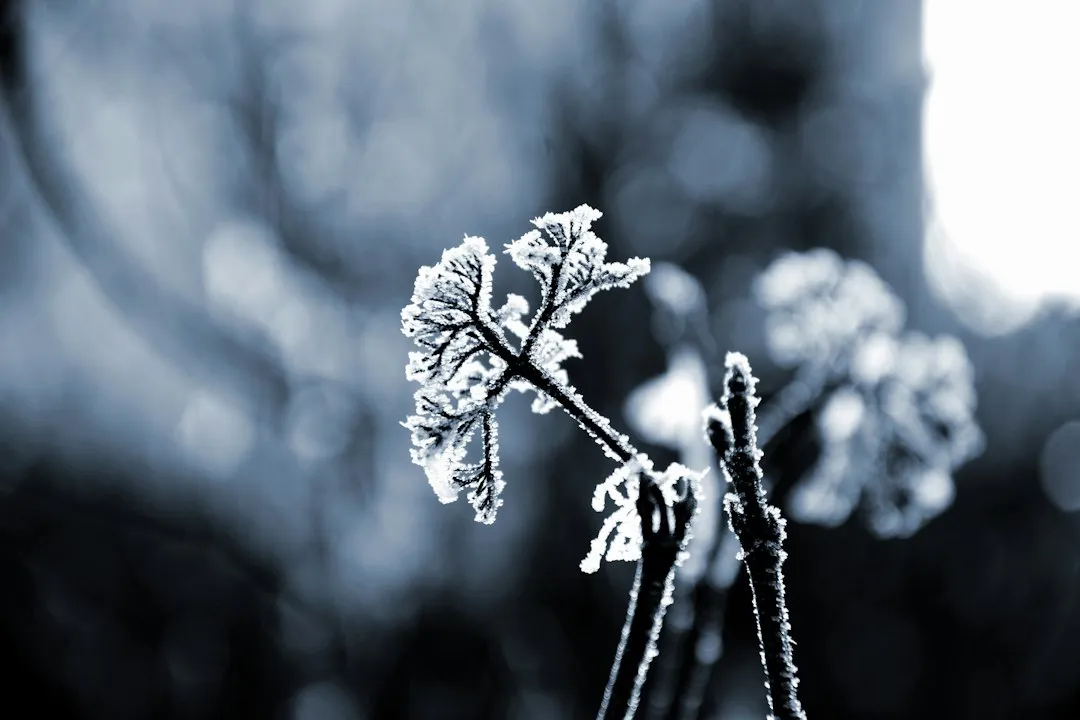
In winter, the delicate buds of new growth are particularly vulnerable to extreme cold, desiccation, and frost damage. Dead leaves may serve as a physical barrier, shielding buds from drying winds while preserving moisture.
In especially windy landscapes or where trees are exposed, like a savanna, this feature of protecting future growth would be critical to long-term survival and reproduction. Think of it as a tree wrapping its most important parts in a thin, papery insulating layer before the worst of winter arrives.
The Nutrient Recycling Strategy
A more complicated theory is that the plants could keep their dead leaves to retrieve the nutrients for a later time. Marcescent leaves decompose faster in the soil than leaves that fall in the autumn, because sunlight helps break down the hanging leaves, making them thinner and drier. When those leaves finally hit the ground, they are already partially degraded and can return nutrients quicker to the soil than a fallen autumn leaf.
One hypothesis proposes that keeping leaves through winter allows trees to drop them in spring, when the nutrients released from decomposing leaves benefit the tree at a more active time of growth. This could be especially advantageous in nutrient-poor soils. Timing, in other words, matters as much as the act of dropping the leaves at all.
Young Trees vs. Mature Trees
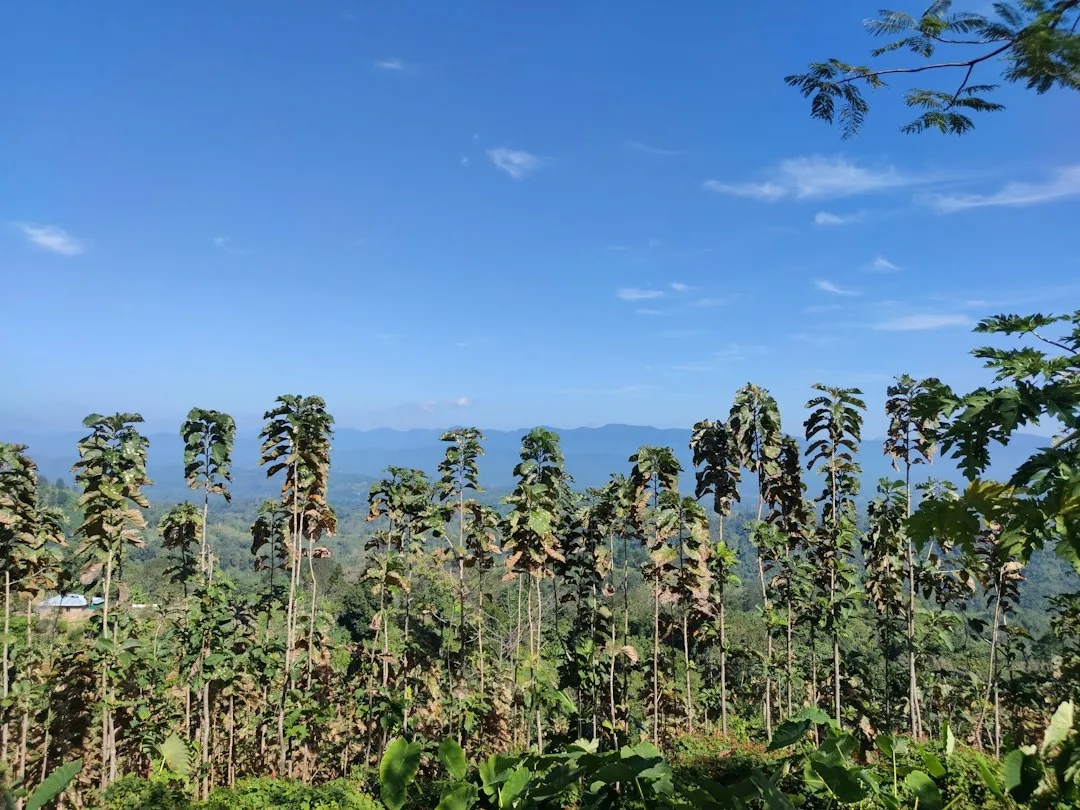
Nearly every university source agrees on this point: marcescence is most common in juvenile trees. As trees age and gain height, the trait diminishes, especially in upper branches. This pattern explains why saplings in forests often appear fully clothed in winter while towering mature oaks do not.
A few theories are based on the observation that marcescent leaves are found most often on younger or smaller trees or on the lower limbs of bigger trees. Young trees are simply more vulnerable at ground level, where deer browse and frost settles. It may be that marcescence is nature’s way of giving them a fighting chance during those early, exposed years.
Climate and Environment Play a Role
The colder and drier the climate where the plant is located, the more marcescence was observed in the respective species. This connection between harsh conditions and leaf retention suggests the trait may be a direct response to environmental stress rather than purely an inherited tendency.
Induced marcescence may affect species that don’t normally hold leaves, and can vary widely from year to year depending on climate. The fall droughts in Southeast Michigan in 2024 and 2025 appeared to increase marcescence. So even trees not normally prone to holding their leaves can start doing so when conditions push them to the limit.
A Multi-Hypothesis Problem With No Clean Answer
Researchers have reviewed six separate but non-mutually exclusive hypotheses: marcescence has no adaptive function and is simply an evolutionary byproduct; marcescent leaves deter winter browsing herbivores; leaf retention improves nutrient resorption during autumn; prolonged leaf shedding into spring minimizes nutrient leaching; marcescent leaves protect overwintering buds from frost; and marcescent canopies provide winter cover for animals, affecting plant nutrient availability via excrement.
No hypothesis has complete support, and few tests of multiple hypotheses have been done. It is likely that any adaptive value of marcescence is species and context dependent. Despite increased interest in plant phenology and prevalence of this trait, much remains to be understood on the physiology, evolution, function, and ecological implications of leaf marcescence.
The Takeaway
There’s something genuinely humbling about standing in a winter forest and realizing that those rattling brown leaves attached to a beech tree represent a question science hasn’t fully solved yet. For at least 2,000 years, people have documented the unusual sightings where certain deciduous species hold onto their dead leaves, and researchers are still working out why.
What’s become clear from recent multi-continent studies is that marcescence is far more widespread than previously thought, and likely serves different purposes in different species and settings. For oaks and beeches, this refusal to shed leaves isn’t just for show. It’s a complex survival strategy and a good reminder of one of nature’s great truths: the dead bits are just as important as the living bits.
AI Disclaimer: This article was created with the assistance of AI tools and reviewed by a human editor.