
Your Scent Is the Main Attraction
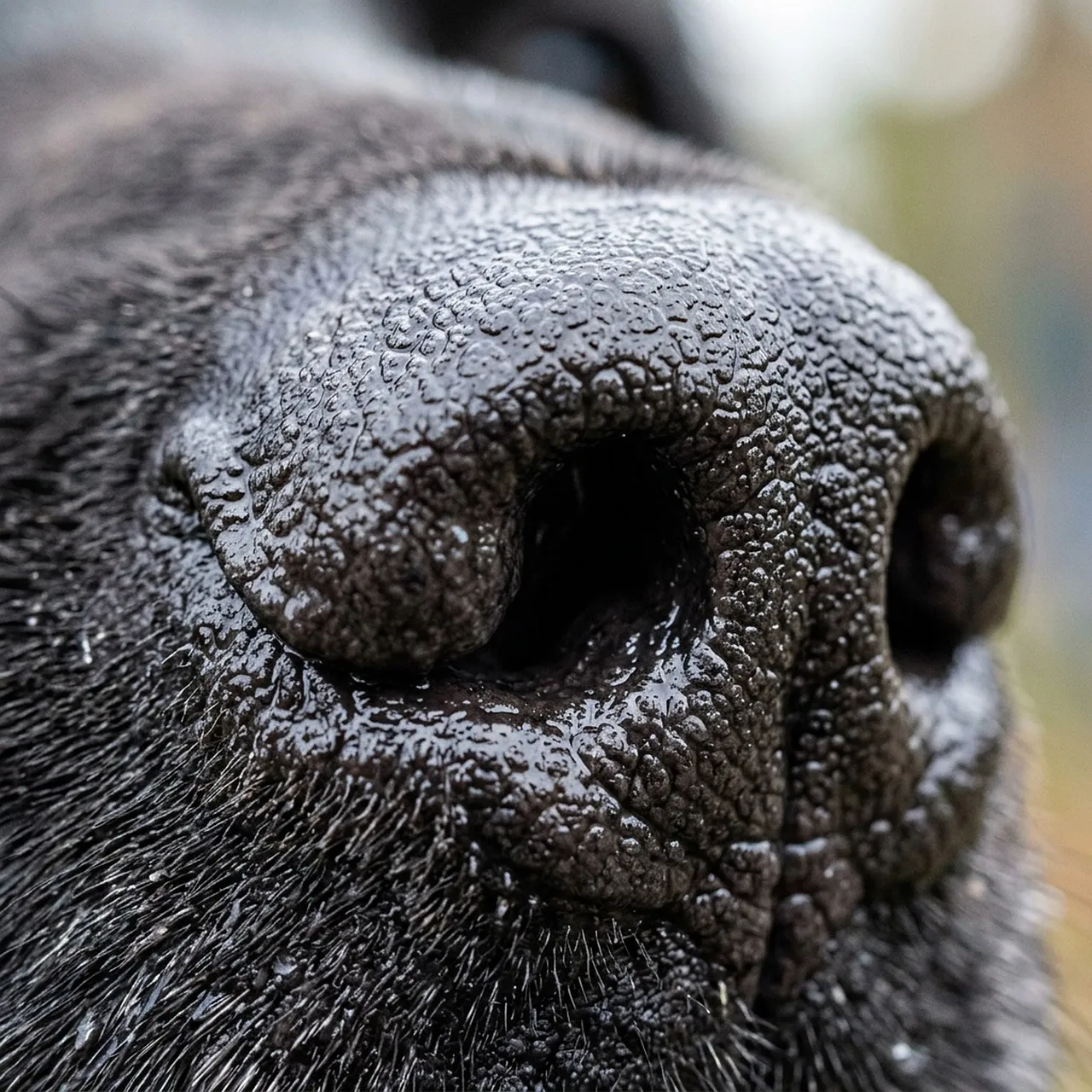
An owner’s scent activates the parts of a dog’s brain associated with pleasure, according to brain-imaging research. That warm cushion you just vacated is essentially a concentrated source of your smell, and to your dog, that’s something genuinely desirable.
When dogs were presented with five different scents during an fMRI scan, the caudate nucleus, which is associated with reward processing and positive expectations, was activated more strongly by the familiar human scent than by any other category. Your seat isn’t just warm. It’s neurologically rewarding for your dog to be near it.
The resting place of a human companion represents safety and security to a dog. By settling into a cushion you recently occupied, which carries your scent, the dog feels that all is well in the world.
Dogs Are Hardwired Opportunists
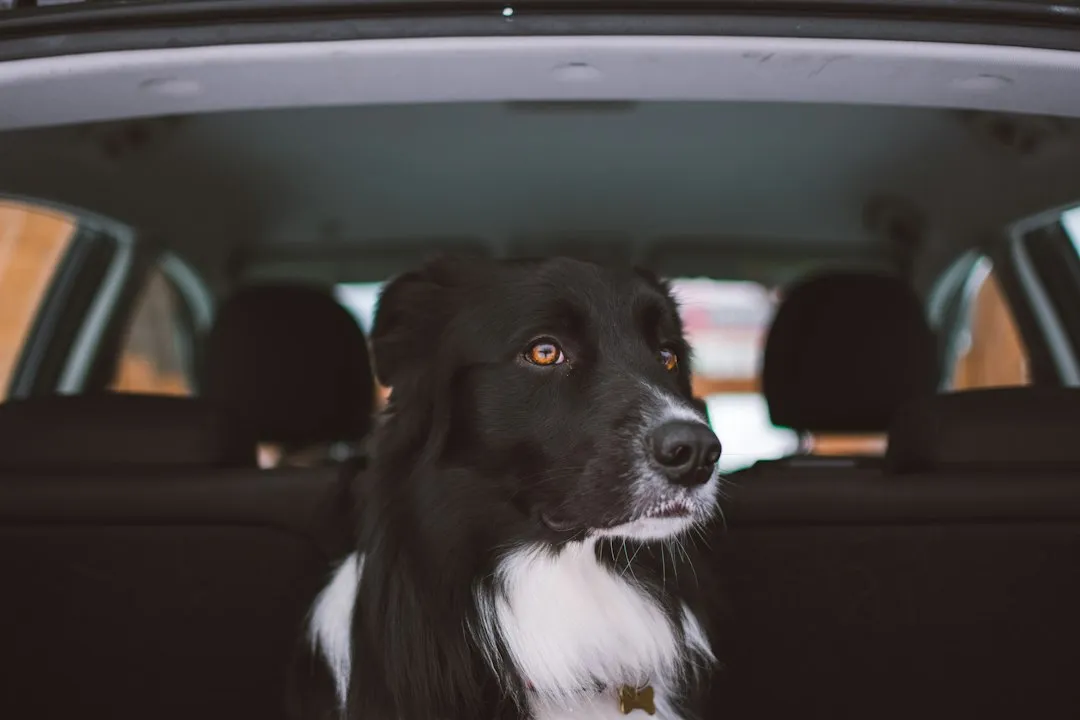
One core reason dogs steal your spot is that, in their eyes, the area is now unclaimed. It doesn’t matter that you’ve been sitting there all afternoon. The moment you rise, your dog perceives it as a golden opportunity. To them, you’ve made your move and surrendered your claim.
Dogs are always scanning for potential rewards, and your seat offers several perks that are simply too irresistible to ignore. This is natural foraging and opportunistic thinking, traits that have served dogs well across thousands of years of co-evolution with humans.
Comfort and Warmth Are Real Factors
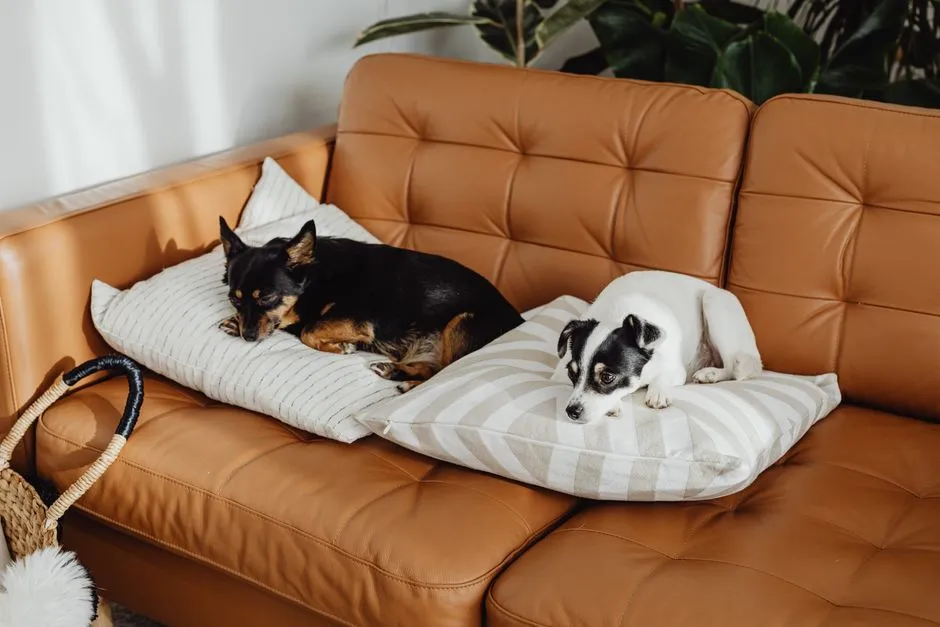
Dogs may seek out a recently vacated seat because it retains body heat, offering warmth, especially in cooler environments. A freshly warmed cushion is genuinely more comfortable than a cold patch of floor, and dogs are not above appreciating that.
Soft, supportive surfaces are simply more appealing to a dog’s bones and joints, particularly for older dogs or those with arthritis. Your seat, often more cushioned than the floor, provides superior comfort. It’s less about stealing and more about being sensible.
There’s always the possibility that your dog steals your spot for the same reason you habitually sit there: it’s more comfortable. It may be more broken in than other seats, or perhaps it catches a nice sunbeam in the afternoon. Many dogs will simply move to more comfortable seating when the opportunity arises.
It’s a Display of Affection and Bonding
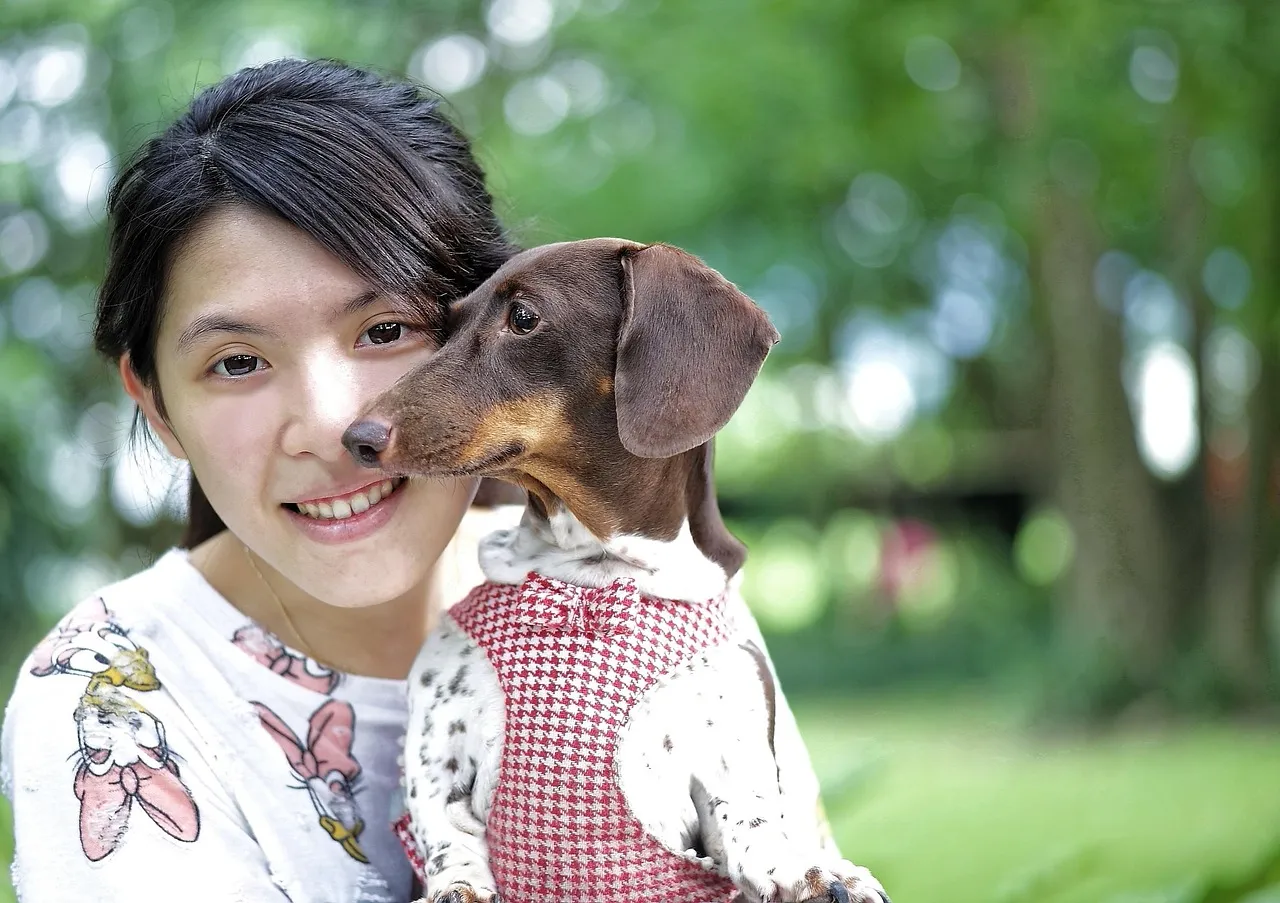
More often than not, stealing your seat is a display of affection. Dogs are pack animals who crave closeness to their group, and your seat offers a prime opportunity to be near you and immersed in your scent.
It’s a potent demonstration of the bond pets can have with their caregivers and a strong sign of affection. Seen through that lens, the whole seat-theft situation becomes considerably more endearing.
It Can Signal Mild Separation Anxiety
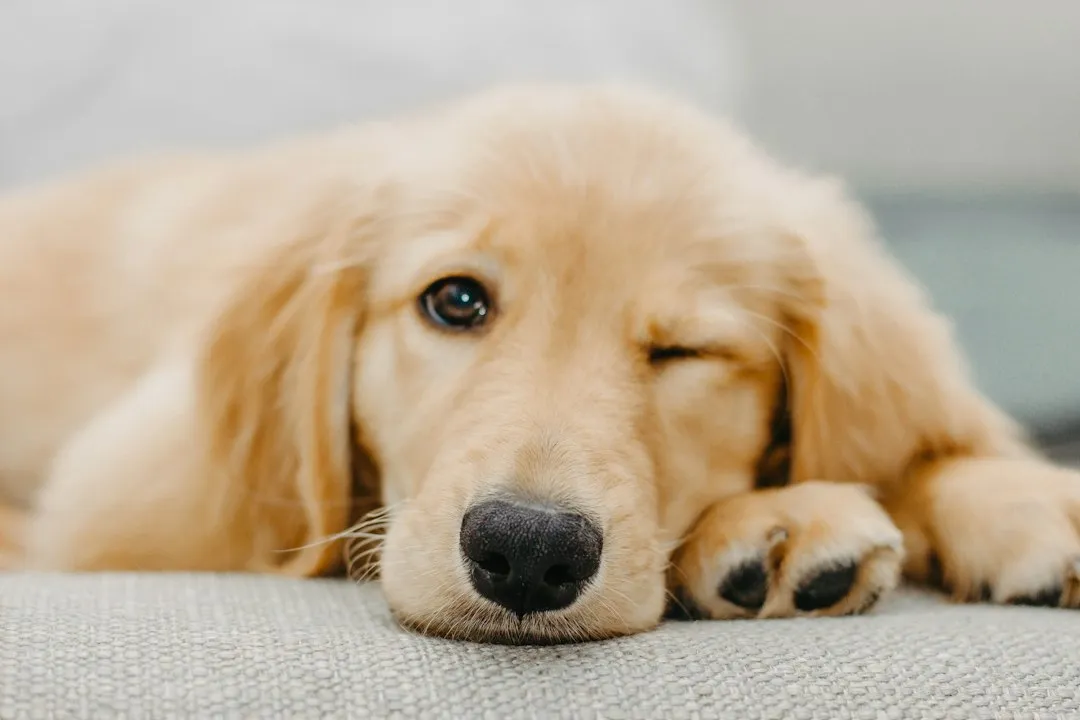
In more anxious dogs, sitting in your spot might also be a form of separation anxiety. When you leave the room, even briefly, some dogs feel a degree of unease and seek out something that smells like you as a form of self-comfort.
The share of dogs that struggle when left alone has climbed since 2020, and the gap between what owners report and what veterinarians diagnose has only widened. Seat-stealing in anxious dogs is often one of the milder signs of this broader pattern.
Separation-related behaviours in dogs often indicate poor welfare. Understanding the risk factors behind them can aid prevention strategies. If your dog’s seat-stealing is paired with vocalizing, pacing, or destructive behavior, it’s worth a conversation with a vet.
The Attention-Seeking Game
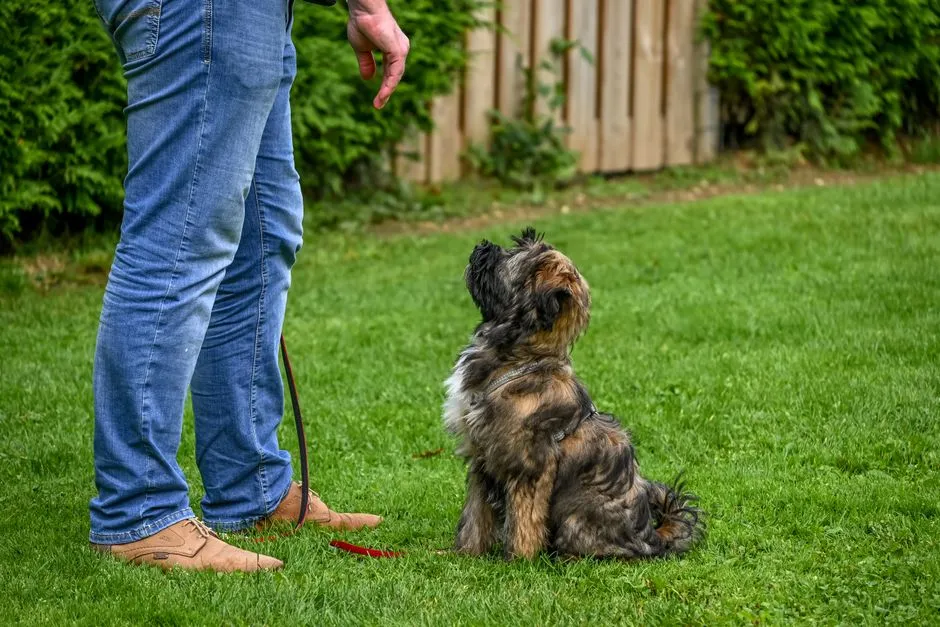
The most simple answer may be that your dog is craving attention. If you’ve been watching TV for a while and then leave the room, they might feel a little desperate. Your pet might swipe your seat because they know it’ll grab your attention, redirecting you away from whatever you were doing.
Seat stealing can truly be a learned behavior. If your dog often steals your seat and you give them pets and snuggles for being a “little rascal,” they might associate stealing your seat with ear scratches, belly rubs, and more. They might genuinely think attention is their reward for snagging your spot.
Crumbs and Food Smells Play a Role
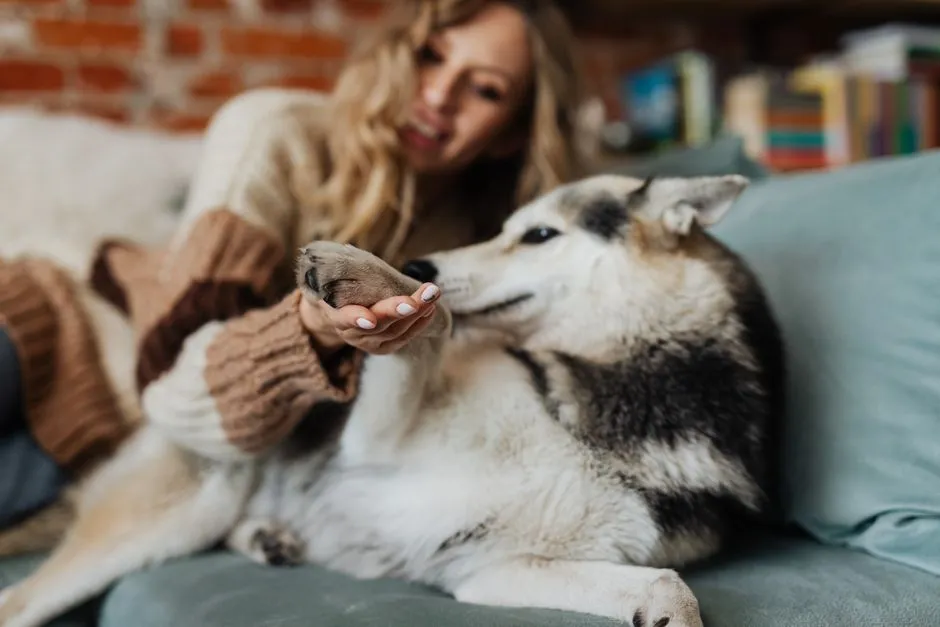
From your dog’s perspective, your seat isn’t just warm and cozy. It’s likely a buffet platter made of upholstery. Whether it’s popcorn, chips, or crackers, tiny bits of food inevitably fall when you’re eating on the couch. While you may not notice them, your dog definitely does. Small crumbs may therefore be a driving force behind your dog readily inspecting your sitting area the moment you get up.
Dogs have a sense of smell estimated to be tens of thousands of times more sensitive than ours. What looks like an empty, clean cushion to you is practically a scent archive of every snack you’ve ever eaten there. The motivation to investigate is completely understandable from their point of view.
The Elevated Vantage Point Has Value
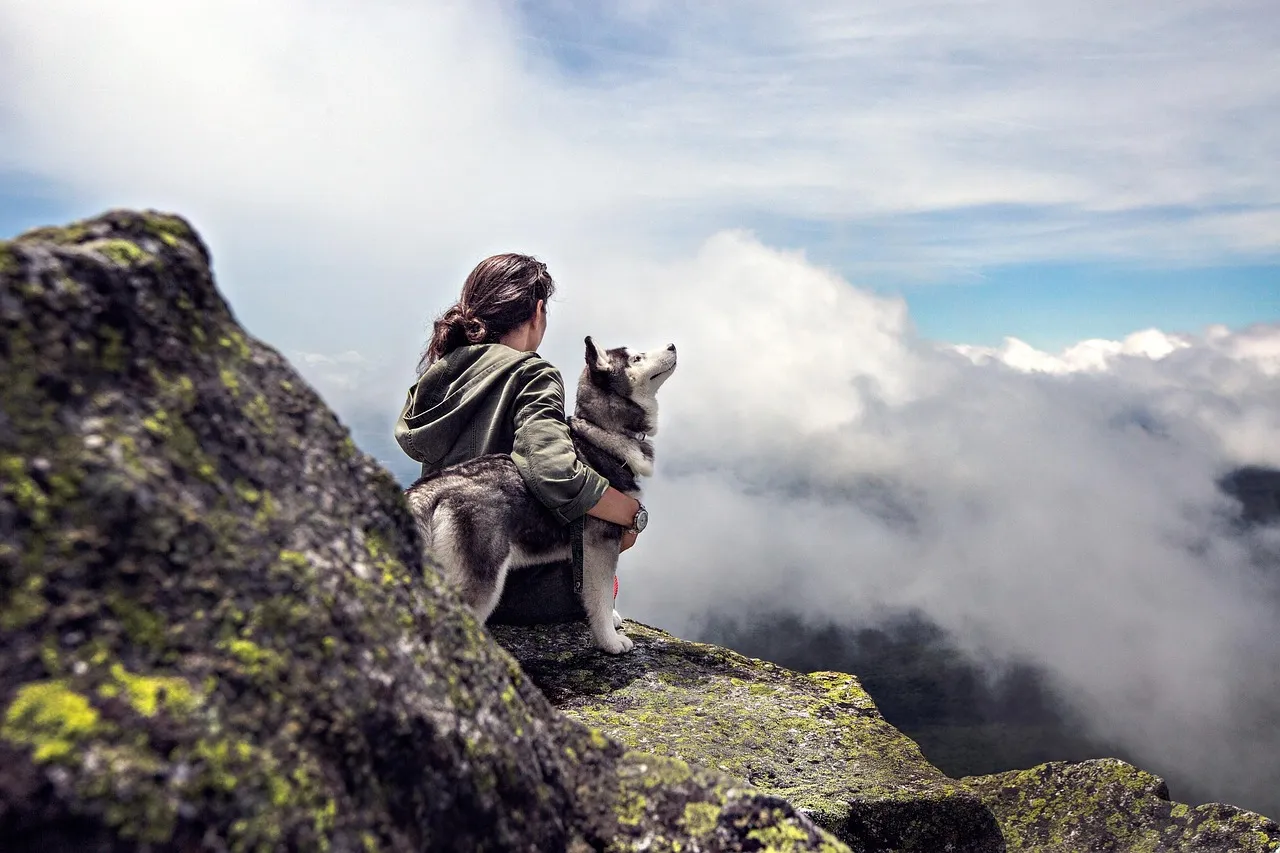
Sitting up higher allows a dog to observe their surroundings more effectively. A seat offers a strategic vantage point for monitoring activity in the home and keeping an eye on their beloved humans. This is a practical instinct with roots in how dogs watch over their group.
Dogs may also want to “protect” your area from invaders, such as houseguests. Being in your spot puts them in a position to notice and respond to whatever is happening in the room. It’s watchful, not manipulative.
It Has Nothing to Do With Dominance
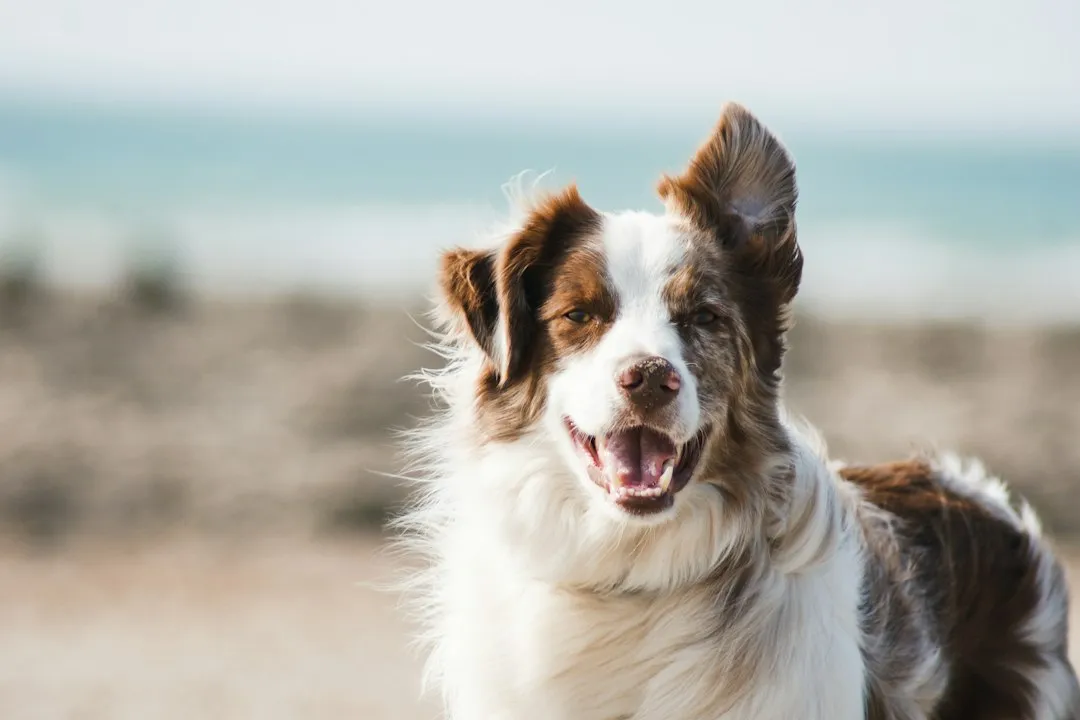
The dominance idea has spread widely over the past decades and still persists despite modern research proving its flaws. Don’t make the mistake of thinking anything your dog does is fueled by a desire to call the shots. The whole dog dominance concept is based on outdated studies and is as flawed as thinking that a toddler is hatching a plan to establish a regime in your living room.
It’s not about dominance. It’s dog psychology. Contemporary animal behaviorists are fairly unified on this point. Dogs are motivated by comfort, scent, reward, and attachment. Power plays simply don’t feature in the picture.
You Can Gently Redirect the Behavior
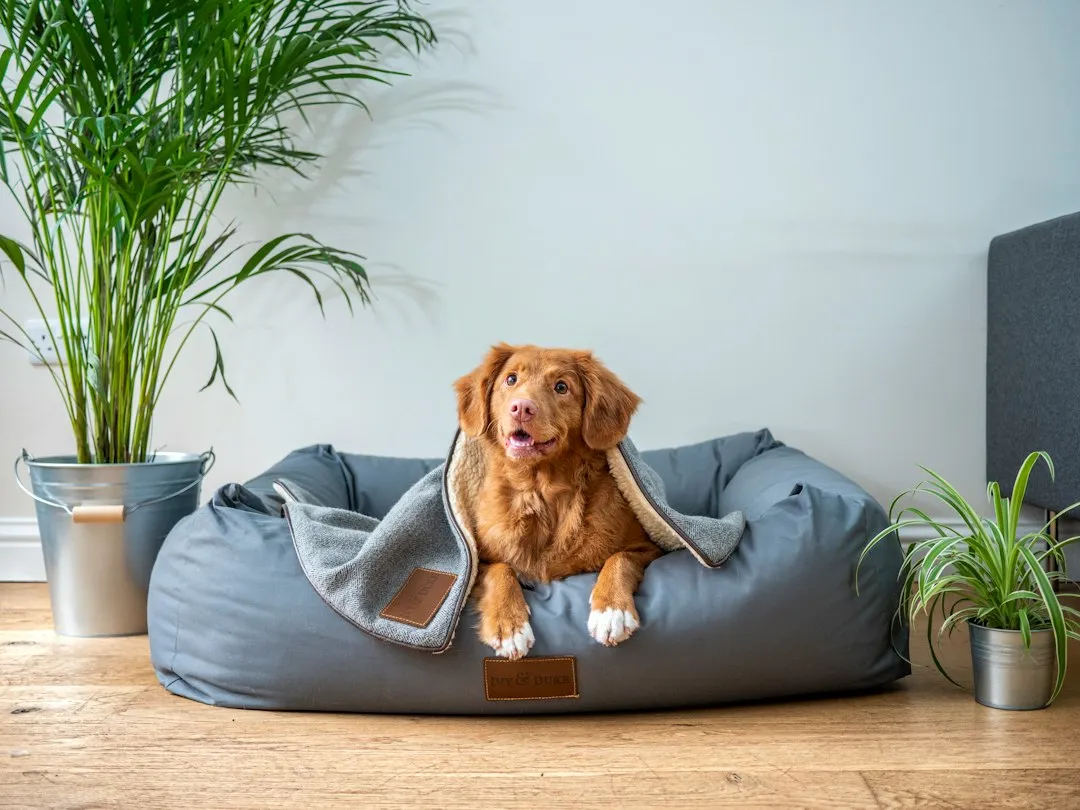
Dogs have many good reasons to steal your spot, but you can train them to get off and offer them another sleeping spot, such as a mat or dog bed. The key is consistency and making the alternative genuinely appealing.
If you think your dog likes your spot simply for comfort purposes, it may be worth making other spots more comfortable by adding or removing pillows and blankets, adjusting blinds and vents, and other ways to improve the comfort of other spots. A dog that has a truly cozy alternative is far less likely to keep gravitating toward yours.
Avoid accidentally rewarding the behavior by laughing, cuddling, or fussing over your dog every time they take your seat. That reaction is exactly what keeps the habit alive. Calm redirection and a well-placed dog bed can quietly solve the whole thing over time.
The Takeaway
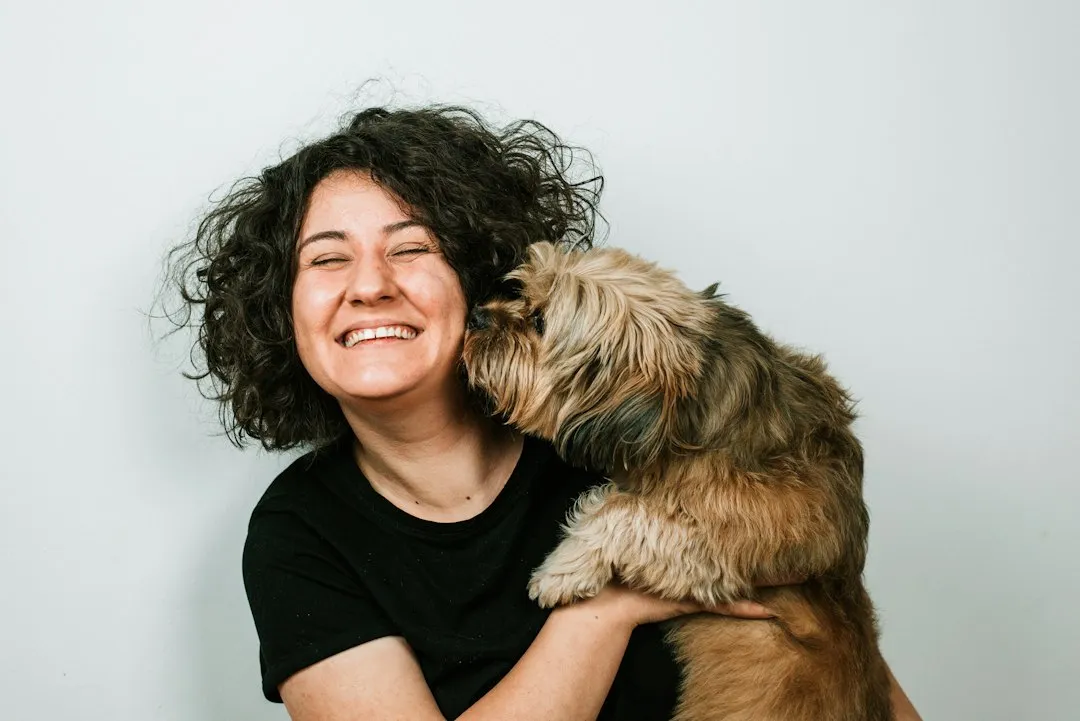
Your dog isn’t plotting against you. They’re not asserting authority or testing your patience. They’re drawn to a warm, scent-rich, elevated, comfortable spot that, in their experience, has always been associated with the person they most want to be near. That’s a pretty uncomplicated kind of affection.
The science behind it, from fMRI brain studies to behavioral research on separation and bonding, consistently points in the same direction: this behavior is driven by proximity, warmth, and attachment. Understanding that doesn’t make it any less inconvenient when you want your seat back. But it does put the whole thing in a softer light.
AI Disclaimer: This article was created with the assistance of AI tools and reviewed by a human editor.