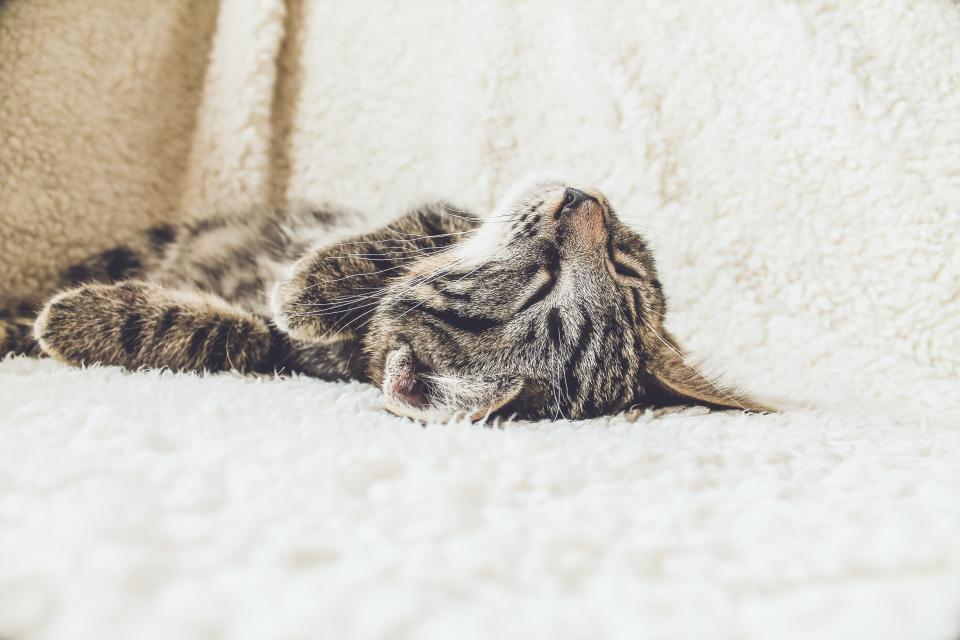

The Numbers: Just How Much Do Cats Really Sleep?
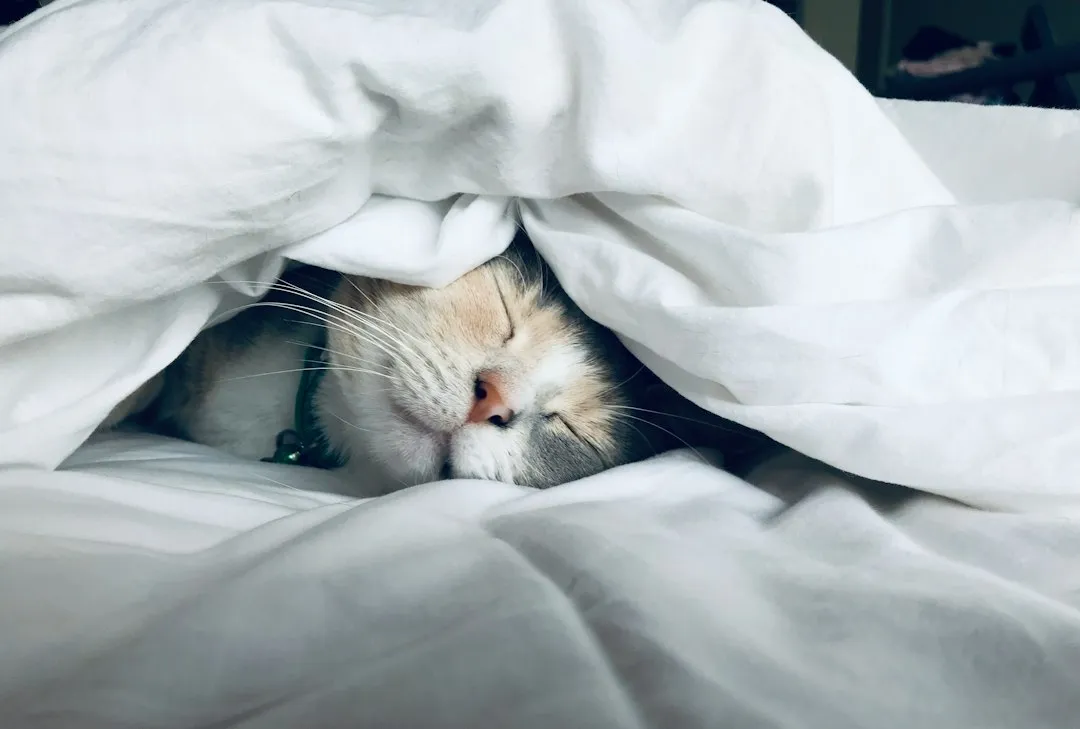
Cats sleep a lot, typically between 12 and 16 hours a day, because they’re natural predators that conserve energy between bursts of activity. That’s not an exaggeration for effect. It’s the verified baseline figure that vets and sleep researchers consistently land on.
More than half of cats sleep between 12 and 18 hours a day, and nearly 40 percent of cats sleep more than 18 hours per day. When you do the math on that, your cat essentially spends two-thirds of their life asleep.
Cats are polyphasic sleepers, taking that total in a run of separate bouts rather than one long stretch. The Sleep Foundation, drawing on published sleep research, puts a typical nap at around 78 minutes, with bouts commonly ranging from under an hour to nearly two.
It Starts With the Predator Blueprint
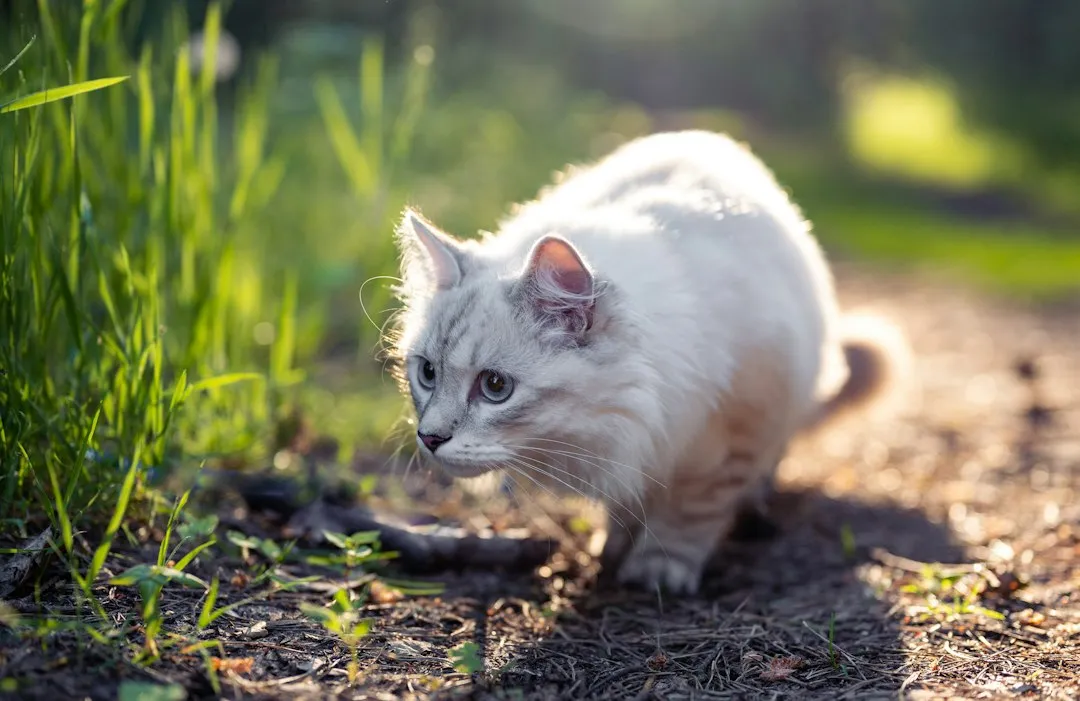
Cats are obligate carnivores that evolved to eat protein-rich meals after successful hunts. In the wild, hunting requires explosive bursts of energy: stalking, chasing, pouncing, and killing. This isn’t a leisurely activity. It’s high-intensity interval training, and it’s exhausting.
Carnivores expend greater amounts of energy than omnivores or herbivores searching for food. As true carnivores with nutritional requirements of animal protein, cats need bursts of energy to hunt and catch prey. The energy bursts are like sprints or high-intensity interval training, which cannot be sustained for long periods.
Your domesticated house cat still carries that biological wiring. Even though their “hunting” now involves chasing a crinkly mouse toy toward their food bowl, their body doesn’t know the difference. They sleep to conserve energy for the next burst of activity.
The Metabolism Behind the Nap
Cats sleep 12 to 18 hours per day because obligate carnivore metabolism demands it: protein-dependent gluconeogenesis is more energy-intensive than carbohydrate metabolism, requiring extended recovery periods between activity bursts.
The feline metabolism is uniquely adapted to process high-protein diets efficiently. Processing meat requires significant energy expenditure, and sleep provides the optimal state for digestion and nutrient absorption. During rest, cats can dedicate metabolic resources to breaking down complex proteins and rebuilding muscle tissue.
Carnivores and omnivores, which tend to have more sleep than predicted on the basis of body mass alone, may make more use of the energy-conservation aspects of sleep because their generally safe sleep places and ability to eat meals with high caloric density may make continuous activity unnecessary.
Light Sleep vs. Deep Sleep: What’s Actually Happening
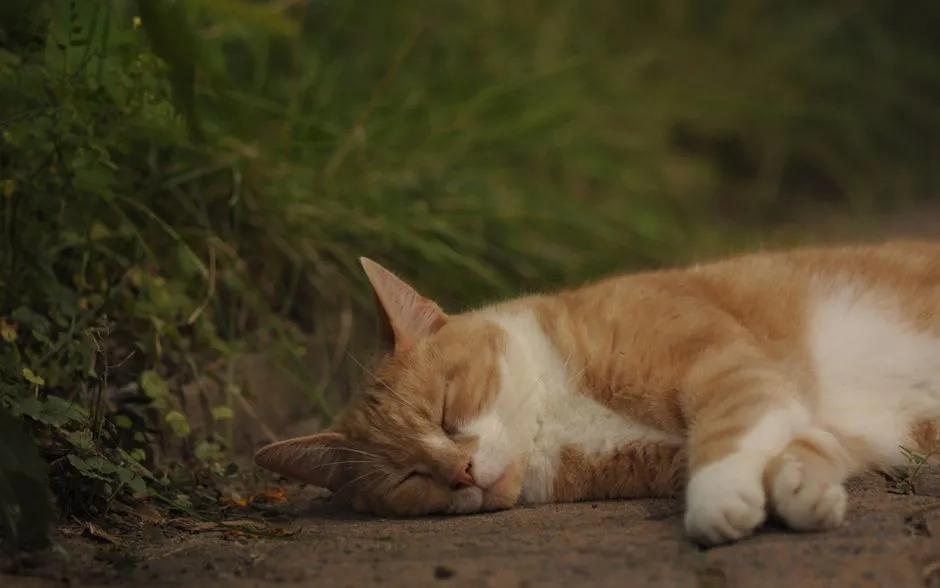
Cats aren’t fully asleep most of the time. In light sleep, which accounts for roughly three-quarters of their rest, their ears twitch and they can wake up instantly. They’re essentially resting their eyes while monitoring the environment. Deep sleep, making up about one quarter, is when they dream, twitch their paws, and are hard to wake up.
Cat sleep follows a precise 104-minute cycle containing 79 minutes of sleep across four brain states: awake, light slow-wave sleep, deep slow-wave sleep, and REM, with approximately one-third of total sleep time spent in REM.
NREM sleep may help the body recharge and conserve energy, while REM sleep can help regulate emotions and other recovery processes. These two phases aren’t separate luxuries. They’re a coordinated system, each doing work the other can’t.
Do Cats Actually Dream?
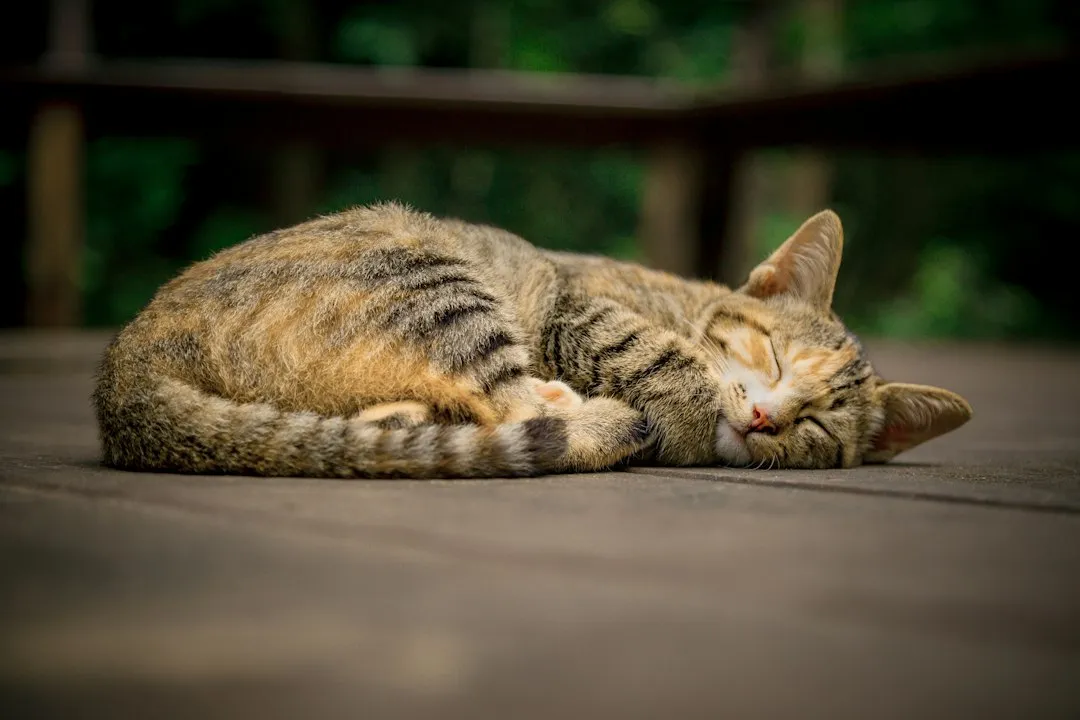
REM is the stage of sleep where the brain lights up with electrical activity. Research has shown that cats, and most mammals, cycle between REM and NREM sleep just as humans do.
Researchers have observed cats appearing to act out their dreams while in REM sleep. Because cats experience REM sleep, researchers have surmised that they can and do dream. Those paw twitches and whisker flickers you see during a deep snooze are almost certainly the result of that process playing out.
REM sleep plays a crucial role in memory consolidation, learning, and emotional health in many animals, including cats. During REM sleep, the brain processes information gathered throughout the day, helping your cat stay sharp and emotionally balanced.
The Crepuscular Clock: Why Cats Nap All Day
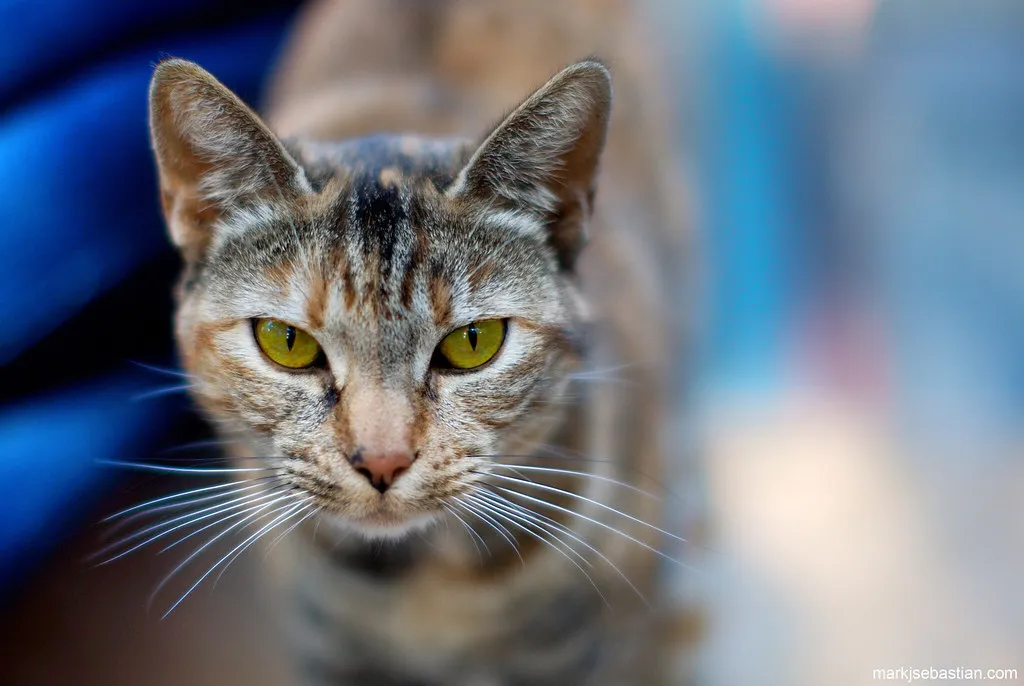
Cats are not night owls. They’re crepuscular, meaning they’re most active during twilight hours, at dawn and dusk. This timing isn’t random. In the wild, their prey, things like rodents and birds, are also most active at dawn and dusk.
Cats follow a polyphasic sleep pattern, meaning they have multiple periods of sleep throughout a 24-hour day. Unlike humans, who are diurnal and have a biphasic sleep pattern tied to the night, cats are crepuscular, meaning they are most active during dawn and dusk. This natural rhythm explains their tendency to sleep intermittently throughout the day and night.
So when your cat wakes you up at 5 AM, seemingly out of nowhere, that’s not bad behavior. That’s their internal predator clock running exactly as designed, now just slightly inconvenient for everyone else in the house.
How Age Changes Everything
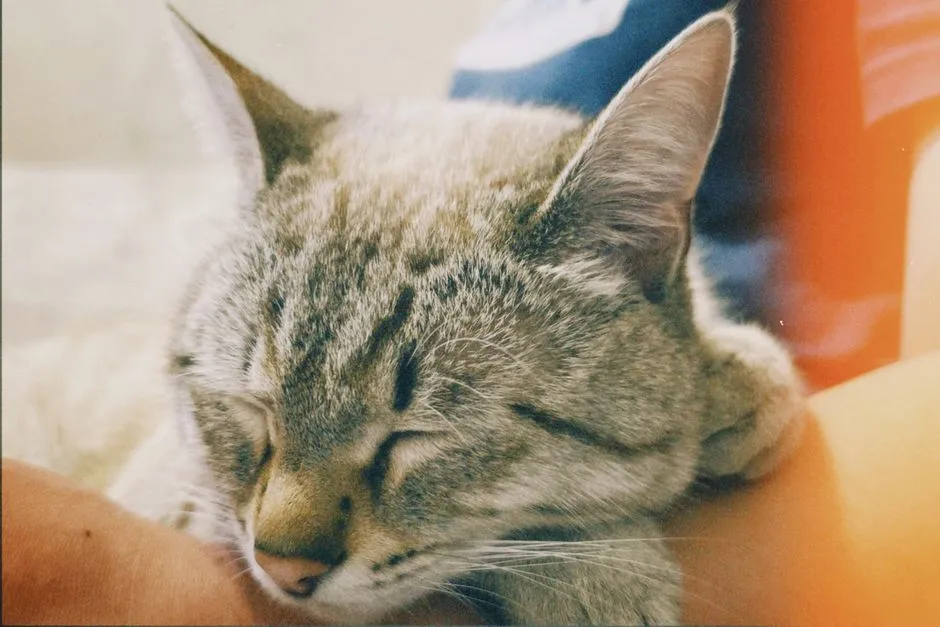
Adult cats typically sleep 12 to 16 hours per day. Kittens sleep up to 20 hours, which is needed for growth hormones to do their work. Senior cats sleep 18 to 20 hours, due to a slower metabolism.
According to multiple veterinary and sleep research sources from 2024 to 2025, newborn kittens sleep more than 20 hours, while kittens from weaning through six months sleep 18 to 20 hours. Sleep also helps kittens grow by producing growth hormones, which are essential for physical development.
Senior cats tend to sleep more and move around less, especially as they start to experience mobility loss and other age-related health issues. A noticeable jump in sleep hours in an older cat is worth mentioning to a vet, since it can sometimes signal pain or cognitive changes rather than simply aging.
Indoor vs. Outdoor Cats: Does Environment Matter?
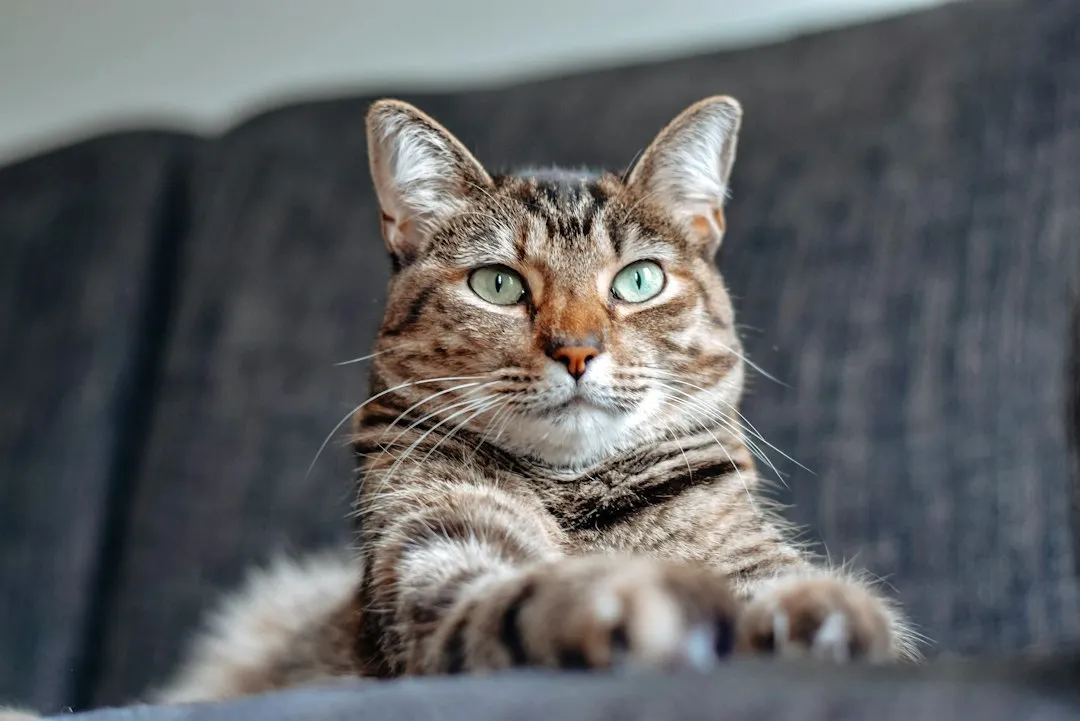
If there is nothing to hunt, cats sleep to pass the time. Indoor cats sleep more than outdoor cats simply because their environment is less stimulating. This is a real and measurable behavioral difference, not just a casual observation.
Indoor cats without adequate stimulation may default to sleep simply because nothing else is happening, a distinction between biological necessity and behavioral surplus that matters for welfare. Providing enrichment, puzzle feeders, and interactive play can help close that gap.
The takeaway for indoor cat owners is clear: if your cat seems to sleep excessively and shows little interest in play when awake, the environment may need more stimulation rather than the cat needing medical attention. Context matters before drawing conclusions.
The 2024 Sleep Regulation Discovery
The 2024 Eötvös Loránd University EEG study, the first of its kind for cats, confirmed that cat sleep follows the same two-process regulation as human sleep: a circadian process and a homeostatic process. This was a meaningful scientific milestone, establishing that feline sleep is regulated by the same fundamental architecture as ours.
Recent research reveals that cat sleep patterns are incredibly sophisticated, involving complex REM cycles that serve crucial biological and behavioral functions. The finding from Eötvös Loránd University reinforced the view that cats aren’t simply resting. They’re undergoing regulated, purposeful biological maintenance.
Separately, an international research team confirmed, after analyzing hundreds of cat videos, that most felines choose the left side for their nap-time positions. Specifically, scientists reviewed 408 YouTube clips of sleeping cats and found that two-thirds of them were curled up on their left flank. This side of the brain is specially equipped for spatial perception, processing threats, and coordinating fast escape movements.
When Excessive Sleep Becomes a Warning Sign
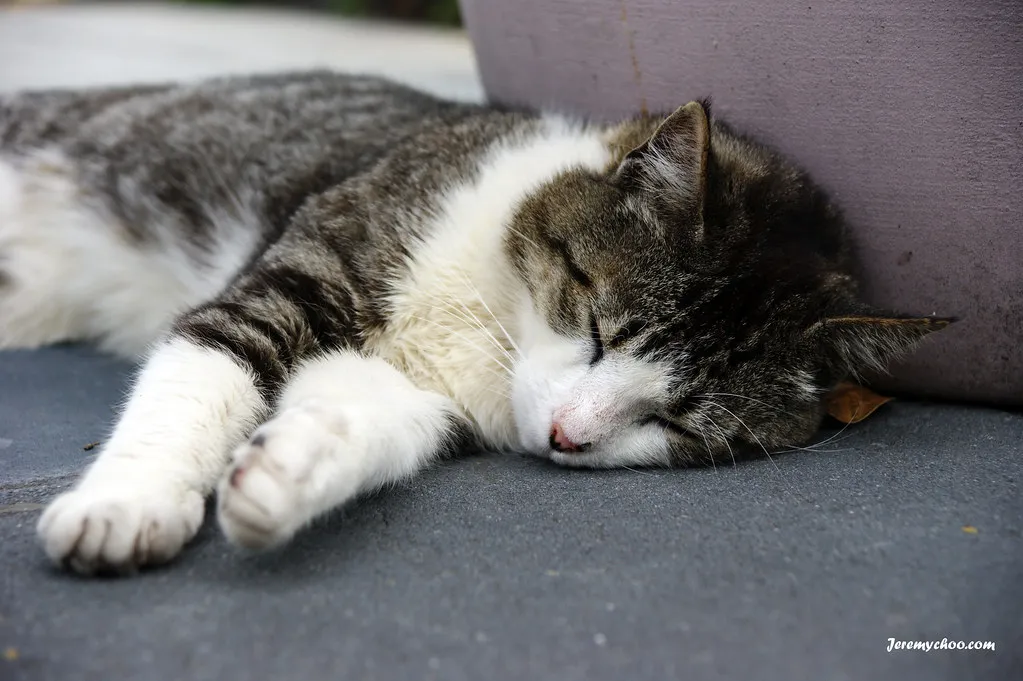
Sleep habits vary based on age, lifestyle, and health. Increased sleep can sometimes signal boredom, stress, illness, or injury. The key distinction is whether the extra sleep comes with other changes: less interest in food, reluctance to move, or unusual withdrawal.
Adult cats have more balanced sleep patterns, but sleep changes in adult cats may indicate health issues that should be monitored. A sudden shift in the middle-aged cat who usually plays in the evening is worth paying attention to.
Research shows that cats who get adequate sleep display better health outcomes, more stable moods, and better cognitive function than cats whose sleep is disrupted or insufficient. The flip side of that finding is worth keeping in mind: disrupted sleep is not neutral, and protecting your cat’s rest environment is a genuinely useful thing owners can do.
The Takeaway
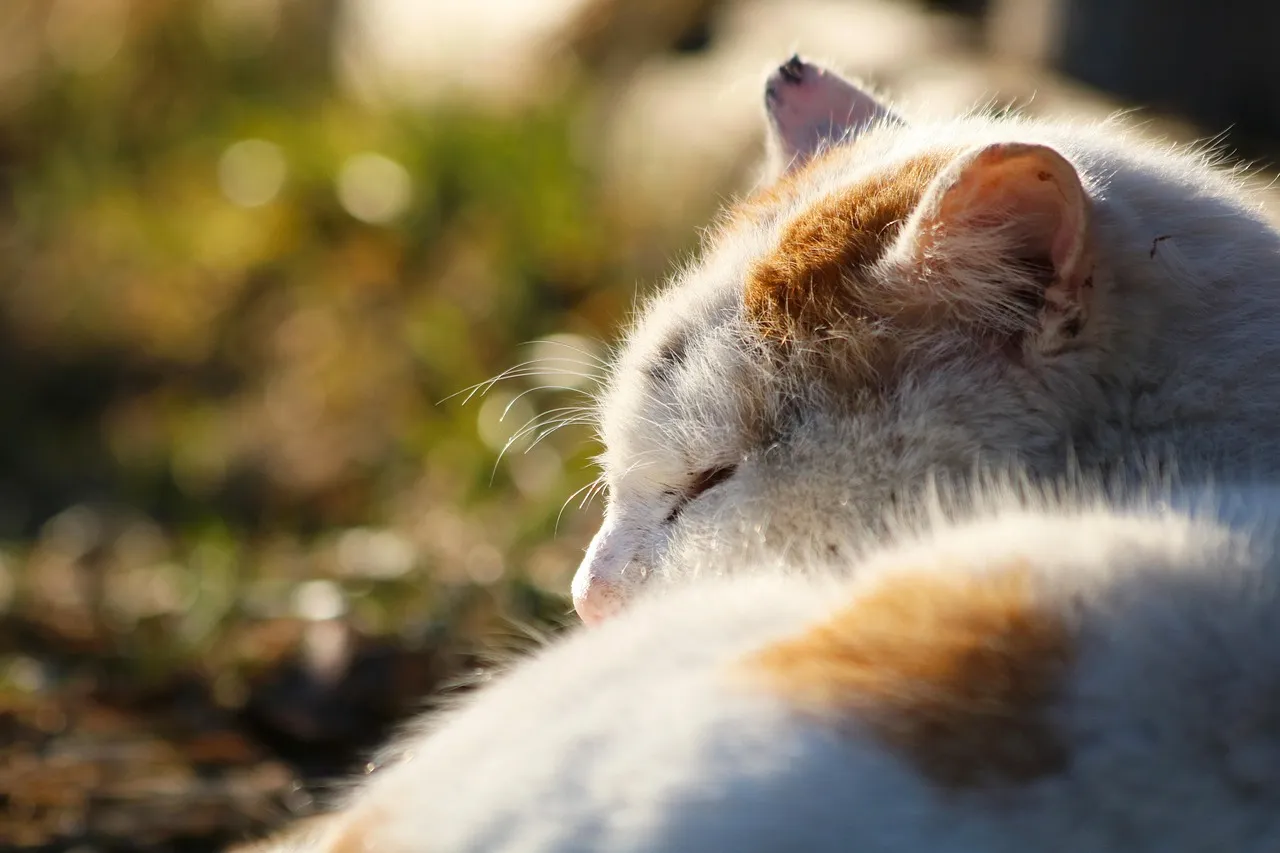
The extensive sleep requirements of cats represent an evolutionary optimization strategy rather than laziness. It’s the signature of a carnivore that evolved to be brilliant in short, precise bursts rather than continuously active throughout the day.
A cat sleeping 16 hours is not a broken animal. A cat sleeping 16 hours is an obligate carnivore maintaining the metabolic budget that evolution built for hunting many small prey per day in short, violent bursts, even though the closest thing to prey in a modern apartment is a feather wand.
There’s something quietly reassuring about that. Your cat’s long afternoons of sleep aren’t a sign of a life wasted. They’re a sign of a body doing exactly what it was built to do, in exactly the way it was built to do it.
AI Disclaimer: This article was created with the assistance of AI tools and reviewed by a human editor.