

The Culprit: Stomach Sleeping

Sleeping on your stomach is the position that puts the most pressure on your spine because it directly counters the natural curves of the spine and forces you to turn your neck. That combination alone is enough to cause problems, even for people who don’t currently have chronic pain.
According to Raymond J. Hah, MD, a spine surgeon with the USC Spine Center and part of Keck Medicine of USC, sleeping on your stomach is simply the worst position for your spine. That’s not a casual observation. It reflects the consistent consensus among orthopedic and spine specialists across multiple institutions.
What Happens to Your Spine When You Lie Face Down

When you sleep on your stomach, your torso naturally sinks deeper into the mattress because of its weight, which causes your back to arch and stretches your spine out of its neutral alignment. When your spine is not aligned, you experience stress and strain that may lead to aches and pains upon waking.
Stomach sleeping flattens the natural curve of your lower back. Your lumbar spine was designed to maintain a gentle forward curve, but when you lie face down, gravity pushes your abdomen into the mattress and extends your spine backward. Over time, that repeated extension adds up in damaging ways.
The Neck Problem That Makes It Worse

When you sleep face down, you have to rotate your head to one side just to breathe, and keeping your neck rotated for hours at a time places enormous strain on the cervical spine. This is one of the hardest aspects of the position to work around, because there is simply no way to breathe face-down without turning your head.
Turning your head to the side for breathing can misalign your neck and upper spine, compounding the discomfort already created by lower back strain. Essentially, the position creates two separate problems at the same time, one at the bottom of the spine and one at the top.
The Research Behind the Warning

A 2025 systematic review published in Musculoskeletal Care evaluated the relationship between sleeping postures, including supine, prone, side-lying, and variable positions, and low back pain. Researchers searched through PubMed, Scopus, and ScienceDirect and included observational studies from 2005 to 2024. The review found that the supine position supports spinal alignment and is associated with lower low back pain prevalence, while prone sleeping increases low back pain risk due to lumbar strain.
A 2024 cross-sectional study published in Cureus enrolled 375 consecutive patients with chronic low back pain. Of those, the majority reported sleeping in a side-lying position, followed by the supine position and then the prone position. When it came to avoidance, nearly half of all participants actively avoided the prone position due to pain, making it the most commonly avoided position in the group.
How Common Is Stomach Sleeping, Really?

Stomach sleeping, known medically as the prone position, is one of the least popular sleep positions. Various surveys and studies show that only roughly one in ten to one in five people prefer sleeping on their stomach. That may seem like a small share, but it still represents millions of people whose spines are under stress throughout the night.
Research also found a negative correlation between age and preference for the prone position, which suggests that people naturally shift away from stomach sleeping as they get older, possibly because the pain feedback becomes harder to ignore.
The Disc Recovery Problem
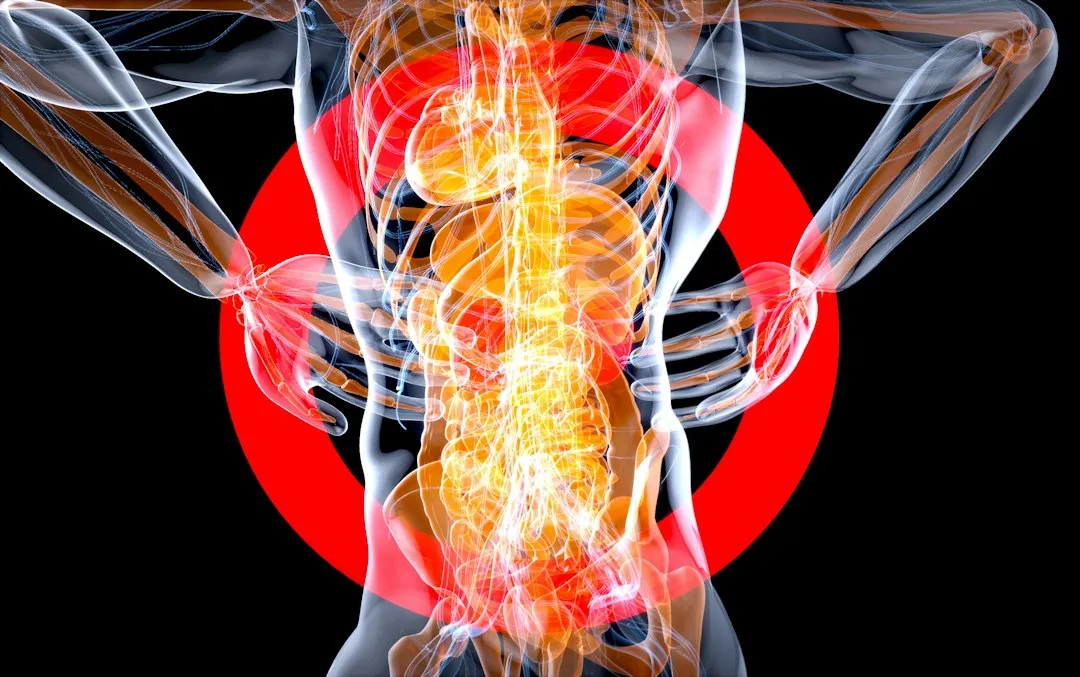
Sleep is essential for allowing the body’s muscles and intervertebral discs to recover from continuous loading throughout the day. Intervertebral disc volume actually increases during the night, regenerating the discs’ ability to support compression the following day. This recovery process is most efficient when the spine is allowed to remain in a neutral position.
Stomach sleeping essentially robs the spine of this repair window. Instead of resting in a neutral alignment that allows discs to rehydrate and recover, the lumbar spine is held in a strained extension for hours. Night after night, that lost recovery time accumulates.
Shoulder and Arm Complications

Sleeping on your stomach also extends your neck backward, which compresses the spine and can lead to a tingling sensation as your arm falls asleep from constricted blood flow and compressed nerves. It’s a common complaint among stomach sleepers who wake with numb hands or buzzing fingers.
Stomach sleeping also compresses nerves in the arms and shoulders. Stomach sleepers frequently wake up with numb hands or tingling in the arms because they often sleep with their arms tucked under their head or pillow, compressing the brachial plexus. This isn’t just uncomfortable, it’s a signal that circulation and nerve function are being repeatedly disrupted.
Who Is Most at Risk
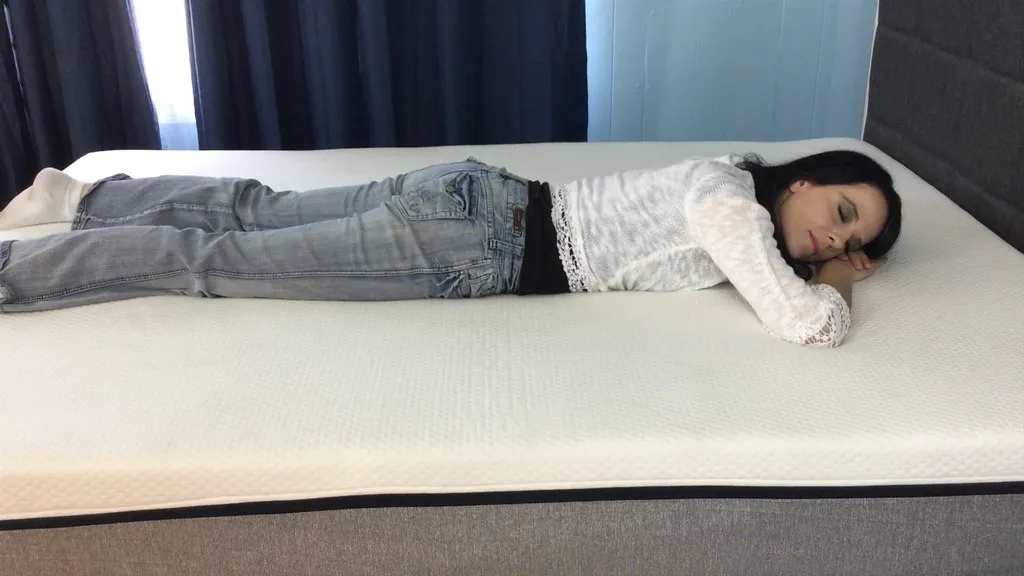
The lower back suffers particularly in this position because the belly sinks into the mattress and forces the lumbar spine into excessive extension. For people who already have disc issues, neck problems, or lower back pain, stomach sleeping can significantly worsen symptoms.
A 2025 PLOS One study found that poor sleep quality is both a symptom and a perpetuating factor of chronic low back pain. Back pain and poor sleep exist in a cyclical, self-reinforcing relationship. Pain disrupts sleep quality, and poor sleep lowers pain thresholds. For stomach sleepers already dealing with back issues, this cycle can be particularly hard to break.
The Best Alternatives Doctors Recommend

Back sleeping allows your head, neck, and spine to rest in a neutral position, which can reduce pressure points and minimize back or neck pain. For those with chronic lower back issues, the addition of a pillow under the knees makes the position even more supportive.
If you prefer sleeping on your side, drawing your legs up slightly toward your chest and placing a pillow between your legs can help align your spine, pelvis, and hips. This position takes meaningful pressure off the spine. Side sleeping can be either protective or harmful depending on alignment, which is where mattress selection and pillow choice become clinically important.
How to Actually Change Your Sleep Position

If you’re a regular stomach sleeper who wants to change positions, it can be done. A few well-placed pillows can serve as bumpers that keep you from turning onto your stomach during the night, and over time, you can train your body to remain in a side or back position.
Breaking the stomach-sleeping habit takes time and a little patience. Placing a pillow under your abdomen rather than under your head can reduce lumbar strain during the transition period if you truly can’t avoid it right away. Side sleeping is a helpful middle ground between stomach and back sleeping, allowing the body to adjust gradually to a new position.
The Takeaway

Your spine spends a third of your life in whatever position you choose to sleep in. That’s not a trivial amount of time, and the cumulative effect of a poor position is real and well-documented. If you have chronic low back pain and sleep on your stomach, the evidence strongly supports transitioning to a side or back position.
The transition won’t happen overnight, and that’s fine. A few strategic pillow placements, some patience, and a gradual shift toward side or back sleeping can go a long way toward giving your spine the rest it actually needs. The mornings-without-pain version of you is worth the short-term adjustment.
AI Disclaimer: This article was created with the assistance of AI tools and reviewed by a human editor.