
Tomatoes: The Lycopene Paradox
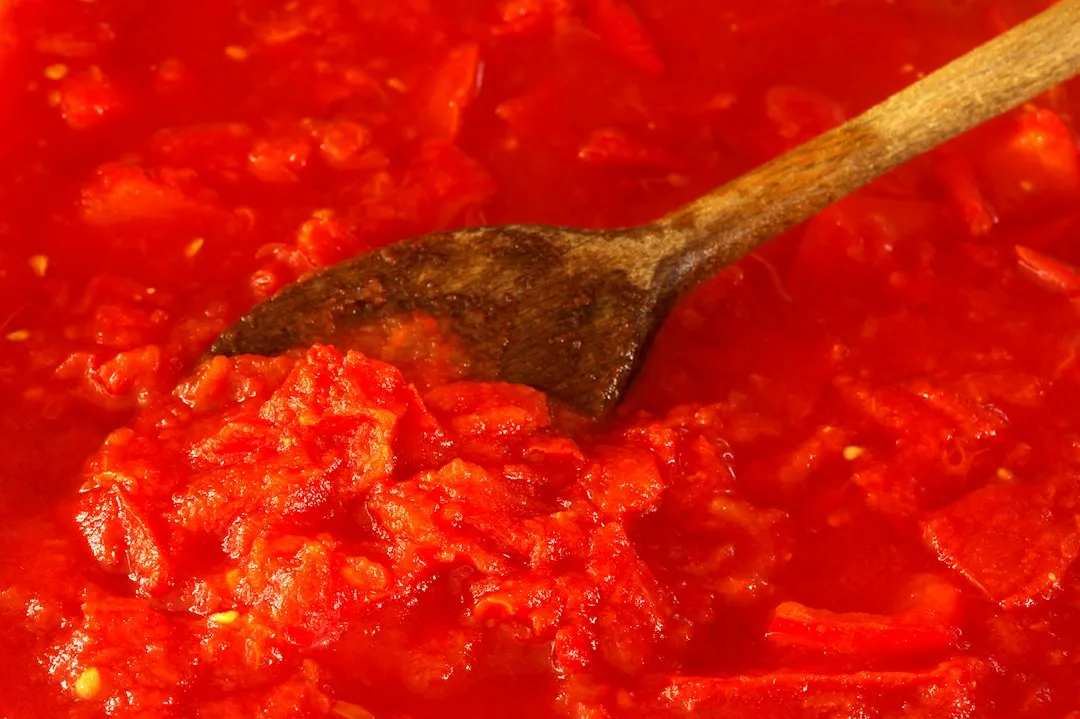
Raw tomatoes are healthy. Cooked tomatoes are, in a specific and well-documented way, even healthier. Cooking, using almost any method, greatly increases the antioxidant lycopene in tomatoes, and lycopene has been associated with a lower risk of a range of chronic diseases, including heart disease and cancer.
This increase in lycopene comes from the heat helping to break down the thick cell walls that contain key nutrients. Although cooking tomatoes reduces their vitamin C content by around twenty-nine percent, their lycopene content increases by more than fifty percent within thirty minutes of cooking.
The mechanism involves two sequential steps: heat breaks cell walls releasing lycopene from its crystalline matrix, then fat dissolves the freed molecule for intestinal absorption. In practical terms, that means a splash of olive oil in your tomato pan isn’t just for flavor. The oil group in one clinical study showed an eighty-two percent rise in plasma trans-lycopene.
Carrots: More Beta-Carotene, Less Effort
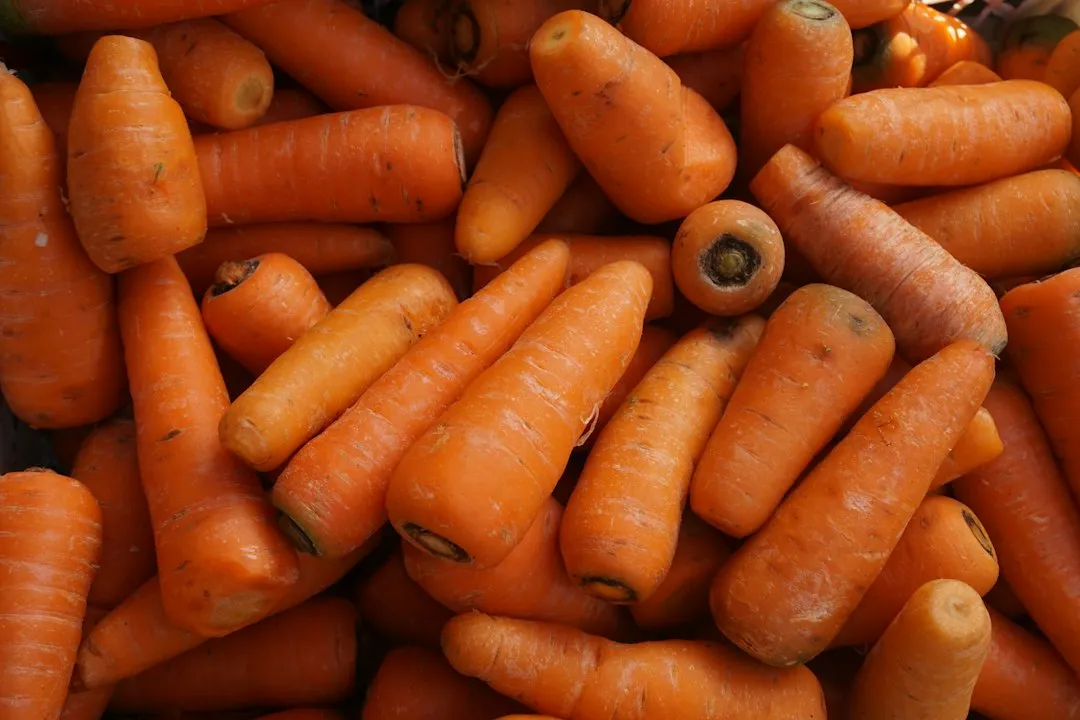
Cooked carrots contain more beta-carotene than raw carrots, which is a carotenoid that the body converts into vitamin A. Cooking carrots with the skins on more than doubles their antioxidant power.
That fat-soluble vitamin supports bone growth, vision, and the immune system. It’s a straightforward win. A study in the International Journal for Vitamin and Nutrition Research discovered much higher levels of phytonutrients in carrots cooked with less water, making microwaving an excellent option because this method heats the vegetable quickly with minimal water needed.
Another study published in the Journal of Food Science revealed that cooking carrots with the skins on can triple their overall antioxidant power. Whether you roast or boil them is largely a personal choice, but frying reduces carotenoid levels by around thirteen percent.
Spinach: Cooked Means More Minerals
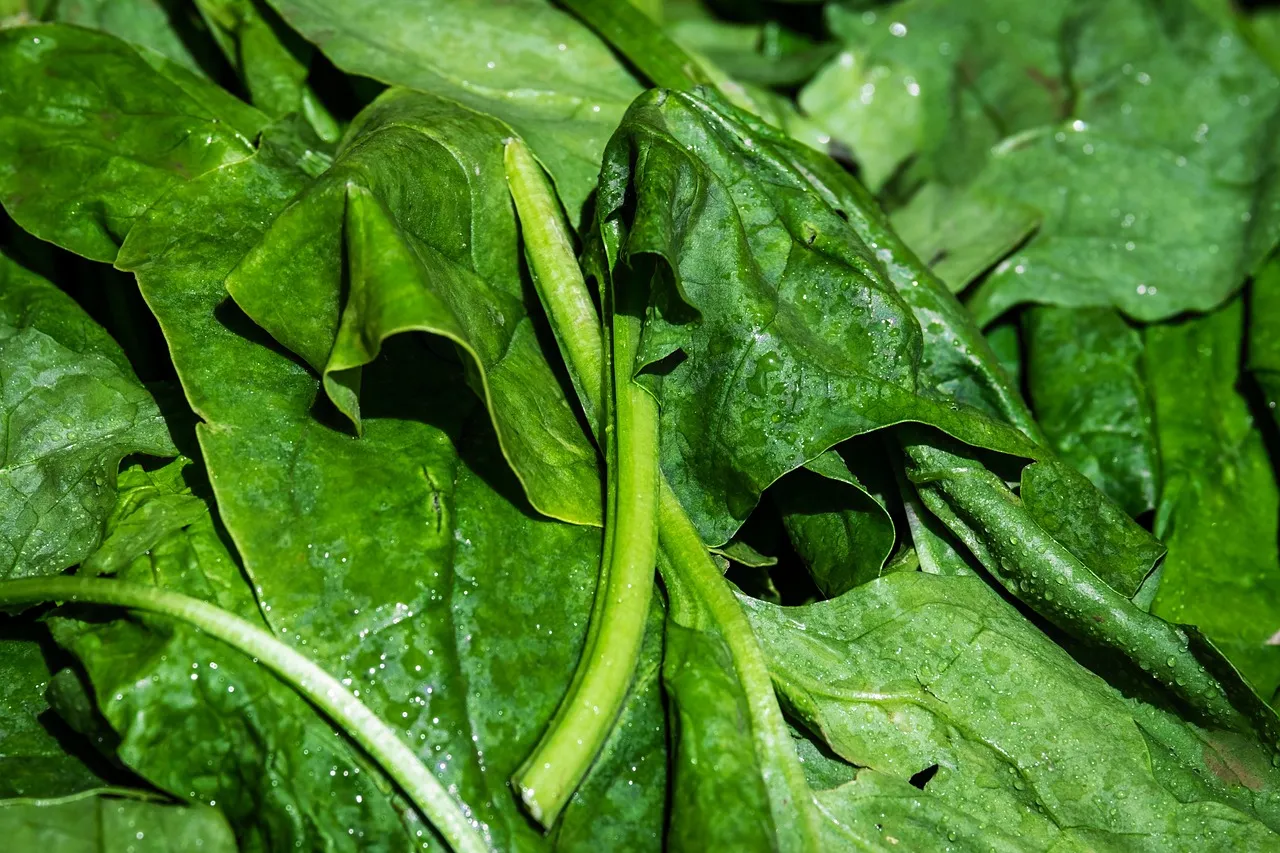
A study in the Journal of Agricultural and Food Chemistry showed that steaming spinach can reduce the vegetable’s oxalic acid, which interferes with your body’s absorption of iron and calcium, by up to fifty-three percent. That’s a significant difference, not a marginal one.
Research also suggests that steaming spinach maintains its levels of folate, or vitamin B9, which may reduce the risk of certain cancers. And consuming more cooked spinach means you’re likely to eat more of it, since it shrinks dramatically in volume, so you naturally end up with a larger serving and more total nutrients.
Broccoli: Timing and Method Both Matter
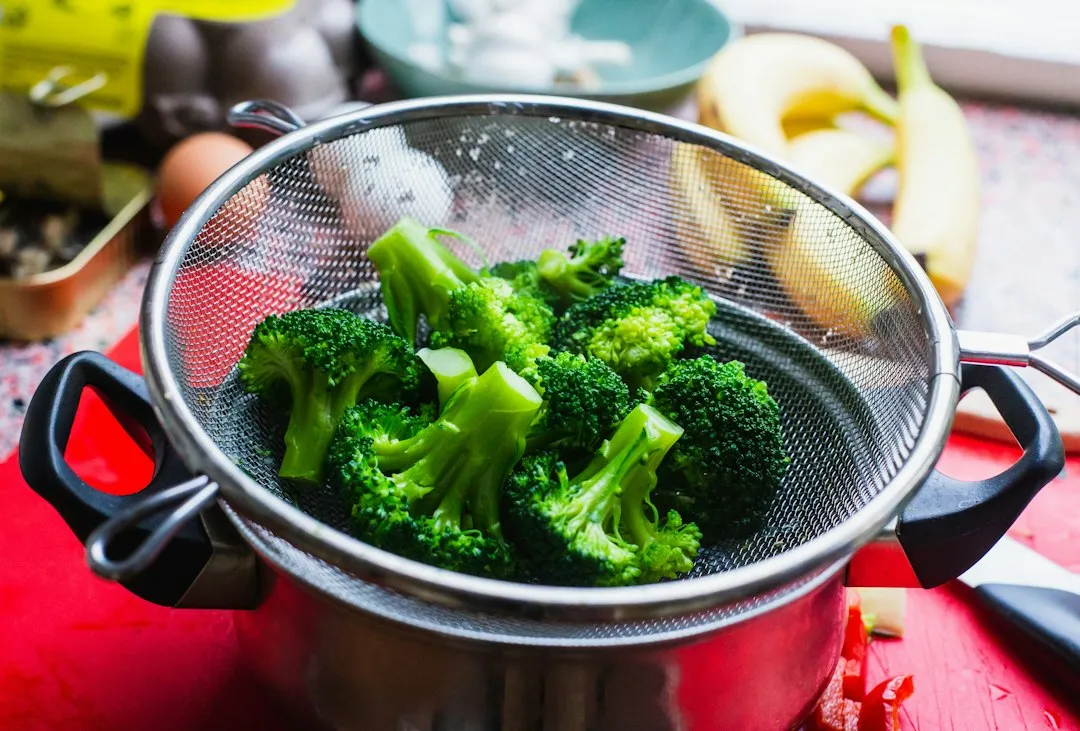
Research has found that steaming broccoli preserves both the vitamin C and myrosinase, and therefore the cancer-fighting compounds you can get from it. Boiling, by contrast, tends to leach those compounds into the water. The method you choose here is genuinely consequential.
Chopping broccoli and letting it sit for a minimum of forty minutes before cooking allows myrosinase to activate. Most people skip that step entirely. It takes almost no effort and meaningfully changes what ends up on your plate.
The compound sulforaphane, which forms almost exclusively in cruciferous vegetables, is thought to be responsible for several of broccoli’s health benefits. Beyond being a promising anticancer agent, sulforaphane may also help protect the brain and eyesight, reduce nasal allergy inflammation, and help manage type 2 diabetes.
Brussels Sprouts: Compounds That Activate Under Heat
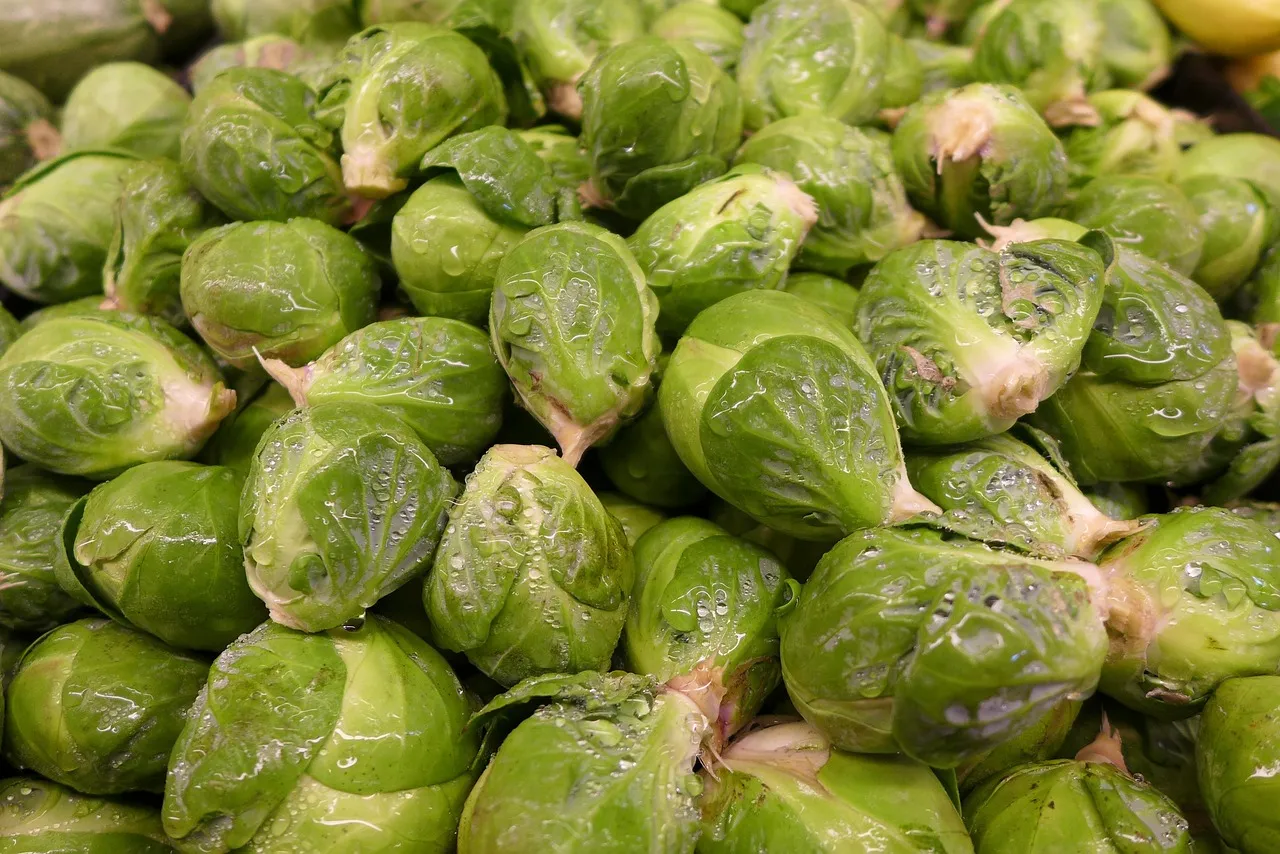
When cooked, Brussels sprouts produce indole, a compound that may reduce the risk of cancer. Cooking also causes the glucosinolates to break down into compounds known to have cancer-fighting properties.
Research shows that a glycosinolate compound naturally present in Brussels sprouts may help prevent damage to DNA that raises the chances of cancer, and it may also stop new blood vessels from growing inside tumors. That’s a specific and striking mechanism.
Brussels sprouts rank high in antioxidants, just after kale and spinach, and just half a cup of cooked Brussels sprouts provides almost half of your daily recommended amount of vitamin C. They’re small vegetables that punch well above their weight nutritionally.
Asparagus: Cell Walls Yield to Heat
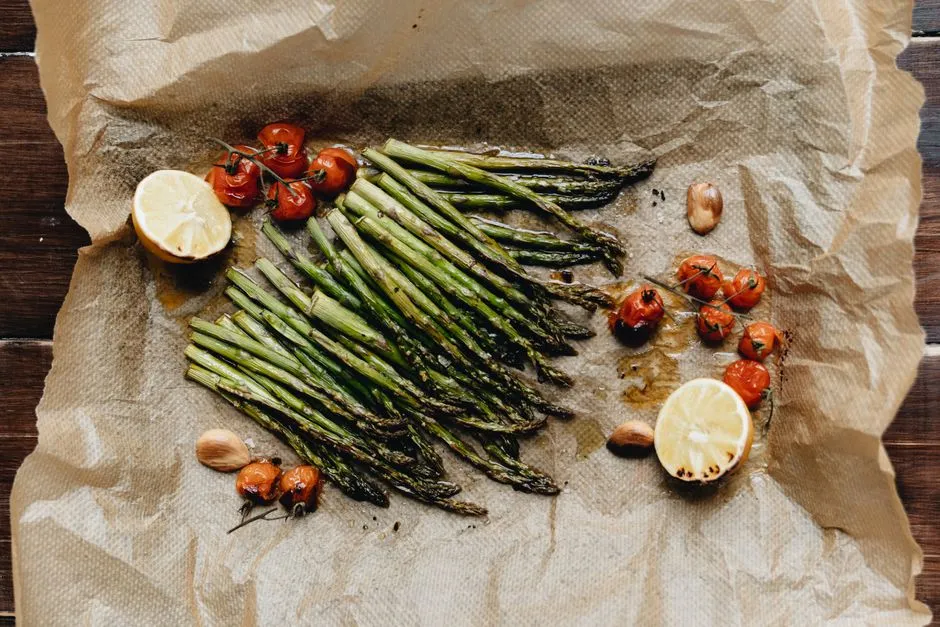
Cooking asparagus breaks down the cell walls, allowing for better absorption of vitamins A, B9, C, and E. In its raw form, the tough fibrous structure of asparagus actually limits how much of those nutrients your digestive system can access.
Research has found that asparagus may help reduce cholesterol levels by improving the binding capacity of bile acids during digestion, and it appears to have a significantly higher bile acid-binding capacity than other fresh vegetables like eggplant, mung bean, carrot, and broccoli.
Asparagus is also high in B vitamins, fiber, and folate, making it one of the more nutrient-dense options on this list regardless of preparation. Cooking just happens to make those nutrients more available to you.
Kale: Deactivating the Enzyme That Works Against You
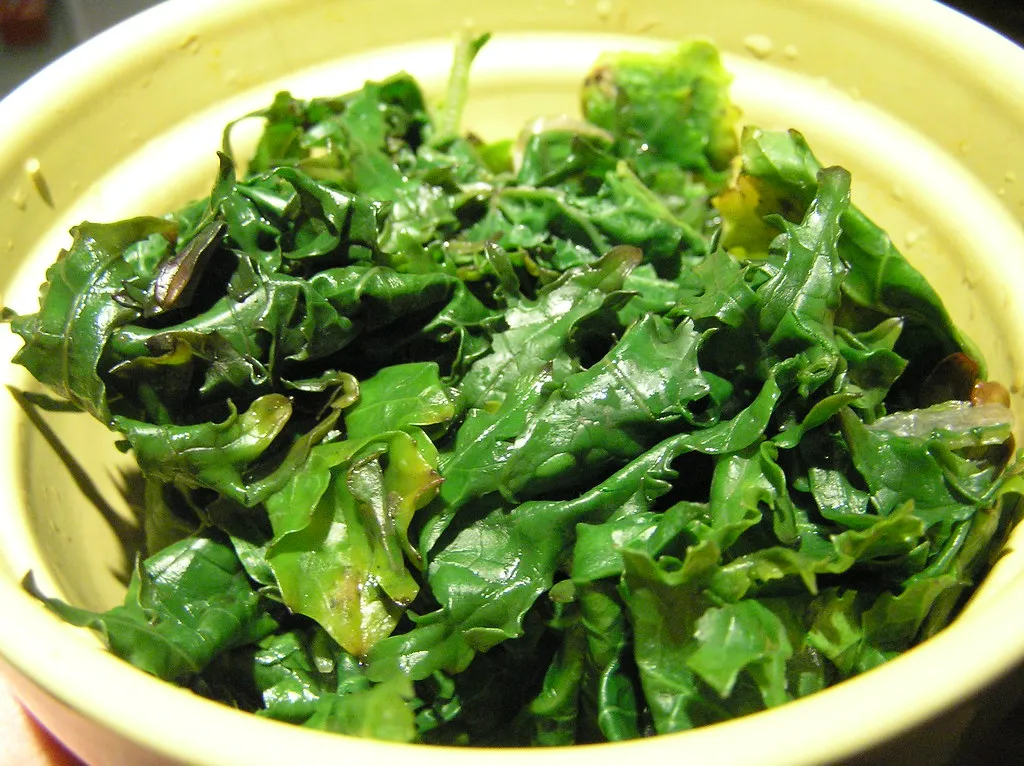
Kale contains an enzyme that inhibits the absorption of iodine, a mineral essential for the functioning of the thyroid gland. Brief steaming reduces the activity of these enzymes, allowing the body to better absorb the iodine from kale. That’s a counterintuitive trade-off most people have never heard of.
Kale is loaded with antioxidants, including quercetin and kaempferol, and those compounds remain largely intact through light steaming. The key word, though, is light. Overcooking kale diminishes its benefits considerably, so gentle heat is the goal here.
Green Beans: Method Makes the Difference
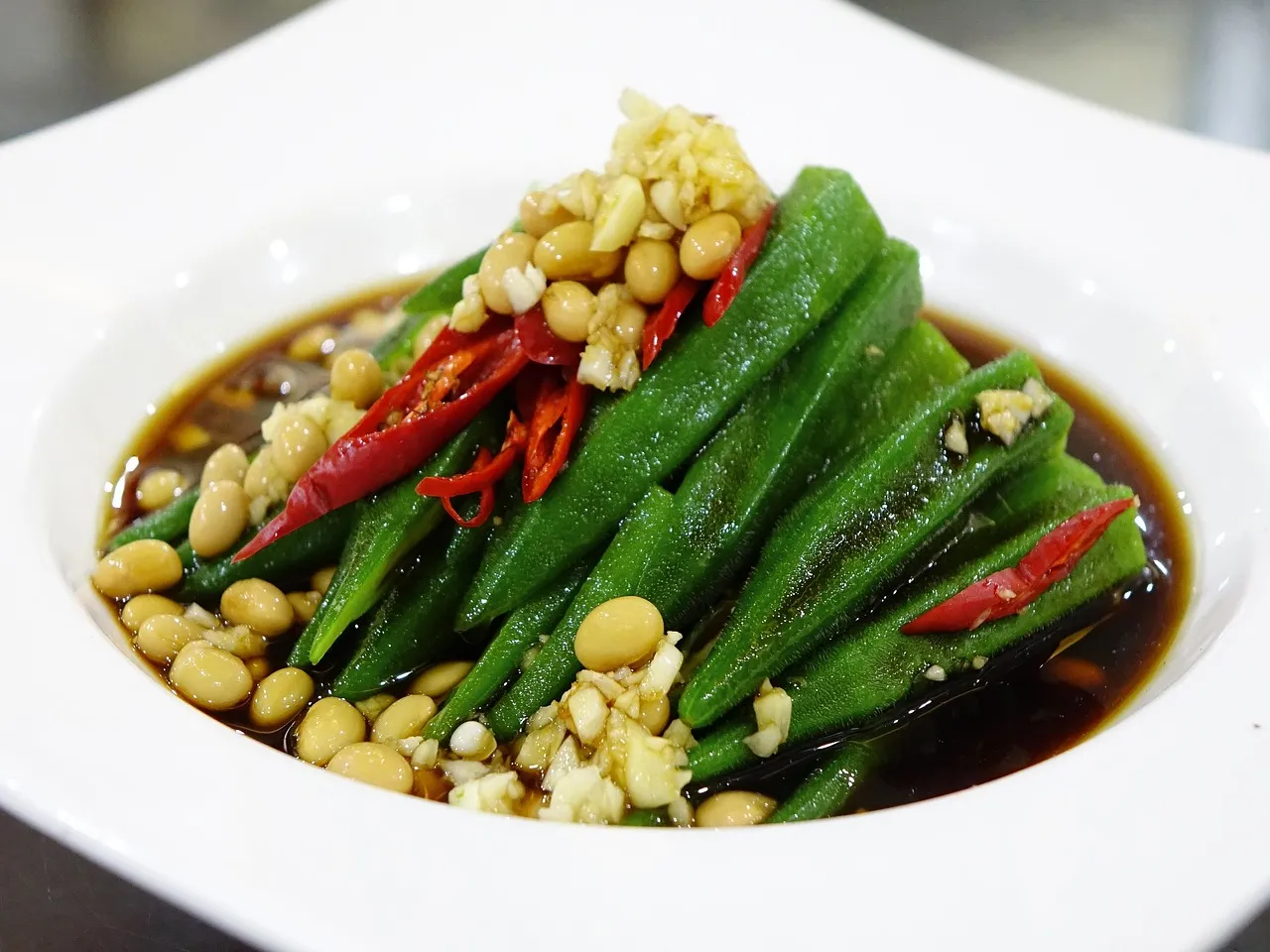
Research published in the Journal of Food Science revealed that green beans have higher levels of antioxidants when they are baked, microwaved, griddled, or even fried, but not when they are boiled or pressure cooked. So it’s not just about cooking green beans. It’s about how you cook them.
According to a 2007 study in Nutrition Research, steamed green beans may also have greater cholesterol-lowering benefits than raw green beans. That’s a two-part benefit: more antioxidants from dry-heat methods, and better cholesterol management from steaming. Your approach to the cooking method genuinely changes the outcome.
Mushrooms: Heat Unlocks the Antioxidants

Mushrooms are not only a good source of protein, but they are also rich in an antioxidant called ergothioneine, which the body absorbs better when heated. Raw mushrooms have tough cell walls that essentially lock some of that compound away from your digestive system.
Mushrooms offer more health benefits when cooked, as this increases antioxidant and mineral absorption. It’s one of the cleaner examples on this list, where the benefit of cooking is direct, specific, and well-established. Sautéing, roasting, or even grilling all work well here.
Spinach, Carrots, and the Cooking Method Question
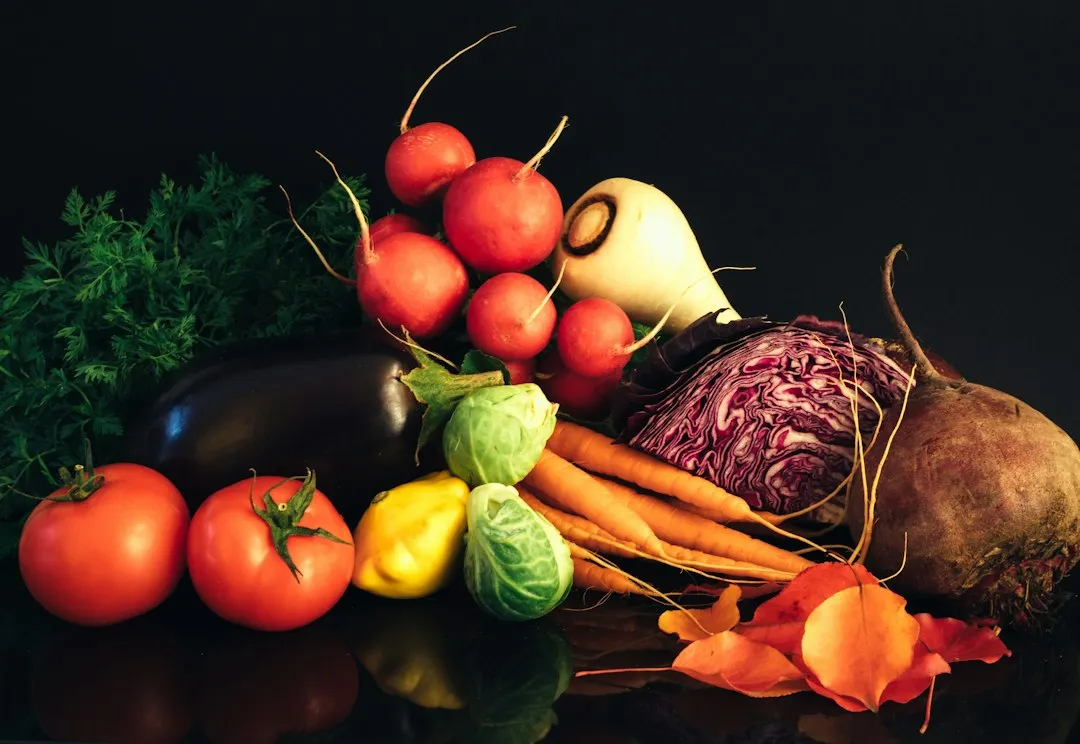
A peer-reviewed study published in Heliyon demonstrated that microwaving was the most effective method for retaining the nutritional value of vegetables, while steaming had a moderate impact. This challenges the long-held idea that steaming is always the gold standard.
Exposure to heat can make certain nutrients more bioavailable, or easier for the body to absorb. In other scenarios, cooking vegetables requires the addition of fats, which can further improve the absorption of certain nutrients. The relationship between cooking method, added ingredients, and final nutrient availability is layered and genuinely worth paying attention to.
Research has also shown that the calcium and iron content of most cooked vegetables exhibited an increase ranging from about six to seventeen percent for calcium, and six to twelve percent for iron. These are modest gains, but consistent ones across multiple studies and vegetable types.
The Takeaway
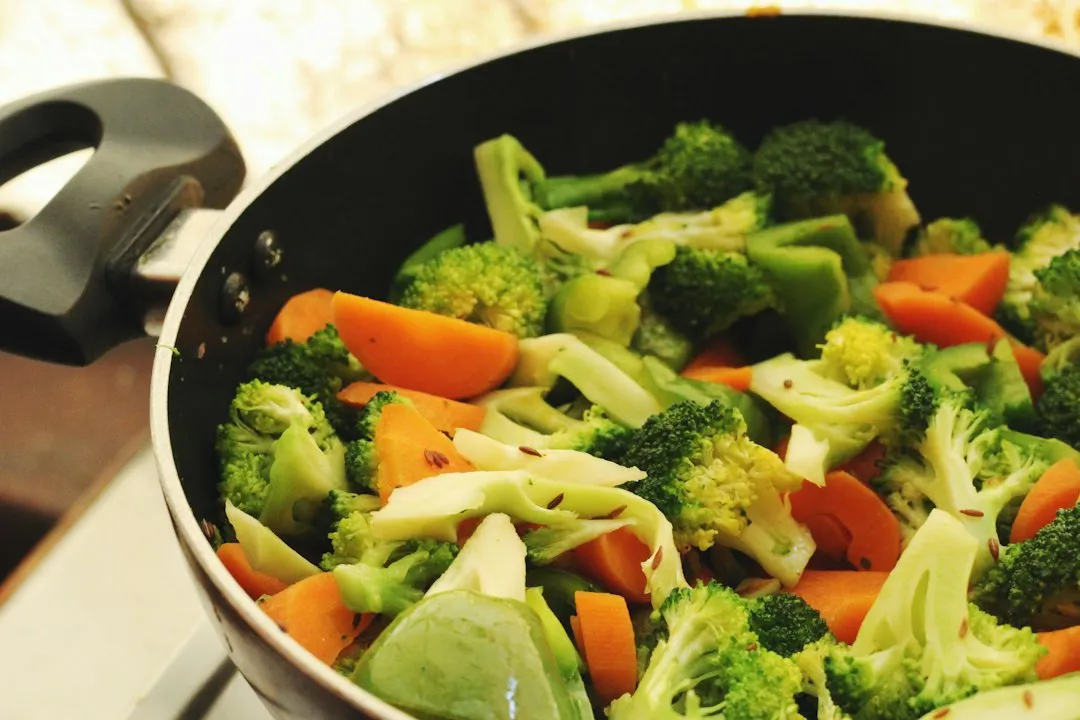
The raw-versus-cooked debate turns out to be less of a debate and more of a case-by-case consideration. With the popularity of raw diets, many people assume that cooking food destroys nutrients, but this isn’t always true. Some vegetables are genuinely healthier cooked than raw.
What the evidence points to is something more practical: different vegetables respond differently to heat, and different cooking methods produce different outcomes even for the same vegetable. Steaming broccoli is not the same as boiling it. Cooking tomatoes without fat is not the same as cooking them with olive oil.
The smartest approach isn’t to eat everything raw or to cook everything into submission. It’s to understand which vegetables benefit from heat, and to apply just enough of it, in the right way. That knowledge, it turns out, is worth more at the stove than almost any expensive supplement.
AI Disclaimer: This article was created with the assistance of AI tools and reviewed by a human editor.