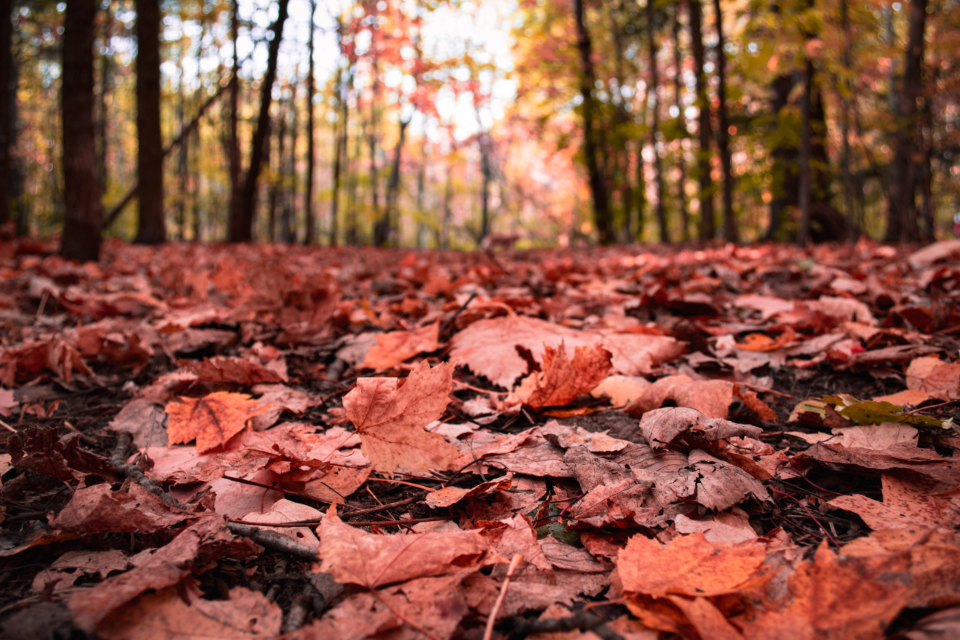

Every autumn, something quietly remarkable happens in forests and parks across the temperate world. Trees that spent all summer looking alike suddenly reveal wildly different personalities, one blazing crimson, the next a soft butter yellow. Most people accept this as a seasonal fact of life without pausing to ask why the difference exists at all.
The answer turns out to be more complicated than scientists once assumed, touching on plant chemistry, insect behavior, evolutionary history, and now, climate change. Some of those questions remain genuinely unresolved, which makes the whole story more interesting, not less.
The Green Disguise: What Chlorophyll Has Been Hiding All Summer
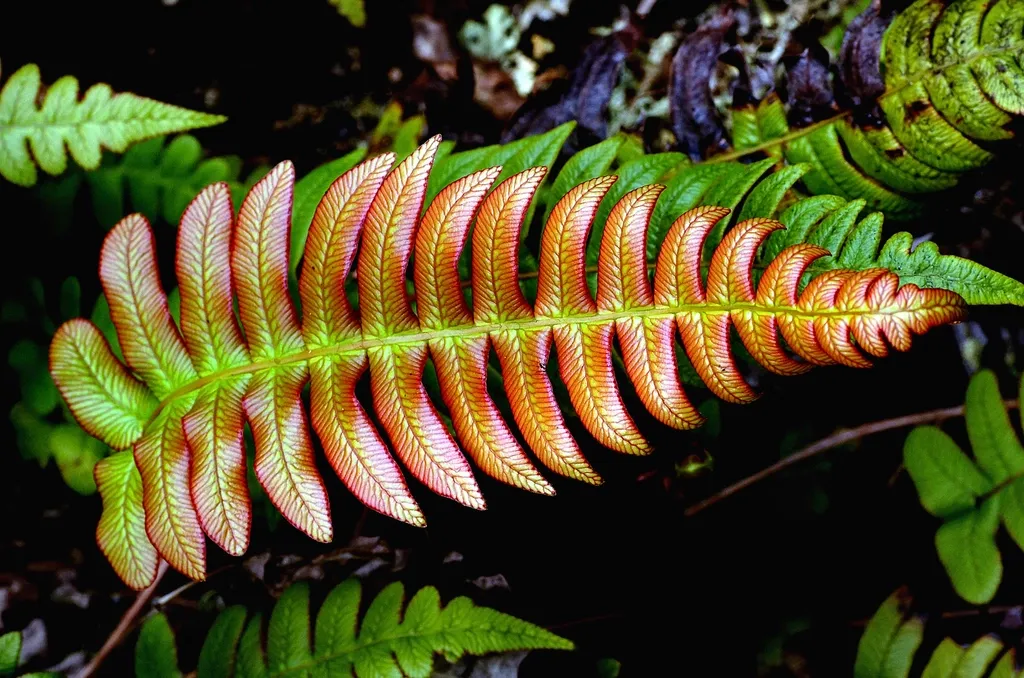
Chlorophyll is the green pigment that allows plants to photosynthesize, making food from sunlight. During the warmer months it dominates the leaf so completely that everything else is invisible. Yellow carotenoids exist in the leaf all summer long, but are masked by chlorophyll during the growing season.
In autumn, because of changes in the length of daylight and changes in temperature, the leaves stop their food-making process. The chlorophyll breaks down, the green color disappears, and the yellow to orange colors become visible, giving leaves part of their fall splendor. So yellow, in a real sense, was always there. It just needed the green to step aside.
Red Is a Different Story: A Pigment Built from Scratch
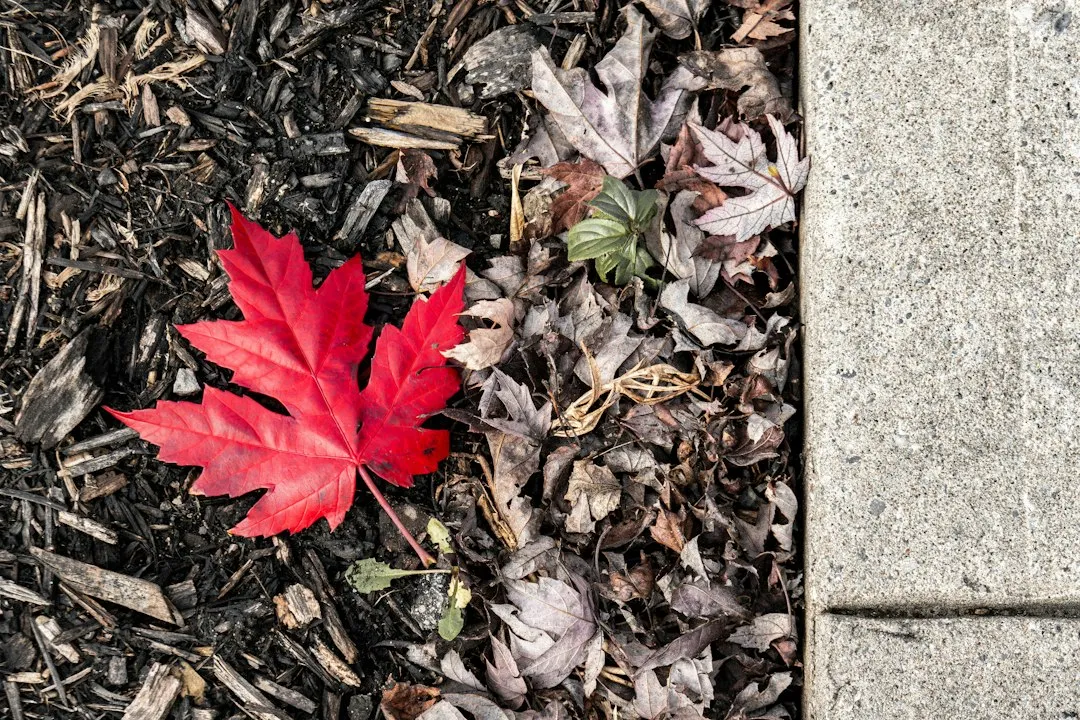
The red color is different. It comes from brand-new chemicals that are generated just days before a leaf plunges to the ground. This is not an unmasking, it is a construction project. Red anthocyanins are freshly produced by plants as fall conditions ramp up.
Leaves have to make a new pigment to turn red. Why would a dying leaf do that? Scientists don’t really know. That honest admission from the scientific community, reported by NPR in late 2025, says a great deal about how much still sits open in this field.
The Chemistry Behind Red: Anthocyanins Explained
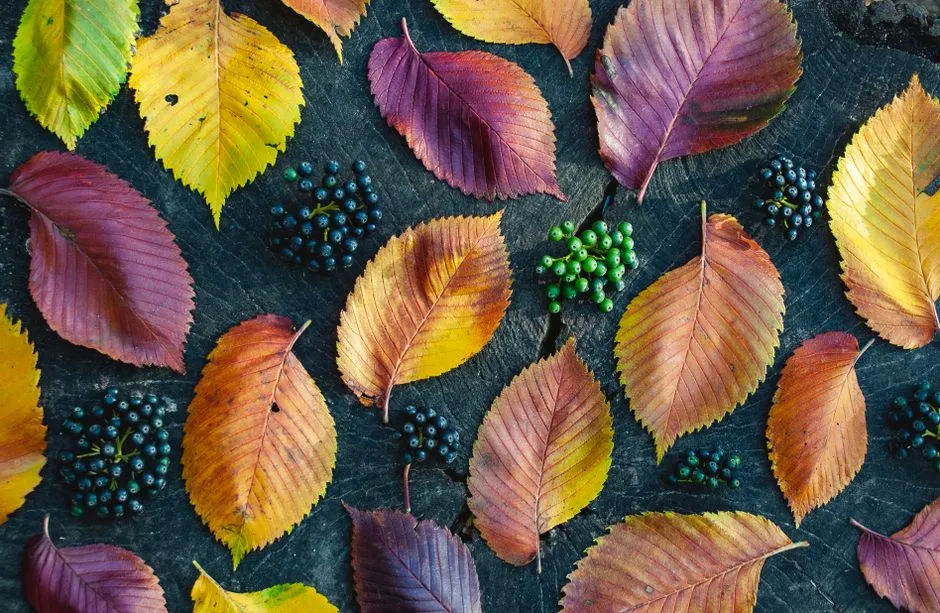
Red leaves come from stopping the production of chlorophyll and starting the production of anthocyanin, a chemical also found in raspberries, which gives them their red color. The process is triggered by specific environmental conditions that shift inside the leaf during senescence. Other chemical changes form additional colors through the development of red anthocyanin pigments. Some mixtures give rise to the reddish and purplish fall colors of trees such as dogwoods and sumacs, while others give the sugar maple its brilliant orange.
Sugar trapped in autumn leaves by the corky wall that forms between a leaf and its branch is largely responsible for the vividness of the colors. Sunlight acting on the trapped sugar also produces some additional anthocyanins. This is why the richest reds tend to follow bright, dry spells rather than cloudy, wet ones.
The Role of Tree Species: Why Some Trees Never Go Red
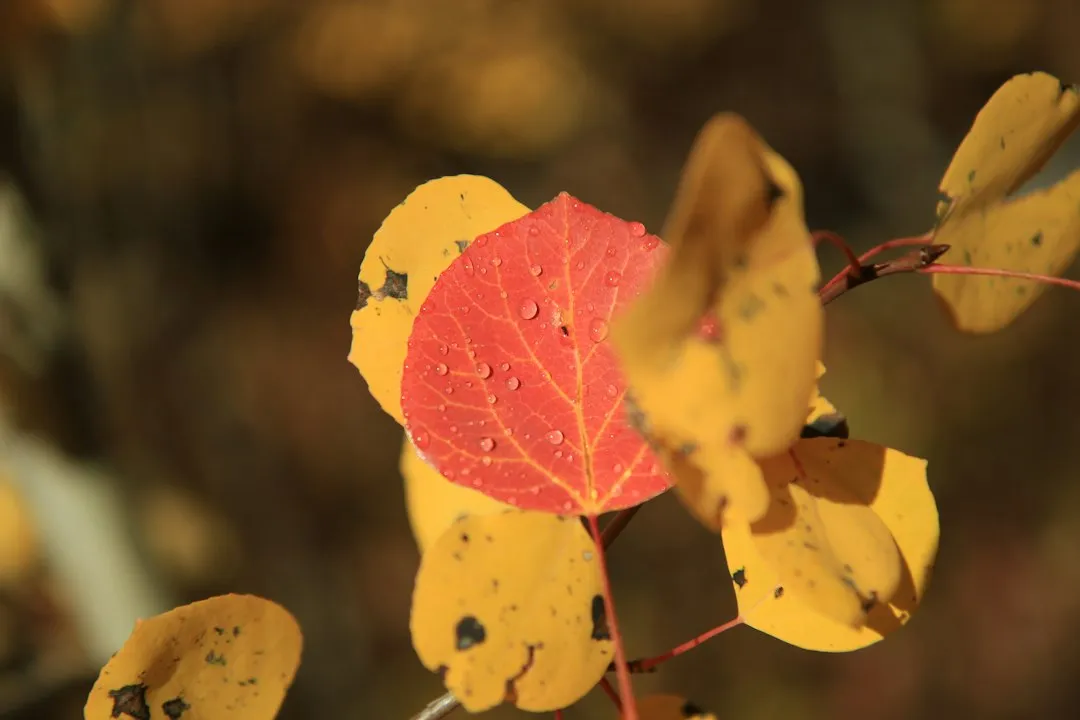
Different tree species have different levels of carotenoids and anthocyanins in their leaves. This is why some trees, such as maples and oaks, are known for their bright red and orange colors in the fall, while other trees, such as birch and hickory, tend to turn yellow or brown. The genetic makeup of the tree is the starting point. Sumacs, sugar maples, and red oaks produce large amounts of anthocyanins, thus creating vibrant red leaves in the fall.
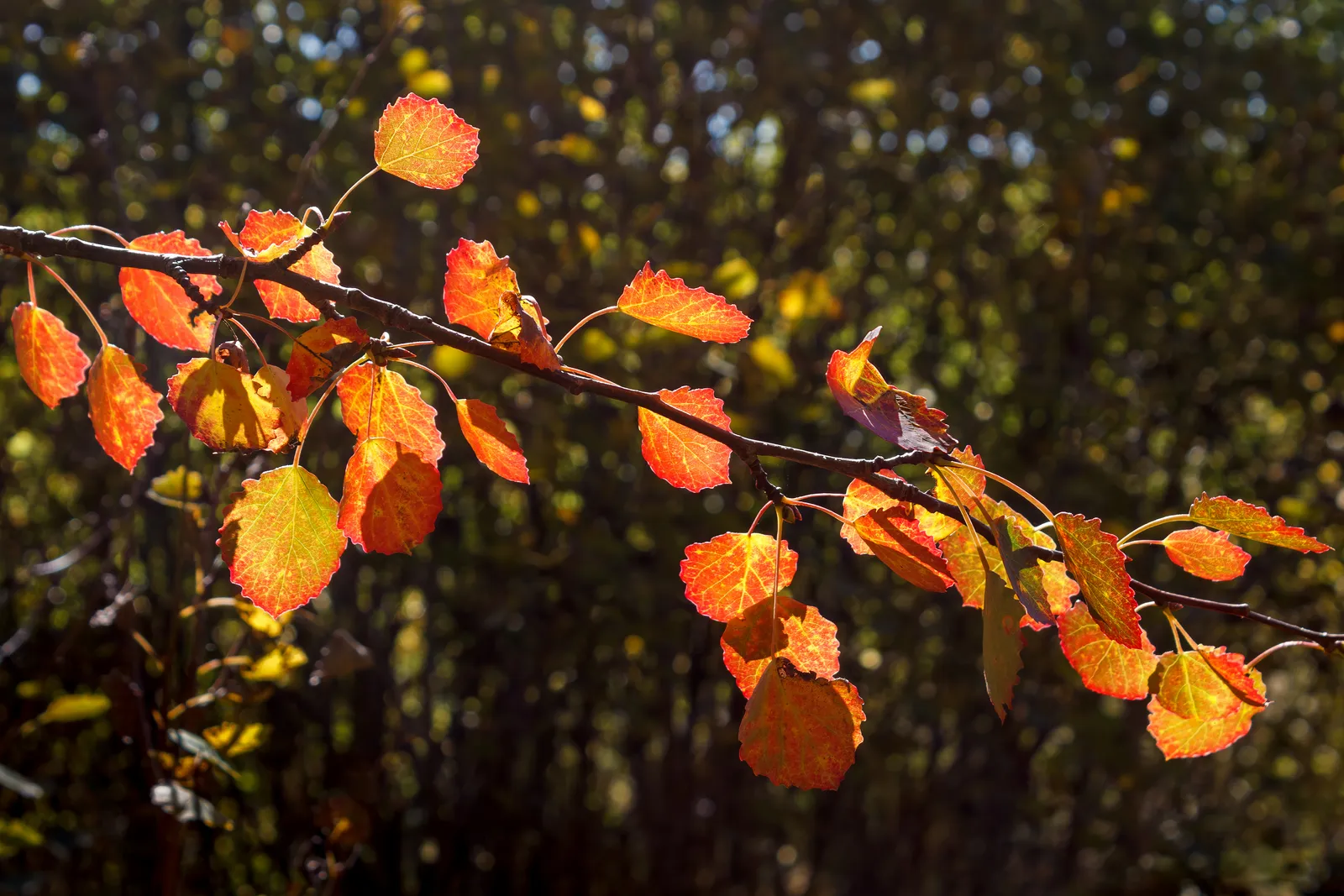
In autumn, birch and aspen are two examples of trees that display the yellow color without ever manufacturing anthocyanins at all. Their autumn identity is simply what remains once the green is gone. The tree never invests in the extra chemistry that red requires.
The Sunscreen Hypothesis: Red as a Shield Against Autumn Light
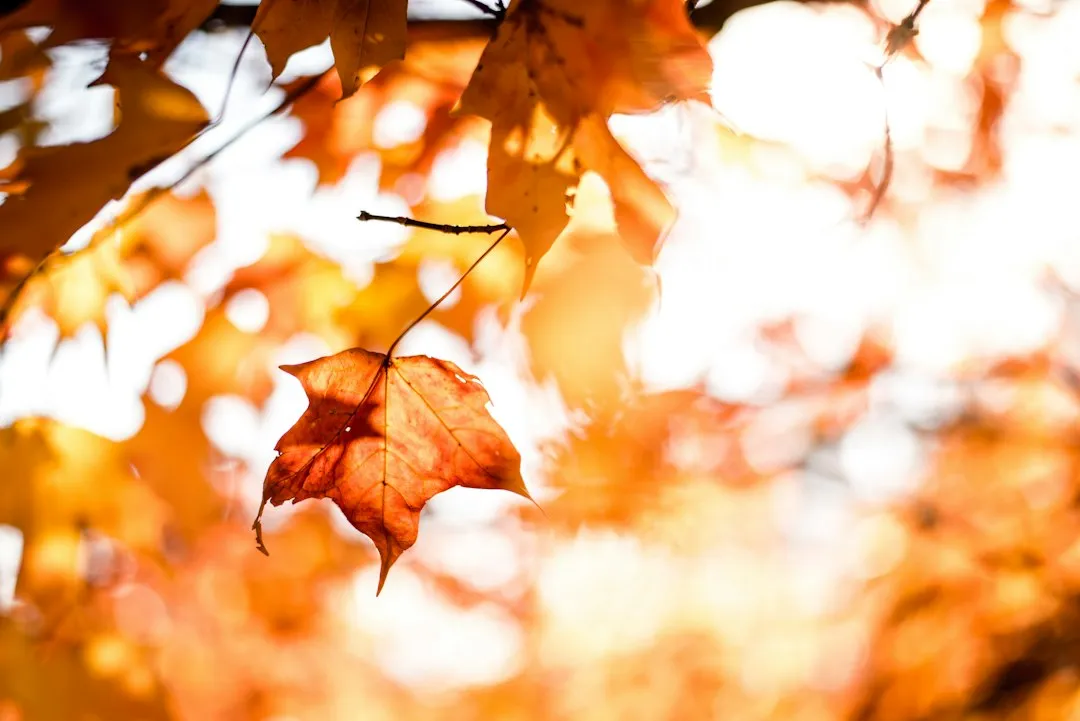
One theory holds that the red pigment acts as a sort of sunscreen for the leaves, staving off damage from bright autumn sunlight and allowing the leaves to stay on the tree longer than they would if they remained green or even yellow. This matters because autumn sun, hitting a thinning canopy at low angles, can be surprisingly intense. Protection is especially important in autumn, when cold temperatures reduce carbon fixation capacity, light is no longer fully used for photosynthesis due to chlorophyll breakdown, and light is more intense due to a thinning canopy.
A 2024 study published in Physiologia Plantarum explored exactly this question. Researchers aimed to determine whether anthocyanin-producing species use different photoprotective strategies to cope with excess light during fall senescence compared with non-anthocyanin-producing species. In a previous study, they found that a yellow species retained a specific photoprotective protein in late autumn, while a red species did not, suggesting that red species make less use of that thermal dissipation mechanism because they rely on anthocyanins for photoprotection instead.
The Insect Defense Theory: Sending a Warning Signal
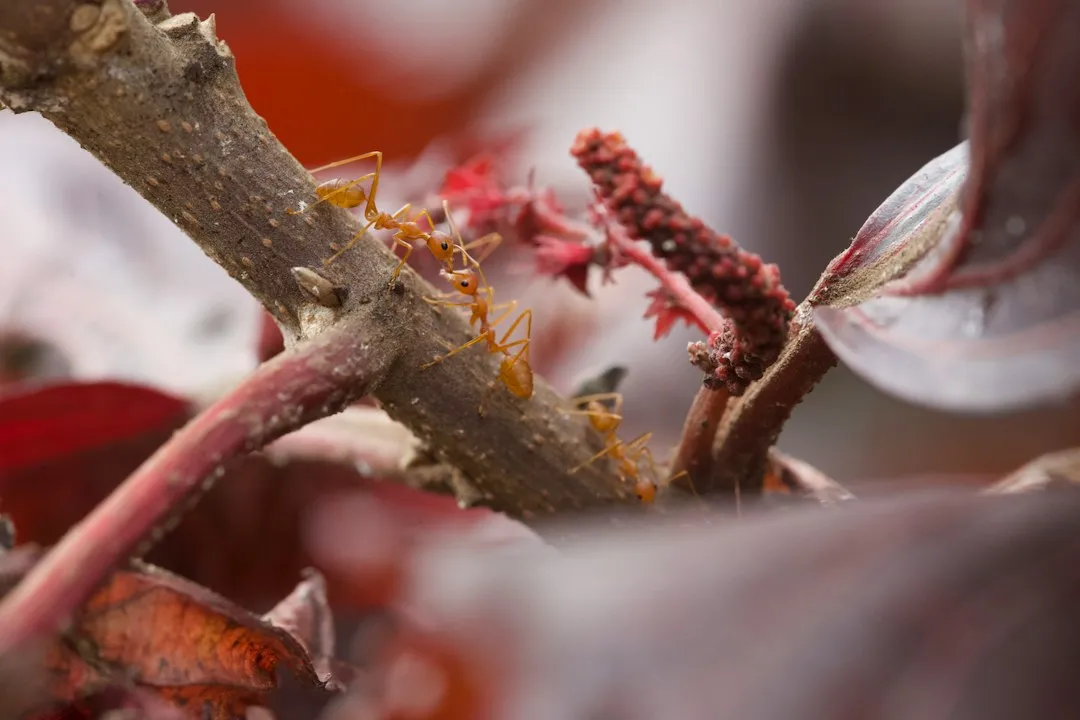
There are two popular theories associated with why leaves turn red, both arguing the process is a form of self-defense. One suggests that red leaves are a form of sunscreen for a tree, protecting it from sun damage. The other maintains that red leaves keep away insects that could harm the tree. This second idea has attracted growing support from ecologists in recent years.
Research has shown that insects that lay eggs in the fall can tell the difference between leaf colors. On apple trees, aphids avoided trees with red leaves, preferring those with green or yellow leaves. In spring, newly-hatched aphids were less successful on trees that had been red, suggesting that aphids may have had good reason to avoid putting their eggs there. The red leaf, in this view, is less a dying cry and more a final warning.
A Debate That Has Been Running for Over a Century
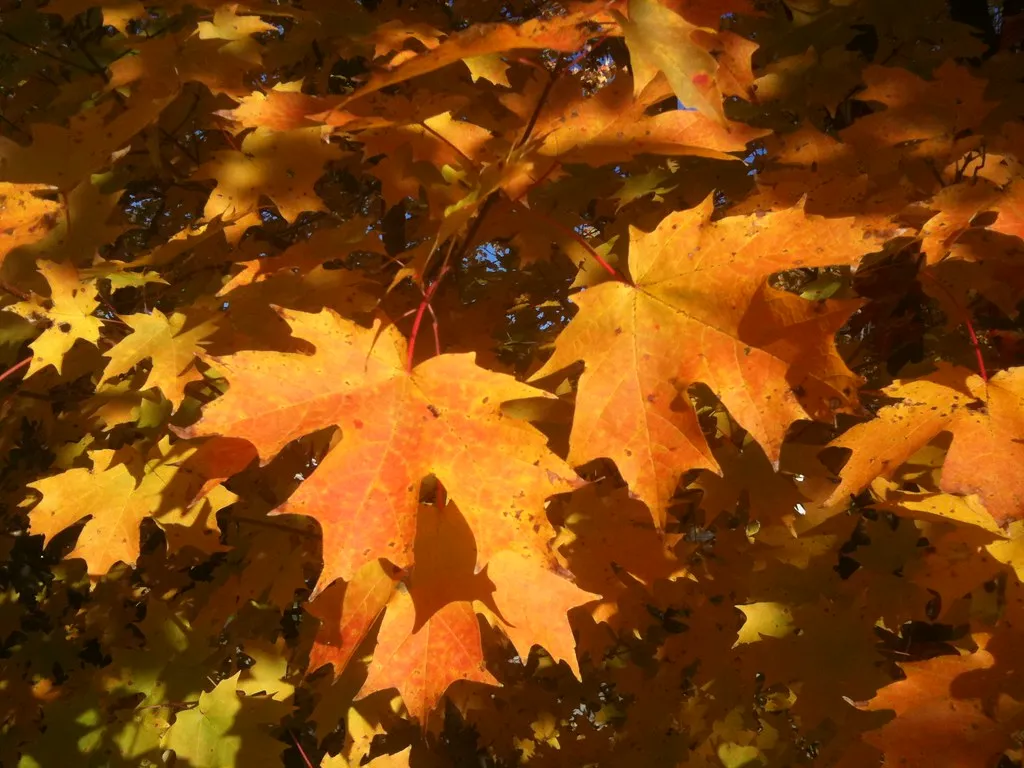
Since the 19th century, it has been considered either the non-functional outcome of chlorophyll degradation that unmasks pre-existing pigments, or that the de novo synthesis of red anthocyanins in autumn leaves indicated a physiological function, although it was commonly ignored. It took the arrival of ecologists, who began looking at the phenomenon through an evolutionary lens, to shake things up. The complicated phenomenon of conspicuous autumn leaf coloration has received significant attention since the year 2000, especially because ecologists started paying attention to its anti-herbivory potential.
Hot debates among physiologists, among ecologists, and between physiologists and ecologists have been common since the year 2000, first because the various functions of yellow and red autumn leaf coloration are non-exclusive, and second because many scientists were trained to focus on a single subject. The honest conclusion at this point is that red coloration is probably doing more than one thing at once.
Why More Leaves Are Red in America Than in Europe
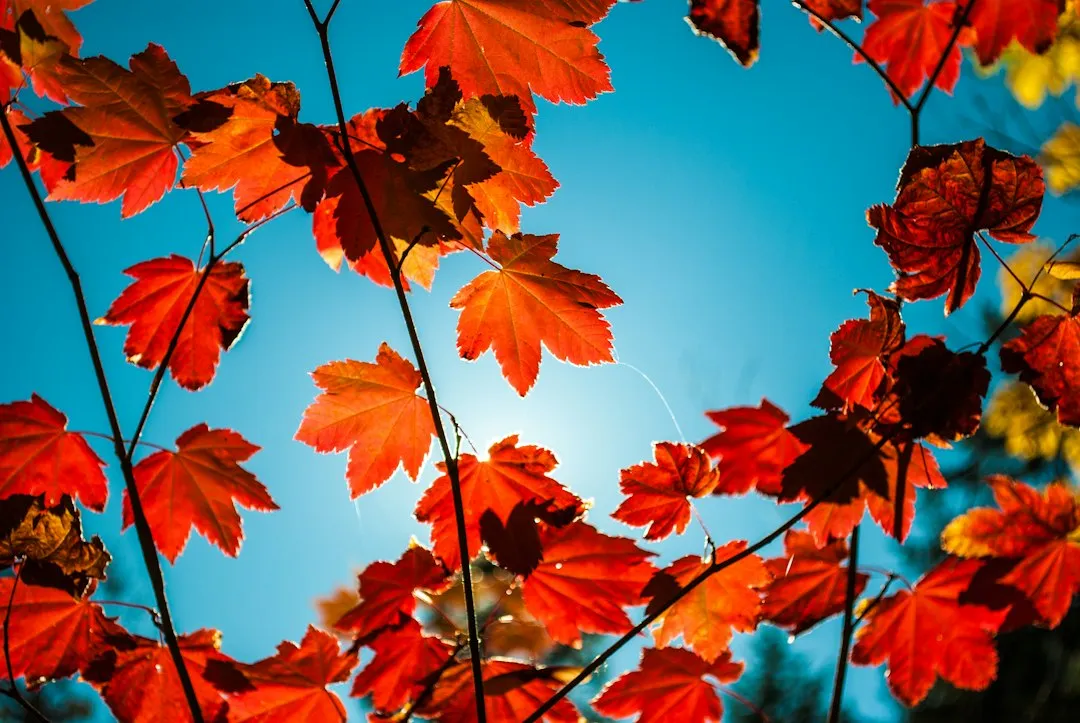
In Europe, autumn leaves are mostly yellow, while the United States and East Asia boast lustrous red foliage. This geographic pattern is not random. A theory provided by Prof. Simcha Lev-Yadun of the University of Haifa-Oranim and Prof. Jarmo Holopainen of the University of Kuopio in Finland, published in the journal New Phytologist, proposes taking a step 35 million years back to solve the color mystery.
The argument centers on the history of co-evolution between trees and the insects that plague them. In North America and East Asia, tree species and their insect pests evolved side by side across millions of years, which may have driven stronger signaling through red coloration. In Europe, ice age extinctions disrupted that relationship, leaving fewer insect pressures and, consequently, fewer trees that bother producing red at all.
How Weather and Soil Shape the Intensity of Color
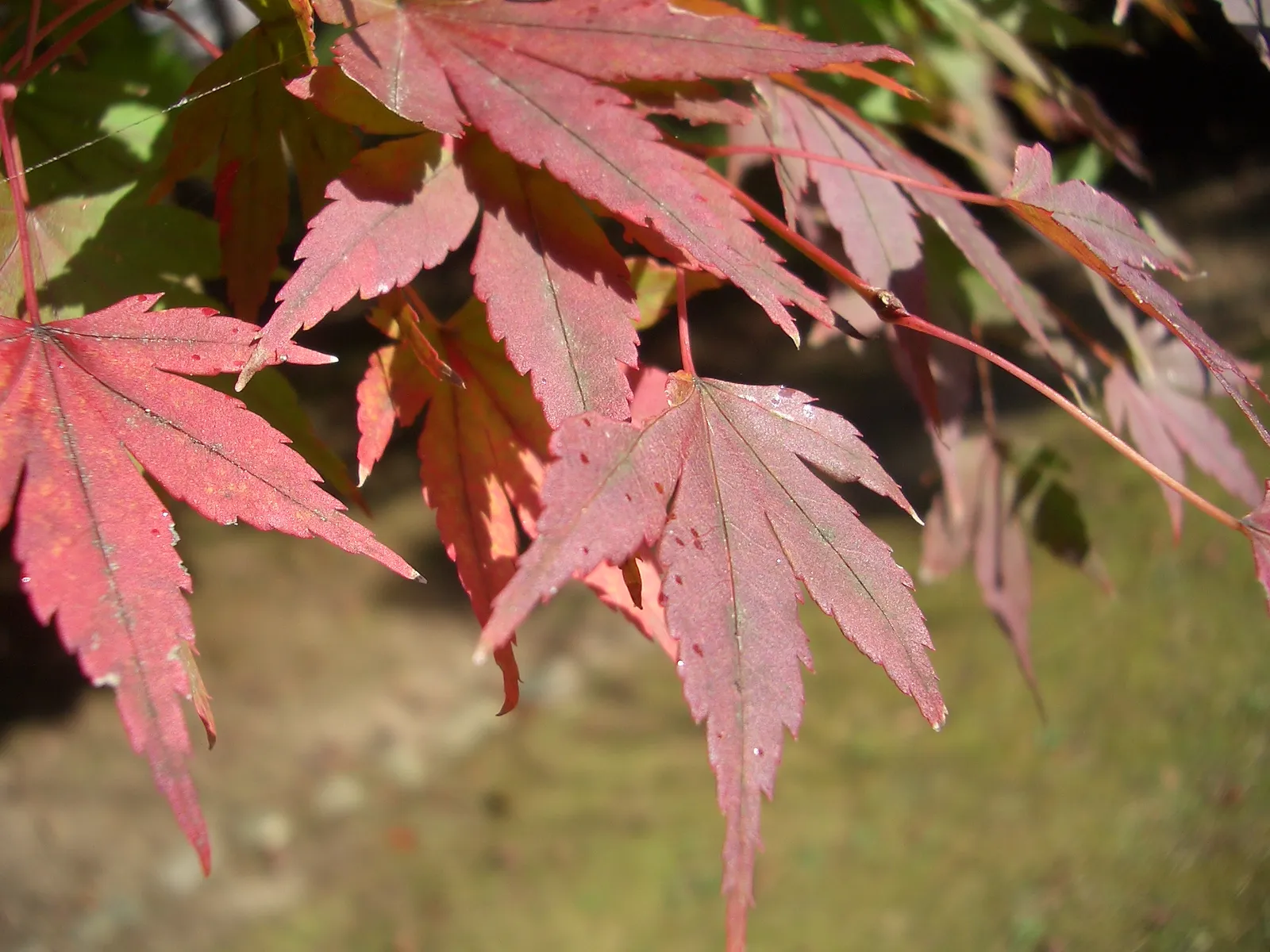
The best colors are produced when the weather is dry, sunny, and cool. Places that are cloudy, damp, or warm won’t see the same degree of color change. Temperature is a key variable. Colder temperatures in autumn trigger the production of anthocyanins, which give leaves their red and purple colors.
Time of leaf senescence and anthocyanin content correlated with soil pH and with canopy openness. The importance of anthocyanins in protecting leaf processes during senescence depends on the timing of that senescence. In red maple in Ontario, autumn anthocyanins appear to matter most when senescence happens early, possibly due to higher irradiance and a greater danger of oxidative damage early in the season. Soil chemistry, it turns out, is part of the equation too.
What Climate Change Is Doing to Autumn Colors
Climate change is shifting the timing of autumnal phenology, with potentially different impacts on leaf coloration and photosynthetic cessation. Research published in 2026 in Communications Earth and Environment found that leaf coloration generally occurred later than photosynthetic cessation, and the difference increased significantly over time, driven primarily by earlier starts of the growing season and rising autumn temperatures.
Earlier green-up timing was related to duller autumn leaf color, possibly because a prolonged leaf period creates older leaves and reduces physiological vitality in autumn, affecting anthocyanin biosynthesis. A 2025 study in Scientific Reports examining Japanese alpine vegetation projected that this dulling trend will continue. Extreme weather induced by climate change can also put added stress on trees and compromise their ability to manufacture fall colors. Droughts, for example, disrupt the photosynthesis process, which produces the sugars that give the leaves their vibrancy. Without ample water, there’s less sugar in the trees, which leads to duller fall colors.
The Takeaway
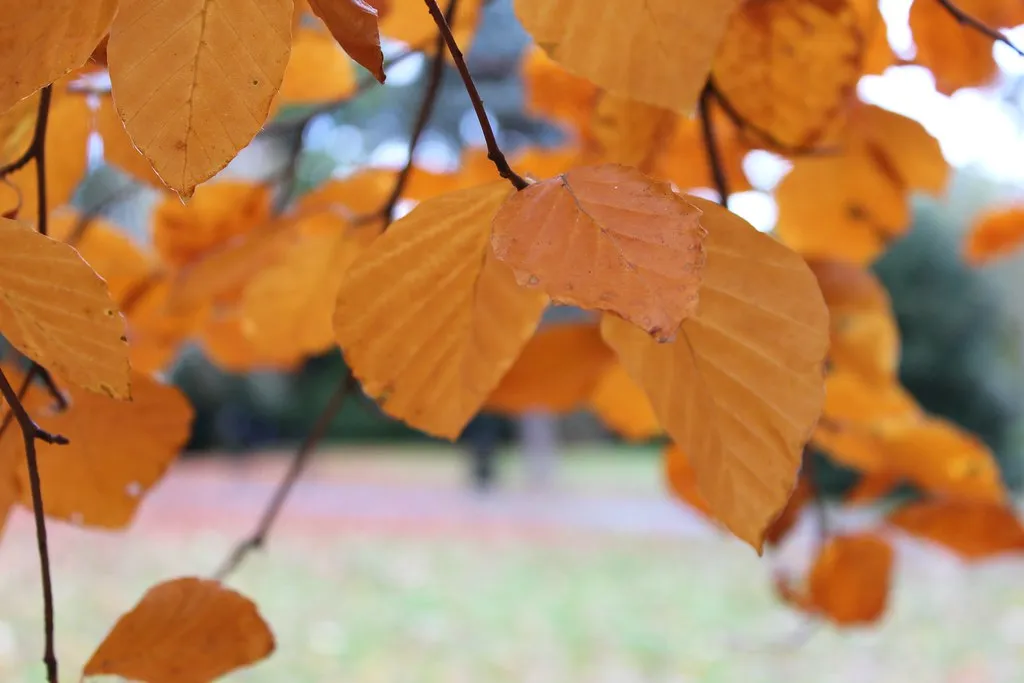
Yellow leaves are essentially passive, the quiet aftermath of chlorophyll withdrawing. Red leaves are active, an investment of energy and chemistry that a tree makes in its final days before dropping a leaf entirely. The fact that trees bother with that investment at all is what keeps scientists genuinely curious.
Recognizing these divergent strategies is crucial for accurately modeling forest nutrient cycling, particularly as climate change may alter the prevalence and duration of autumn coloration. The forest you walk through each October is running a complex biochemical negotiation between light, temperature, insects, soil, and genetics. The colors are the visible result of that negotiation, and they are slowly, measurably changing.
AI Disclaimer: This article was created with the assistance of AI tools and reviewed by a human editor.