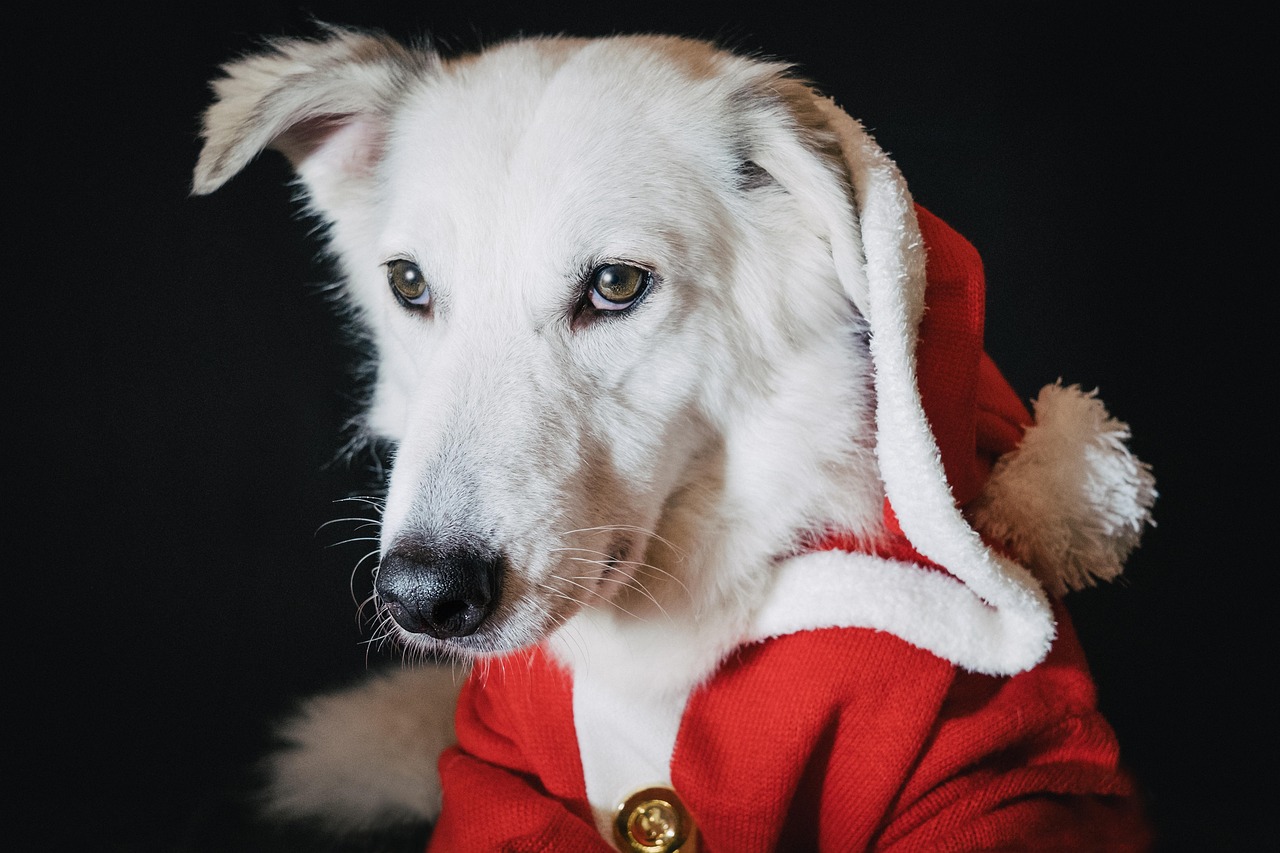

You’re watching your dog tear around the yard with a buddy, all wobbly excitement and flopping ears, and then it happens: a little sneeze, seemingly out of nowhere. No runny nose, no illness, no allergies. Just a quick, almost dainty achoo right in the middle of the chaos. It’s one of those canine behaviors that’s easy to laugh at but genuinely worth understanding.
Dogs communicate in ways that go far beyond barks and tail wags, and that little mid-play sneeze is no exception. Whether you have a bouncy Labrador or a pug who snorts through most of his day, the sneeze during play carries real meaning. Here’s a proper look at what’s actually going on.
It’s a Form of Communication, Not a Reflex
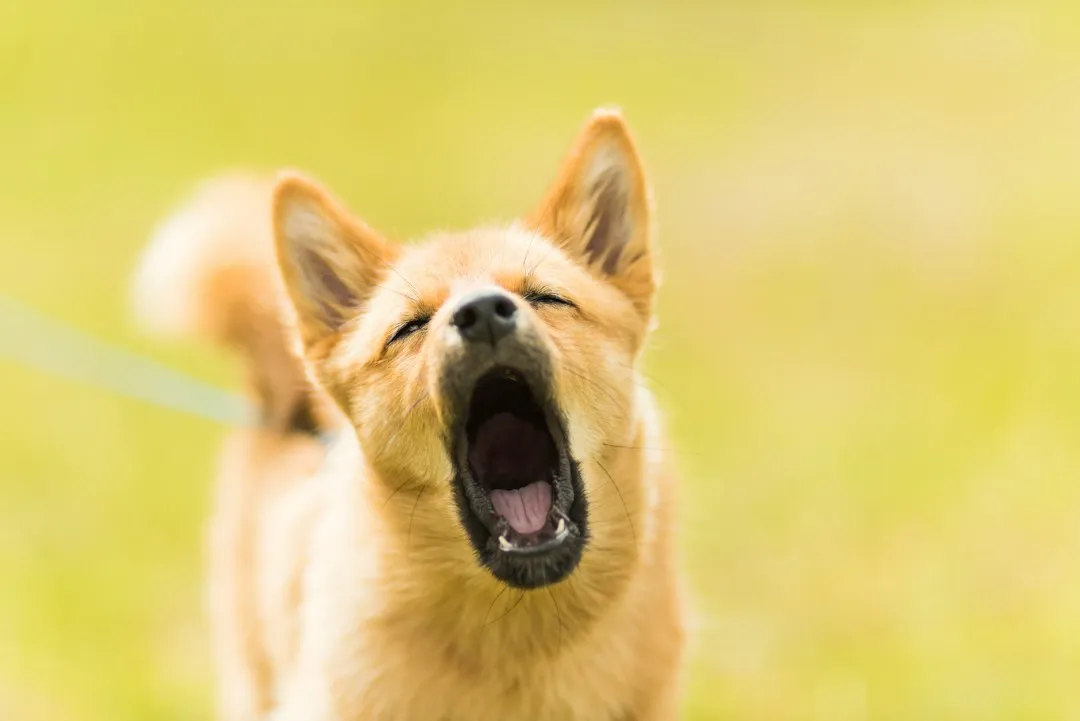
Dogs sneeze when they play to communicate with other dogs, and this social sneeze is different from a physiologic sneeze. Most of us automatically associate sneezing with illness or allergies, so seeing it happen in the middle of a perfectly healthy play session can be confusing. The reality is that dogs have a remarkably layered communication toolkit, and sneezing is one of the tools.
Dogs have an extensive repertoire of social cues and signals that they use to communicate with each other during play. The sneeze fits into this repertoire just as naturally as a play bow or a wagging tail. It’s deliberate, it’s readable to other dogs, and it serves a clear social purpose.
Play Sneezes Look Different from Regular Sneezes
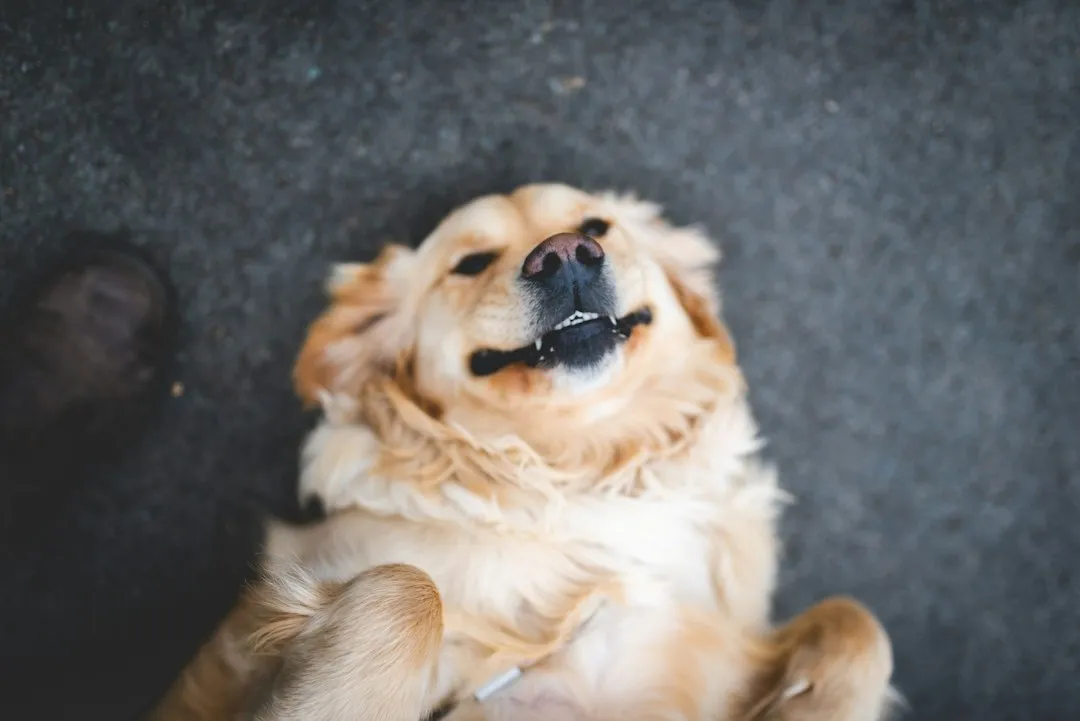
When a dog sneezes due to an irritation in her nose, the sneeze is often forceful and may include nasal discharge or jerking of her head. By comparison, a social sneeze is small and delicate with no nasal discharge and very little head movement. Once you know what to look for, the difference becomes obvious fairly quickly.
Dogs often sneeze during a hearty play session as an expression of excitement and joy, and playful sneezes are usually short, light, and shallow. Your dog will curl their lips and wrinkle their nose just before the sneeze, and a play sneeze is shorter than a regular sneeze and seems to come from the nose rather than the lungs.
It Signals “This Is Just Play, Not a Fight”
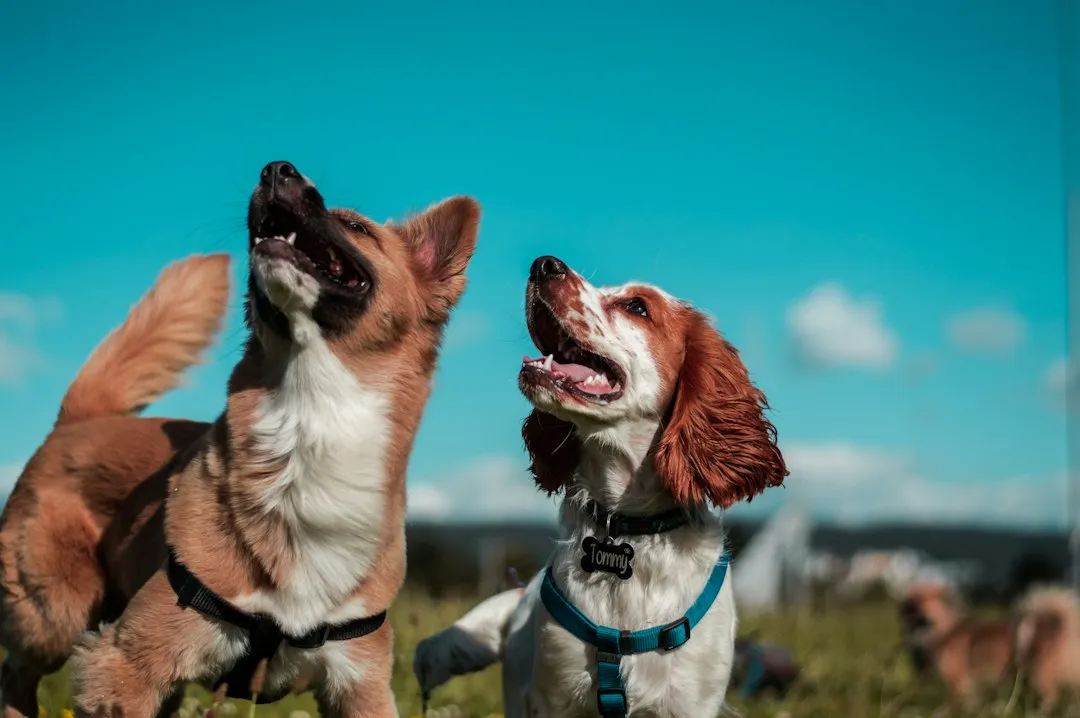
When play becomes intense and risks turning into a more aggressive interaction, dogs often pause and sneeze, and this serves as a clear signal to their playmate that it’s all in good fun. Think of it as a reset button. One dog essentially announces that the roughhousing isn’t meant to escalate, keeping the session on the right side of friendly.
It is common for two dogs to play and constantly sneeze at each other. They are both showing that they are only playing and telling the other dog what is too far or when they are feeling too tired to continue. It’s a two-way conversation, and both parties generally understand the signal.
It Can Be a Request to Dial Things Down
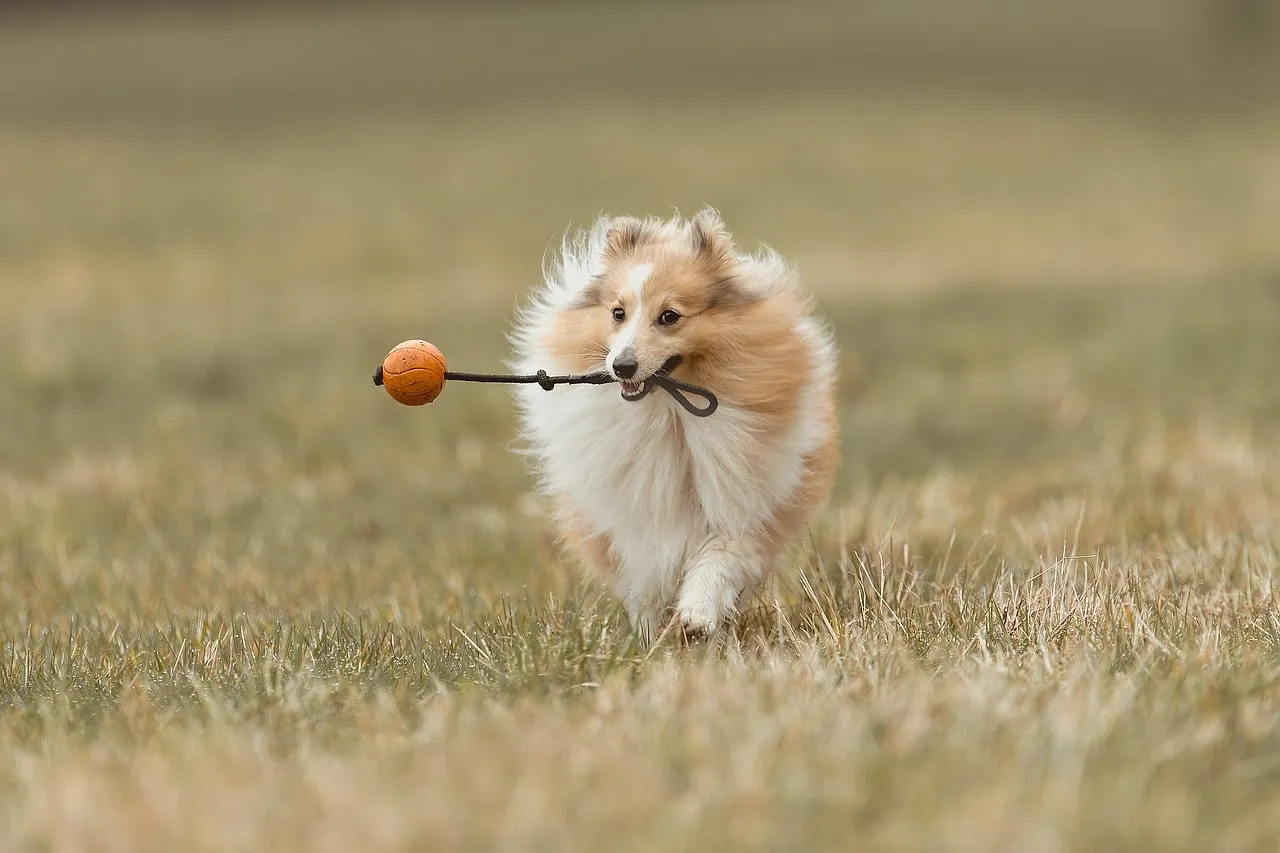
A dog sneezing during play with another dog is telling the other dog to tone down the energy level a notch or two. It doesn’t mean the dog wants to stop entirely. It’s a softer, more polite signal than growling or walking away, and it often works.
Dogs sometimes play sneeze to signal they’re ready to stop. If your pup starts sneezing, backing away, or turning their head, it’s their way of saying they need a break. Paying attention to these signs can help keep playtime fun and stress-free. Younger puppies and older senior dogs are especially likely to use this signal, since they tend to tire more quickly than dogs in their prime.
Excitement and Excess Energy Play a Role Too
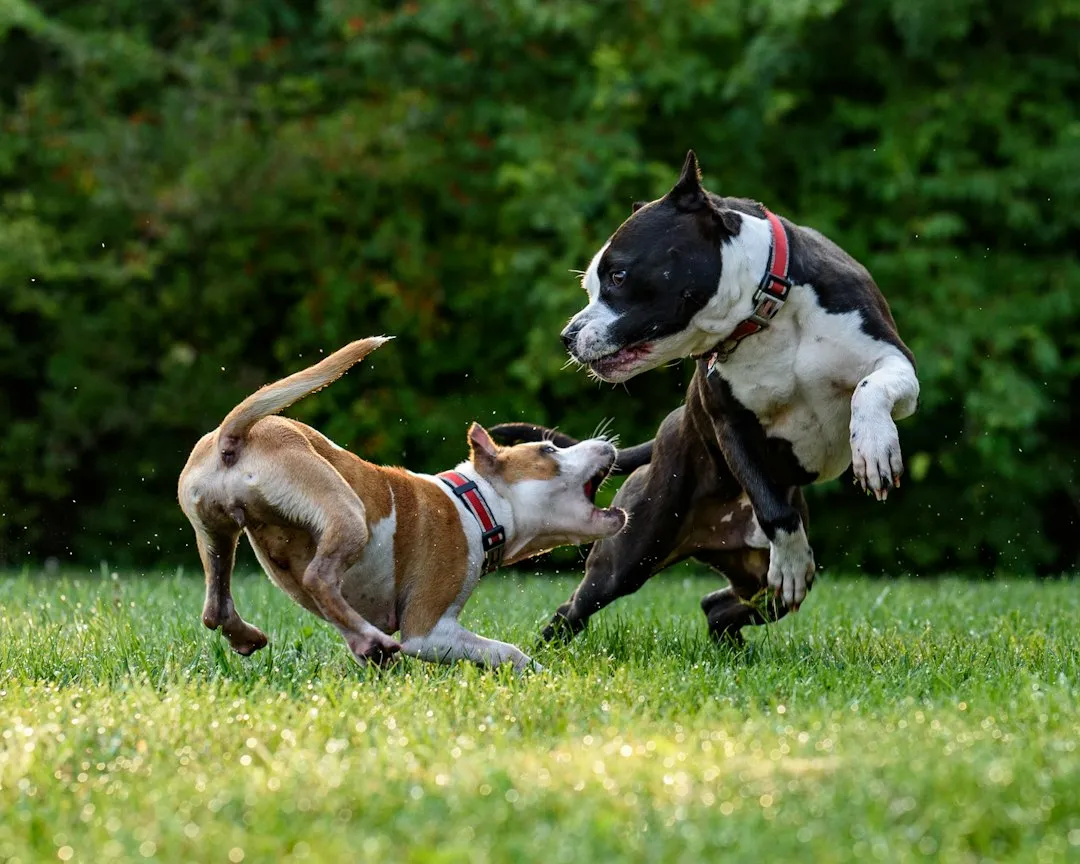
Dogs, known for their boundless energy, may sneak in a sneeze as a means of releasing pent-up excitement during play. Much like humans might giggle or laugh when having fun, a playful sneeze in dogs acts as a physical release, helping them maintain a balanced state during energetic play sessions.
When dogs get overly excited during play, they may start to sneeze, and this sneezing helps release some of their pent-up energy and excitement. It’s a kind of self-regulation, a small physical reset that allows them to keep going without completely boiling over.
The Lip Curl Has a Physical Connection
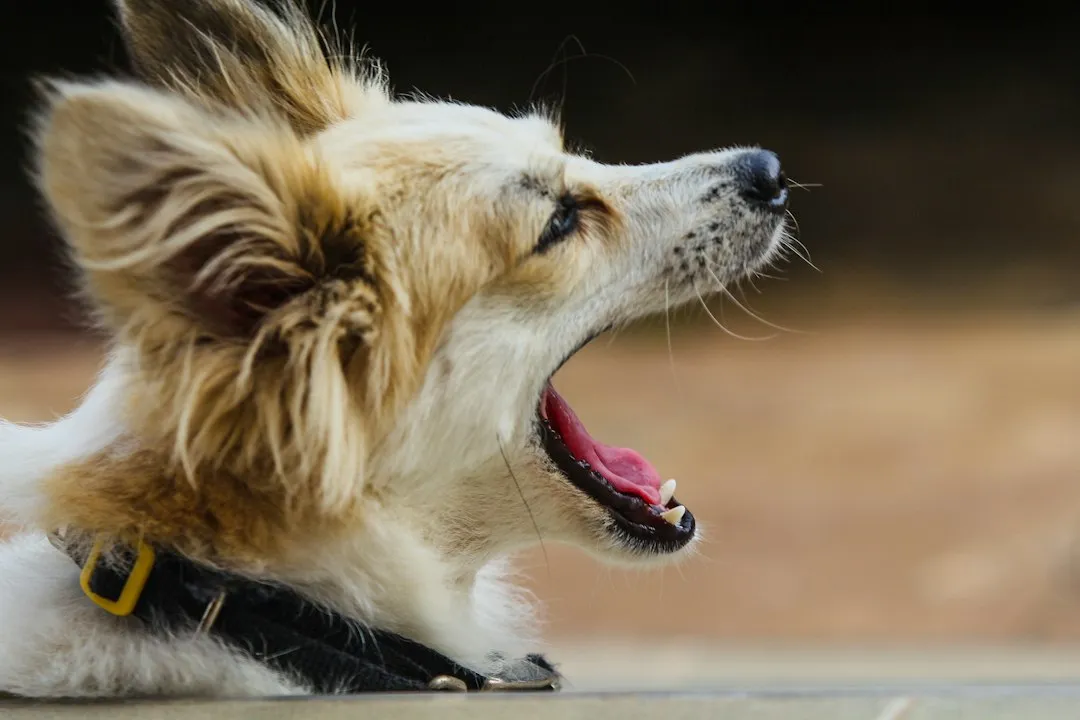
While being playful, dogs also curl their lips in fun, which can cause the body to sneeze as a reaction. This is one of those physical mechanisms that links expression directly to an involuntary response. The lip curl that comes with a happy, open-mouthed play face can actually trigger the sneeze reflex.
Lip curling is also a sign of happiness in dogs, which can cause the lower face to crinkle, thus resulting in a sneeze. So sometimes the sneeze isn’t purely communicative. It’s a byproduct of the face a dog makes when it’s genuinely having a great time.
Some Dogs Use It to Get Attention from Humans
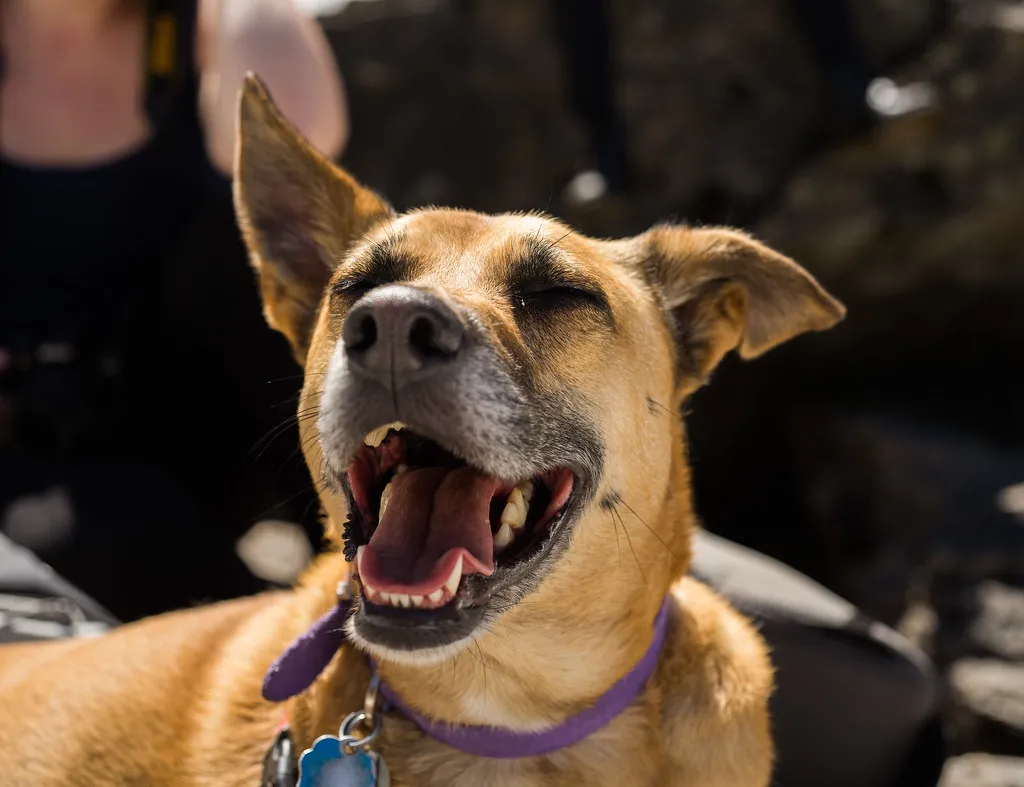
Dogs will also use a sneeze as a social cue with their humans. A social sneeze directed at humans is used to get their attention, and it is usually followed by barking or even pawing at or pointing their nose at something they want. Dogs are quick studies when it comes to what earns a reaction from their owners.
Since sneezing during play is a way dogs communicate, some dogs learn to use it to get attention. They may have noticed that you react to them when they sneeze, which can then make them believe that their short sneezes are a great way to get your attention. It’s a learned behavior layered on top of an instinctive one.
Breed Makes a Difference
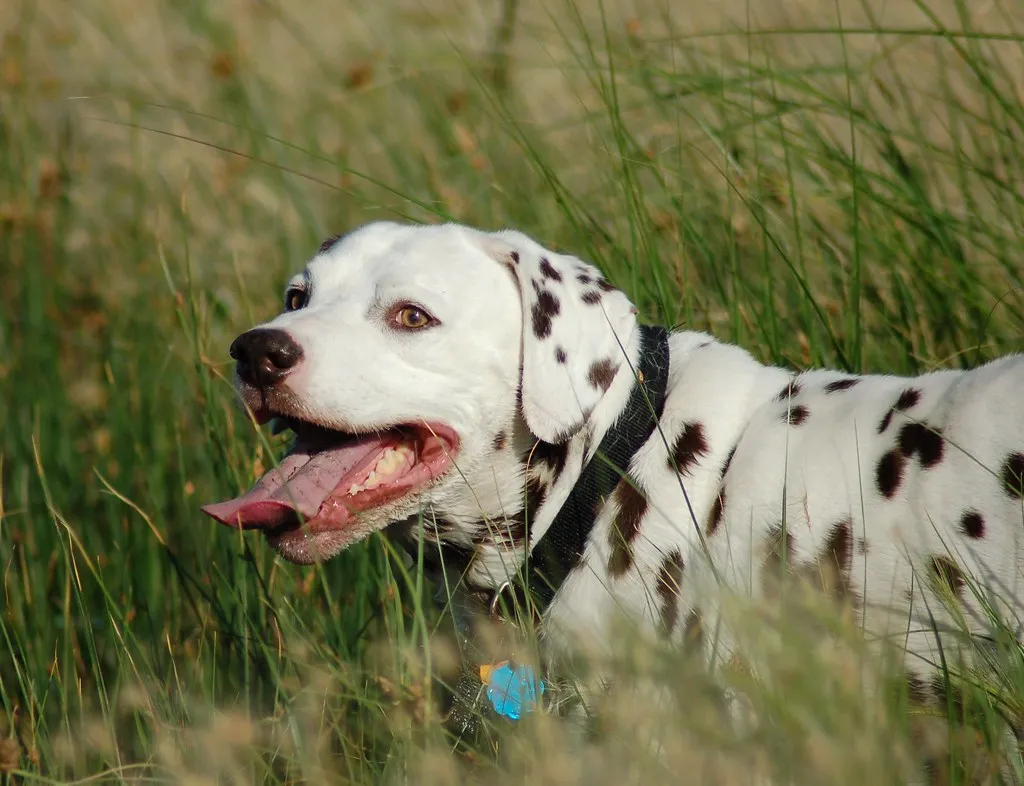
Sneezing when playing is particularly common in small breeds, but many dogs do it. Play sneezing is a common behavior in all dogs, although it is more frequent in active and toy breeds. If you have a small terrier or a toy breed that seems to sneeze constantly during a game of fetch, that’s entirely normal for the type.
Brachycephalic, or flat-faced dogs, are more prone to sneezing due to the anatomical compression of their nasal passages. The most common brachycephalic breeds with breathing or sneezing tendencies are Pugs, Boston Terriers, and English Bulldogs. For these dogs, the anatomy itself contributes to more frequent sneezing, so the social and the physical causes often overlap.
It’s Different from Reverse Sneezing
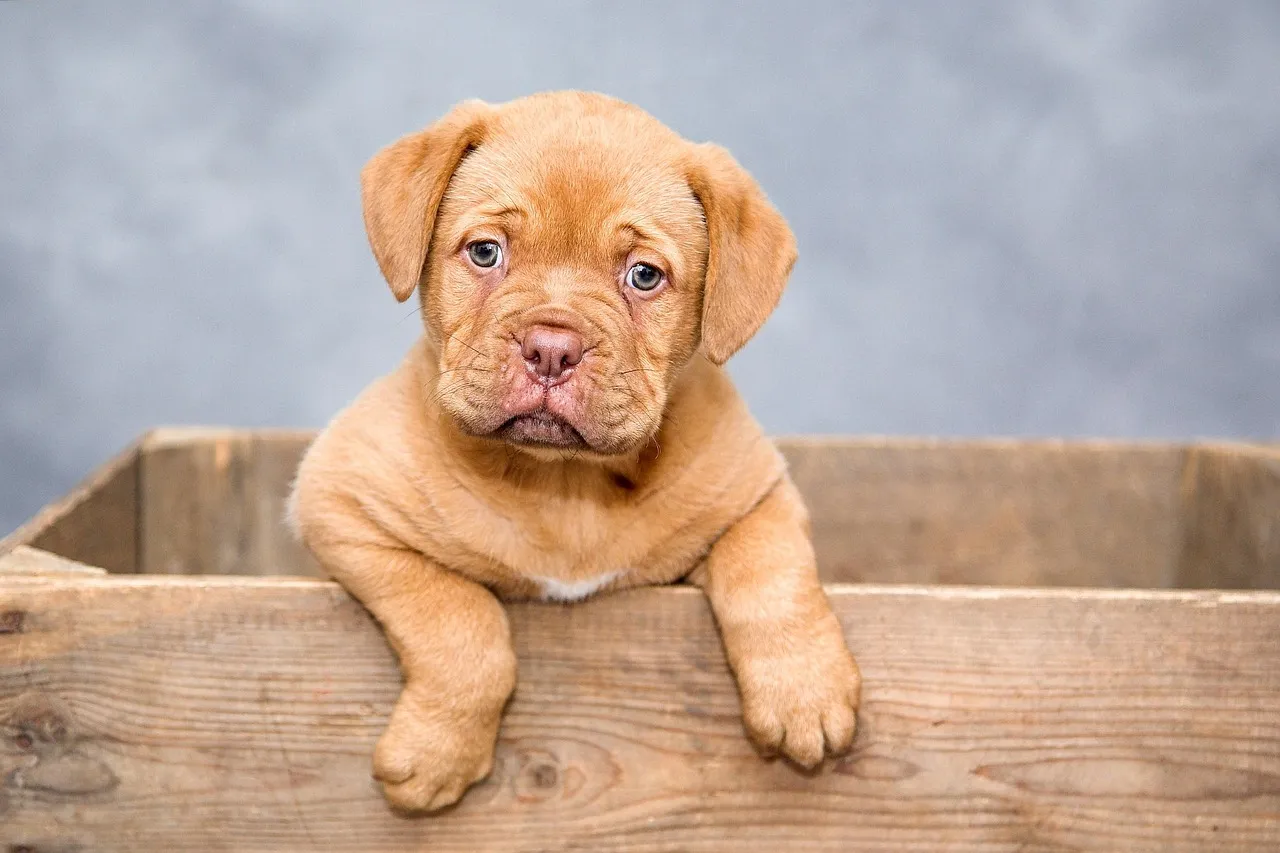
Reverse sneezing is a sudden, involuntary respiratory reflex that some dogs may encounter if their soft palate becomes irritated. This irritation causes the muscles in the soft palate to spasm, resulting in the narrowing of the trachea. It sounds alarming to new dog owners, but it’s actually very common and usually harmless.
Reverse sneezing can be caused by overexcitement, and instead of rapidly forcing air out of the mouth and nose, the air is rapidly drawn in through the nose in an attempt to clear whatever is causing the irritation. The key distinction is that reverse sneezing draws air in loudly, while a play sneeze pushes it out in a short, soft burst. They may happen close together during a spirited play session, but they aren’t the same thing.
When Should You Actually Be Concerned?
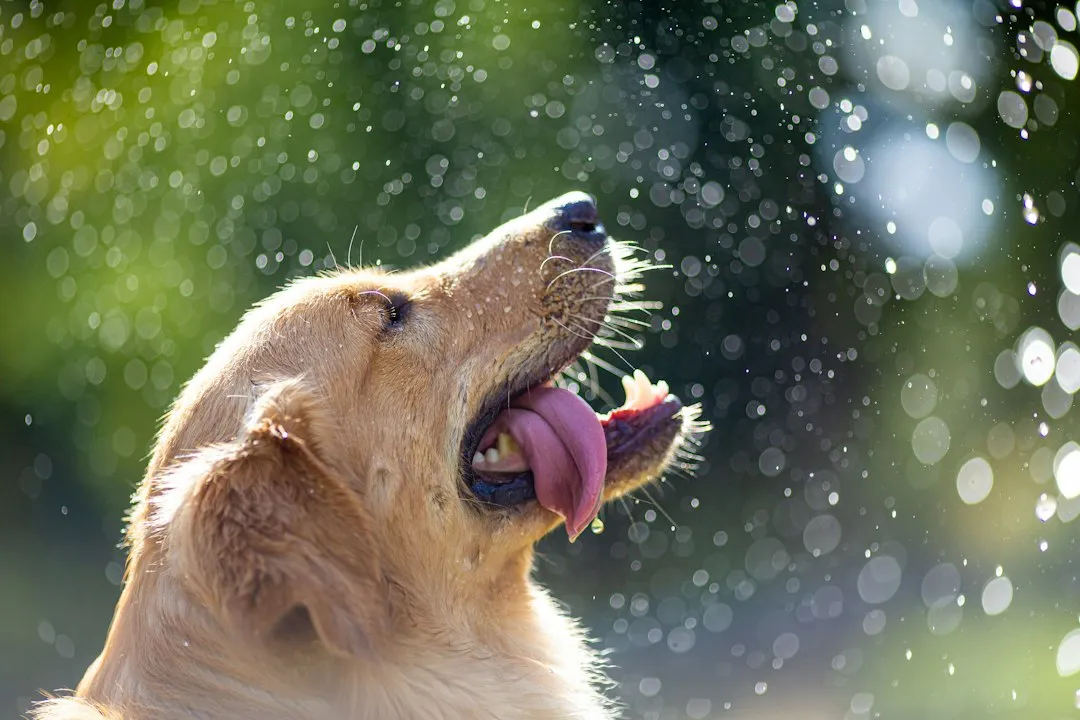
If your dog is sneezing when you’re playing together, there’s usually no need to worry. Usually the reason is a one-off reaction to something in the air or a play sneeze. However, if your dog is sneezing regularly, it could be a nasal infection.
Dogs who sneeze a lot, regardless of context, may have an underlying medical issue. Anything that causes irritation of the nose or throat can cause repeated sneezing or even a reverse sneeze, including allergens, foreign material in the nose, an infection, or rarely a tumor in the nose or throat. The consistent rule of thumb: a light, occasional play sneeze is perfectly fine, but persistent sneezing that comes with discharge, lethargy, or changes in eating habits deserves a vet visit.
The Science Is Still Catching Up
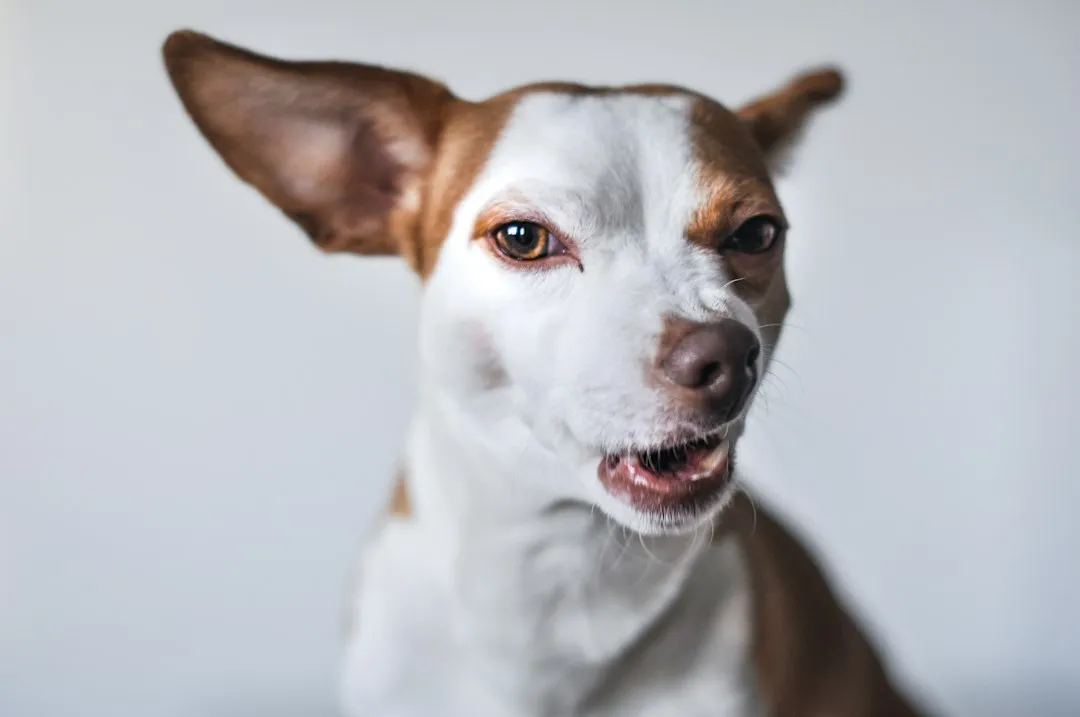
The short answer to why dogs sneeze when they play is that we don’t know for certain, because there have not been formal studies of this behavior specifically. We’re still at the exploratory stage, and good research so often begins with people observing what animals do, asking questions, and trying to figure out what’s going on.
A lot of dog behavior experts, as well as expert dog lovers, have observed play-sneezes and come up with ideas about what might be going on. The topic absolutely begs for proper research. There are many possibilities that require scientific study to sort out, and it’s very likely that more than one of these ideas is true. Different dogs may sneeze for different reasons and in different situations. For now, the leading explanations, social signaling, excitement release, and the physical lip curl reflex, all hold up under observation even if controlled studies haven’t confirmed them formally.
A Small Gesture That Says a Lot
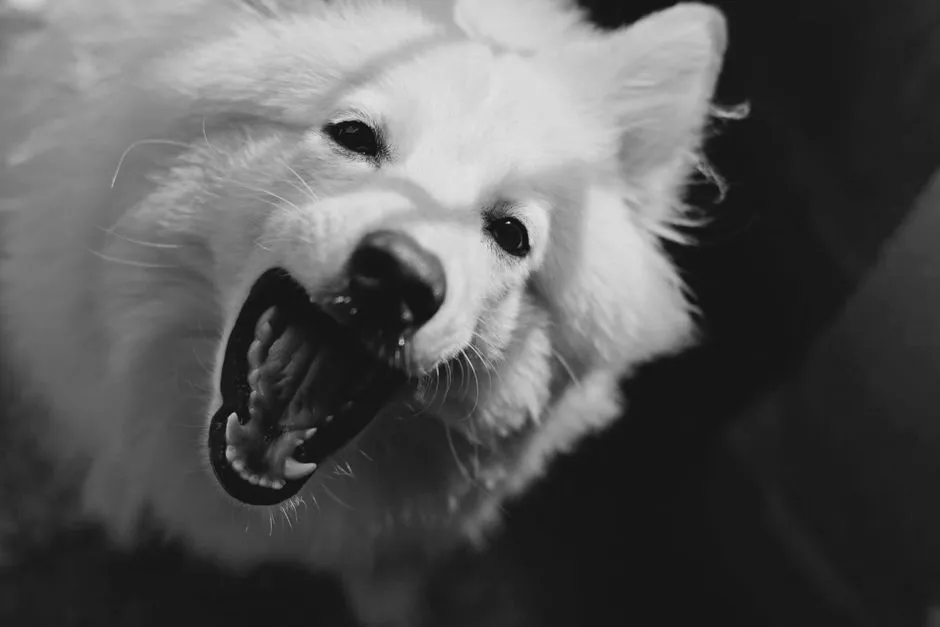
The play sneeze is one of those quiet reminders that dogs are far more expressive than they’re often given credit for. A tiny achoo in the middle of a rowdy game carries real information: I’m having fun, let’s keep this friendly, or maybe slow down just a little. Dogs are astute communicators, and their ability to use subtle cues like sneezing during play showcases the depth of their social intelligence. It’s a nuanced language that extends beyond the bounds of verbalization.
The more you watch, the more you’ll notice it. And the more you notice it, the better you’ll understand your dog’s inner state during play. That’s not a small thing. Whether it’s a reflex to dust or a way to say “I’m having fun,” playful sneezing is normal and healthy, and learning to recognize and interpret these signals not only helps you understand your dog better, it also deepens your bond.
AI Disclaimer: This article was created with the assistance of AI tools and reviewed by a human editor.