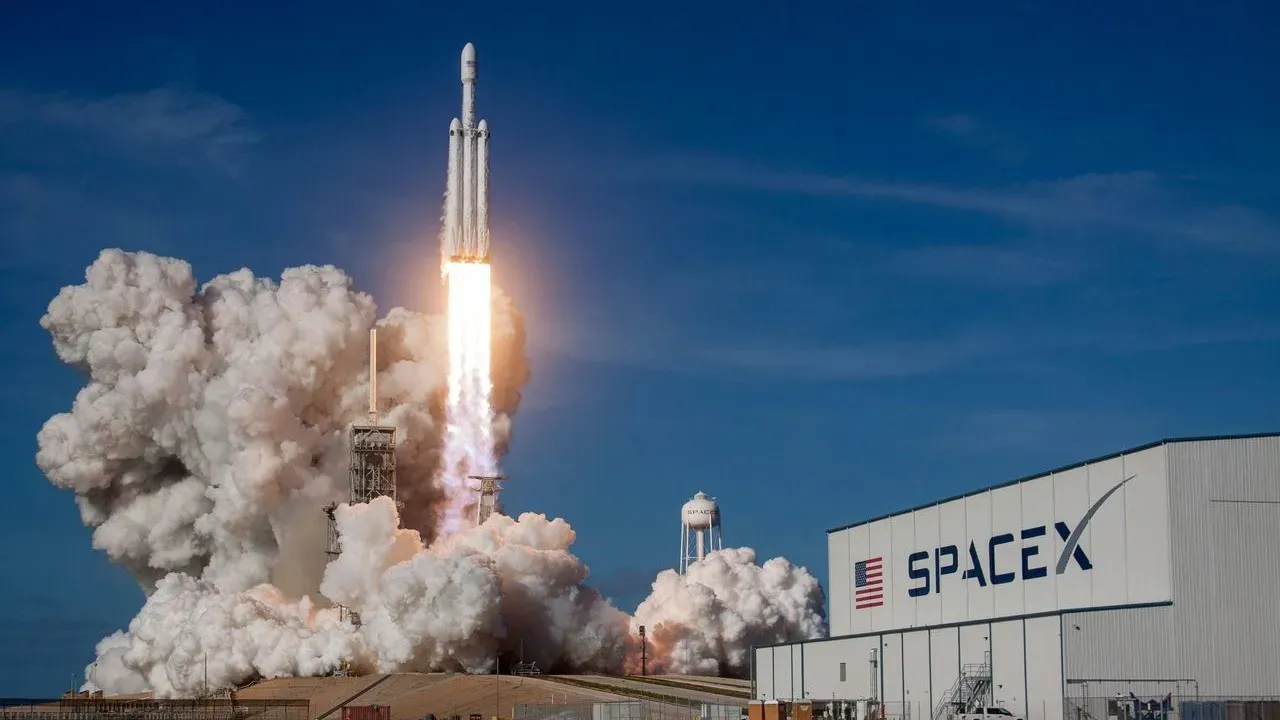

SpaceX sent its massive Starship spacecraft into orbit for the first time on a test flight that began in Texas. The vehicle carried and released the most advanced Starlink satellites developed so far before controllers ended the mission early as a safety precaution. The spacecraft completed a controlled reentry over the Pacific Ocean and landed in the water north of Hawaii roughly three hours after liftoff, well short of the planned ten-hour duration. ([1])
Launch Sets New Scale for Spaceflight
The flight marked a clear step forward for the Starship program. Engineers had designed the vehicle as the largest rocket ever built for orbital operations, and the successful liftoff from Texas demonstrated that the full stack could reach the speeds and altitudes needed for a true orbit. Observers noted the sheer size of the booster and spacecraft combination as it climbed away from the launch site. The test also highlighted how quickly the program has progressed from earlier suborbital hops to this orbital attempt. Each prior flight had gathered data on engines, heat shielding, and flight controls. This mission built directly on those lessons by pushing the vehicle into a full orbital trajectory for the first time.
Starlink Payload Reaches Its Target
Once in orbit, Starship released its cargo of next-generation Starlink satellites. These units represent the latest iteration of the constellation hardware, with improvements aimed at higher performance and greater reliability. The deployment itself proceeded as planned and confirmed that the spacecraft could serve as a heavy-lift platform for operational payloads. The successful release of these satellites during the first orbital flight provided immediate evidence that Starship can handle real-world missions beyond pure testing. SpaceX has long described the vehicle as a key part of its plans to expand broadband coverage and support future exploration goals.
Early End Keeps Focus on Safety
Flight controllers chose to terminate the mission after the satellite deployment rather than continue toward the original ten-hour target. The decision allowed the team to gather reentry data while avoiding any unnecessary risk. The spacecraft then followed a planned trajectory that brought it back into the atmosphere over the Pacific. Splashdown occurred north of Hawaii three hours after launch. Recovery teams monitored the area, and the controlled nature of the descent showed that the heat shield and guidance systems performed adequately for the shortened profile. The outcome preserved hardware and data for review.
Next Steps for the Program
The flight delivered a clear proof point that Starship can reach orbit and return. Future tests will likely build on the data collected during both the ascent and the reentry phases. Engineers will examine how the vehicle handled the full orbital environment and what adjustments may be needed for longer missions. The combination of a historic first orbit, successful satellite delivery, and a safe Pacific landing gives the program a solid foundation. Each completed test reduces unknowns and moves the vehicle closer to routine operations.
AI Disclaimer: This article was created with the assistance of AI tools and reviewed by a human editor.