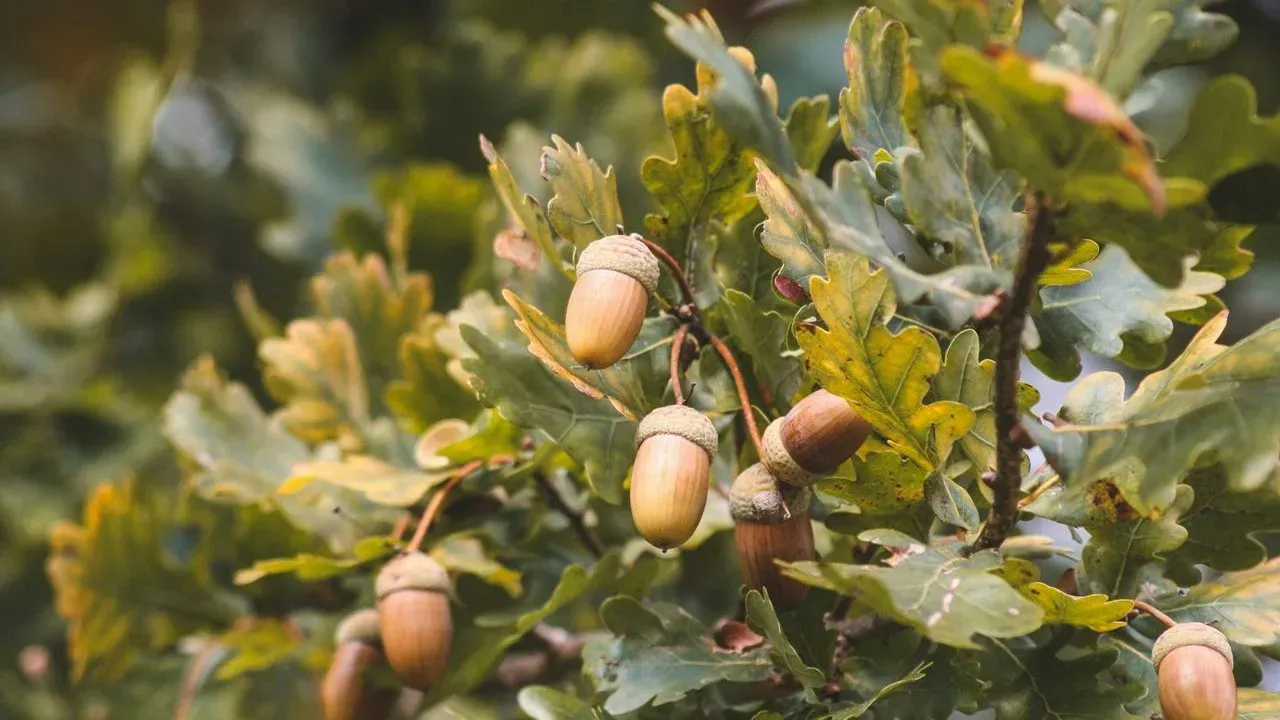

Fall brings a quiet abundance to many neighborhoods as oak trees drop their nuts. Most people walk past them without a second thought, yet acorns have long served as a staple food for indigenous communities across North America. The overlooked nuts offer a seasonal chance to gather something nutritious right outside the door. The idea draws from practical advice shared in foraging literature that highlights acorns as an underused resource amid broader concerns about food availability.
Why Acorns Deserve Attention
Oak trees produce acorns in large quantities each autumn, creating a reliable local supply that requires no planting or tending. Native peoples historically relied on them for calories and nutrients, a practice that contrasts with today’s tendency to view the nuts mainly as squirrel food. Advocates note that tapping into such existing resources challenges assumptions of scarcity that often drive larger agricultural changes. The nuts contain starches and other compounds that become more accessible once properly prepared, turning a common sight into a potential addition to the pantry.
Timing and Collection Basics
Gather acorns once they fall in autumn, choosing those without visible holes or damage. Air drying helps preserve them for later use, and even sprouted nuts can work if the interior meat remains sound. One experienced forager has pointed out that sprouting can actually improve nutritional quality by shifting starches toward sugars while making shell removal easier. The key is to inspect each acorn and avoid any that show signs of spoilage or insect activity.
Removing Tannins Through Leaching
Many oak species produce acorns high in tannins, which give a bitter taste and require removal before eating. Shell the nuts, grind them into meal, and then soak the meal in repeated changes of water until the liquid no longer darkens. A fine mesh bag placed in a flowing stream speeds the process, while a series of still-water soaks works over several days. Once the tannins are gone, the meal settles at the bottom and can be drained and dried for storage or immediate cooking.
Simple Ways to Enjoy the Results
Leached acorn meal blends into everyday dishes for added flavor and texture. Traditional preparations include a basic porridge made with just the meal and water, while modern experiments have produced items such as gnocchi. Some references mention fermented versions that develop a cheese-like quality, though details remain limited and invite further home testing. The meal can also extend or enrich breads, soups, and other staples without requiring special equipment. Foragers who try acorn harvesting often discover a direct connection to seasonal cycles that extends beyond the grocery aisle. The process rewards patience with a distinctive ingredient that was once central to many diets and remains available wherever oaks grow.
AI Disclaimer: This article was created with the assistance of AI tools and reviewed by a human editor.