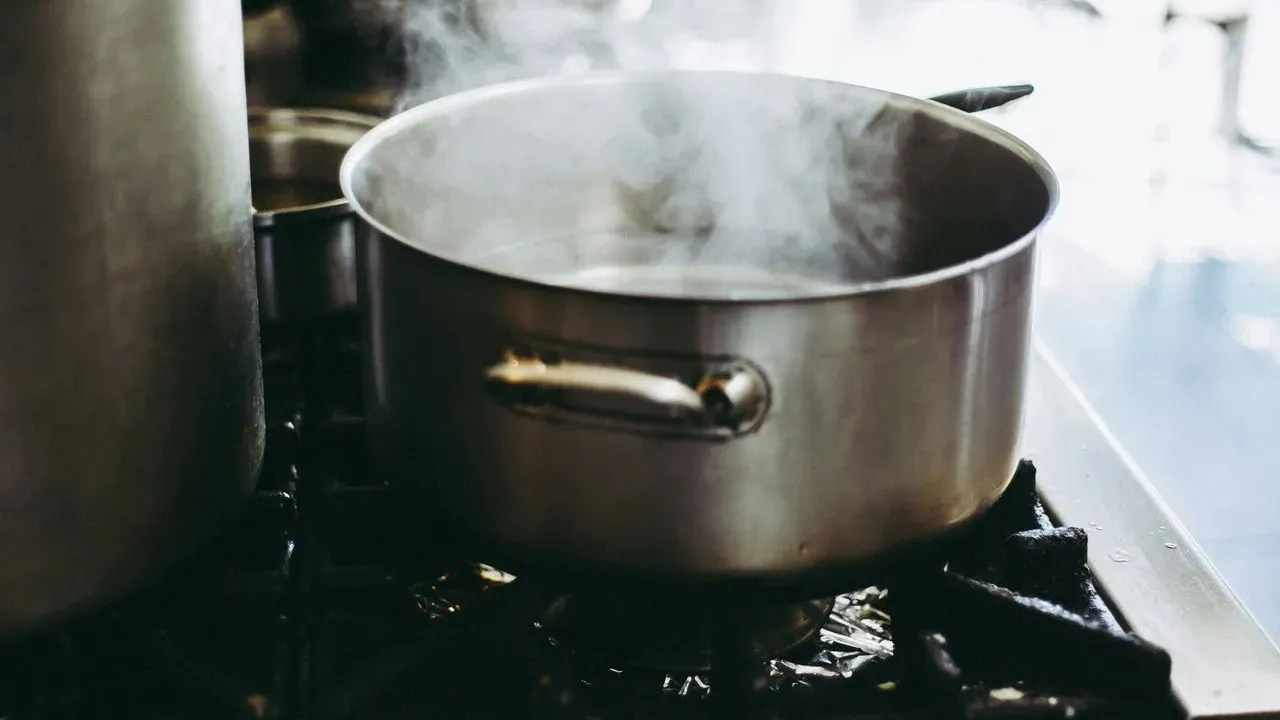

Home cooks looking to deepen the flavor of seasonal soups have a simple but effective option: begin the process in the oven rather than on the stovetop. This approach concentrates sweetness and builds savory notes through browning and evaporation, often delivering results that taste as though the soup simmered for hours. The technique draws from observations shared in recent food writing and suits gardeners who harvest tomatoes, onions, carrots and other produce at peak ripeness. ([1])
The Advantage of Dry Heat
Roasting vegetables before adding liquid allows dry heat to caramelize natural sugars and reduce moisture on its own. Onions and fennel soften at the edges while cherry tomatoes burst and their juices thicken. Anchovies or tomato paste, when included, melt into the oil and coat everything with concentrated savoriness. The result is a base that already carries most of the soup’s character before any broth enters the pot.
Many home cooks default to sautéing on the stove, yet the oven frees attention for other tasks while performing the same work more evenly. Vegetables emerge slumped and darkened rather than bright and firm. This visual cue signals that sugars have developed and edges have stuck slightly to the pot, both signs of deeper flavor ahead.
Practical Steps for Garden Produce
Start with whatever vegetables are on hand or recently picked. Fresh tomatoes, garlic, red onion and fennel work well together, as do carrots, mushrooms or even drained canned beans when the garden yield is lighter. Toss the pieces in olive oil, season generously with salt, pepper and any chosen spices, then spread them in a Dutch oven or similar heavy pot.
Push the roasting further than might feel comfortable at first. Aim for onions that look collapsed and tomatoes whose skins have wrinkled and darkened. Frozen vegetables perform reliably here too, needing no thawing beforehand. Once removed from the oven, the pot holds a sticky, aromatic foundation ready for the next stage.
Deglazing, Blending and Finishing
After roasting, add a modest splash of broth to loosen the browned bits clinging to the bottom. Scrape thoroughly so those concentrated fragments dissolve into the liquid. Blend only half the mixture to create body while preserving chunks of vegetable for texture. Return everything to the pot and simmer until the contents thicken again before gradually stirring in additional stock or cream to reach the desired consistency.
Final additions such as fresh herbs, citrus zest or a drizzle of coconut cream belong at the very end. These bright elements lose vibrancy if exposed to prolonged heat, so they restore freshness after the long roast and reduction have done their work. The method applies to tomato soups, corn chowders, bean soups and even versions built around roasted chicken thighs.
When the Oven Step Is Not Needed
Not every soup benefits from this treatment. Clear broths, delicate miso soups or bright spring pea preparations rely on freshness and clean taste that roasting would mute. Simple cream of potato or parsnip soups also stay lighter when kept on the stovetop from the start. The roasting technique shines most when the goal is depth and a sense that the soup has cooked far longer than the actual timeline suggests.
Gardeners can adapt the approach to whatever the season supplies. Summer tomatoes and herbs lend themselves to warm, spiced variations finished with coconut cream, while cooler months favor heartier roots and beans. The process remains flexible rather than rigid, rewarding experimentation with whatever produce is abundant.
AI Disclaimer: This article was created with the assistance of AI tools and reviewed by a human editor.