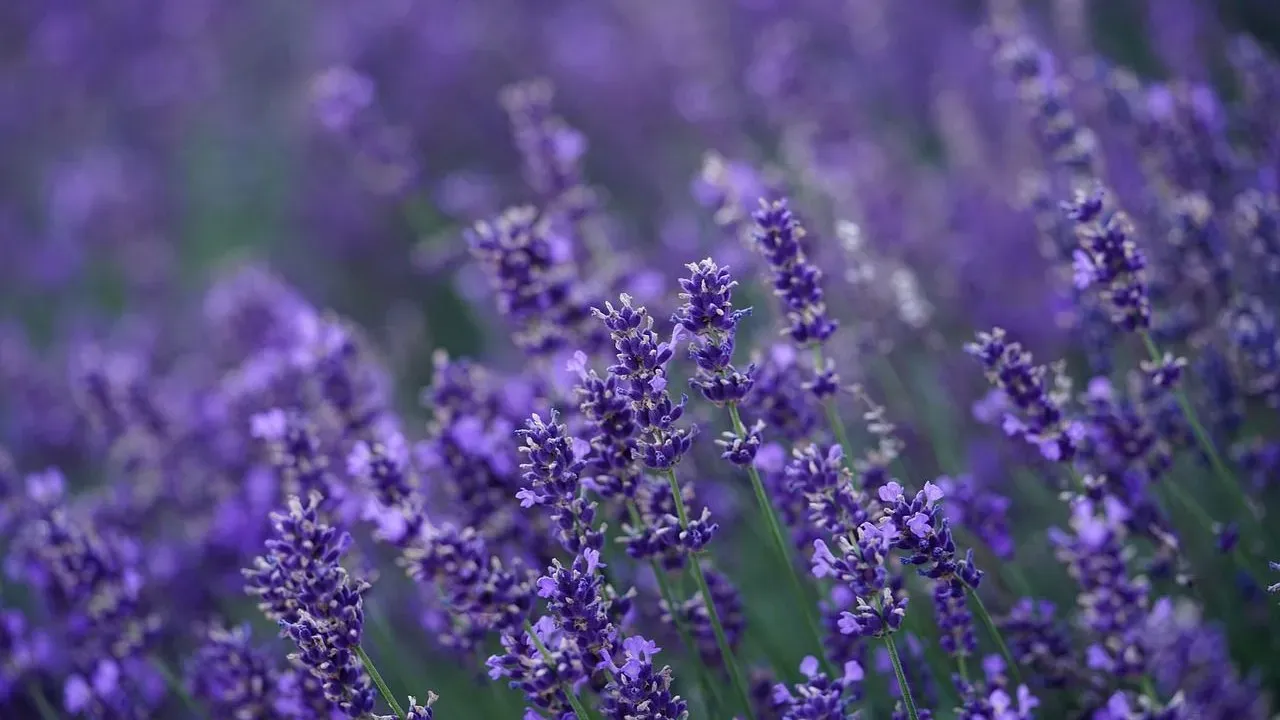

Howell, Michigan – Lynn O’Shaughnessy looked at her property and saw an opportunity to create something both structured and alive. She drew on the precise geometry of a lavender labyrinth to shape a 100-foot circle garden that now anchors the space. The result is a deliberate yet welcoming landscape that supports native plants and draws in pollinators throughout the growing season. ([1])
The Labyrinth as Starting Point
The clean lines and repeating patterns of a classic lavender labyrinth caught O’Shaughnessy’s attention and set the direction for the entire project. Rather than replicate the labyrinth exactly, she adapted its geometric discipline into a single, expansive circle. This choice gave the garden a strong visual center while leaving room for plants to soften the edges over time. The approach balanced order with the natural variation that comes from working with living materials.
Shaping the 100-Foot Circle
On the Howell property, O’Shaughnessy translated the labyrinth idea into a large-scale circular layout that organizes the space without overwhelming it. The 100-foot diameter creates a clear boundary that feels both intimate and expansive once inside. Pathways and planting beds follow the circular logic, guiding movement while keeping the focus on the plants themselves. The scale required careful planning to maintain proportions and ensure the design remained practical for ongoing care.
Native Plants at the Heart of the Design
Throughout the circle, O’Shaughnessy chose native species that suit the local conditions and support the surrounding ecosystem. These plants form the backbone of the garden, providing structure, seasonal interest, and resilience. Their presence reduces the need for intensive maintenance while contributing to a more stable landscape over the years. The selection reflects a preference for plants that belong in Michigan rather than relying on varieties that demand extra resources.
Pollinators Find Steady Support
The combination of native plants and the sheltered circular layout has turned the garden into a reliable stop for bees, butterflies, and other pollinators. Flowers bloom in succession, offering nectar and pollen across multiple seasons. The enclosed feel of the circle offers a measure of protection from wind while still allowing easy access for flying visitors. What began as a geometric exercise has become a functioning habitat that rewards both the gardener and the wildlife drawn to it. The circle garden stands as a clear example of how a single strong idea, executed with attention to place and ecology, can reshape an ordinary yard into something distinctive and sustaining.
AI Disclaimer: This article was created with the assistance of AI tools and reviewed by a human editor.