

It Has a Name: Borborygmi

The medical term for stomach growling is borborygmi. Scientifically known as borborygmi, it describes the rumbling sound of gas and fluid moving through the digestive tract. Not all of that noise comes from the stomach alone. Sounds emerge from the whole digestive system, including the small intestine and colon.
Because of all the ways the digestive tract can create noise, a noisy abdomen does not necessarily mean you are hungry. A much more reliable sign is actually feeling hungry.
Your Gut Is Always Moving
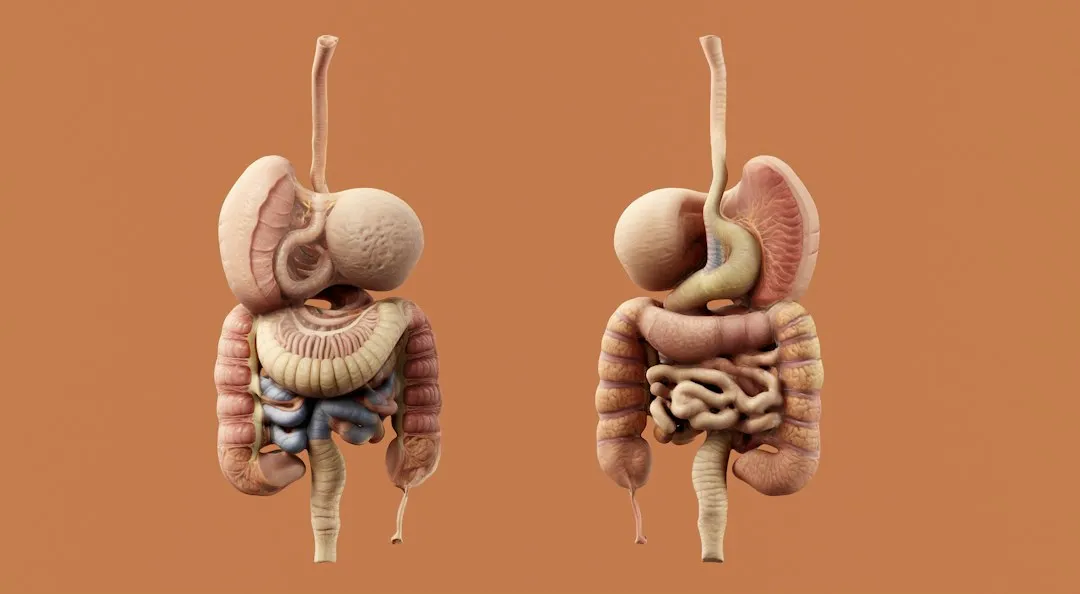
Muscles in the walls of your intestines contract and relax in a wave-like motion called peristalsis, which pushes food along the digestive tract and mixes it with digestive juices to help break it down. Even when your stomach is empty, these muscles continue to contract, albeit more forcefully.
The sounds are produced when pockets of air and fluid are squeezed through a narrow space within the intestines by those muscular actions. When the digestive tract is full of solid food, the contents act as a natural muffler, dampening the sound of the moving gas and liquid. Without that muffling, the sounds ring out much louder.
The Gut’s Built-In Housekeeping Cycle
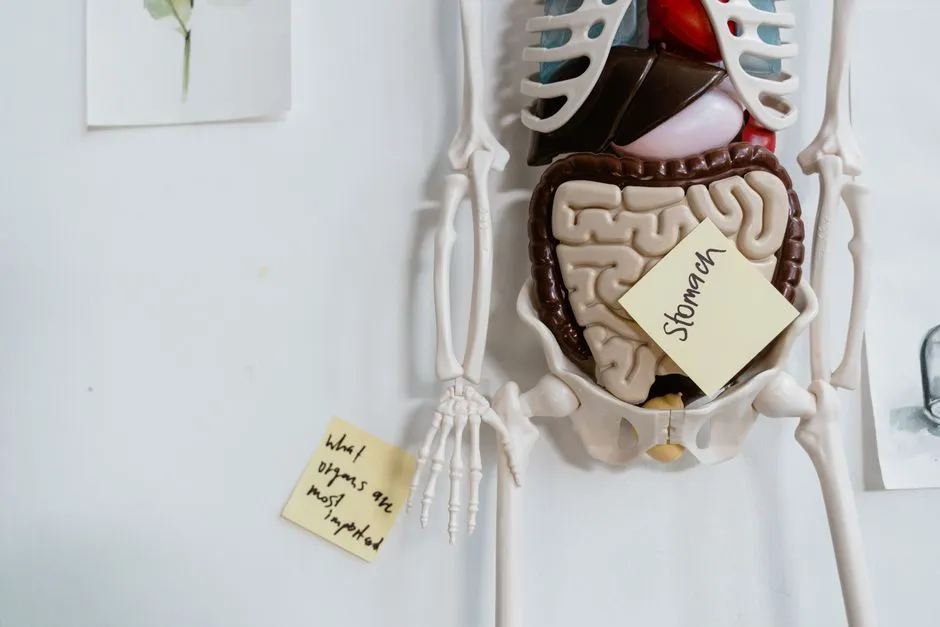
Like street sweepers cleaning up after a parade, the gastrointestinal contractions you feel are your gut’s way of cleansing your empty stomach of left-behind food particles, bacteria, and other debris. This rumbling is just one phase of a larger process called the migrating motor complex, or MMC, which ensures your stomach and intestines stay active and continue to clear away detritus between meals.
The MMC occurs roughly every 90 to 230 minutes during the period between meals and is responsible for the rumbling many people experience. The physiological importance of the gastric MMC is a mechanical and chemical cleansing of the empty stomach in preparation for the next meal. It’s less a sign of hunger and more a sign that your gut is doing its job.
Bacteria Management Is Part of the Job

The MMC doesn’t just sweep food waste into the large intestine. It also sweeps the small intestines clean of bacteria throughout the day, which is how the body naturally keeps the vast majority of gut bacteria in the large intestine and prevents bacterial overgrowth in the small intestine.
Several studies have demonstrated that abnormalities in the migrating motor complex may predispose to the development of small intestinal bacterial overgrowth, or SIBO. Research at Cedars-Sinai found that people with IBS experience these cleansing waves far less often compared to people without IBS. A poorly functioning MMC has turned up in patients with abdominal pain, nausea, vomiting, and other symptoms of indigestion.
Swallowed Air Is a Surprisingly Common Culprit

A common trigger for post-meal growling is aerophagia, which is the act of swallowing excess air. Behaviors such as drinking carbonated beverages, sipping through a straw, chewing gum, or talking while eating introduce significant amounts of air into the system.
This swallowed air creates a larger gas pocket, which, when squeezed by peristalsis, produces a louder and more distinct borborygmi sound. It has nothing to do with hunger at that point. It’s simply physics applied to plumbing.
The Foods You Eat Play a Role Too

The contents of a recent meal also influence the frequency and volume of digestive noises due to fermentation. Foods high in certain carbohydrates, such as specific fibers and sugars, are not fully digested in the small intestine. This undigested matter then travels to the large intestine, where resident bacteria go to work on it, producing gas as a byproduct.
Incomplete digestion, slow digestion, and ingestion of certain foods can all contribute to borborygmi. High-fiber vegetables, legumes, and some dairy products are common offenders, though this varies considerably from person to person based on their individual gut microbiome.
Hormones Influence the Sounds Your Gut Makes
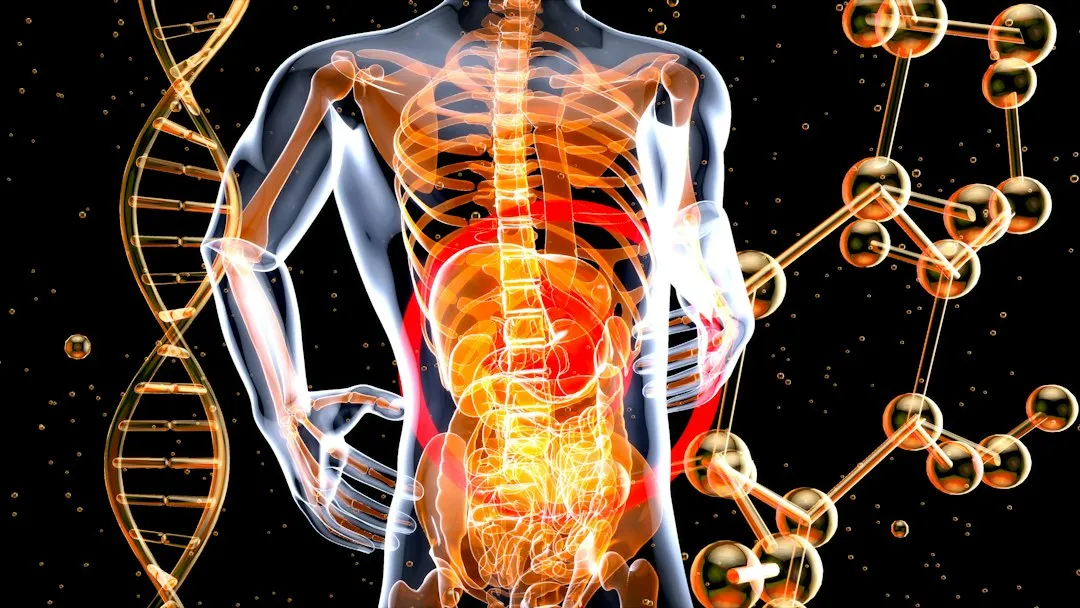
The increased contractions of the stomach and small intestine in the presence of the hunger hormone ghrelin and a hormone called motilin may explain why we associate a rumbling or growling stomach with hunger. These hormones don’t only activate when you need food. They follow their own rhythm regardless.
Hunger sensations are regulated by hormones like ghrelin and leptin, which do not always correlate with actual energy needs. So when your gut growls, it may be responding to a hormonal cycle rather than a genuine caloric deficit. The two can look and feel surprisingly similar.
Stress and Anxiety Can Trigger Digestive Noise

While a noisy gut can be caused by hunger, it may also stem from anxiety or fright. Psychological factors like stress, anxiety, and poor sleep can trigger or worsen digestive symptoms, and digestive discomfort can, in turn, affect mood and well-being.
Among the most common causes of migrating motor complex disruption is stress. Stress interrupts the signaling to the MMC, which ultimately shuts down the normal digestion process. Modern research frames this as a complex disorder rooted in the two-way communication between the brain and the digestive system, what scientists call the brain-gut axis.
When It Might Signal Something More
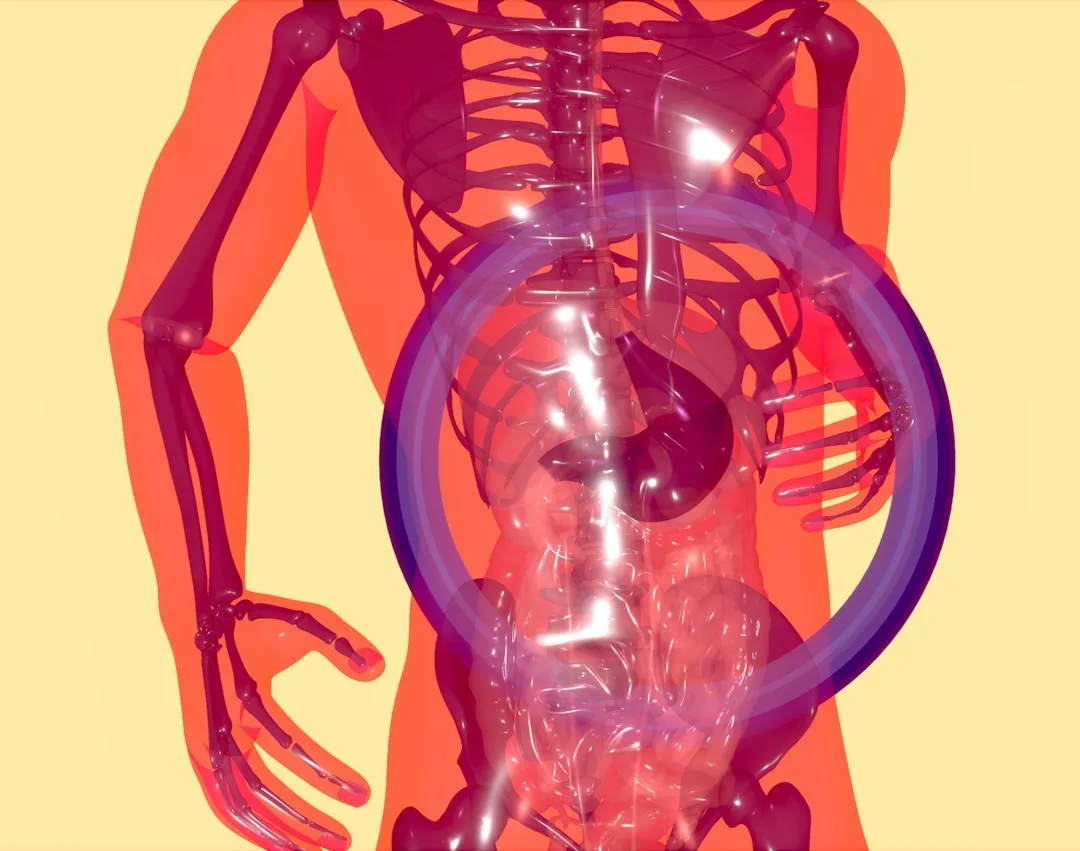
Borborygmi is usually a normal physiological occurrence, but certain characteristics suggest a need for medical evaluation. If the growling is persistent, unusually loud, or accompanied by other physical symptoms, it warrants attention from a healthcare professional.
Stomach rumbling noises are common in IBS, but particularly loud rumblings from the intestines can be caused by gut problems such as Crohn’s disease or food intolerances or allergies. Doctors will actually worry more when digestive sounds are absent than when they are present, because their absence could indicate a perforation or a section of nonfunctioning bowel.
The Silence Around You Makes It Worse

Growling is more commonly associated with hunger because it is typically louder when the stomach and intestines are empty, so the organs’ contents don’t muffle the noise. When the intestines and stomach are basically empty, there isn’t much to muffle the sound, so the borborygmi are easier to hear.
This is why the same digestive process that happens quietly after a big meal feels almost theatrical in a quiet room on an empty afternoon. The gut hasn’t changed behavior. The acoustics have. You don’t necessarily need to eat when your stomach is growling, because you may or may not actually be hungry.
A Quiet Sign of a Very Active System

AI Disclaimer: This article was created with the assistance of AI tools and reviewed by a human editor.