

Most people have felt it at some point: that subtle, involuntary fluttering just below or above the eye, pulsing away like a tiny internal alarm. It’s distracting, occasionally unnerving, and usually impossible to stop on command. For most people, it fades within hours. For others, it lingers for days, or even weeks.
Understanding why it happens, what it usually means, and when it crosses into territory worth a doctor’s visit turns out to be more interesting than you’d expect.
What Is Actually Happening in Your Eyelid
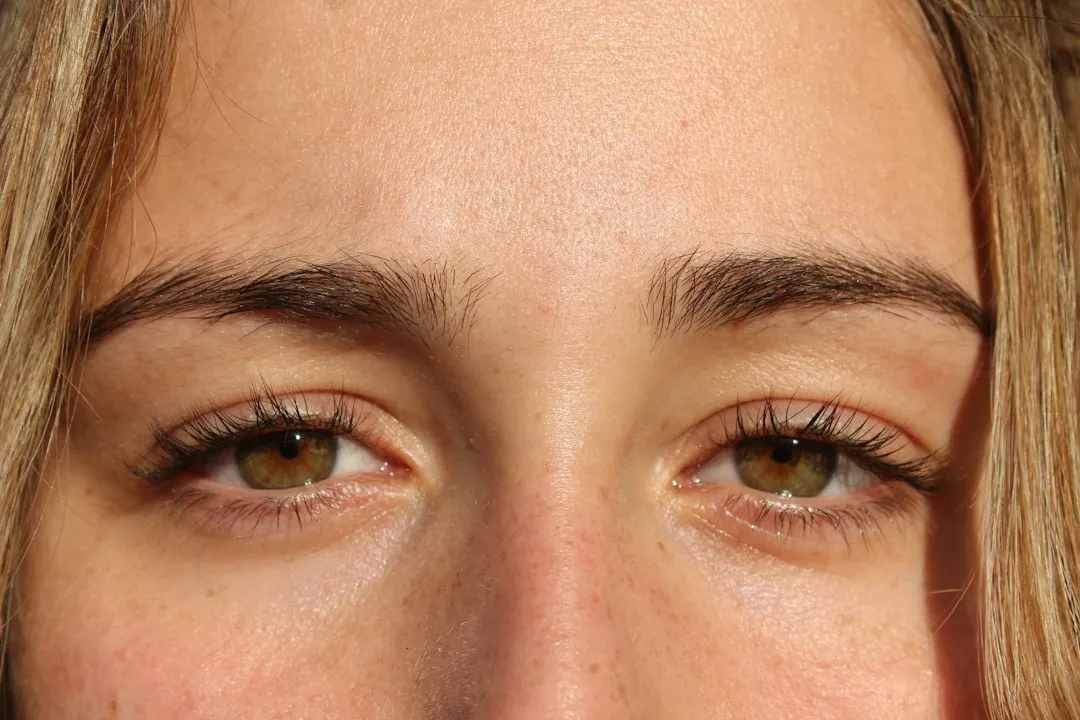
Eyelid myokymia is a slow, uncontrollable twitching that causes wavelike muscle contractions in the eyelids. It’s a specific form of myoclonus, meaning uncontrolled muscle movement, that anyone can experience under the right circumstances. The sensation is typically more noticeable to the person experiencing it than to anyone nearby.
Eyelid myokymia results from asynchronous discharges within the orbicularis oculi muscle, producing semi-rhythmic bursts. Single motor units may fire several times per second at a frequency of 3 to 8 Hz, and these discharges occur spontaneously but may be worsened by voluntary movement. In plain terms, the muscle is briefly misfiring, independent of your intention.
The twitching can involve either the upper or lower eyelid, but usually only one eye at a time. That unilateral quality is one of the clearest signs that what you’re dealing with is benign, not a sign of something systemic.
The Most Common Culprits: Stress, Fatigue, and Caffeine

Previous studies have shown that isolated eyelid myokymia is usually caused by stress, fatigue, and caffeine consumption. These three factors are so reliably linked to the condition that doctors often ask about them first before considering any other explanation.
Fatigue is cited as a major contributing factor in roughly three in five chronic myokymia cases. During sleep deprivation, the eyelid muscles are denied the rest required to maintain proper ionic balance across their cell membranes, and this lack of recovery time leads directly to muscle irritability.
Eyelid twitches are benign and usually due to stress, fatigue, nicotine, or caffeine. Most patients require only reassurance, as eyelid myokymia usually clears up on its own. The hard part, of course, is that the triggers are often things modern life makes it very hard to avoid.
Screen Time Has Emerged as a Significant New Factor

A 2024 study published in Cureus found that mean daily screen time was nearly 6.9 hours among patients with eyelid twitching, compared to just under 4.9 hours in the control group, a statistically significant difference. This was one of the first studies to directly quantify how much digital screen exposure correlates with this condition.
The study also found a strong positive correlation between the duration of eyelid twitching and the time spent in front of digital screens. The relationship wasn’t just coincidental – the longer the screen exposure, the longer the twitching tended to persist.
Prolonged screen time causes the eye muscles to remain in a state of constant focus, sometimes called accommodative effort, which can lead to fatigue-induced spasming. Taking regular screen breaks is now considered a reasonable first-line approach by eye specialists when a patient reports recurring twitches.
Sleep Deprivation Runs Deeper Than You Think

Research indicates that patients who consistently get fewer than six hours of sleep per night have a notably higher incidence of recurring eyelid twitches compared to those who reach the recommended seven to eight-hour threshold. The relationship is driven by how the nervous system manages muscle activity during rest.
During sleep deprivation, the eyelid muscles are denied the rest required to maintain proper ionic balance across their cell membranes, and this lack of recovery time leads directly to muscle irritability. A single night of poor sleep may not be enough to trigger a lasting twitch, but several consecutive short nights often are.
Electrolyte Imbalances and Nutritional Gaps

Magnesium and potassium are critical for smooth muscle function, and a deficiency in these minerals can cause neurons to fire irregularly. This is why some patients notice twitches that don’t resolve with extra sleep or reduced caffeine, only to find improvement after adjusting their diet.
Patients who frequently describe unilateral and localized involuntary contractions in the lower eyelid are often concerned that these contractions may be caused by glaucoma, refractive error, low blood electrolytes, especially magnesium levels, or neurological disease. The 2024 Cureus study investigated these concerns directly, helping clarify which ones carry real clinical weight.
Poor nutrition and lack of sleep are both recognized contributors to the condition, according to the American Optometric Association. Addressing both before seeking medical intervention is considered a reasonable first step in most cases.
Medications That Can Trigger or Worsen Twitching
Certain medications have been associated with eyelid myokymia, including clozapine, flunarizine, topiramate, gold salts, and, in isolated case reports, metformin. This is a clinically important point that many patients overlook when searching for the cause of a persistent twitch.
Eye twitching may be a side effect of medications, particularly medicine used to treat Parkinson’s disease. If you’ve recently started a new prescription and noticed a new twitch shortly after, it’s worth mentioning to your prescribing physician. The timing is rarely a coincidence.
When Myokymia Becomes Something Else: Benign Essential Blepharospasm

Benign essential blepharospasm (BEB) is a progressive neurological disorder characterized by involuntary muscle contractions and spasms of the eyelid muscles. It is a form of dystonia, a movement disorder in which muscle contractions cause sustained eyelid closure, twitching or repetitive movements. BEB begins gradually with increased frequency of eye blinking, often associated with eye irritation.
Unlike the mild flutter of myokymia, blepharospasm tends to affect both eyes and progressively worsens over time, sometimes making it difficult to keep the eyes open. It is most common in women over 50 and is treated effectively with botulinum toxin injections. The condition is far less common than standard myokymia, but it’s important to recognize because it requires formal medical management.
BEB has a prevalence of approximately 4.2 cases per 100,000 people and commonly presents in the fifth to seventh decades of life. There is a notable female predominance, with a female-to-male ratio estimated at between 2:1 and 4:1.
Hemifacial Spasm: When the Twitch Spreads Beyond the Eyelid

Hemifacial spasm involves involuntary contractions that begin around one eye and gradually spread to other muscles on the same side of the face. It is typically caused by a blood vessel pressing on the facial nerve near the brainstem. This is a meaningfully different condition from simple eyelid myokymia, and the spread of movement is the key clinical sign.
If the twitching has begun to involve the cheek, mouth, or jaw on the same side, a neurological evaluation is recommended. This spreading pattern is one of the clearest signals that the cause lies beyond lifestyle factors. Imaging studies are typically part of the workup.
When Neurological Conditions Are Involved

Very rarely, eye twitching may be a sign of certain brain and nervous system disorders. In these cases, it’s almost always accompanied by other signs and symptoms. An isolated eyelid twitch, without any additional neurological complaints, is rarely the first or only sign of something serious.
Small unilateral contractions of the facial muscles that are associated with facial contracture and weakness can indicate a pontine lesion. Multiple sclerosis and brainstem tumors are typical etiologies in those contexts, alongside stroke, hydrocephalus, and acoustic neuroma. The crucial point is that these cases come with accompanying symptoms, not a quiet, isolated flicker in the eyelid alone.
Symptoms that persist for weeks, spread beyond the eyelid, or are associated with neurological signs should prompt further evaluation. Ancillary studies such as MRI or CT may be warranted in persistent or atypical cases to exclude underlying neurological disease.
Practical Steps and When Doctors Say It’s Time to Act
Although no specific preventive therapy exists for eyelid myokymia, lifestyle modifications such as stress reduction, improved sleep hygiene, and decreased caffeine and alcohol intake can reduce symptoms. These steps address the most common underlying triggers simultaneously, which is why they tend to work.
If eye twitching lasts for weeks, or results in difficulty opening the eye or difficulty seeing, contact your eye doctor to determine next steps. The threshold most ophthalmologists use is relatively simple: if it interrupts your daily function or doesn’t improve after two weeks of addressing common triggers, get it checked.
For cases that don’t respond to lifestyle changes, the most common medication treatments are neurotoxins like onabotulinumtoxinA. They temporarily block nerve signals traveling to the eyelids. The injection points are all around the eye, just underneath the skin, and do not involve any injections into the eye itself. These medications paralyze the related muscles, keeping the twitching from happening until the effect wears off.
The Takeaway

An eyelid twitch that lasts a few days is almost always the body’s low-grade complaint about too much screen time, too little sleep, or too much caffeine. The research is consistent on this, and the fixes are genuinely simple, even if following through on them isn’t always easy.
The moment to pay closer attention is when the twitch spreads, involves both eyes, persists beyond two weeks despite lifestyle changes, or comes packaged with any other neurological symptom. In those cases, the twitch is no longer just a twitch. It’s a signal worth decoding with a specialist, and the tools to do so are well-established.
Most of the time, though, your eyelid just wants you to put your phone down and get some sleep.
AI Disclaimer: This article was created with the assistance of AI tools and reviewed by a human editor.