

A Fire Problem That Grew Fast
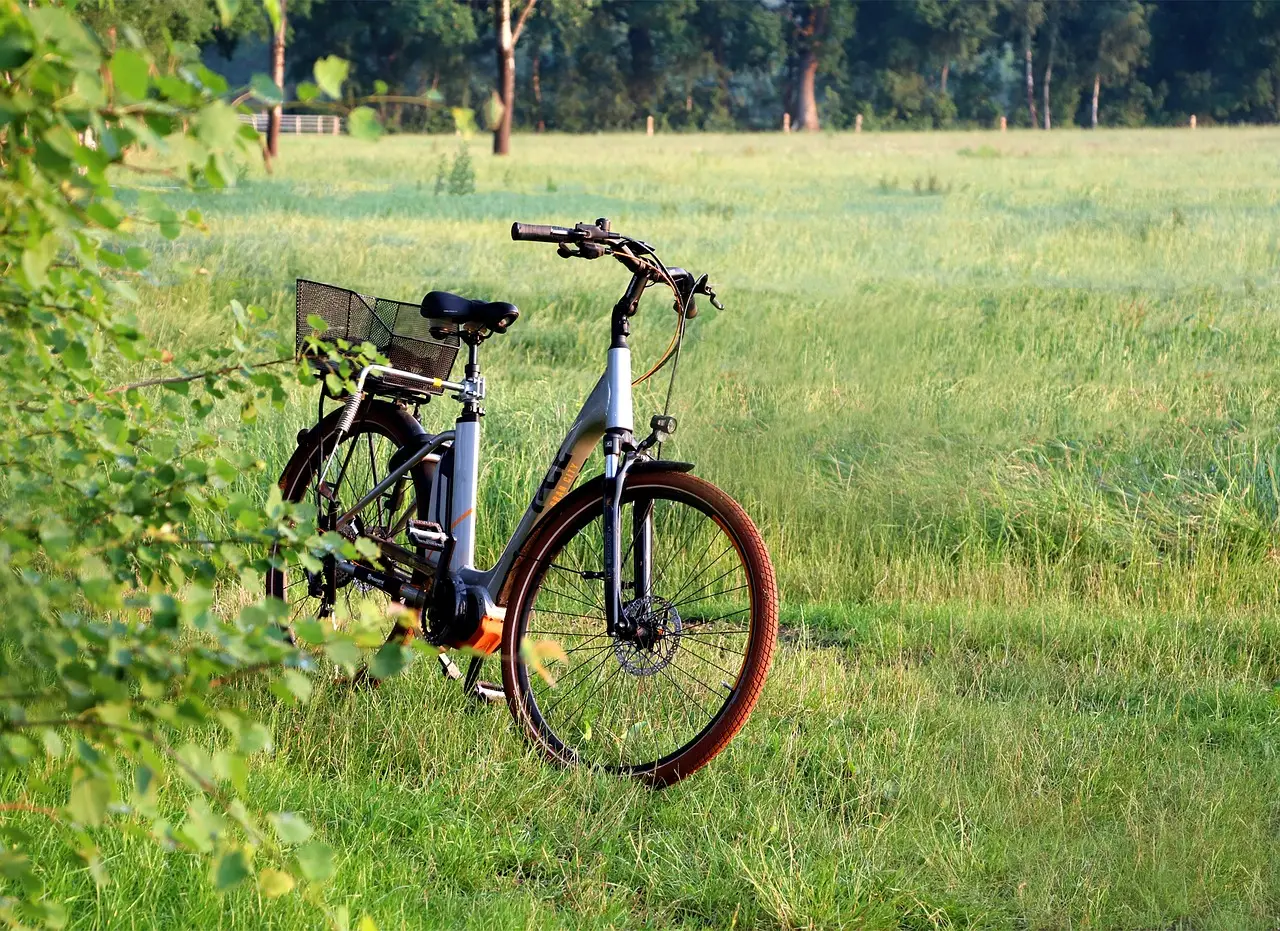
Incident reports highlight a notable upward trend, with 207 incidents reported in 2023, compared to only 26 in 2020. That near-tenfold increase happened within just four years, tracking almost perfectly with the rise in e-bike and e-scooter ownership. Data collected by QBE Insurance from Freedom of Information requests to UK fire services showed that e-bikes accounted for 362 fires in 2024, doubling from 181 in 2022.
UK fire brigades are now tackling at least three lithium-ion battery fires a day, with e-bikes linked to more than a quarter of incidents in 2024. In the United States, the picture was equally stark. In New York City alone, e-bikes sparked 267 fires which caused 18 deaths and 150 injuries in 2023, with e-bike related deaths increasing by 200% year over year.
Where Most Fires Actually Start
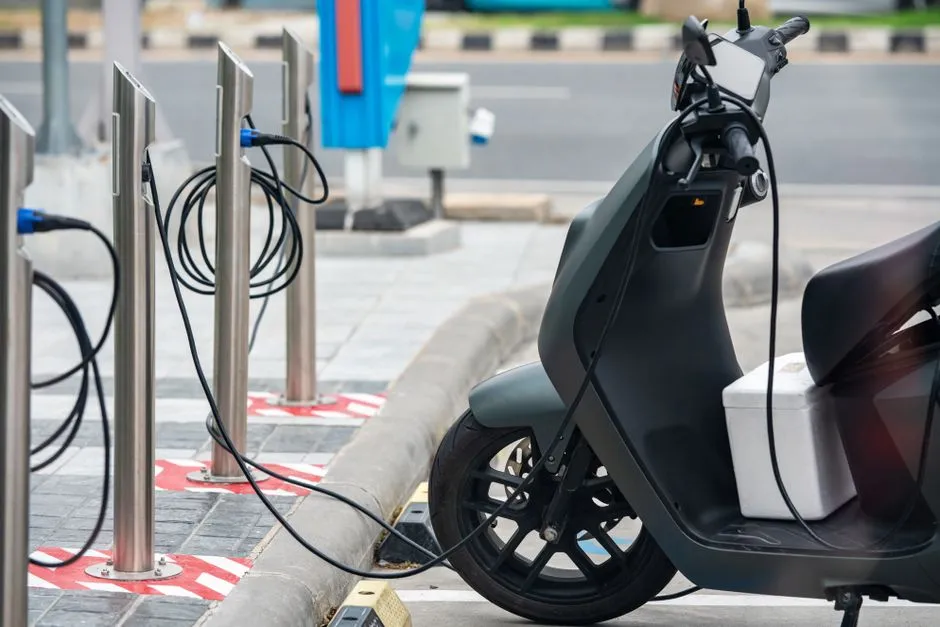
According to the UK’s Office for Product Safety and Standards (OPSS), 66% of fires involving e-bikes or e-scooters in 2024 occurred in indoor or residential locations. That’s not a coincidence. It reflects the reality that most riders charge their vehicles at home, often indoors, and often unattended.
The most commonly affected property types included single occupancy houses and purpose-built flats or maisonettes. For those fires whose location was recorded, the most frequent setting was residential properties, followed by outdoors and commercial premises. When a fire ignites inside a home, escape routes can close off within seconds.
The Charging Moment Is the Most Dangerous One
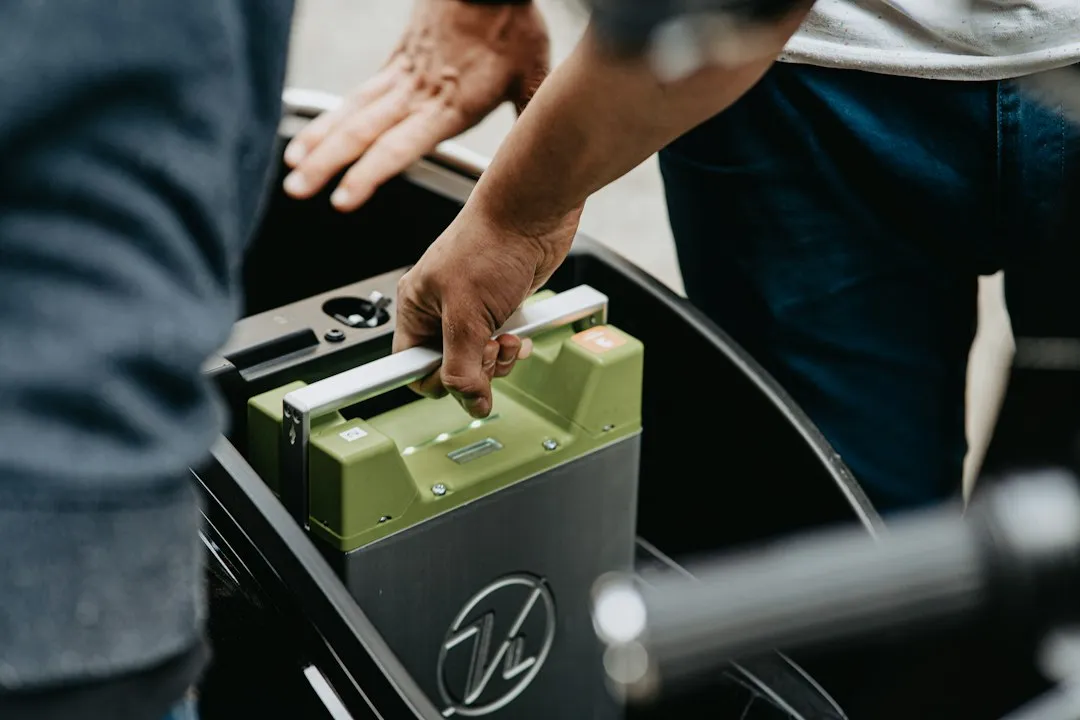
In 93% of the 2024 incidents reported to OPSS, batteries or generators were identified as the source of ignition. The charging window is when the battery is under the most sustained electrical stress. Of all 211 fires recorded in 2024, 39% were confirmed to have occurred while the product was on charge.
Converted e-bikes were disproportionately represented in charging-related fires, with 49% of incidents involving those vehicles occurring during the charging phase. E-scooter fires occurred during charging in 41% of incidents. These aren’t fringe cases. Charging is, consistently, the most dangerous moment in an e-bike’s daily cycle.
The Wrong Charger: A Surprisingly Common Mistake

Many incidents are caused by incompatible chargers, counterfeit batteries, or DIY modifications that lead to battery failure. Riders often assume that any charger with the right plug will do the job. That assumption is wrong, and fire investigators have flagged it repeatedly.
Voltage, amperage, and internal cutoff protocols in a manufacturer’s charger are matched specifically to the battery’s Battery Management System, and third-party chargers can bypass those safeguards and cause thermal runaway. The U.S. Consumer Product Safety Commission has urged riders not to use universal chargers for e-bikes or e-scooters, logging 156 fire or thermal incidents tied to these chargers in just the first part of 2024.
What Thermal Runaway Actually Means
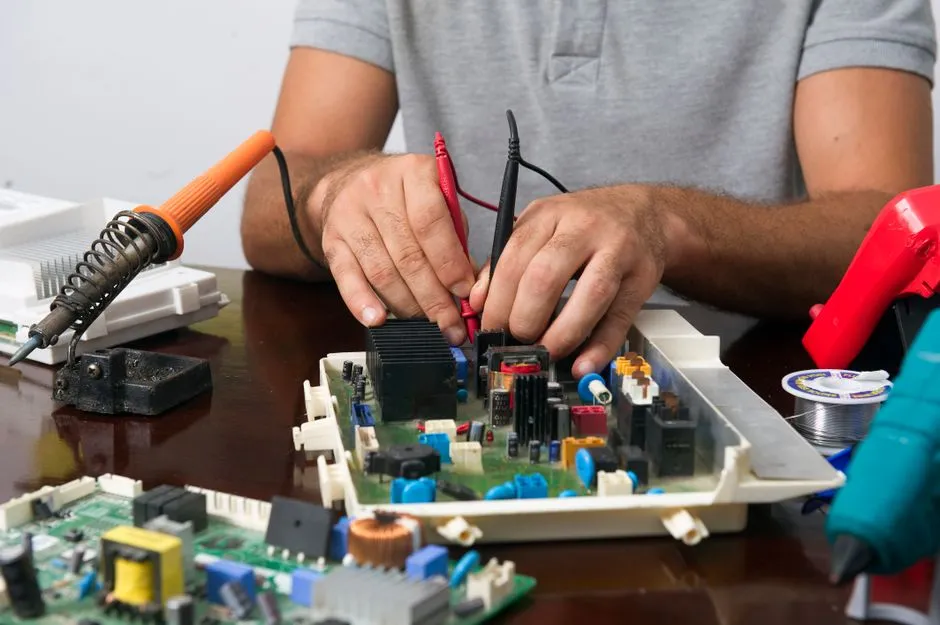
Thermal runaway is a short circuit that occurs due to a manufacturing defect, damage, or misuse. It releases heat, which leads to a chemical reaction that generates more heat, causing the cell to collapse and produce still more heat, a chain reaction that can result in fire. Once that process starts, it’s very difficult to stop.
Modern e-bike batteries pack high energy density, and when they overheat or go into thermal runaway, they can ignite and emit poisonous gases, creating a rapidly developing fire that’s very hard to extinguish. A proper lithium-ion charger uses a constant voltage cutoff around 4.2 volts per cell. Charging beyond this threshold forces unwanted reactions, plates metallic lithium onto the anode, and generates gas inside the cell. If charging continues, the cell’s pressure relief mechanism may vent gases or even flame.
DIY Conversion Kits: A Growing Threat

London Fire Brigade investigations show that lithium-ion battery failure, conversion kits, and chargers are often the cause of fires, and that items purchased online which don’t meet safety standards, whether bought new or second-hand, are particularly prone to going up in flames. Conversion kits are widely available and often cheap, which makes them attractive. The problem is that they rarely pair safely with the battery systems they’re installed on.
The lithium-ion batteries that power e-bikes and e-scooters can fail for a number of reasons, including if they have been built poorly, are counterfeit, become damaged, are overcharged, or used with an incorrect charger. Cheap e-bike batteries often lack adequate battery management systems. The BMS controls voltage monitoring and prevents overcharging, and any weak or malfunctioning BMS could allow overheating or overcharging, leading to serious consequences.
Real Tragedies Behind the Statistics

In one tragic case, eight-year-old Luke Albiston O’Donnell died from carbon monoxide poisoning after an e-bike battery caught fire while charging in the front room of his Merseyside home. An inquest determined the fire was sparked by the ignition of the bike’s lithium-ion battery. Similarly, a family in Catford, southeast London, lost their home after a second-hand e-bike battery exploded, causing a devastating blaze.
Tragically, each of the five people who have died in London fires did not own the e-bike involved. This demonstrates the devastating effect these fires can have on those who simply live with an e-bike or e-scooter user. The risk isn’t only borne by the rider. Everyone in the household shares it.
Warning Signs Riders Should Never Ignore
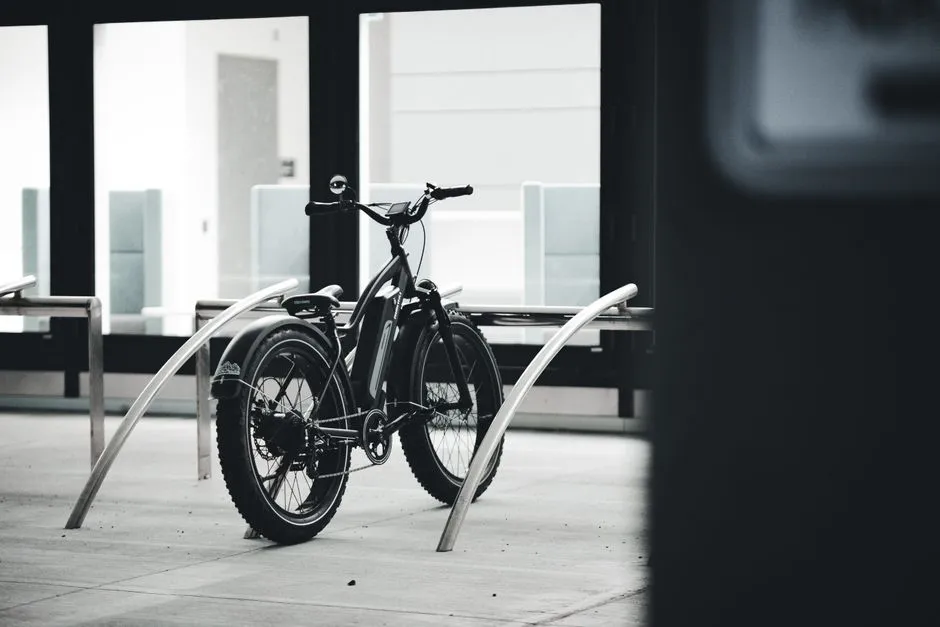
Unusual battery swelling, even slight bulging, indicates internal cell damage that could lead to thermal runaway, and swollen batteries should be taken out of service immediately. Strange odors during charging or riding, particularly sweet, metallic, or chemical smells, suggest battery chemistry problems.
Under test conditions, some packs produce a brief click followed by a hiss before thermal runaway. The National Institute of Standards and Technology reported this pattern in late 2024 as part of work on early warning systems. If you hear a click then a hiss from the pack while charging, unplug at the outlet if safe and move away immediately. Even a pack that cools down can reignite hours later.
Safe Charging: What Actually Reduces the Risk
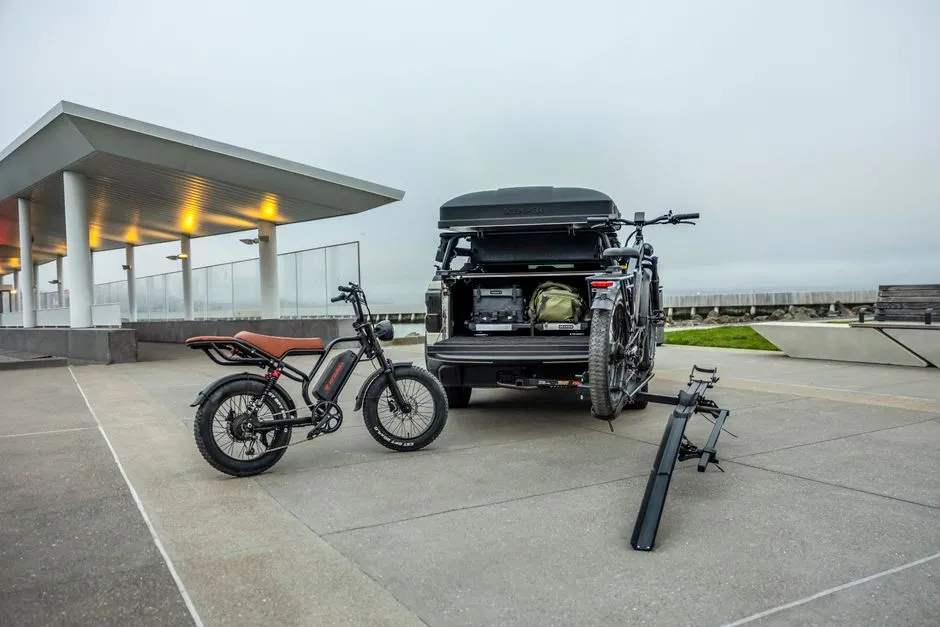
If you are looking to buy an e-bike or scooter, only purchase ones listed by a nationally recognized testing lab and labeled accordingly. If you already own one, don’t continue to charge the battery once it’s full, never use charging equipment that didn’t come with your device, and stop using your device if the battery shows signs of damage.
Charge on non-flammable surfaces such as concrete, tile, or stone, away from curtains, beds, and carpet. Avoid overnight or unattended charging, and unplug the charger once the indicator light turns green. Never charge while sleeping or away from the premises. Never charge a hot or freezing pack; let the battery adjust to room temperature for 30 to 60 minutes after riding before plugging it in. Charging below 32°F causes lithium plating, permanently damaging cells and raising short-circuit risks.
What Regulators Are Doing About It
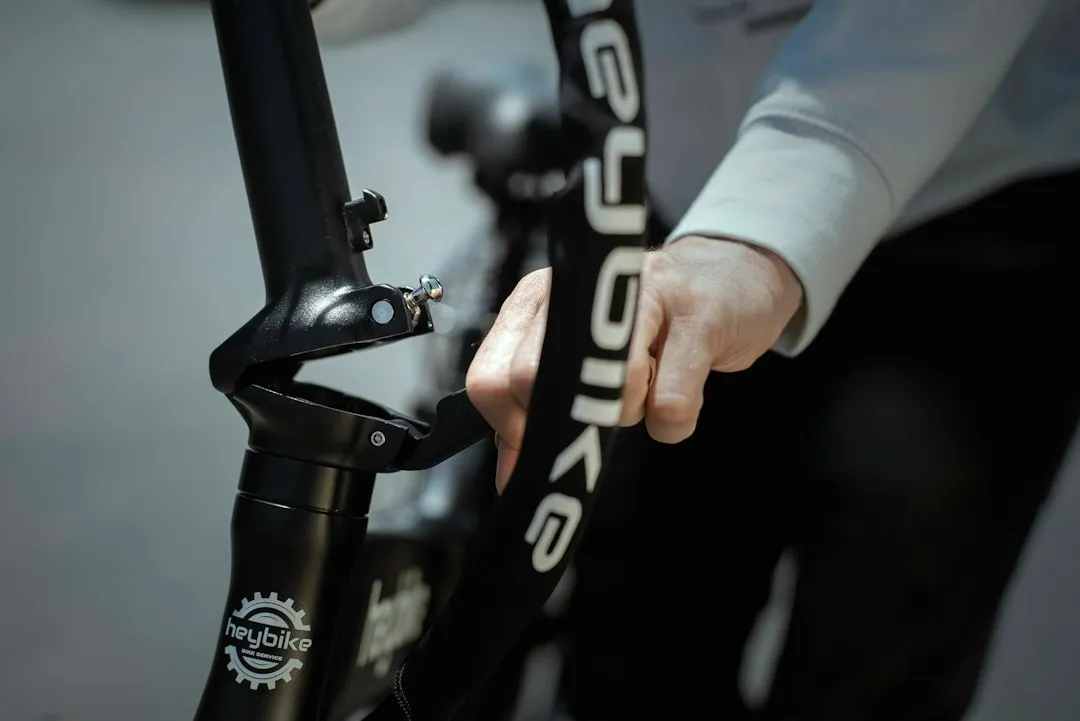
New York City law now requires third-party certification for e-bikes and related devices that are sold or leased in the city, including UL 2849 for complete e-bike systems, UL 2271 for light electric vehicle batteries, and UL 2272 for hoverboards and some scooters. Similar pressure is building in the United Kingdom. The London Fire Brigade’s ChargeSafe campaign, launched in 2023, has increased public awareness of the risks, though more work is required to educate riders, especially among gig economy workers who often use modified e-bikes for daily deliveries.
The evidence shows that the overwhelming majority of fires stem from uncertified batteries and DIY conversion systems, not from properly manufactured, UL-certified e-bikes. Regulation is catching up, but in the meantime the burden falls on the individual rider to make safer choices.
The Takeaway

E-bikes and e-scooters are not inherently dangerous products. About 1 in 15,000 e-bikes may experience a fire, and almost all of these will be due to the lithium-ion batteries. That’s a low rate in absolute terms, but one that becomes serious when millions of devices are charging indoors every single night.
The fires driving these statistics aren’t random. They follow a clear pattern: the wrong charger, the wrong battery, a DIY kit that was never designed to work with that particular system, or a device left charging overnight without supervision. Those are choices, not accidents. Preventing e-bike fires starts with using certified batteries, charging them safely, and storing them in the right conditions, and following a few basic steps can significantly reduce the risk of overheating or battery failure. Most of these fires didn’t have to happen. Most future ones don’t have to, either.
AI Disclaimer: This article was created with the assistance of AI tools and reviewed by a human editor.