

There’s something oddly unsettling about a hiccup. It shows up uninvited, interrupts a perfectly normal moment, and then vanishes without explanation, as if nothing happened. You didn’t do anything wrong. You were just sitting there.
That feeling of randomness is actually quite accurate. There is often no clear reason for getting the hiccups. What most people don’t realize is that science still hasn’t fully cracked this one open – hiccups are far more mysterious than they appear.
The Diaphragm Is the Troublemaker
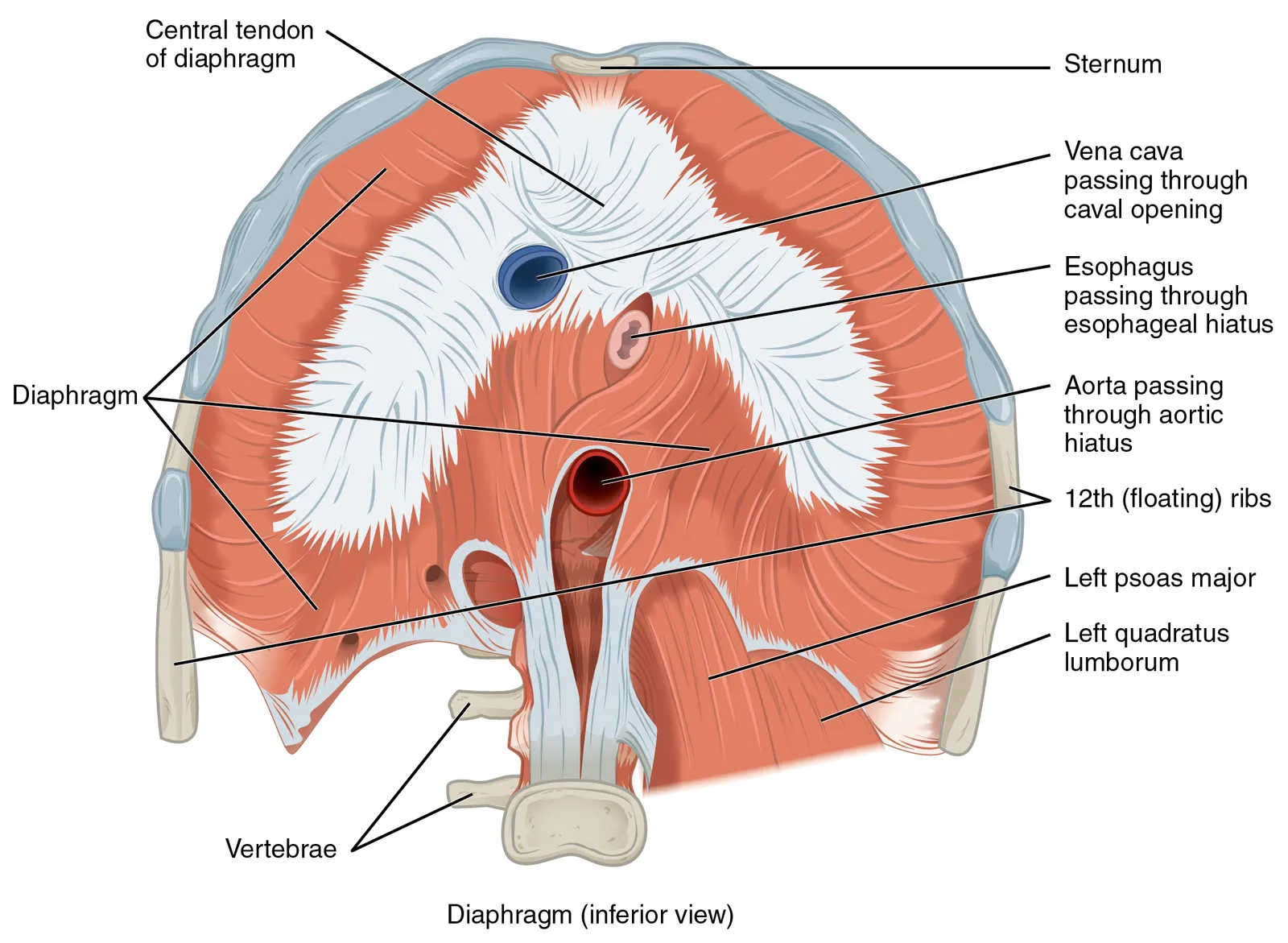
Hiccups start in the diaphragm, the dome-shaped muscle between your lungs and stomach. Normally, the diaphragm pulls down when you inhale to let air into your lungs, then relaxes when you exhale so air can flow back out. When something disrupts that smooth cycle, the whole system throws a little fit.
Your diaphragm causes a hiccup when it spasms; these twitches just happen without your control. When you hiccup, air rushes in suddenly. Your voice box closes, and your vocal folds contract, which makes that “hic” sound.
Hiccups are caused by involuntary spasms of the diaphragm and external intercostal muscles. It’s a whole-body event in miniature, not just a single muscle misbehaving.
It’s Actually a Reflex, Not a Mistake

Hiccups are the result of a reflex arc in our nervous systems, carrying a signal from our diaphragms to our brains and back. That makes them more like a knee-jerk response than a glitch. The body is doing exactly what it’s wired to do.
The hiccup reflex arc is composed of three components: an afferent limb including the phrenic, vagus, and sympathetic nerves; the central processing unit in the midbrain; and the efferent limb carrying motor fibers to the diaphragm and intercostal muscles.
The central component of the reflex lies in the medulla. Electrophysiological studies as well as the pattern of muscle contraction suggest that the center for the hiccup reflex is entirely separate from the pathways involved in rhythmic breathing. So hiccupping and breathing are genuinely two different systems.
The “Hic” Sound Has a Mechanical Explanation

Hiccups are uncontrollable muscular spasms of the diaphragm. These spasms send sudden rushes of air into the lungs, causing rapid closing of the glottis and the distinctive “hic” sound. The glottis is the opening between vocal folds in the larynx, a hollow tube in the middle of the neck.
This phenomenon represents a paradoxical movement in which the diaphragm promotes inspiration, whereas the glottis simultaneously prevents air entry. Your body is essentially trying to breathe in while blocking itself from doing so. No wonder it sounds strange.
The result is the activation of the respiratory muscles more vigorously than with normal respiration, followed approximately 35 milliseconds later by closure of the glottis. This forceful inhalation effort against the closed glottis leads to a sharp reduction in intra-thoracic pressure.
Why Eating Too Fast Sets Them Off

The causes of hiccups are varied, but typically come down to a rapid distension of the stomach, either by food or by air. When the stomach expands quickly, it pushes upward against the diaphragm, irritating it directly.
Hiccups often come after eating or drinking too much or too quickly. The stomach, which is directly below the diaphragm, becomes distended. The physical pressure is enough to set the reflex in motion, even if you feel absolutely fine otherwise.
Common causes of hiccups include eating or drinking too quickly. This leads to swallowing air, which can irritate the diaphragm. Carbonated drinks are especially effective at doing this, since they introduce extra gas directly into the stomach.
Carbonated Drinks and Spicy Foods Are Frequent Culprits

Common triggers for hiccups include overeating, consuming spicy or rich foods, and drinking carbonated beverages. These aren’t arbitrary triggers. Each one puts pressure on or irritates the structures closest to the diaphragm.
Hiccups can be triggered by gastric distention, rapid eating, or drinking carbonated beverages. The common thread across all of these is stomach expansion happening faster than the body can comfortably manage.
Spicy foods, specifically, are thought to irritate the esophagus and the nerve endings in the stomach lining. Your diaphragm can be irritated by eating or drinking too quickly, drinking carbonated beverages, or even certain health conditions or surgeries.
Stress and Emotions Can Trigger Hiccups Too

Mental conditions such as anxiety, stress, or excitement can stimulate hiccups. These psychogenic factors may raise your hiccup risk and disrupt sleep. The mind-body connection runs deeper than most people expect when it comes to this reflex.
Stress and anxiety can contribute to chronic hiccups by causing changes in breathing patterns and muscle tension, which may irritate the diaphragm and trigger hiccups. Shallow, fast breathing during moments of anxiety is especially relevant here.
Hiccups may be idiopathic, organic, psychogenic, or medication-induced. The psychogenic category is real and recognized in medical literature, even if it’s less commonly discussed than the physical triggers.
The Vagus Nerve and the Phrenic Nerve Play Key Roles
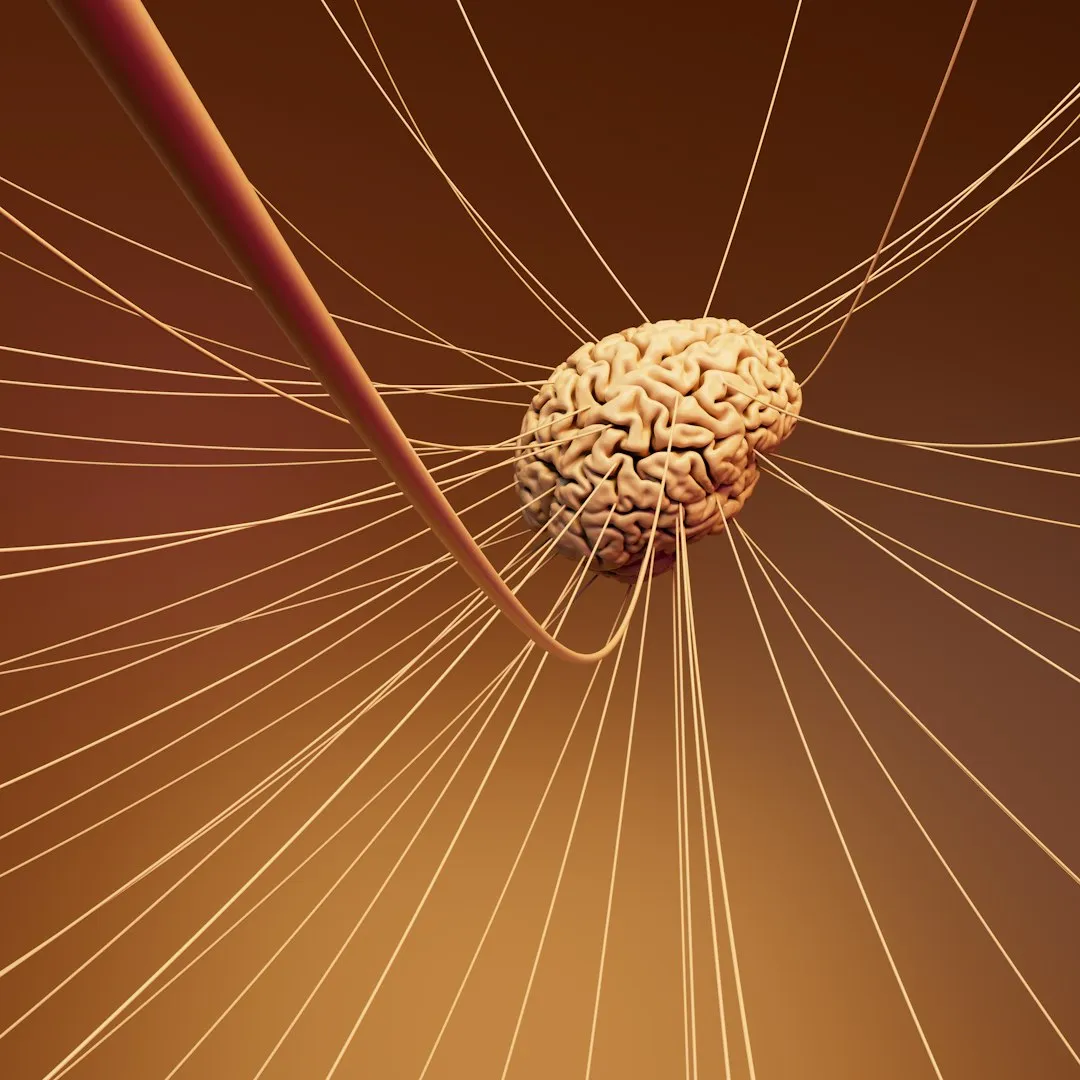
Hiccups are a complex, coordinated neurologic process. The underlying neurologic reflex arc involves afferent impulses from the phrenic and vagus nerves, as well as the sympathetic chain. Efferent impulses are sent from the phrenic nerve to the diaphragm, stimulating unilateral or bilateral contractions.
The phrenic nerve, originating from C3-C5 and innervating the diaphragm, constitutes the final efferent limb of the hiccup reflex arc. Anything that irritates this nerve along its path can, in theory, start the whole process.
One person’s hiccups were even caused by a hair brushing against their tympanic membrane, the membrane that vibrates in response to sound waves and enables us to hear. That’s how sensitive this nerve pathway can be.
May Be an Evolutionary Leftover

It is hypothesized that the hiccup reflex is an evolutionary remnant of primitive respiratory mechanisms, and may aid fetuses in strengthening respiratory muscles. Other theories suggest it is a method to eliminate unwanted gastric contents to aid in neonatal feeding.
The hiccup may have evolved to remove air from the stomachs of young suckling mammals. Under this theory, hiccupping in adults would essentially be a reflex that outlived its original purpose. The body kept the mechanism even after it stopped being necessary.
There do not appear to be documented observations of hiccups in reptiles, amphibians, or birds. The fact that hiccups seem to be a mammalian trait lends some credibility to the evolutionary explanation.
When Hiccups Are a Warning Sign

Recurring or long-term hiccups can indicate a serious underlying cause, such as neurological damage. For this reason, people should seek medical help if they last for more than 48 hours. That 48-hour mark is the line most clinicians use to separate ordinary hiccups from something worth investigating.
Research has seen hiccups triggered by trauma like head injuries, tumors or goiters, infections including meningitis and encephalitis, abdominal distension, and issues with the central nervous system like multiple sclerosis.
Most sources define “persistent hiccups” as lasting more than 2 days and “intractable” as lasting more than 1 month. Both are most likely associated with a pathologic process. “Intractable hiccups” should lead to investigation of organic pathology.
Why They Usually Stop on Their Own

Interestingly enough, the hiccup reflex is protective. Without it, we would hyperventilate. Once that protective purpose is served, or the irritation clears, the reflex simply winds down on its own.
The key to ending a hiccup session is interrupting the reflex arc, which a lot of things can potentially do. Drinking water, holding your breath, a scare, sneezing, and so many more home remedies seem to work for some people sometimes. At the same time, hiccups do tend to stop randomly on their own, making it easy to attribute their stopping to something else.
Once initiated, hiccups usually occur at a rate of 4 to 60 per minute. The frequency remains fairly constant in the individual, but can be modified by various conditions. They tend to settle into a rhythm, then fade as the triggering stimulus resolves.
The Bigger Picture: Science Still Has Questions

Hiccups are ubiquitous amongst mammals of all ages, but it may surprise you to learn that even in 2025, our understanding of them is somewhat lacking. That’s genuinely unusual for something that happens to virtually every human being on earth.
Hiccups are widely recognized as an important clinical sign among healthcare professionals, as they can present as a symptom of various conditions; however, many aspects of their underlying causes and detailed mechanisms remain unclear. A 2025 scoping review published in a peer-reviewed journal still noted that comprehensive reviews of available treatments and their corresponding evaluation metrics remain scarce, and researchers continue working to map interventions used to treat hiccups in adults.
The central neurotransmitters implicated in hiccups include GABA, dopamine, and serotonin, while the peripheral neurotransmitters are epinephrine, norepinephrine, acetylcholine, and histamine. Further studies are needed to characterize the nature of neurotransmitters at each anatomical level of the reflex arc to better target hiccups pharmacologically.
A Small Reflex With a Surprisingly Long Story

Hiccups are one of those quirks of the body that seem trivial until you sit with the science for a moment. A muscle spasm, a nervous system signal, an evolutionary echo – all wrapped into a single involuntary sound that lasts about half a second. Most of the time they’re harmless, occasionally they’re meaningful, and even now researchers are still working out the details. The next time one catches you off guard, it’s not quite nothing. It’s your nervous system doing something very old, very fast, and only partly understood.
AI Disclaimer: This article was created with the assistance of AI tools and reviewed by a human editor.