
Their Noses Are Doing Most of the Work
When you’re sad or stressed, your body undergoes real chemical changes. When humans experience emotions, the body’s chemistry shifts, and feelings of sadness, fear, or stress trigger the release of specific hormones like cortisol and adrenaline, which are excreted in sweat, tears, and even breath. Your dog picks up on all of this before you say a word.
A dog’s olfactory system is up to 100,000 times more sensitive than a human’s, allowing it to smell these subtle biochemical changes. That isn’t a rounding error. It’s an entirely different sensory world. Research highlights that dogs do not need visual or audio cues to pick up on human stress.
The Stress Smell Is Real, and Dogs Can Identify It
In a study conducted by researchers in Belfast, dogs correctly identified a person’s stress sample more than 93 percent of the time. The study used breath and sweat samples collected from people before and after an intense mental stress task. The dogs were not trained specifically for this, which makes the results even more striking.
Researchers found that not only can dogs smell stress, represented in this case by higher levels of the hormone cortisol, they also react to it emotionally. So the detection isn’t passive. It triggers a response in the dog itself.
Brain Scans Reveal What’s Happening Inside the Dog’s Head
Scientists have scanned the brains of dogs to reveal how they process various human expressions, including happiness, sadness, anger, and fear. Trained pet dogs remained awake during fMRI scans at the Medical Imaging Centre of Semmelweis University in Budapest as researchers measured their brain activity while they viewed images of human faces expressing these emotions.
The scans, carried out by a team from the University of Vienna, show how the animals’ brains respond differently depending on the expression that humans display. This was published in the journal iScience in August 2026 and represents some of the most direct neural evidence gathered so far. Brain scans show that happy human faces activate regions in dogs linked to higher-level processing and reward, suggesting that smiles carry special emotional significance for them.
Dogs Can Tell Fear and Sadness Apart

Building on earlier work, researchers found evidence that dog brains process images of distinct emotional expressions differently. Using machine learning, they showed that a different brain region was activated to distinguish between fear and sadness than between fear and anger. The specific area involved was the right rostral suprasylvian gyrus, a region not previously linked to cross-species emotion reading.
This indicates that dogs’ neural representation of human emotion goes beyond a simple good-or-bad split, and that perceiving emotion in others across species isn’t handled by one single emotion center in the brain but is spread across a network of regions working together. In short, it’s nuanced, not just reflexive.
They Read Your Face, Your Voice, and Your Posture Together

Dogs can recognize six basic emotions including anger, fear, happiness, sadness, surprise, and disgust, and process these in similar ways to humans, with changes to heart rate and gaze. They’re not relying on a single cue. They’re cross-referencing everything at once.
Research using functional magnetic resonance imaging has revealed that dogs process human vocal emotions in their temporal lobe, an area of the brain analogous to the one humans use. This means the way your voice drops when you’re tired or upset is something your dog’s brain registers and processes in a recognizable way. It’s a real signal, not just background noise to them.
Their Behavior Actually Changes Around a Sad Owner
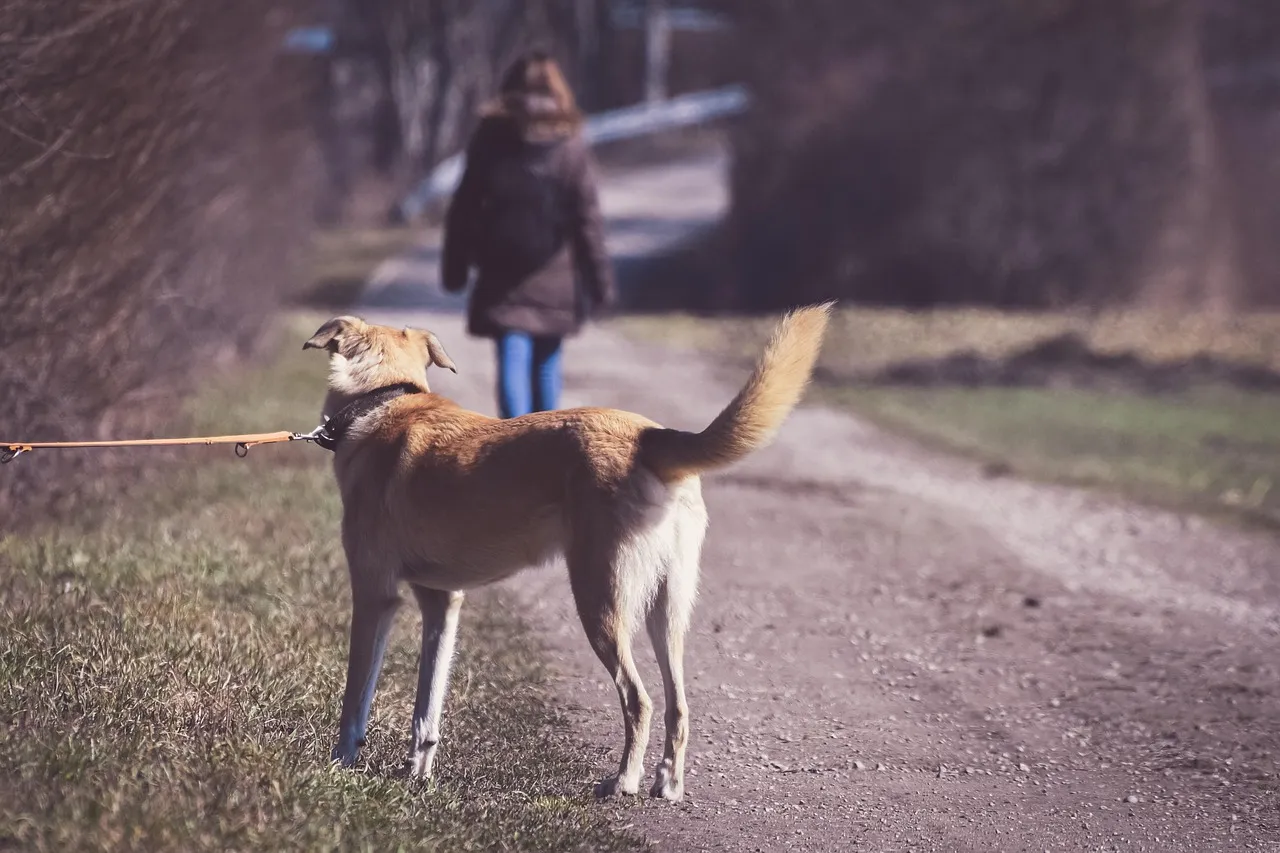
Research found that dogs behaved differently depending on their owner’s emotional state: they gazed and jumped less at owners when they were sad, and their compliance with the “sit” command was also diminished. This is a subtle but meaningful shift. Dogs around a sad person seem to soften, settling in rather than seeking play.
The results show that dogs do perceive differences in human emotion and behave differently depending on their owner’s emotional state. Dogs gazed and jumped less often and were less compliant with the “sit” command when learning a new task from a sad owner. Whether this reflects something like caution, or something closer to comfort-seeking, is still being studied.
Human Stress Affects the Dog’s Own Emotional State
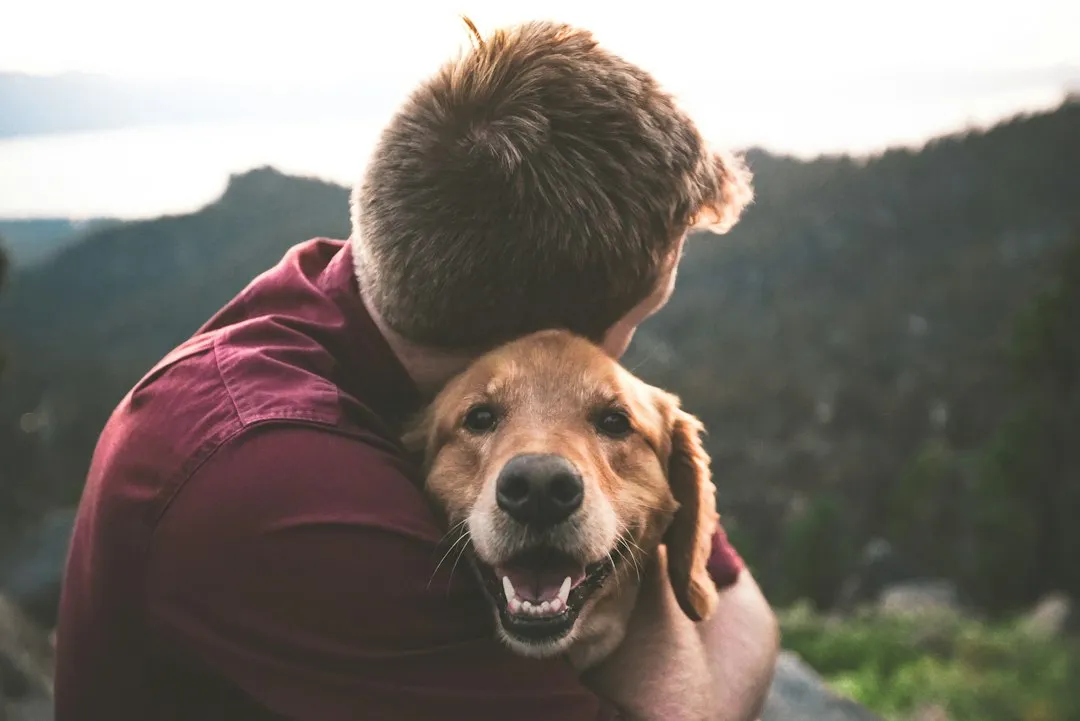
New research out of the United Kingdom suggests that the smell of human stress affects dogs’ emotions as well as their decisions, leading them to make more pessimistic choices. This emotional contagion runs both ways. Your dog doesn’t just notice your sadness. It absorbs some of it.
When exposed to stress odour, dogs were significantly less likely to approach a bowl placed at an ambiguous location, indicating possible risk-reduction behaviours in response to the smell of human stress. The study, published in Scientific Reports in 2024, was a collaboration between the University of Bristol, Cardiff University, and the charity Medical Detection Dogs. Dogs catching a human’s emotional state isn’t just sentiment. It has measurable effects on their thinking.
Thousands of Years of Co-Evolution Created This Sensitivity
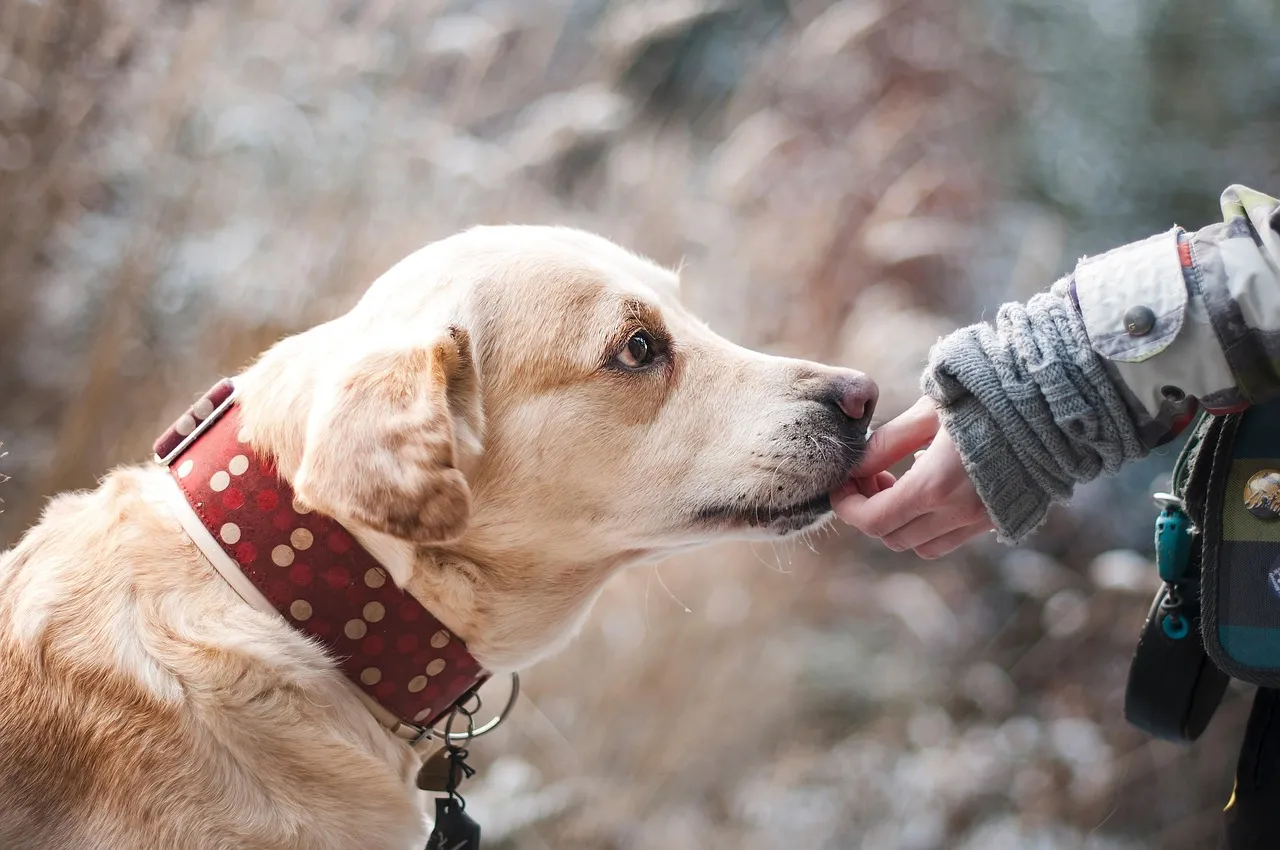
Humans and dogs have been close companions for perhaps 30,000 years, according to anthropological and DNA evidence, which would make it sensible that dogs would be uniquely qualified to interpret human emotion. This isn’t a coincidence of modern pet culture. It’s a deeply woven evolutionary relationship.
Dogs have coexisted with humans for more than 30,000 years and are woven into human society as partners. Dogs have acquired human-like communication skills and, likely as a result of the domestication process, the ability to read human emotions. The trait didn’t develop by accident. Dogs that could read and respond to human emotional states likely thrived.
Oxytocin Bonds You Together in Both Directions
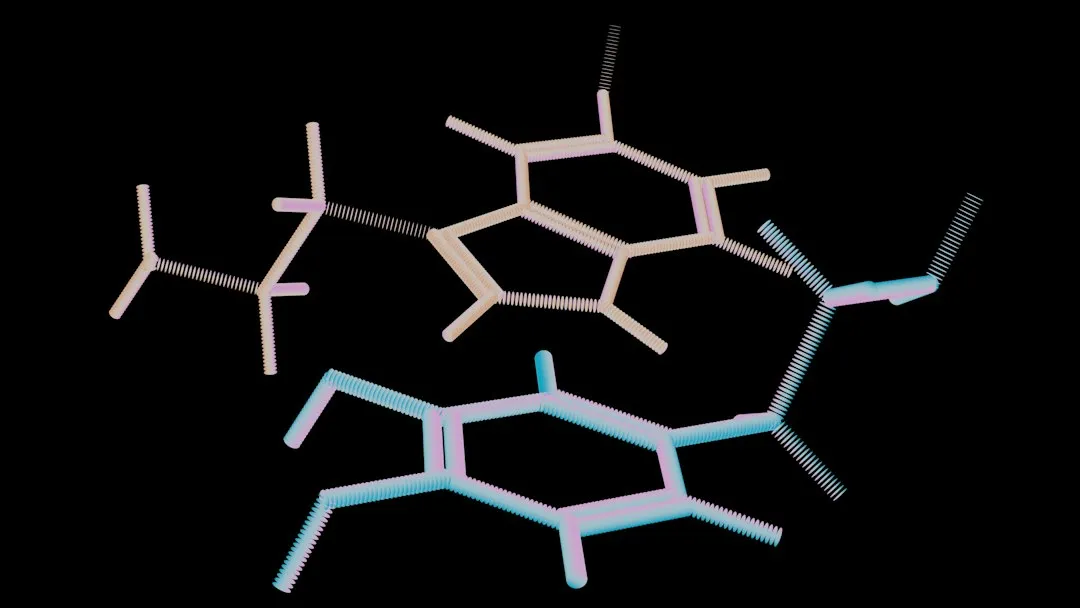
Oxytocin, as a neurohormone, plays an essential role in social behavior and emotional states, and interaction with companion animals can modulate oxytocin secretion in humans. When you look at your dog during a hard moment, something biochemical is happening on both sides of that gaze.
A study published in Science found that looking into the eyes of pet dogs can increase oxytocin levels in humans by almost 300%. Oxytocin does many things in the body, including reducing cortisol and adrenaline levels and activating the vagus nerve, all of which help a person feel calmer and more relaxed. The dog sitting with you when you’re sad isn’t just comforting. It’s chemically shifting your stress response.
Cortisol Levels Even Sync Between Dogs and Their Owners
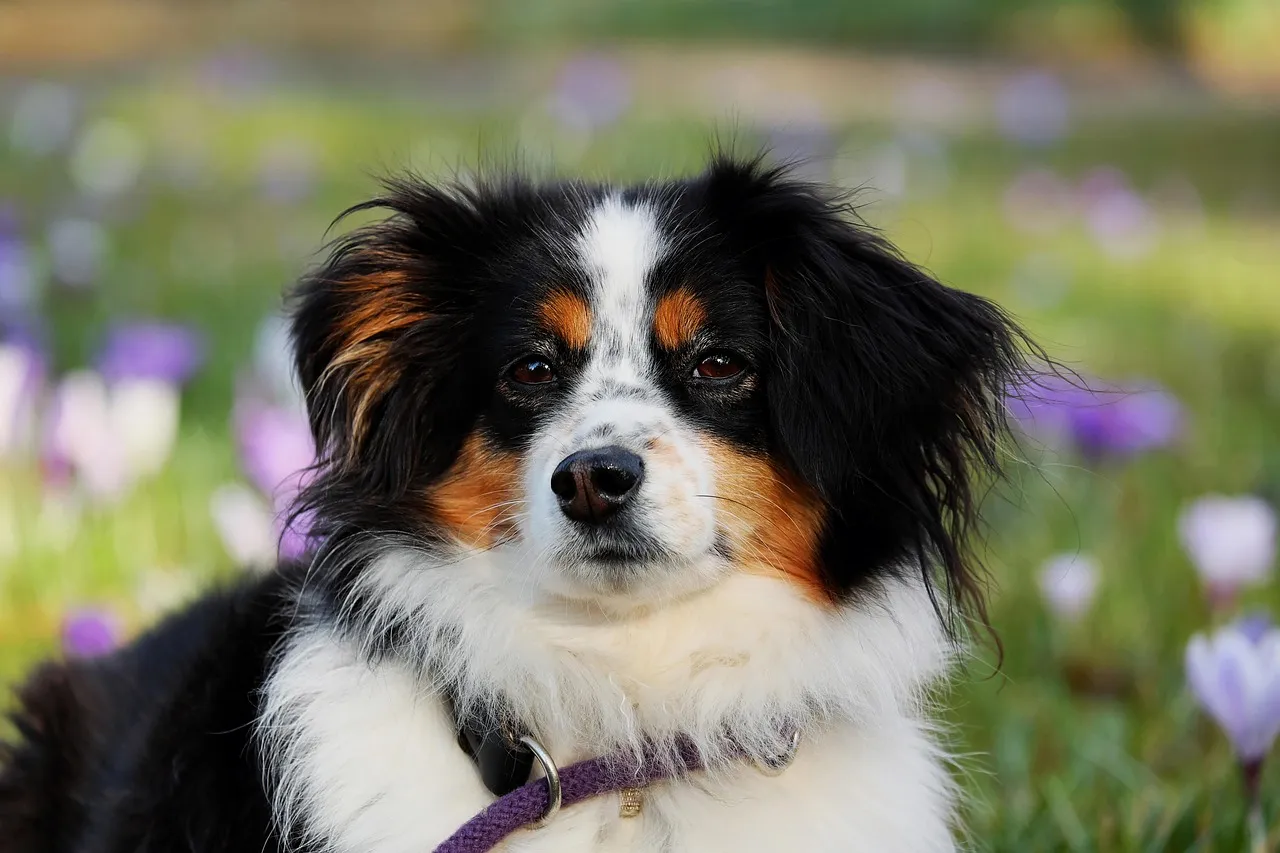
The bond between dogs and humans may be reflected in their hormones. Researchers found that participating in competitive dog trials increased levels of the stress hormone cortisol in the saliva of dog handlers and their dogs. The emotional link is biological, not just behavioral.
Previous studies have also shown that a dog owner’s emotional state can affect hormone levels in their dog. For instance, increased levels of oxytocin in puppy owners is often mirrored in their pets. The relationship isn’t one-directional. Dogs don’t just read our sadness. They carry a piece of it with them, and then something about their presence helps carry us through it.
The Takeaway

The image of a dog curling up beside someone who’s grieving is so familiar it’s almost become a cliché. What science is making clear is that the moment is anything but simple. It involves brain regions lighting up, stress chemicals being detected across a room, hormones shifting in real time, and tens of thousands of years of shared history shaping the response.
Dogs don’t just love their owners. They track them, chemically and emotionally, in ways that science is still working to fully understand. The next time your dog shows up when you didn’t ask, that quiet arrival means more than it might appear.
AI Disclaimer: This article was created with the assistance of AI tools and reviewed by a human editor.