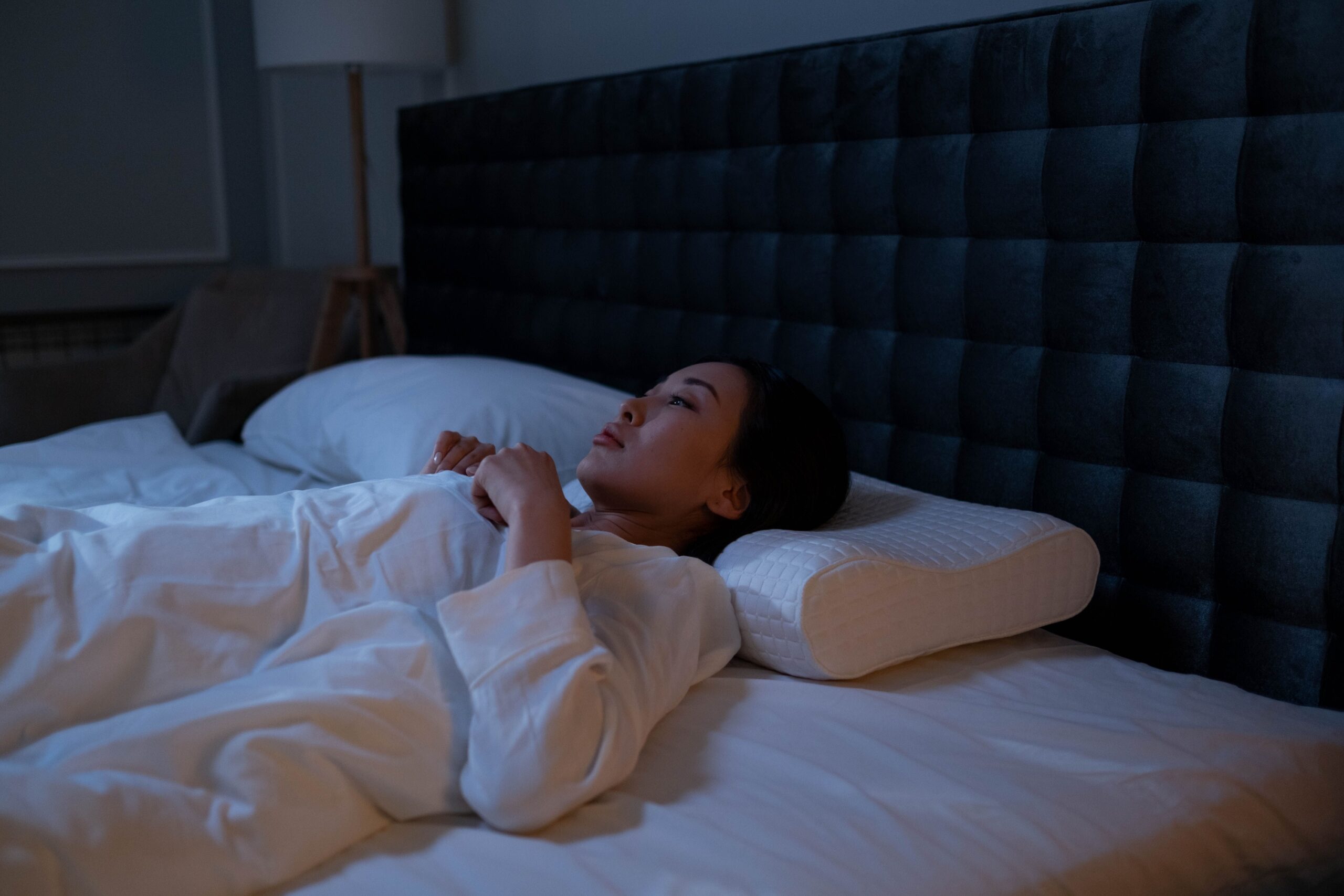

There’s a cruel irony to pre-flight nights. The more you need rest, the more your brain refuses to cooperate. You’re in bed, the alarm is set, your bag is packed, and yet sleep keeps slipping away like a poorly-latched overhead bin.
It’s not just you. This experience is remarkably common, and the reasons behind it go deeper than simple nervousness. Sleep researchers, psychologists, and now even wearable tech data are starting to paint a surprisingly clear picture of what’s actually happening in your body and mind.
The Science Is Real: Travel Disrupts Sleep Before You Even Leave
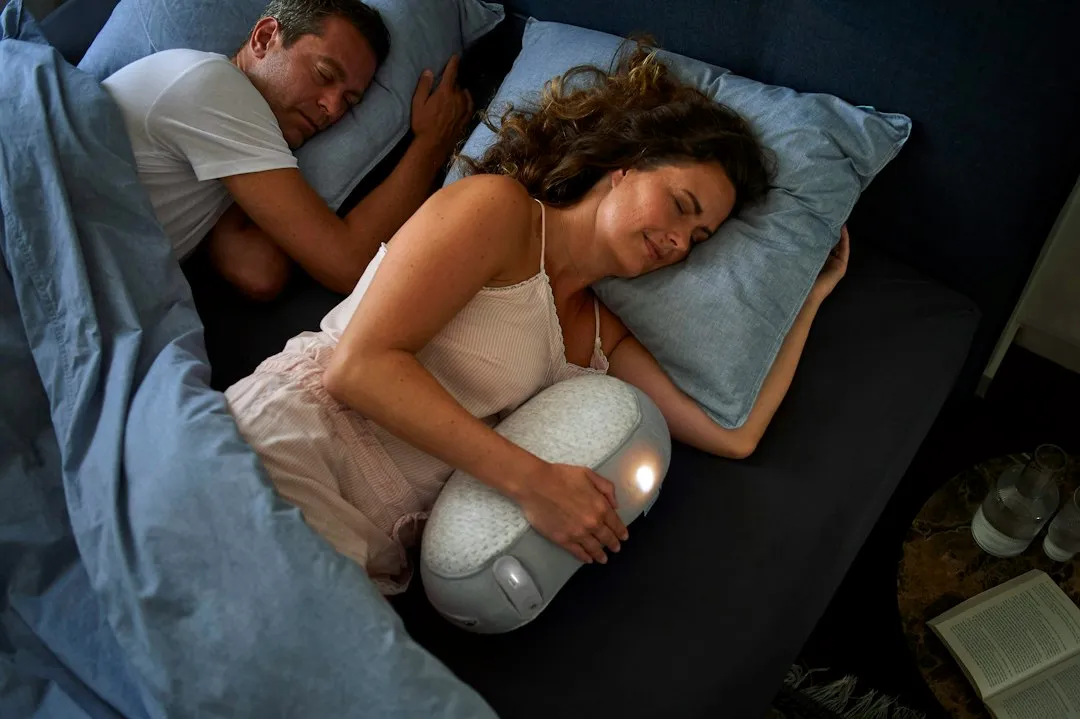
According to a large-scale 2025 study published in the journal Sleep, sleep disruption begins with curtailed sleep on the night before travel, specifically because of early awakening. This wasn’t anecdotal. The researchers analyzed sleep data from over 64,000 trips taken by more than 57,000 Oura Ring users across North America and Europe.
The growing adoption of reliable wearable sleep trackers made it possible to analyze multi-night, objective sleep data from travelers at a scale that simply wasn’t possible before. In other words, we finally have hard numbers to back up what millions of travelers have felt for years.
Your Brain Treats a 5 a.m. Flight Like a Threat
When faced with the uncertainties of travel day, our primal “fight or flight” response kicks in, sleep experts say. The brain essentially perceives the stakes of missing a flight as a genuine danger, and it responds accordingly.
The fear of missing a flight, forgetting something critical, or failing to navigate an unfamiliar transit system can generate genuine hypervigilance, a state where the brain remains on alert even as the body is physically ready to sleep. This is particularly acute for early morning departures. When the consequences of oversleeping feel catastrophic, the mind compensates by staying awake to monitor the situation.
Anticipatory Anxiety and the Cortisol Connection

Excitement and anxiety are neurologically near-identical states. Both elevate stress hormones and suppress melatonin production. That’s the core of the problem. Your body can’t tell the difference between dreading turbulence and looking forward to your destination.
The relationship between cortisol and sleep is bidirectional. Elevated cortisol fragments sleep, and fragmented sleep raises cortisol further. A 2024 study tracking this loop over nine consecutive days found that each bad night amplified the following morning’s hyperarousal, establishing a quantifiable self-reinforcing cycle. On a pre-flight night, you’re essentially stepping straight into that loop.
The “Pre-Event Arousal” Phenomenon

Sleep researchers call this “pre-event arousal,” and it’s completely normal. The issue isn’t that you’re experiencing it. The issue is trying to fight it instead of working with it. Resisting the arousal tends to make it worse, not better.
As the mind races with thoughts of packing lists, flight schedules, and travel logistics, the body’s natural sleep-wake cycle can become disrupted. The anticipation of an early morning departure or concern about oversleeping can lead to hypervigilance, making it difficult for the brain to transition into a restful state. This heightened state of alertness can persist throughout the night, resulting in fragmented sleep or even complete sleeplessness.
Cognitive Overload Doesn’t Switch Off at Bedtime

Trip planning involves holding a lot of moving parts in mind simultaneously: itineraries, packing lists, reservations, foreign currency, local customs. This kind of mental load doesn’t switch off cleanly at bedtime. The brain keeps processing.
The single biggest mistake people make is leaving packing and trip preparation for the night before travel. Your brain cannot relax when it knows there are unfinished tasks related to tomorrow’s big event. Even if the bag is physically packed, your mind may still rehearse whether you forgot anything.
One in Five Travelers Lose Sleep Over Trip Plans
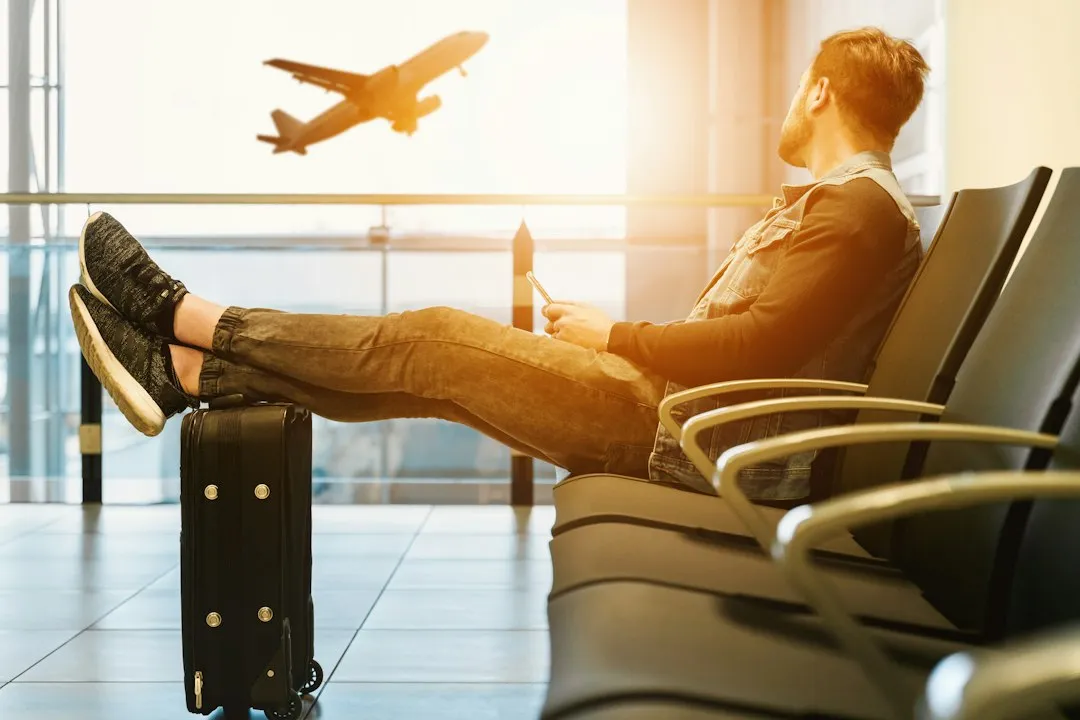
Roughly four out of five adults experience anticipatory anxiety, and for about one in five “travel insomniacs,” it is specifically their travel plans that keep them up at night, according to a survey of 2,000 people conducted by MattressNextDay. That’s a significant share of the traveling population.
Trouble falling asleep is often linked to anxiety. Travel anxiety is common and can cause problems with your sleep cycle, causing you to wake up early or keeping you awake at night with excitement or worry. Lack of sleep can make travel anxiety worse. It feeds itself, which is the frustrating part.
Your Circadian Rhythm May Already Be Shifting
Your circadian rhythm also plays a role. If you’re traveling across time zones, your brain may start adjusting your sleep-wake cycle early, especially if you’ve been thinking about the destination’s time zone. This can shift your natural bedtime without you even realizing it.
Going to bed three hours later than normal causes the same problems as traveling across three time zones. Interruptions to a normal sleep routine may make it harder to fall asleep or sleep through the night. Even small disruptions to bedtime timing can have a measurable impact on how rested you feel the next day.
Sleep Loss Before Travel Compounds What Comes After
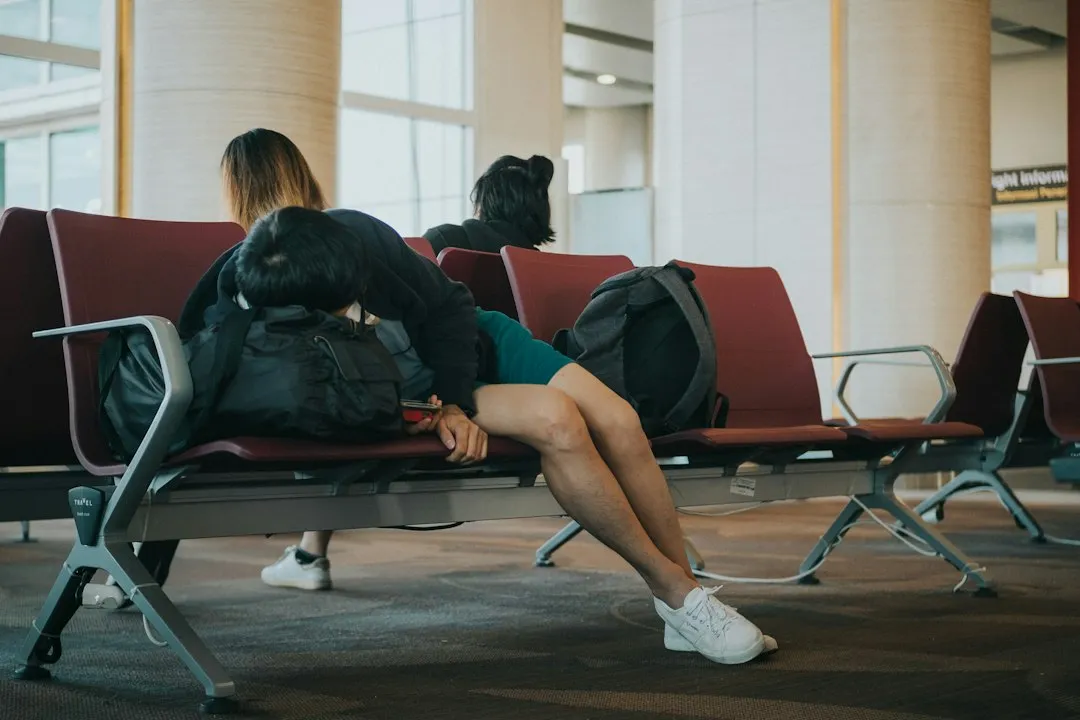
Sleep deprivation can lead to a cascade of negative effects, including decreased cognitive function, increased irritability, and a weakened immune system. The impact of pre-flight sleeplessness extends far beyond the initial discomfort. Travelers who start their journey in a sleep-deprived state are more susceptible to jet lag, which can further disrupt their sleep patterns and potentially affect the first few days of a trip.
The 2025 large-scale study found that sleep duration typically returns to baseline within approximately two days, but changes in sleep timing and structure, such as more nighttime awakenings, can take more than a week, with eastward travel and crossing multiple time zones amplifying the disruption. Starting the trip already sleep-deprived makes that recovery even harder.
Trying Too Hard to Sleep Makes It Worse
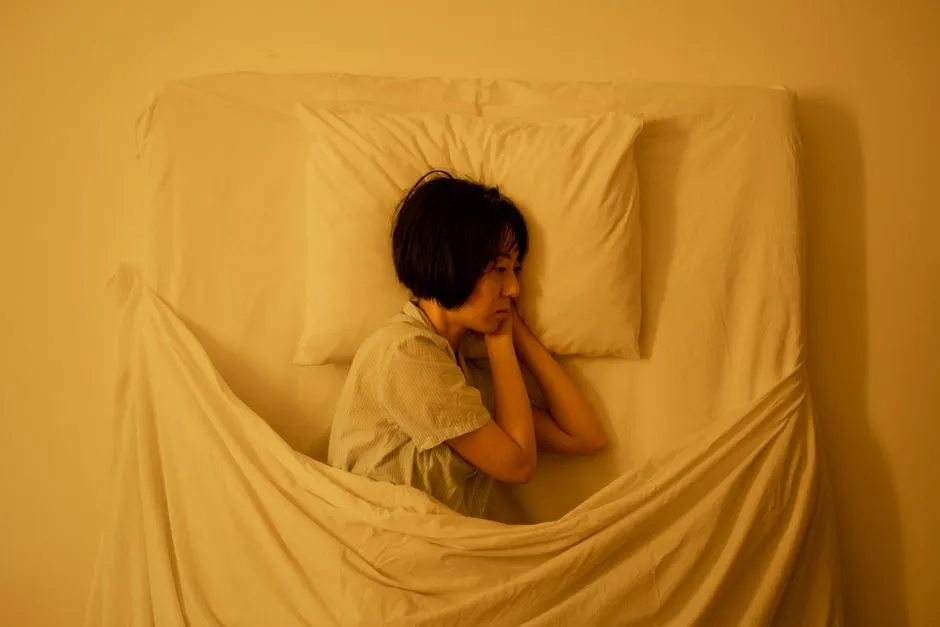
Forget everything you’ve heard about “getting extra sleep before travel.” That approach backfires because it creates pressure and anxiety around sleep performance. The harder you try to force sleep, the more elusive it becomes.
Some people develop “travel sleep anxiety,” a fear of not sleeping before trips that becomes self-fulfilling. If you find yourself worrying about pre-travel insomnia weeks before a trip, this anxiety itself has become the primary problem and deserves attention from a healthcare provider. At that point, the situation has moved beyond a quirk of travel and into something worth addressing directly.
The Irony: Most People Sleep Better Once They’re Actually on Vacation

Skyscanner’s Travel Trends 2024 research found that roughly half of US travelers say they sleep better while on vacation, citing reasons like calm, clutter-free accommodation, being more physically active and out in the fresh air, and not drinking as much caffeine as they do at home.
When we sleep, our bodies reduce production of cortisol and other stress hormones. However, stress can make it more difficult to fall asleep, and the tiredness we feel the next day can increase stress. It’s a vicious cycle, but it can be broken. The pre-flight night is essentially the storm before the calm of the actual holiday.
The Takeaway
Pre-flight sleeplessness isn’t a personal failure or a sign of weakness. It’s a predictable, well-documented response to a combination of anxiety, anticipation, altered routines, and your brain doing its best impression of an overprotective travel coordinator.
The most useful shift in thinking is to stop treating the lost sleep as a catastrophe. If you cannot sleep before a flight, there is nothing major to worry about, as it happens often with many people. Worrying more about it can make the condition worse. Prepare earlier, keep the evening calm, and trust that your body will find its footing once you arrive. The destination usually takes care of the rest.
AI Disclaimer: This article was created with the assistance of AI tools and reviewed by a human editor.