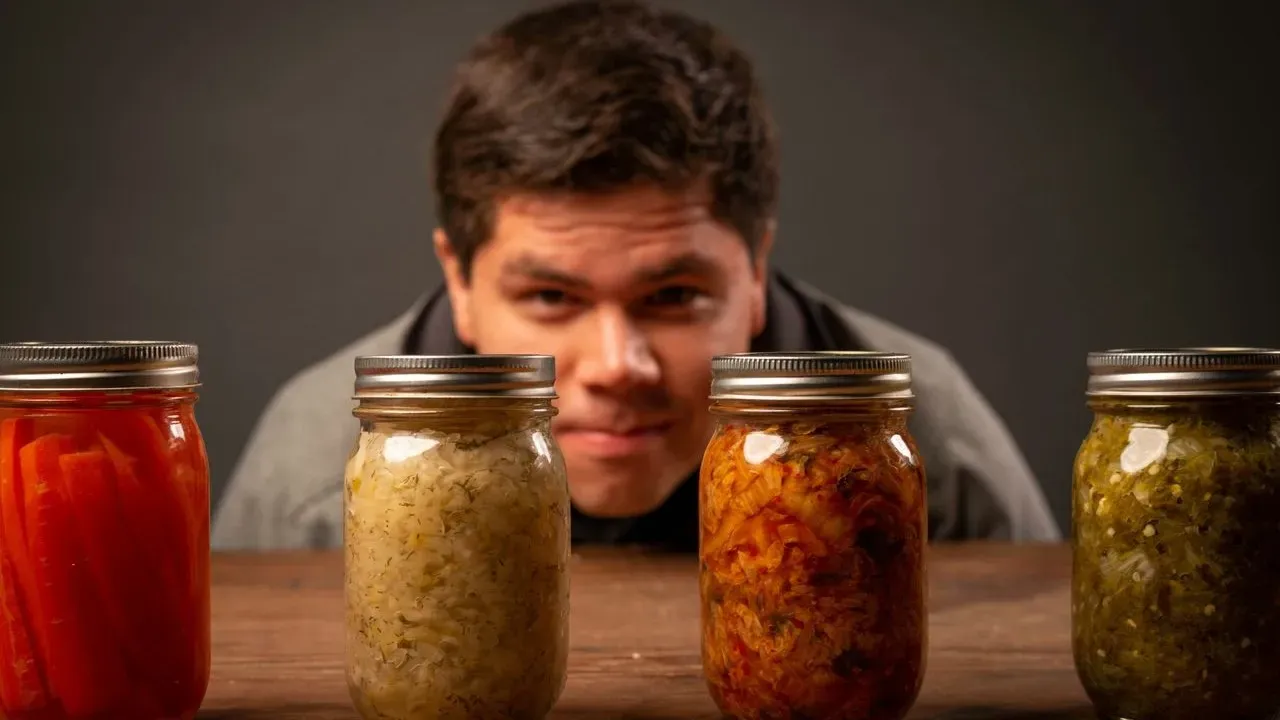

Gardeners who grow cucumbers often end up with jars of pickles lining pantry shelves or crowding refrigerator space. The question of how long those jars stay good arises every season, especially when a batch sits longer than expected. Guidance on the topic draws clear lines between different processing methods and storage conditions. ([1])
Two Processing Paths Shape Every Jar
Commercial pickles fall into distinct categories based on how they are made. Shelf-stable varieties undergo heat processing that allows unopened jars to remain safe at room temperature for extended periods. Refrigerated fresh-pack pickles skip that step to keep their crisp texture, which means they require constant cold storage from the start.
Home canners face similar choices when preserving their own harvest. A tested recipe with proper acidity and processing creates a product that behaves more like the shelf-stable type. Without that verification, any jar carries extra caution, particularly if the method cannot be confirmed later.
Timelines That Actually Matter
Unopened high-acid canned pickles generally hold best quality for 12 to 18 months at room temperature, according to standard USDA references on shelf-stable foods. Some brands extend their own guidance further, noting that certain products remain safe well past printed dates even if color or texture shifts slightly. Once opened, the same jars move to the refrigerator and stay good for roughly five to seven days.
Refrigerated fresh-pack pickles follow a stricter path. They never leave the cold case, sealed or opened, because they lack the heat treatment that creates shelf stability. Home-canned versions depend entirely on the recipe used; when in doubt about acidity or processing, it is safest to set the jar aside rather than risk tasting it.
Naturally fermented pickles add another layer. These rely on salt and time rather than added vinegar, and some bubbling during active fermentation can be normal. Yet any softening, sliminess, or off odor signals the need to discard the batch.
Clear Signs That Call for Discard
A bulging, cracked, or leaking lid stands out as the most urgent warning across all jarred foods. That condition points to possible gas buildup and requires immediate disposal without tasting. Visible mold, a slimy surface film, or an unusual sour smell that differs from the expected tang also indicate spoilage has occurred.
Cloudy brine paired with darkened or softened pickles often stems from prolonged warmth rather than immediate danger, though the quality has declined enough to warrant throwing the jar out. Slight darkening or softening alone in an otherwise intact shelf-stable jar may simply reflect age and does not automatically mean the contents are unsafe.
Storage Habits That Protect Quality
Keep unopened shelf-stable jars in a cool, dry pantry until the seal is broken. Move them to the refrigerator afterward and use clean utensils each time to avoid introducing contaminants. Refrigerated varieties must stay cold throughout their life, including before opening.
Submerge the pickles fully in brine at all times, and tighten lids securely between uses. For home-canned batches, always follow tested recipes that specify acidity levels and processing times. Freezing is rarely helpful, as it tends to leave cucumbers mushy once thawed.
Key points for home preservers: Match storage to processing method. Watch for damaged lids above all else. When the method is uncertain, err on the side of caution.
With these distinctions in mind, gardeners can enjoy the results of their cucumber harvest with greater confidence. Proper handling turns a seasonal abundance into reliable flavor that lasts well into the months ahead.
AI Disclaimer: This article was created with the assistance of AI tools and reviewed by a human editor.