
Park City, Utah – Last month the Chef’s Table Festival brought together a group of women chefs whose work quietly challenges long-standing assumptions about what leadership in a professional kitchen should look like. Rather than fitting themselves into an established mold, these cooks are drawing on personal histories, cultural roots and everyday life to shape their approach to food and teams. The conversations that unfolded offered a clear sense that the industry is absorbing influences that extend well beyond technique alone. ([1])
A Broader Sense of What Cooking Can Mean
The traditional image of the chef as a commanding figure in a white jacket has dominated for decades. At this year’s gathering, several participants described a different starting point. They spoke about kitchens as places where identity, family background and even motherhood can coexist with high standards rather than compete with them. The result is a more layered view of what success in the field requires. One recurring theme was visibility. Chefs noted that simply being seen in their roles can shift expectations for the next generation. A single video of breaking down a fish, for instance, reached viewers who later traveled across states to taste the food and expressed hopes that their own daughters might follow a similar path. That kind of reach, they observed, carries weight beyond any single service.
Fire, Femininity and Cultural Threads
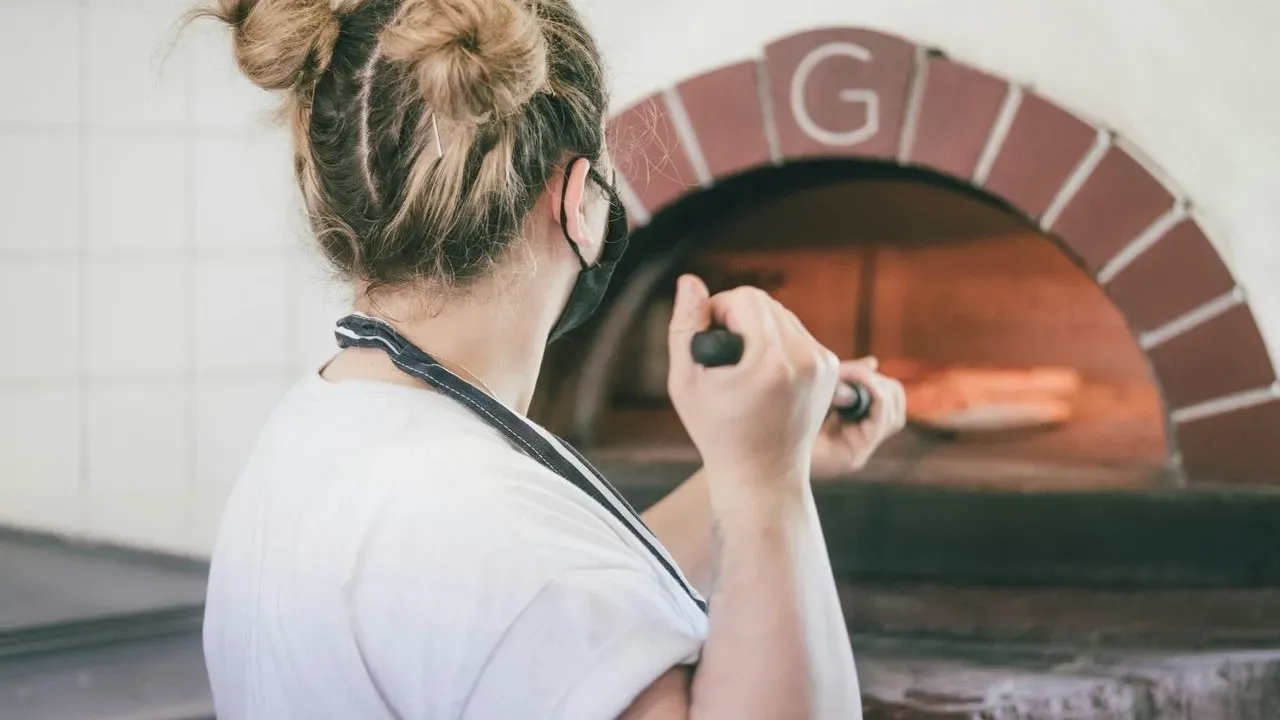
Australian chef Sarah Glover described working with open flame in deliberately feminine clothing and aesthetic choices. She connected the element of fire to traditions in which women historically tended the hearth, framing it as nurturing rather than purely aggressive. The warmth and aroma, she pointed out, can feel comforting even when the flames themselves demand respect and care. Ethiopian-born chef Fariyal Abdullahi echoed the idea of holding multiple identities at once. Raised in a large extended family where food constantly brought people together, she also draws from historical figures in her country’s past who embodied strength and independence. She sees no contradiction between those influences and contemporary professional life, treating them instead as sources that inform how she leads and cooks today.
Travel, Technique and Staying Rooted
Other chefs at the festival emphasized how experiences outside any single culinary tradition feed their work. Jordanian chef Sara Aqel incorporates methods learned from kitchens in Italy, Peru and Ecuador, yet returns to ingredients and flavors she knows most intimately from home. She cautioned against trying to replicate another chef’s path exactly, noting that doing so risks losing the personal elements that make a cook’s food distinctive. Isabel Coss spoke about deliberately seeking situations that feel slightly unfamiliar while traveling. Playlists, music and small details observed on the road all find their way back into her cooking. The idea that a chef becomes a compound of many places and moments resonated across several panels, suggesting that culinary identity need not be confined to one national or regional label.
Creativity Without the Battlefield
A separate discussion turned to the daily realities of running a kitchen. Chef Jessica Rosval argued that ambitious menus must account for the people who will execute them. Long hours spent on repetitive tasks simply to showcase skill, she said, can undermine the very creativity they are meant to serve. Instead, she advocates compressing big ideas into manageable steps that allow teams to maintain quality of life alongside technical excellence. The same concern surfaced when chefs addressed parenthood. Several described the industry’s historical assumption that long, unpredictable hours leave little room for raising children. The solution they proposed is not for women to adjust their ambitions but for kitchens to create structures that accommodate both careers and family responsibilities.
Many Versions, One Shared Direction
By the end of the weekend, the picture that emerged was less about replacing one model with another and more about expanding the available options. Bolivian chef Marsia Taha served whole piranha, head and teeth intact, turning an ingredient that might intimidate some diners into a shared, hands-on experience that proved both memorable and approachable. The meal captured the larger point: tradition can be preserved without becoming rigid, ambition can exist without punishment, and a kitchen can demand excellence while remaining humane. These chefs are not presenting a single blueprint. Their individual stories show that the future of professional cooking can accommodate many different points of view, each grounded in lived experience rather than inherited expectations. The work now lies in making enough space for all of them to thrive.
AI Disclaimer: This article was created with the assistance of AI tools and reviewed by a human editor.