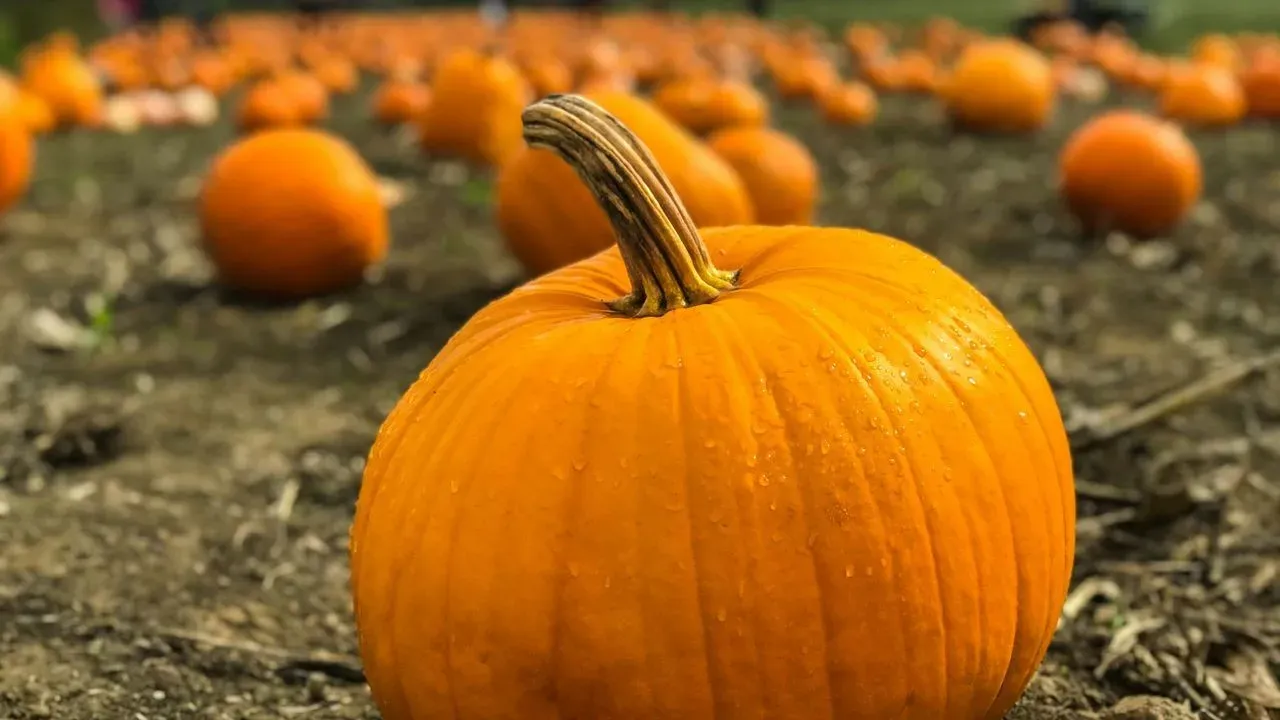

As autumn sets in across much of the country, gardeners and families turn their attention to pumpkin patches and home harvests. Selecting fruit at the right stage of maturity determines how well it stores and whether it delivers the expected flavor and texture through the cooler months. Extension specialists emphasize that visual cues alone can mislead, especially with the range of varieties now available.
Why Timing Matters for Pumpkin Quality
Pumpkins belong to the winter squash family and often reach peak readiness later than many summer crops. Those planted in June or July typically mature between September and October, though some varieties extend the window further. A hot, dry growing season can stress the plants, leaving them more vulnerable to pests such as squash bugs, cucumber beetles, and vine borers. Consistent watering once or twice a week helps keep remaining fruit developing properly until it is ready. The practical result for growers is fewer losses and better storage life when harvest decisions rest on clear maturity indicators rather than calendar dates alone.
The Fingernail Test and Stem Checks
Kansas State University horticulture extension agent Kenny Dodson highlights several reliable signs that a pumpkin has reached full maturity. A thickened, taut stem that shows signs of aging offers one clear marker. The presence of a drying tendril just above the stem on the vine further confirms that the fruit has finished developing. The fingernail test provides an additional check on rind condition. When pressure is applied, the nail should meet firm resistance and only barely indent the skin, similar to the tight surface found on well-cured grocery store pumpkins. These combined observations help avoid picking fruit that remains too soft or green inside.
Accounting for Color Variations
Not every mature pumpkin turns the classic bright orange. White and yellow varieties remain true to their own hues even when fully ripe, so growers must know the expected appearance of the specific type they planted. Relying solely on orange color can lead to premature harvest of these less common options. Dodson notes that understanding the variety ahead of time prevents confusion and supports better decisions in the field or at the market. This attention to detail proves especially useful for gardeners experimenting with different squash types each season.
Practical Steps for a Successful Harvest
Once the stem, tendril, and rind tests align, the pumpkin can be cut from the vine with a short length of stem attached. Leaving the fruit in the field a bit longer is often safer than cutting too early, particularly for winter squash meant for storage. Regular scouting for pests and timely watering reduce stress that might otherwise shorten the usable window. These straightforward practices, drawn from extension guidance, help both home gardeners and commercial growers bring in fruit that holds up well into winter. The difference between a pumpkin that lasts and one that softens quickly often comes down to these simple field checks made at the right moment.
AI Disclaimer: This article was created with the assistance of AI tools and reviewed by a human editor.