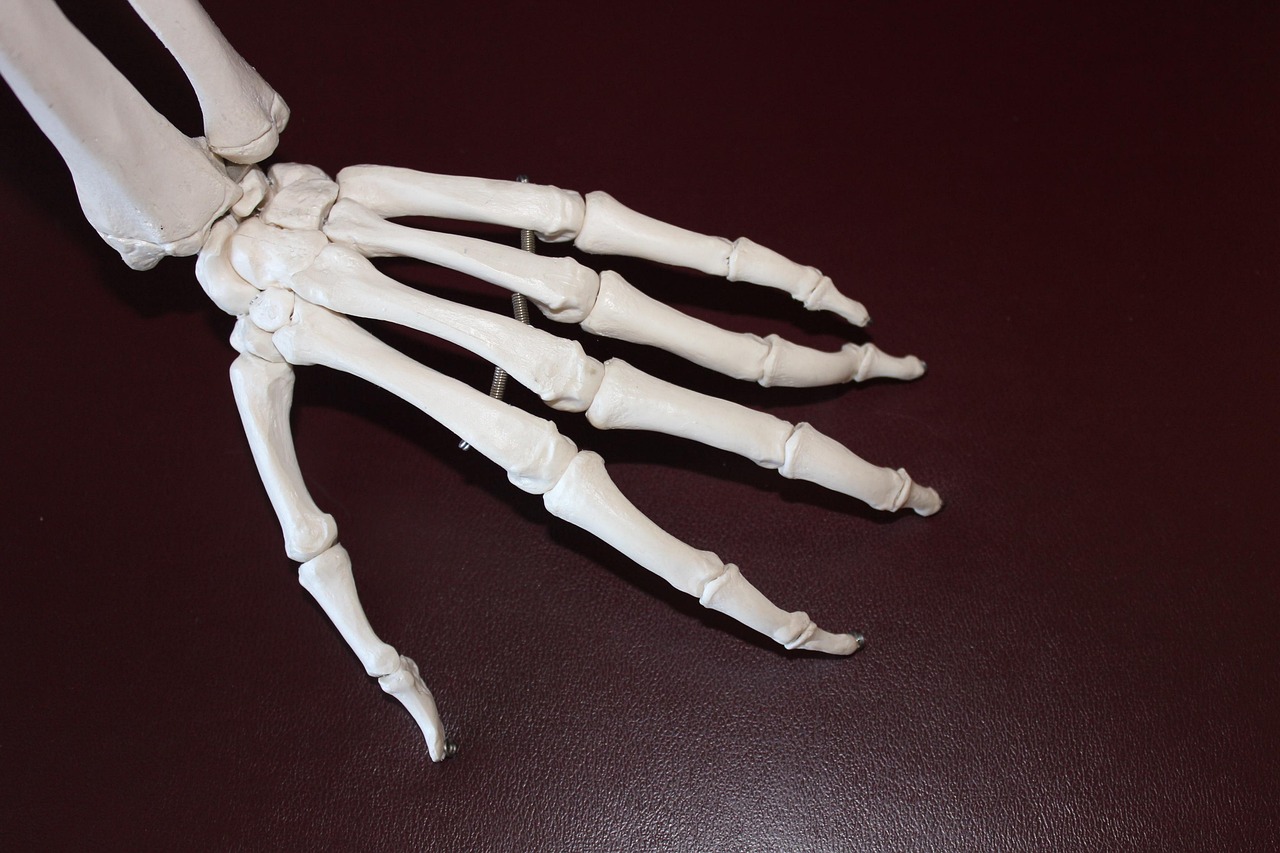

That sound your knees make first thing in the morning, or the pop you feel when rolling your shoulders after sitting at a desk too long – most people have experienced it. It can feel strangely satisfying. It can also feel a little alarming.
The cracking of joints is one of the most universally human experiences, yet it still gets misunderstood. Whether it signals something worrying or absolutely nothing at all depends a lot on context. Here’s what science actually knows, and what doctors genuinely want you to pay attention to.
The Role of Synovial Fluid: Your Body’s Built-In Lubricant
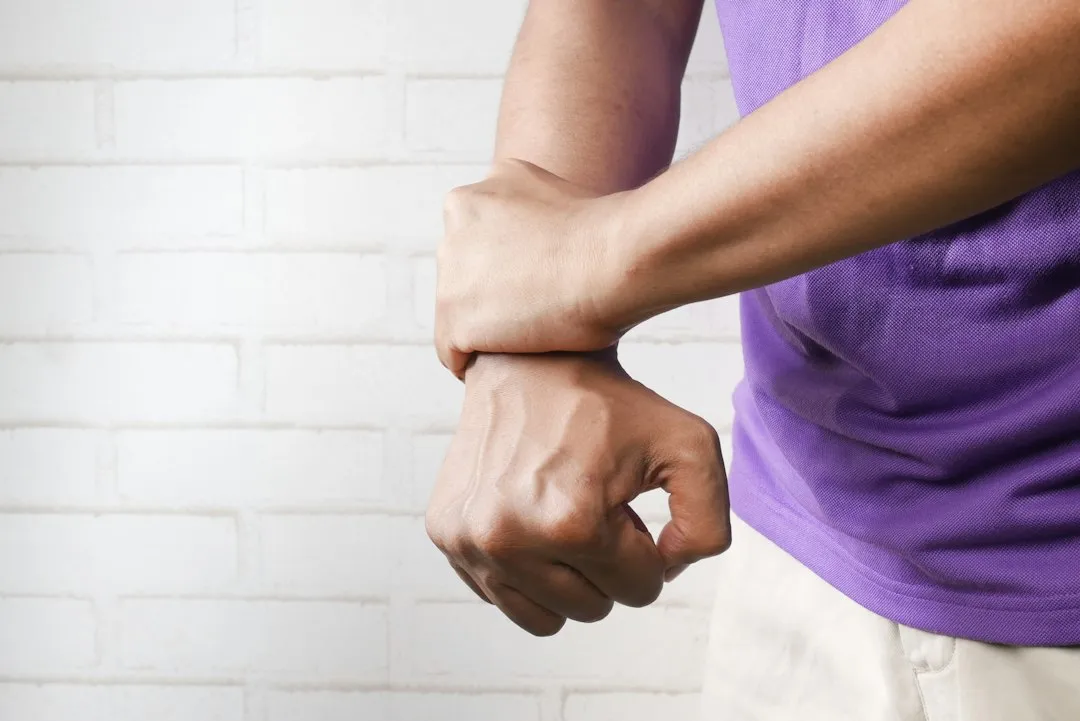
Joints are where two bones meet, and they are often surrounded by a capsule filled with synovial fluid, which acts as a lubricant. This fluid is remarkable stuff. Synovial fluid helps transfer nutrition such as water and macromolecules to the cartilage, keeping it healthy, and it also serves as lubrication and cushioning with its special non-Newtonian properties, meaning that the thickness of the fluid is dependent on other factors.
Scientists explain that synovial fluid present in your joints acts as a lubricant, and the fluid contains the gases oxygen, nitrogen, and carbon dioxide. It is these dissolved gases that set the stage for the familiar crack you hear when you stretch.
The Science Behind the Pop: What Is Actually Happening Inside
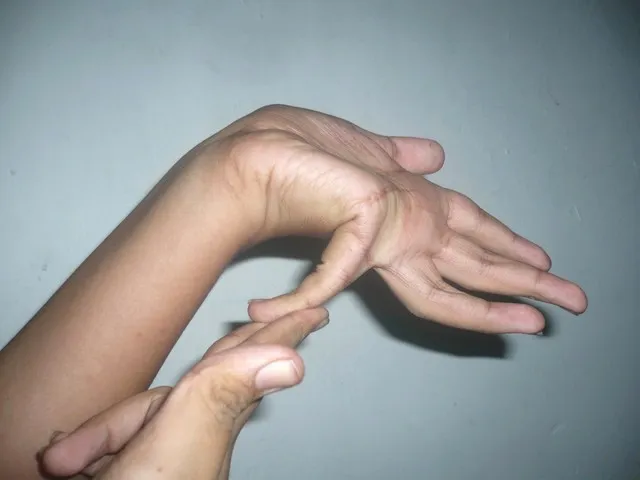
Your finger joints are cushioned by synovial fluid, a thick lubricant that lets bones glide past each other without friction. When you bend or pull a joint past its normal range, you stretch the joint capsule and drop the pressure inside it. That pressure drop pulls dissolved gases, mostly carbon dioxide, out of the fluid and into a bubble.
When joints stretch, pressure inside the joint capsule decreases, causing these gases to form bubbles that create the characteristic popping sound when they collapse. The technical name for this process is cavitation. Joint cracking is a pressure-based, fluid-mediated process. No bones are rubbing or snapping, which is why most people find it painless.
The Debate Researchers Have Not Fully Settled Yet
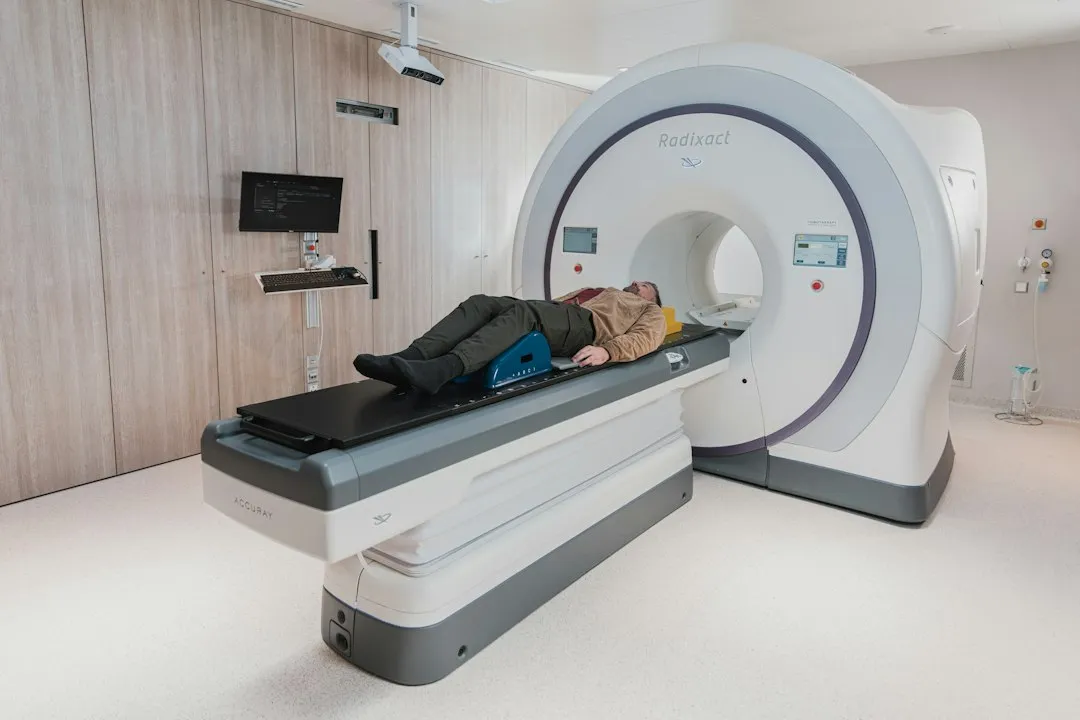
For nearly a hundred years, the standard explanation was that the pop happened when the bubble collapsed. It made intuitive sense: bursting bubbles make noise. But it turned out to be more complicated. In 2015, researchers at the University of Alberta settled part of the question by sliding a hand into an MRI machine and pulling on a finger with a cable rig until it cracked, capturing the entire event in real time.
In 2018, a team in France developed a mathematical simulation to investigate what occurs in a joint just before it cracks. This team concluded that the sound is caused by the collapse of bubbles, while the bubbles observed in the fluid result from a partial collapse. Due to the theoretical nature of this conclusion and the absence of physical experimentation, the scientific community remains unconvinced. So the exact moment of the pop is still genuinely debated among researchers.
Why Some Joints Crack Differently Than Others
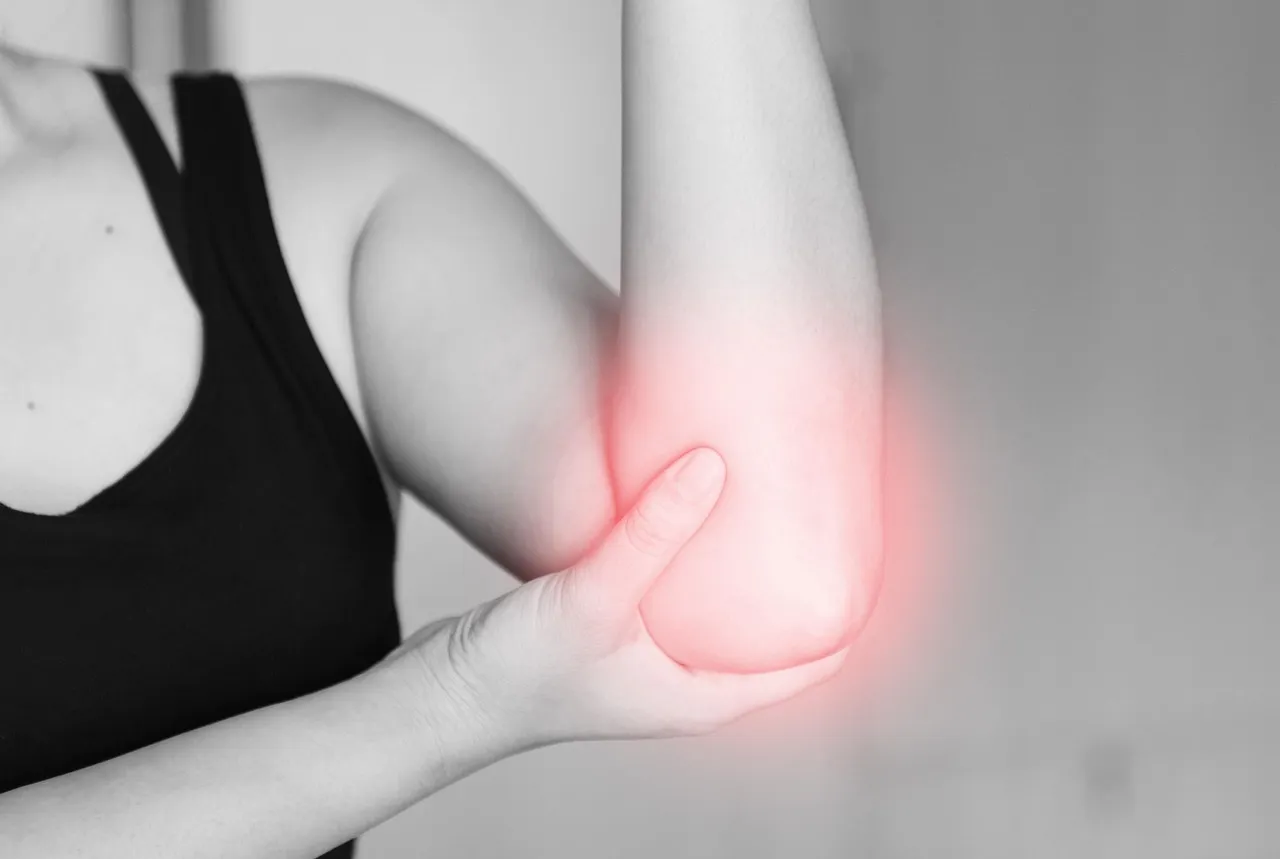
What happens in your knuckles is very specific, but what about your knees, hips, wrists, or other points of contact? Those are usually tendons or ligaments stretching and snapping back into place like a rubber band rubbing over those joints – a different mechanism, but a similar sound.
Ligament or tendon movement is another reason joints crack. Ligaments and tendons are connective tissues that attach muscles to bones and bones to other bones. As they stretch or move over bony structures during motion, they can produce a snapping sound. This is more common in joints like the knees or hips when walking or moving in certain ways.
The Refractory Period: Why You Cannot Crack the Same Joint Twice in a Row
Once a joint has been cracked, it usually won’t crack again for 15 to 30 minutes – the amount of time it takes for gases to redistribute into the fluid. This is referred to as the refractory period. It is one of the more elegant details of joint mechanics that most people never think about.
To be able to crack the same knuckle again requires waiting about 20 minutes before the bubbles dissolve back into the synovial fluid and will be able to form again. This timing is consistent enough that it has been used to confirm the gas-bubble theory in multiple studies.
Who Cracks More: Hypermobility and How Common This Really Is
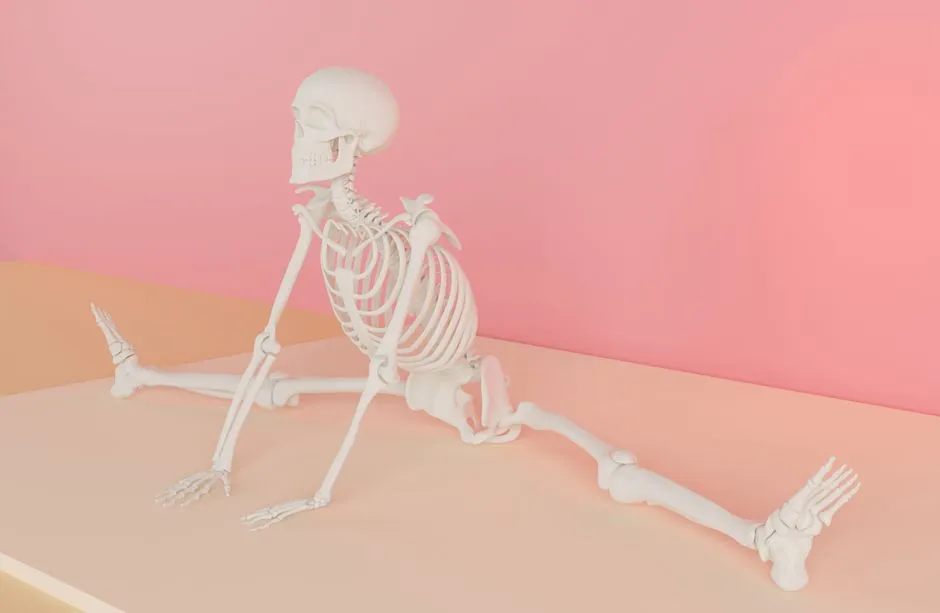
A 2024 study found that crepitus affects roughly four in ten people in the general population and up to the vast majority of individuals with knee osteoarthritis. These numbers put the phenomenon in perspective – this is not a rare quirk but a near-universal feature of human anatomy.
Joint hypermobility, affecting somewhere between one in ten and one in five people in the population, allows air cavities to form more easily, making clicking sounds more frequent. If you seem to crack constantly and others around you do not, your ligament laxity may simply be higher than average – which is usually not cause for concern on its own.
Does Cracking Your Knuckles Cause Arthritis? The Myth, Investigated
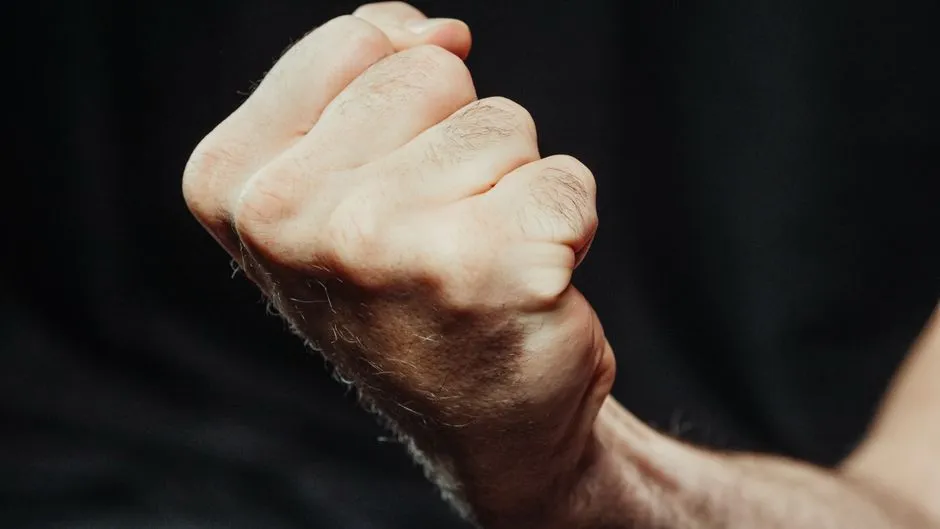
There’s a common notion that cracking your knuckles over a long period of time can give you arthritis, and not only is there no peer-reviewed evidence to support that, one man proved quite the opposite. Over more than six decades, Dr. Donald Unger cracked the knuckles on only his left hand, leaving his right as a control group of sorts. He found zero difference between the two after 60-plus years.
Dr. Unger cracked the knuckles in only his left hand twice every day, but left his right hand uncracked, for over fifty years. He then examined his left hand and found no signs of arthritis or other issues, and published his findings in the journal Arthritis and Rheumatology in 1998. Larger studies have since confirmed his conclusion. Anecdotal evidence often suggests that habitual knuckle cracking leads to arthritis, but scientific research paints a different picture. Several studies have examined the long-term impact of knuckle cracking on joint health, and these studies consistently indicate that knuckle cracking is not associated with an increased risk of arthritis.
When Cracking Can Actually Cause Harm
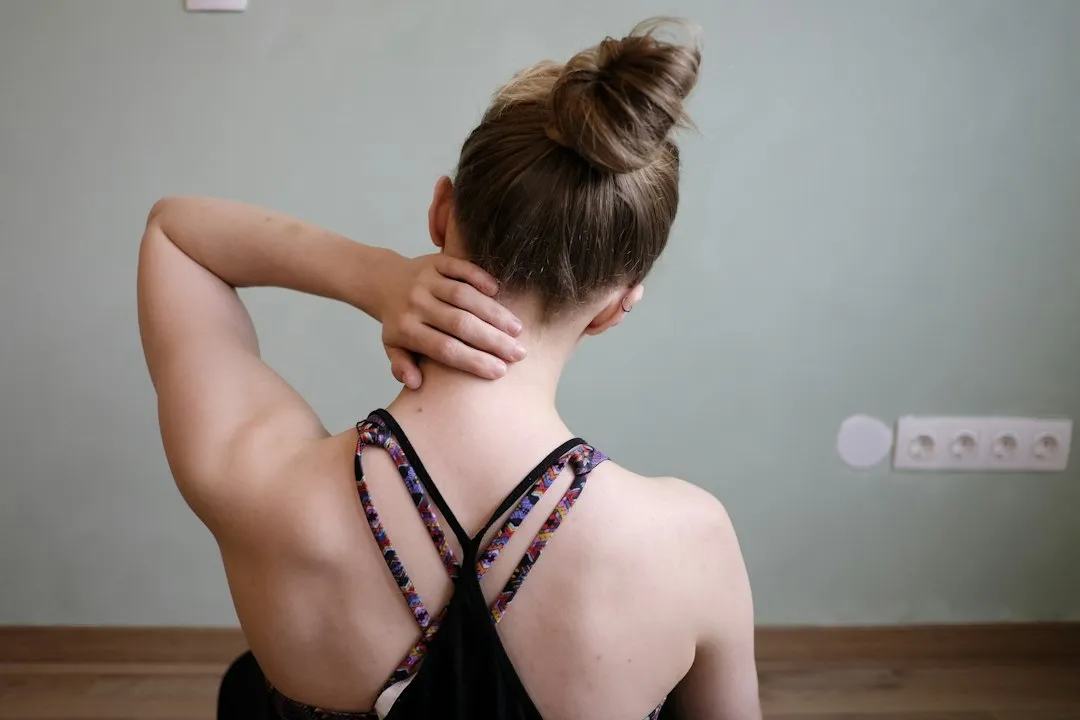
For the most part, habitual joint cracking will not result in structural damage, particularly if it is not painful. There are some significant qualifiers, however: excessively forceful cracking, especially of the neck or spine, can stress ligaments and adjacent soft tissue.
One study published in 1990 found that among 74 people who regularly cracked their knuckles, their average grip strength was lower and there were more instances of hand swelling than among 226 people who did not crack their knuckles. The incidence of arthritis, however, was the same in both groups. As for the neck and back, the stakes are higher. While joint manipulations can be safe under the direction of a professional, it is best to avoid forceful neck or back-cracking maneuvers on your own. Risks include nerve damage, torn arteries, or blood clots.
The Red Flags: When Doctors Say You Should Not Ignore It
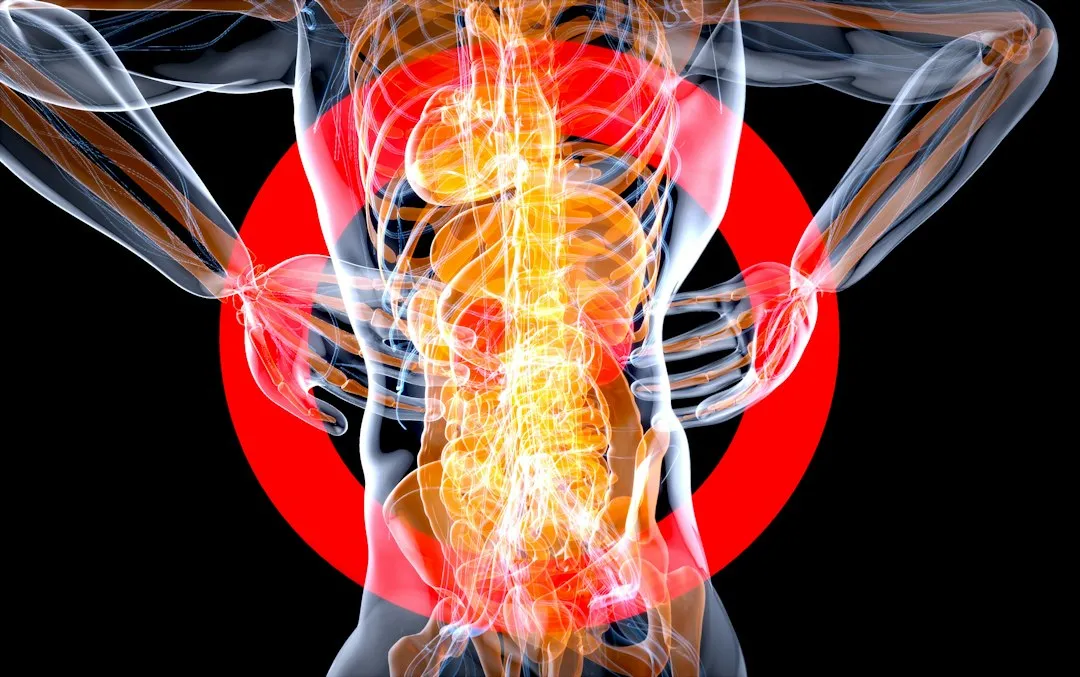
Joint cracks and pops are usually harmless. They typically result from gas bubble formation in the joint fluid, tendons gliding over bone, or mild cartilage changes, especially when there’s no pain, swelling, or loss of motion. You should see a doctor if joint noises come with persistent pain, swelling, stiffness, locking, instability, or systemic symptoms after an injury. These warning signs may indicate arthritis, tendonitis, bursitis, a meniscus tear, or even joint infection.
Healthcare providers recommend evaluation when joint popping coincides with pain persisting beyond a few days, swelling that does not resolve, progressive stiffness, or sounds beginning after trauma. Early intervention for conditions like arthritis, tendinitis, or cartilage damage often yields better outcomes than waiting until symptoms become severe. The sound itself is rarely the problem. What surrounds it tells the real story.
Age, Cartilage Wear, and When Cracking Gets More Common Over Time

Age-related cartilage thinning causes rougher surfaces that produce grinding sounds. This is a natural part of aging and does not automatically indicate disease. As joints age, cartilage surfaces and flexibility may gradually change, and these changes may make crepitus more noticeable for some people.
Osteoarthritis is the most common form of arthritis. As cartilage wears down, joint surfaces become rougher, leading to grinding or crackling sensations known as crepitus. There is a meaningful difference between the occasional painless pop of a healthy joint and the persistent grinding of worn cartilage. Constantly feeling the need to crack one’s joints may be a sign of a larger underlying problem. If people experience chronic stiffness or tension and crack their joints all the time to resolve it, they may want to speak with their doctor.
The Takeaway: Sound Advice on Joint Sounds

The cracking, popping, and clicking that comes from your joints during a stretch is, in the vast majority of cases, a simple result of physics: pressure, gas, and anatomy doing exactly what they are designed to do. The science is clear that the noise itself is not the enemy.
The dividing line between harmless and worth investigating is not the sound but what comes with it. A cracking sound in joints is often a normal part of how the body moves and functions. In many cases, the sounds result from harmless pressure changes, tendon movement, or ligament adjustments. When joint noises are accompanied by pain, swelling, stiffness, or reduced mobility, they may indicate an underlying condition that requires attention.
Pay attention to the full picture – the sound is just one part of it. If there is no pain, no swelling, and no change in how a joint moves, the pop you heard was almost certainly nothing more than chemistry in action.
AI Disclaimer: This article was created with the assistance of AI tools and reviewed by a human editor.