
Your Home Gets Coldest in the Early Hours

Most homes are at their coolest between 2 a.m. and 6 a.m. That window is not random. Indoor temperatures follow outdoor air patterns, and without heating systems cycling at full capacity during the night, rooms gradually lose warmth after midnight.
Studies have shown that homes reach their coldest point in roughly the 3 a.m. to 5 a.m. period, and this can also affect any other devices that operate on batteries in your home. The smoke alarm on your ceiling sits right in the middle of that temperature dip, which is where the trouble starts.
It All Comes Down to Battery Chemistry
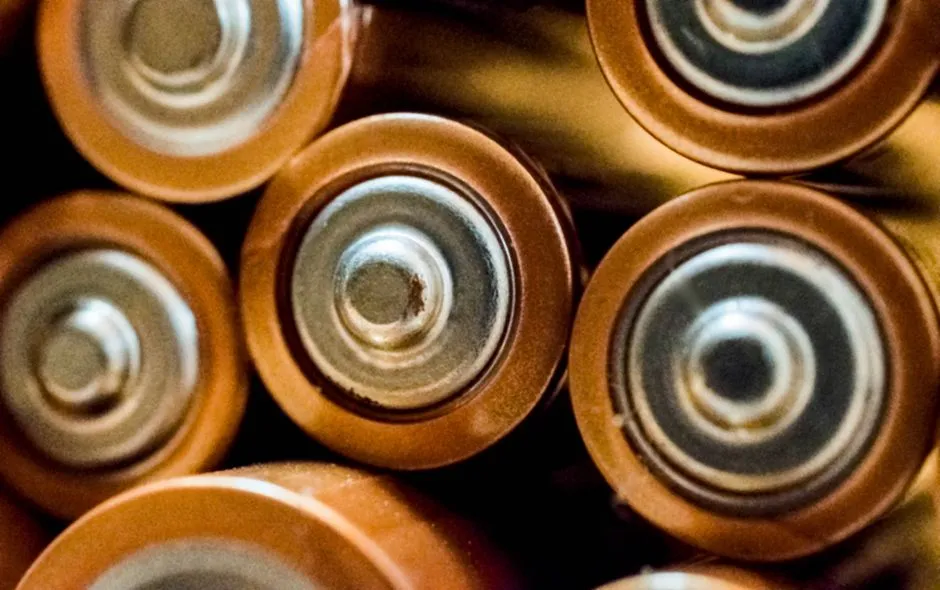
Smoke alarms can chirp at night because home temperatures often drop several degrees, which can impact the chemical reactions inside the battery, reducing capacity. When the temperature drops, chemical reactions inside a battery slow down, and ions move more slowly through the electrolyte.
This slowdown increases internal ionic resistance and causes a voltage drop inside the cell, which in turn means lower voltage at the cell terminals, resulting in a chirp. The alarm is not broken. It is responding to a very real, measurable drop in electrical output caused by cooler air around the battery.
The Aging Battery Is the Key Factor
If a battery is brand new, this slight voltage dip is completely unnoticeable because the total voltage remains well above the alarm’s minimum requirement. But if a battery is already aging and sitting right on the borderline of acceptable power, this nighttime temperature and voltage drop pushes the output just below the threshold.
When you have a battery near the end of its life, it may produce just enough power during the warmth of the day to satisfy the detector. However, when the evening temperatures drop enough to slow the chemical reaction of the battery, and thus the electrical output, the detector warns that the battery is too weak to function. The daytime warmth was essentially masking a problem that was already there.
Why the Chirping Sometimes Stops on Its Own by Morning
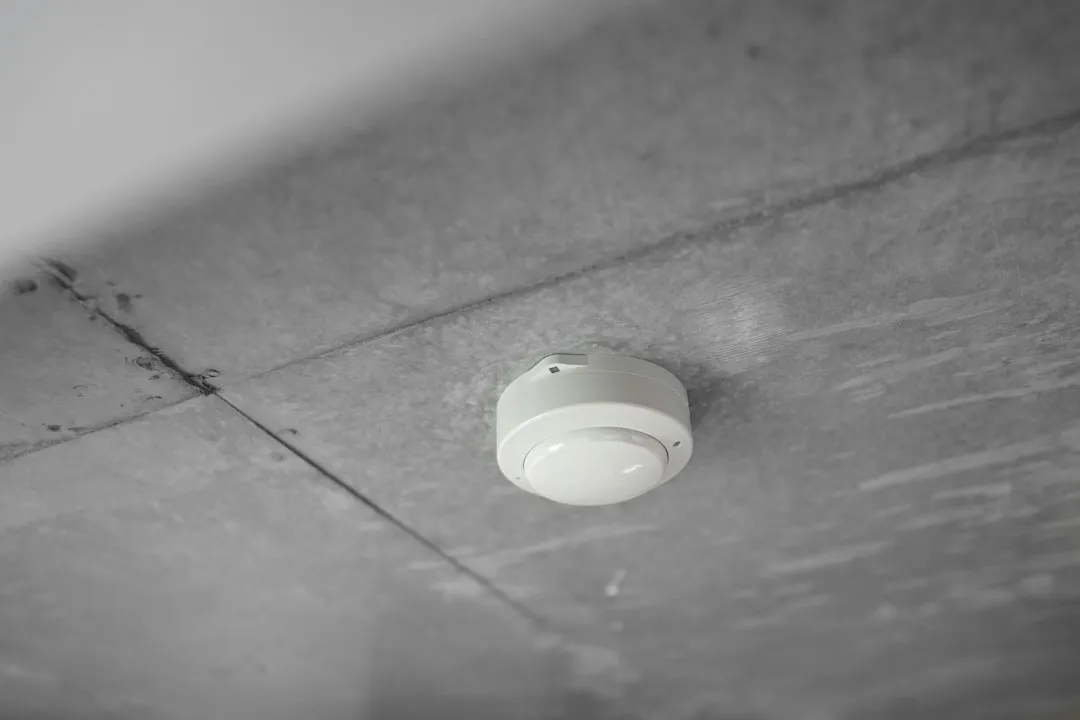
If the battery is already weak, the nighttime voltage dip pushes it below the detector’s minimum power threshold, triggering the low-battery alert. Once the house warms up the next day, the voltage often recovers enough to stop the chirping. This is one of the more confusing aspects of the whole experience.
You silence the alarm, go back to sleep, and in the morning everything seems fine. The battery appears to have recovered. It has not, really. It has simply benefited from slightly warmer air. Battery levels may be detected as lower when the ambient temperature around the alarm device is cooler, and cooler ambient temperatures usually occur during nighttime hours. Low battery chirps therefore tend to begin during nighttime hours, and are more likely to be disabled by users without actually replacing the low battery.
The Threshold Trigger Mechanism Inside Your Alarm
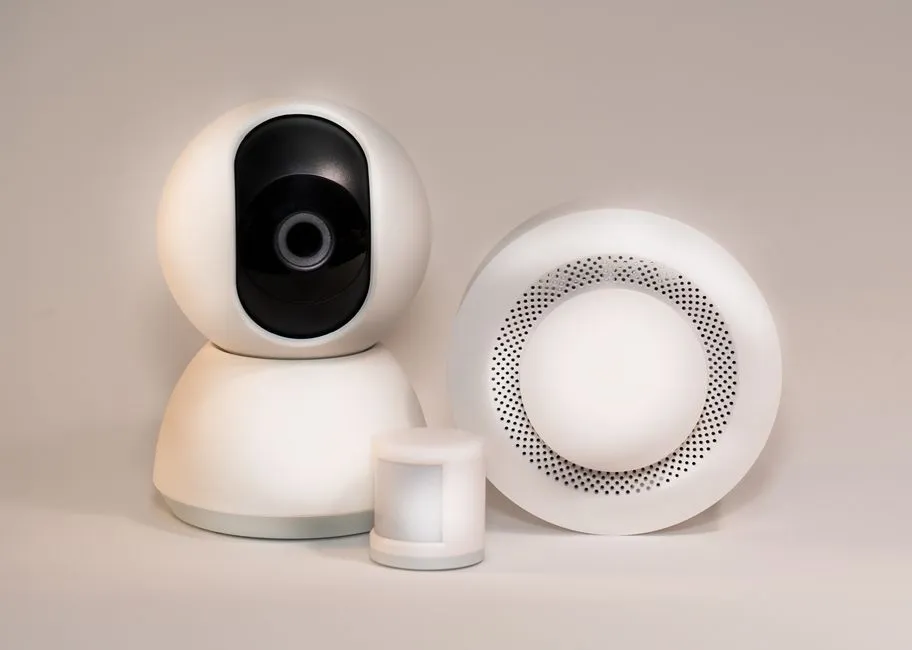
As long as the voltage remains above a certain predetermined threshold, the alarm stays quiet and continues monitoring the air for smoke particles. However, battery chemistry is highly sensitive to ambient temperature. Manufacturers design alarms to chirp the moment voltage dips below that minimum, because a detector that cannot power a full alarm in an emergency is effectively useless.
When the output voltage of the supply battery drops below the level of the reference signal, the comparator produces an output signal which triggers the trouble signal generator to produce a battery voltage alarm signal, which causes the alarm device to generate an audible alarm signal different from the smoke alarm signal, to indicate that the battery needs to be replaced. That technical process is behind every single nighttime chirp you have ever heard.
Dust and Humidity Make Things Worse
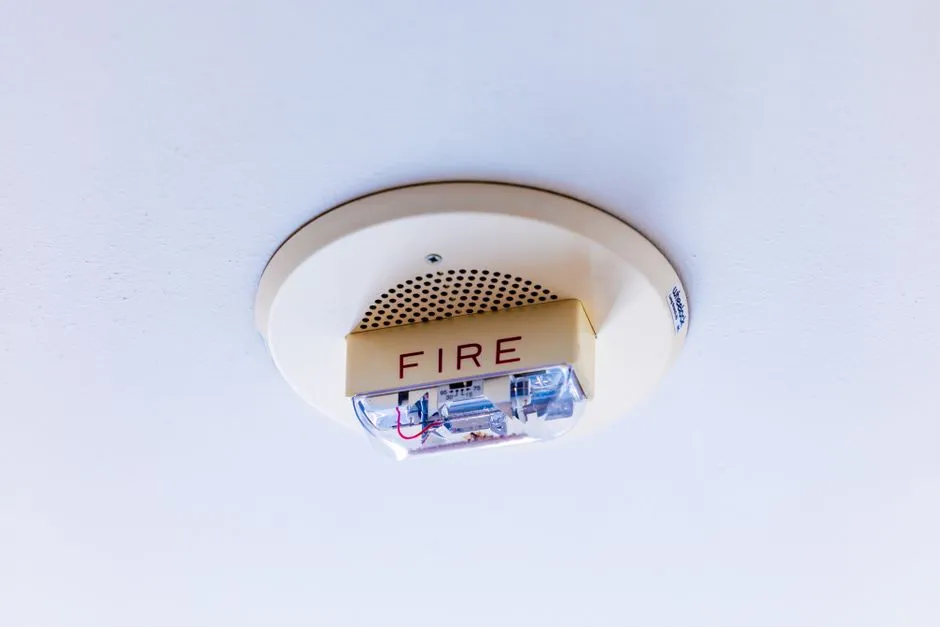
Other reasons smoke detectors may chirp at night can include dust or humidity, such as bathroom steam, interfering with the sensor. Dust accumulation inside the unit is surprisingly common and often overlooked as a cause of chirping.
High indoor humidity can cause a smoke alarm to chirp or trigger a false alarm. Dense moisture in the air can create micro-condensation on the sensitive photoelectric or ionization sensors inside the unit. Bathrooms, kitchens, and even laundry rooms can push enough moisture into a hallway to trigger this effect, especially late at night when ventilation slows down.
Alkaline vs. Lithium: Battery Type Actually Matters
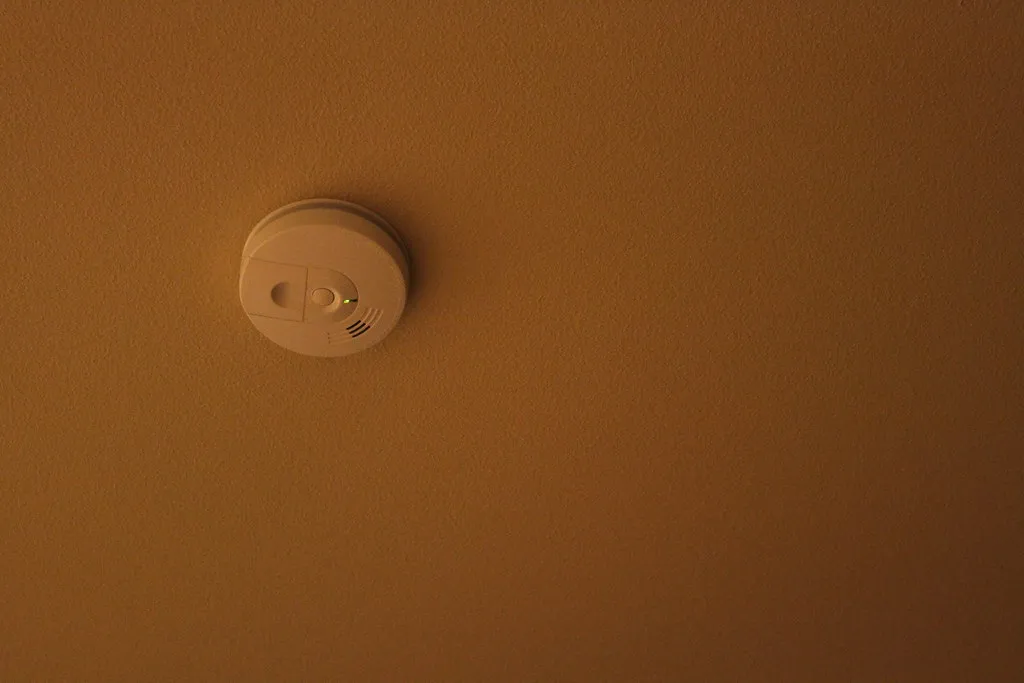
Alkaline batteries are affected by temperature. They tend to lose voltage quickly at high temperatures and fluctuate at lower temperatures. This makes standard alkaline batteries particularly susceptible to the overnight temperature dips that cause chirping.
Choosing alarms with alkaline batteries and well-designed lithium cells, which are often less affected by temperature decreases because their electrolytes and internal layouts minimize this resistance, can help reduce nighttime chirping. Lithium batteries are generally a more stable choice for smoke alarms in homes with significant overnight temperature swings. This temperature sensitivity is also why a cell phone battery drains faster in colder weather.
The 10-Year Expiration Problem Nobody Talks About
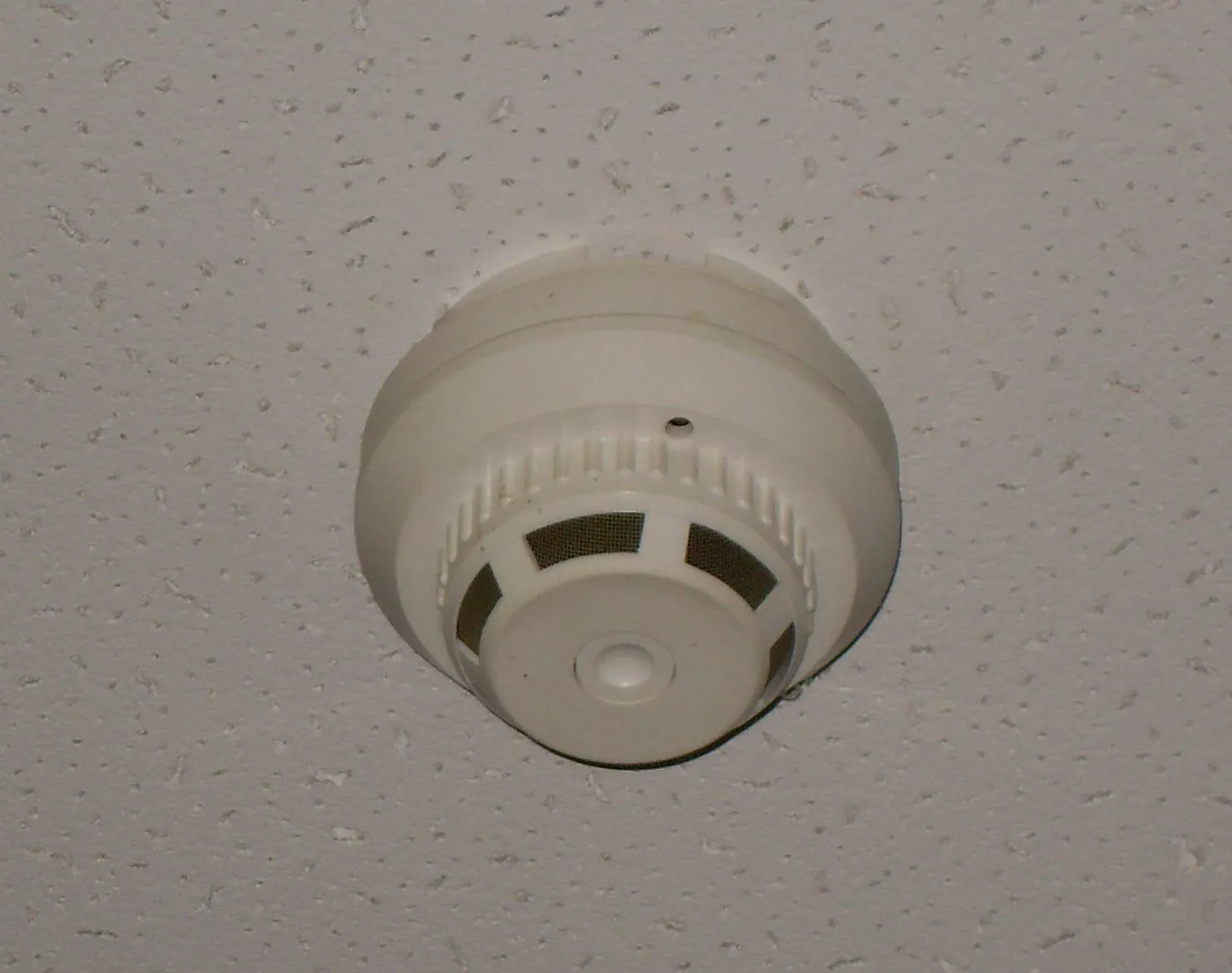
Smoke alarms may chirp at night due to a low battery, or because the alarm is reaching its end of life, which is typically 10 years. End-of-life chirping is separate from battery issues entirely. The sensor itself degrades, and the alarm is designed to alert you to that fact.
The US National Fire Protection Association issued NFPA Standard 72, which states that all smoke alarms, including those with ten-year batteries and hardwired alarms, should be replaced when they are ten years old or sooner if they don’t respond properly when tested. The photoelectric or ionization sensor naturally degrades over time due to exposure to dust, humidity, and general pollutants, and this degradation can reduce the alarm’s response time or cause constant false alarms.
Almost one in five Americans who have smoke alarms say the oldest alarm in their home is ten years old or more. Nearly one in five are not at all sure how old their oldest alarm is. When asked how often they should replace smoke alarms, nine in ten Americans did not select the correct answer, which is at least every ten years. That is a significant gap in public awareness around a genuinely important safety issue.
The Safety Stakes Behind the Annoyance
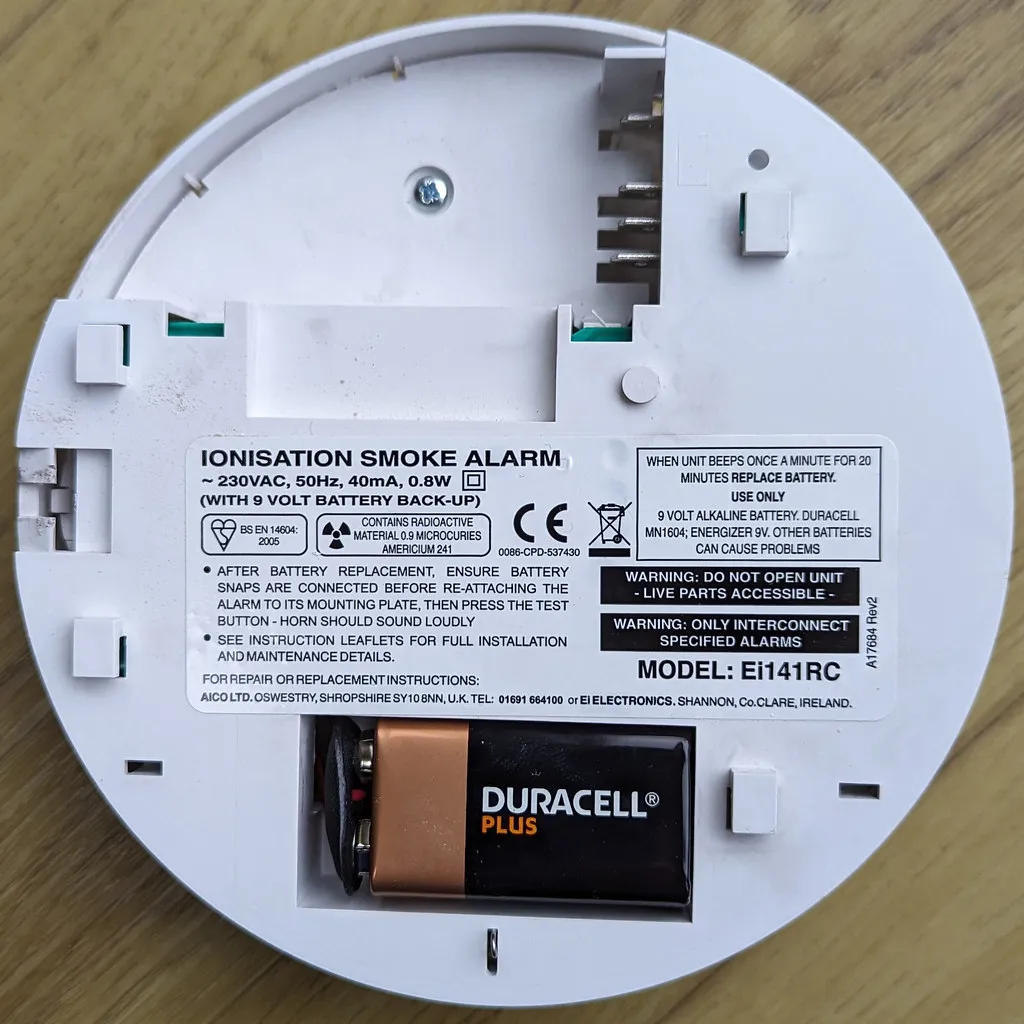
NFPA statistics show that three out of five U.S. home fire deaths occur in homes with no smoke alarms or no working alarms. That number is stark. A chirping alarm is still a working alarm, which puts it in a very different category from a missing or disabled one.
According to the National Fire Protection Association, nearly sixty percent of fire deaths occur in homes with no smoke detectors. Yet, as important as these devices are, using an expired one is just as risky as not having one at all. Silencing a chirping alarm by removing the battery, which many people do in frustration at 3 a.m., removes the very protection the device was providing.
Practical Steps to Prevent the 3 a.m. Wake-Up
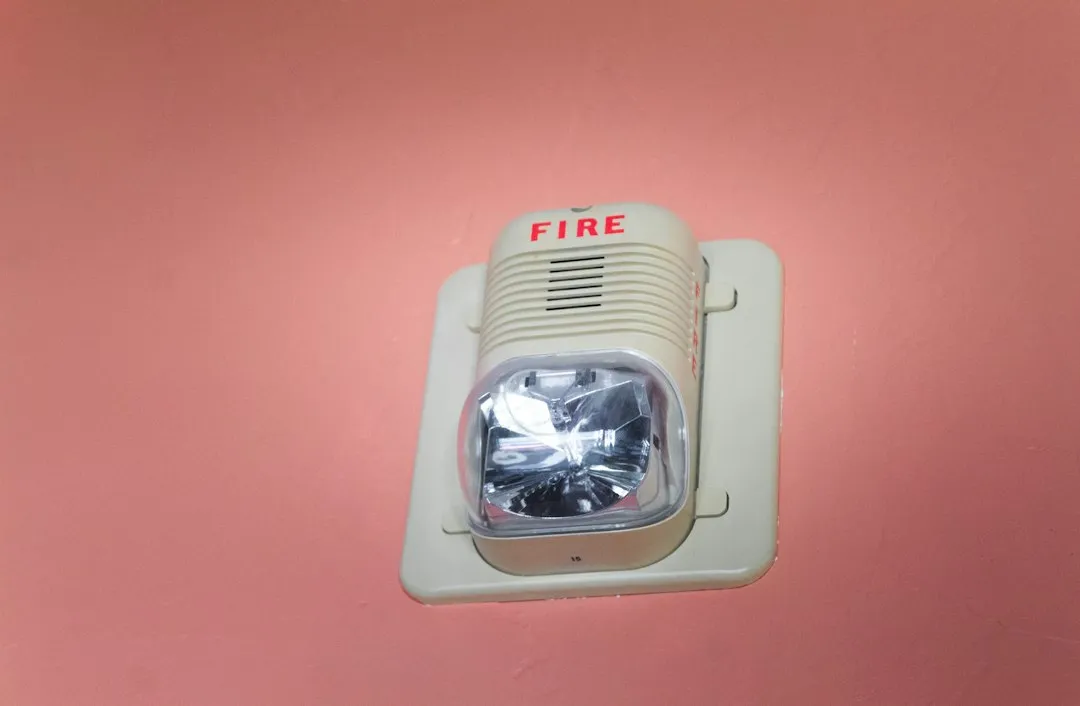
The National Fire Protection Association recommends every smoke detector be replaced after 10 years and that regular batteries be replaced every six months. Sticking to that schedule, rather than waiting for the chirp to appear, is the most straightforward way to avoid the problem entirely.
There is a growing trend to switch from traditional battery-powered smoke alarms to those that use 10-year sealed batteries. With 10-year sealed battery alarms, battery replacements and late-night battery chirps are eliminated for a decade. For anyone who has been woken up one too many times, that trade-off is well worth considering.
To help keep smoke alarms from chirping at night, install the alarm away from HVAC vents, kitchens, and bathrooms when possible. Checking batteries regularly, or upgrading to a smart smoke and CO alarm that offers a low-battery app notification, can also help. Getting a phone alert at 9 p.m. beats getting an audio alert at 3 a.m. by a considerable margin.
The Takeaway
The midnight chirp is not your smoke alarm being dramatic. It is doing exactly what it was designed to do: flagging a power problem at the moment that problem becomes measurable, which happens to be the coldest and quietest hours of the night. The timing feels cruel, but the physics behind it are consistent and well-documented.
The best response is not to silence it and go back to sleep. Replace the battery, note the alarm’s manufacture date, and if it is approaching a decade old, replace the entire unit. A smoke alarm that chirps is still looking out for you. One with a dead battery, or one that has been quietly taken off the ceiling in frustration, is not.
AI Disclaimer: This article was created with the assistance of AI tools and reviewed by a human editor.