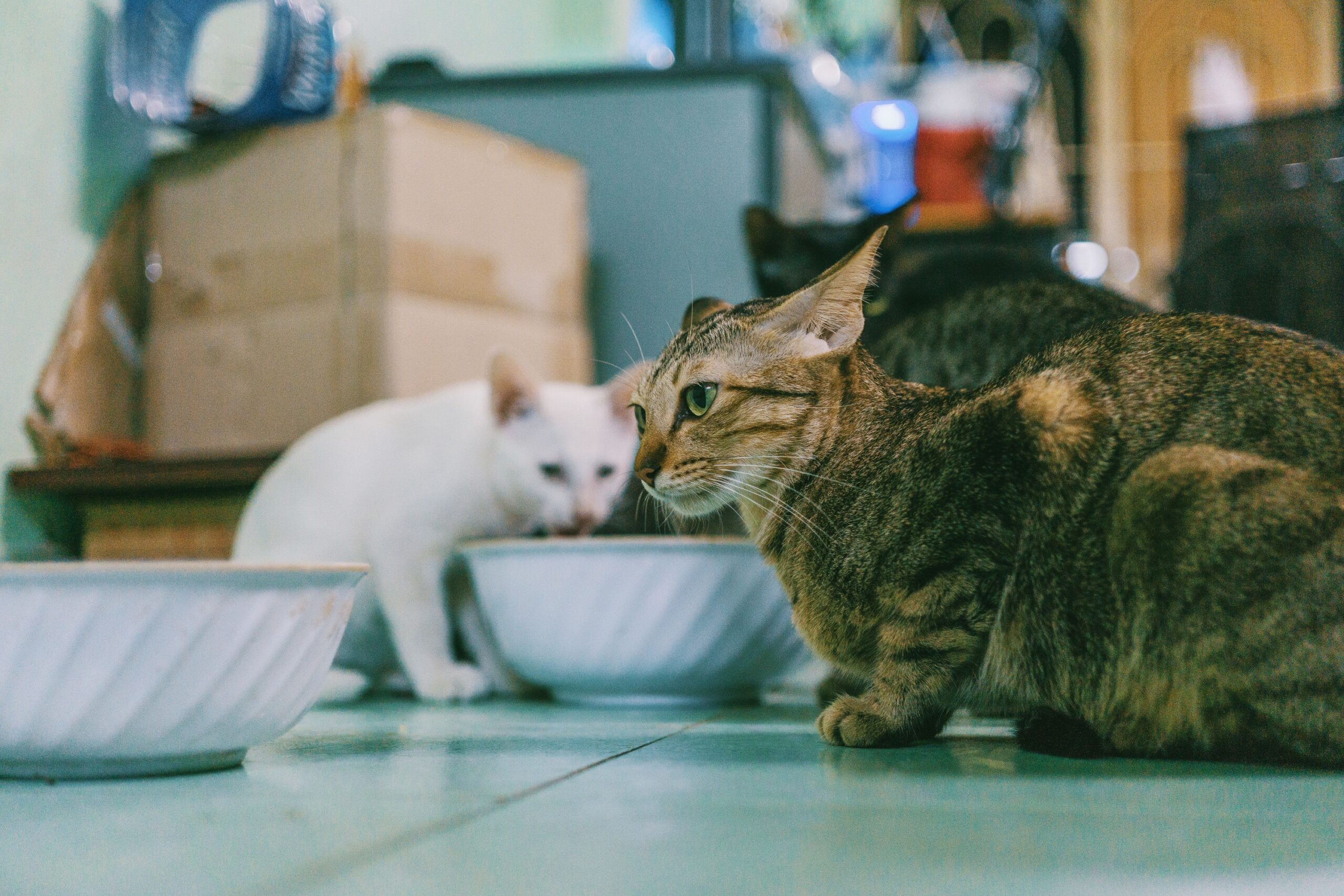

Watch any cat at mealtime long enough and you’ll probably catch it doing something strange: pawing, scratching, or pressing its paws firmly against the floor around the food bowl, sometimes before eating, sometimes after, occasionally for no obvious reason at all. It can look almost ritualistic, and for many owners, it raises an immediate question: is something wrong?
The short answer is, usually not. This seemingly odd behavior is more common than you might think, and it’s rooted in feline instincts and natural tendencies. Understanding the specific reason behind it, though, requires a closer look at where cats come from and what they’re wired to do.
The Wild Ancestor Behind the Gesture
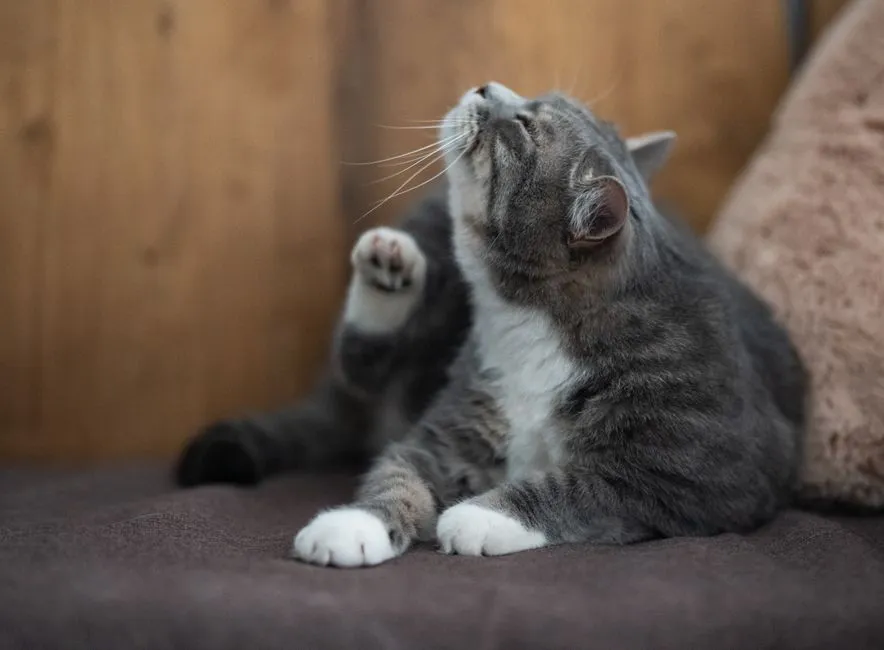
Cats are natural hunters, and many of their behaviors are deeply ingrained from their wild ancestors. Scratching the floor around their food bowl can be traced back to their instinct to protect their food from predators or other animals. Domestication has softened many of these survival drives, but it hasn’t erased them. They surface constantly at mealtime.
The reasons for this behaviour can all be traced back to their ancestry as wild animals. This behavior isn’t something cats learn from watching others. It’s hardwired into their DNA. That’s a meaningful distinction. A cat doesn’t choose to scratch around the bowl the way you might choose what to have for lunch. It simply does it, because something deep in its nervous system tells it to.
Food Caching: Saving It for Later
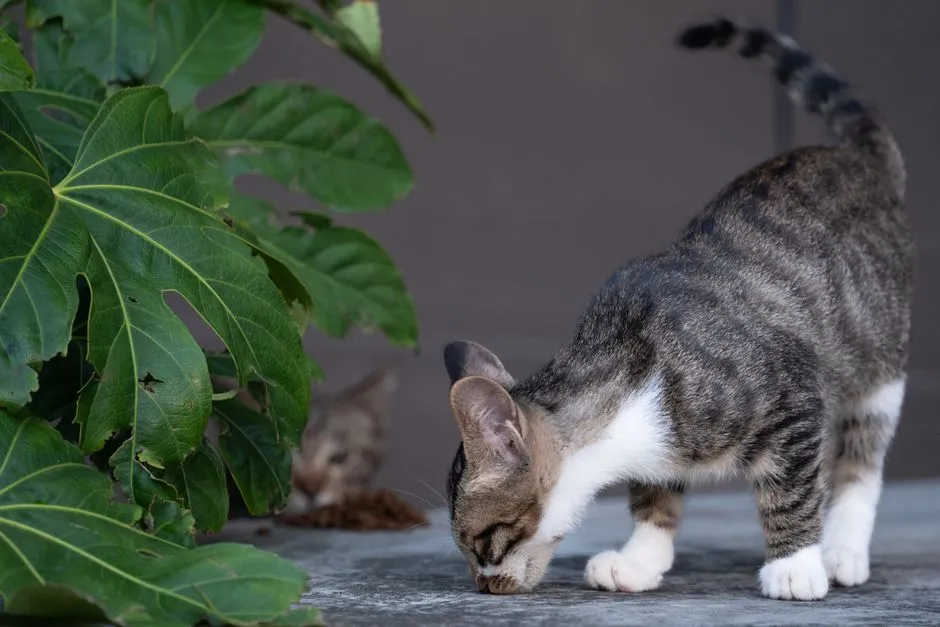
In the wild, cats would often bury their leftover prey to hide it from scavengers. This behavior, known as caching, helps them avoid attracting unwanted attention and ensures they have food for later. House cats retain this drive completely intact, even though the food isn’t going anywhere and there are no scavengers waiting nearby.
Wild cats, such as leopards and bobcats, often bury leftover food or waste to mask the scent and avoid attracting predators or competitors. By covering up remains, they make themselves less visible, or rather, less smelly, to those who might pose a threat or want to steal a meal. Your indoor cat is running precisely the same program. It’s a fascinating glimpse into how deeply rooted these instincts are in your pet’s behavior.
Hiding the Scent: A Survival Strategy That Stuck
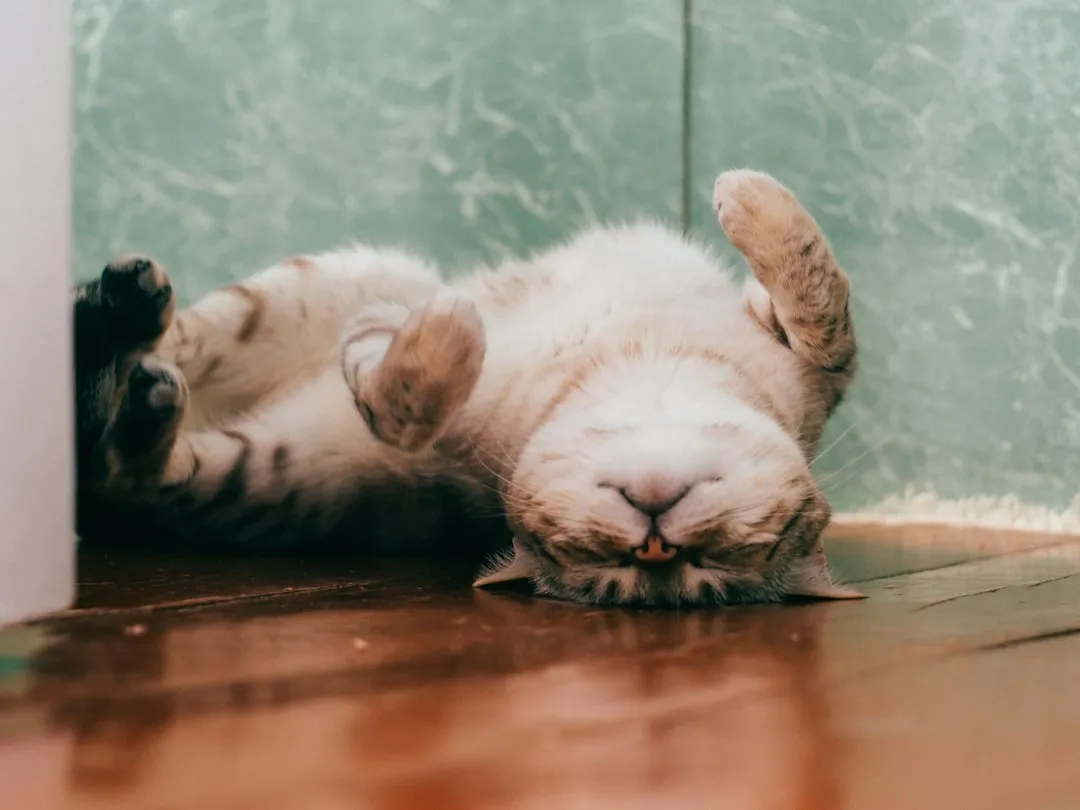
Cats rely on their sense of smell and bury their food and faeces to hide their odour from rival cats and larger predators. Mother cats take care of their litter by keeping their territory and kittens clean, providing extra protection. Indoors, they continue this behaviour instinctively, which is why some cats scratch the floor after eating.
This is due to instinct, compelling her to clean up any trace of herself so predators cannot find her. If you catch your cat scratching around her bowl, she may be trying to clean up a mess. From the cat’s perspective, the logic is completely sound. From yours, it probably just looks like unnecessary drama over a half-eaten bowl of kibble.
Territory Marking Through the Paws
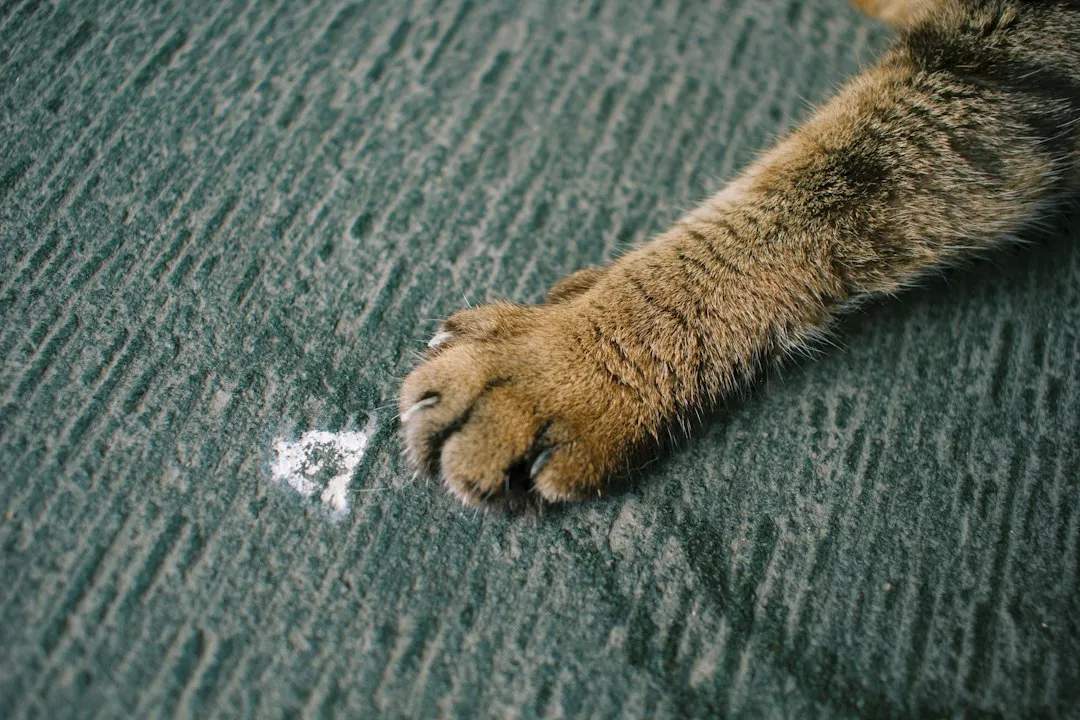
Another reason your cat might scratch the floor around its food bowl is to mark its territory. Cats have scent glands in their paws, and scratching releases pheromones that signal ownership. By scratching around the food bowl, your cat is essentially saying, “This is mine!”
This behavior is more common in multi-cat households, where competition for resources can be higher. If you have multiple cats, you might notice this behavior more frequently as they try to establish dominance or claim their space. Providing separate feeding areas for each cat can help reduce this behavior and create a more harmonious environment. It’s not aggression. It’s communication, delivered quietly through chemistry.
Kneading vs. Scratching: Two Very Different Things
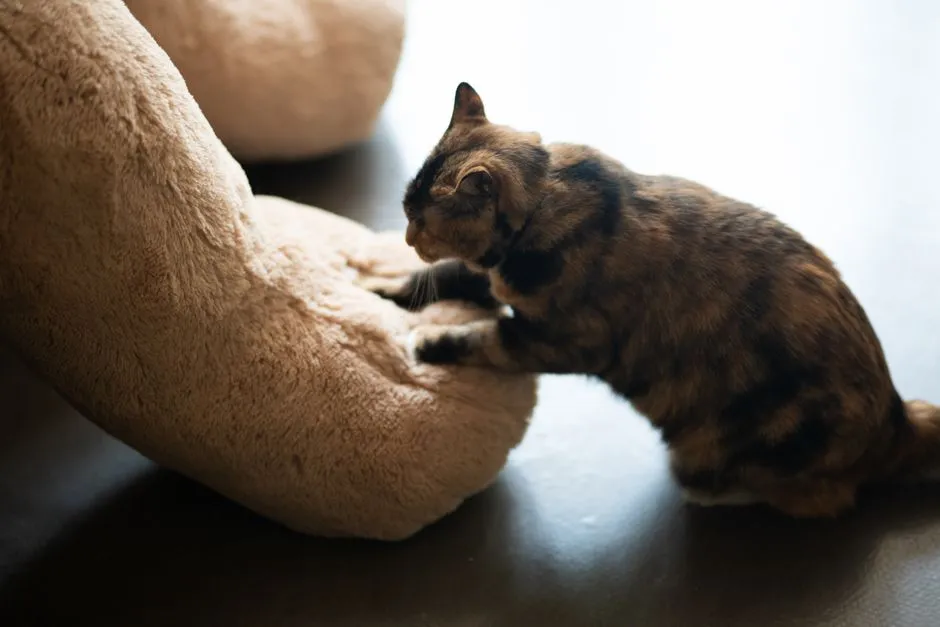
It’s important not to confuse this behavior with kneading, affectionately known as “making biscuits.” Kneading is when cats stretch out their front paws and then pull them back, alternatively and rhythmically. Scratching has a sharper, more purposeful quality to it. The difference between kneading and scratching around the food bowl is that a kneading cat should seem relaxed and rhythmically moving their front paws in and out, without scratching the floor.
Kneading is a normal behavior where cats alternate pushing their paws into a soft surface. Kittens often knead while nursing from their mother to stimulate milk production. Many cats knead as adults to create feelings of calm and relaxation. If your cat is pressing, not clawing, it’s most likely kneading, which is a very different and entirely positive signal.
Contentment and the Nursing Connection
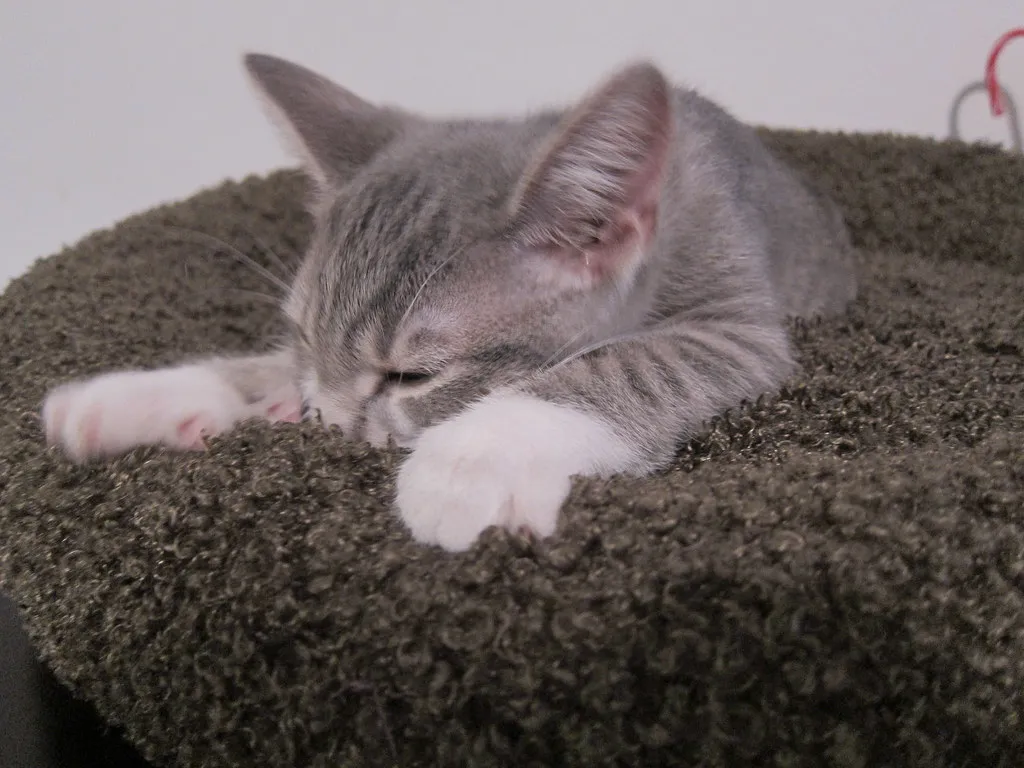
Kneading originates in kittenhood when kittens press their paws against their mother’s belly to stimulate milk flow. This instinctive behavior is vital for their nutrition and survival. The association between that motion and the feeling of being fed, warm, and safe is apparently strong enough to persist for a lifetime.
According to the Humane Society of the United States, pawing and kneading behavior is an expression of pure contentment. If you’re a classic cat, then you’re probably at your happiest when you’re eating, so pawing at the ground is definitely no shock. Think of it less as a problem and more as a compliment. Your cat is essentially happy enough to revert to its most comforted, earliest state of being.
Preparing the Feeding Area
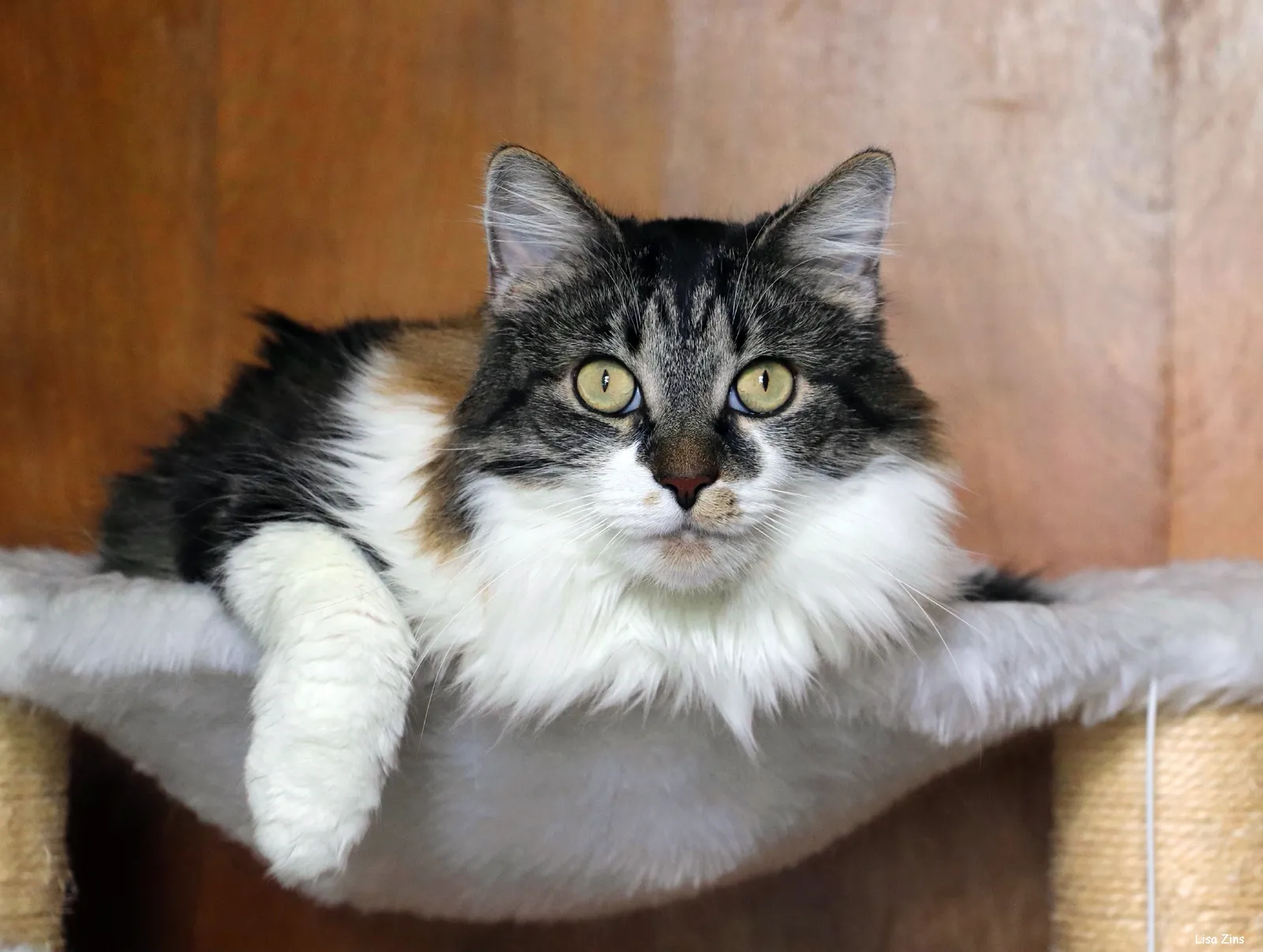
When cats paw down at the ground, they aren’t always kneading. Sometimes, they are settling the area down to make it more comfortable for them to rest on. Your cat may be pawing around her food bowl because she wants to prep the area before she digs in.
In the wild, felines, including the ancestors of today’s domestic cats, would knead soft ground, grass, or leaves to create a comfortable nesting area. By pressing down repeatedly, they could soften the surface, remove twigs or stones, and prepare a safe place for resting or giving birth. This practical behaviour likely carried over into the instinctive patterns of modern cats. The kitchen floor doesn’t need softening, of course, but your cat doesn’t quite know that.
Maternal Instinct in Female Cats
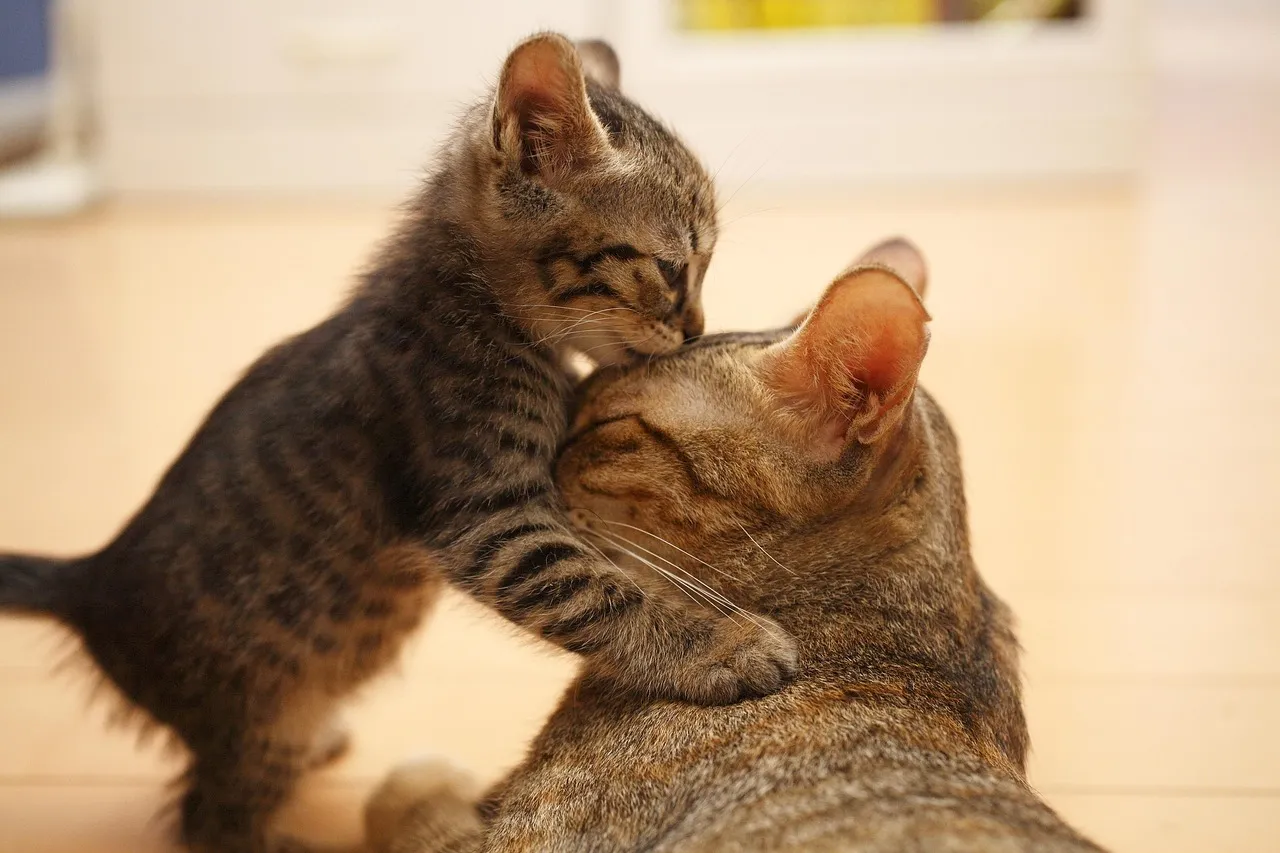
For female cats, especially those with kittens, scratching the floor after eating can also be linked to maternal instincts. Mother cats are extremely protective and may be more driven to hide food traces. In the wild, this would reduce the risk of predators finding their young. Indoors, the behavior may appear stronger during nursing, even if no actual danger exists.
If you have a mother cat, giving her a quiet and private space for feeding can help her feel safer and reduce stress. This is a case where the behavior has a clear, heightened biological driver and responding thoughtfully to it genuinely matters for the cat’s wellbeing.
When the Bowl Itself Is the Problem: Whisker Fatigue
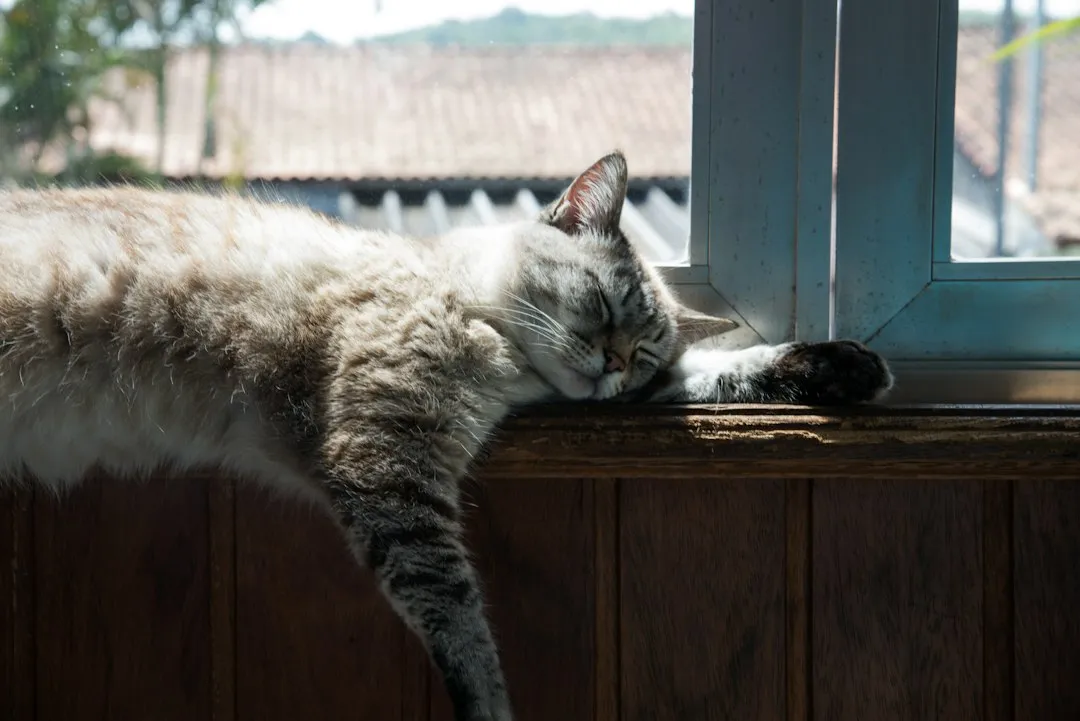
In 2025, veterinarians increasingly recognize that constant whisker contact, especially with deep food bowls, narrow dishes, or tight spaces, can overwhelm cats. Dubbed “whisker fatigue” or “whisker stress,” this condition causes discomfort and behavior changes. A cat experiencing this may paw food out of the bowl to eat it off the floor instead, where its whiskers aren’t under pressure.
It is not a disease, and its existence is still debated in the veterinary community. Signs may include pacing near the food bowl, pulling food onto the floor, or acting hungry but not eating. Pawing food out, pacing, or avoiding a bowl can also signal dental pain, nausea, stress, or dislike of the food. So whisker fatigue is possible, but it should not be assumed. Ruling out medical causes first is always the right starting point.
When Should You Actually Be Concerned?
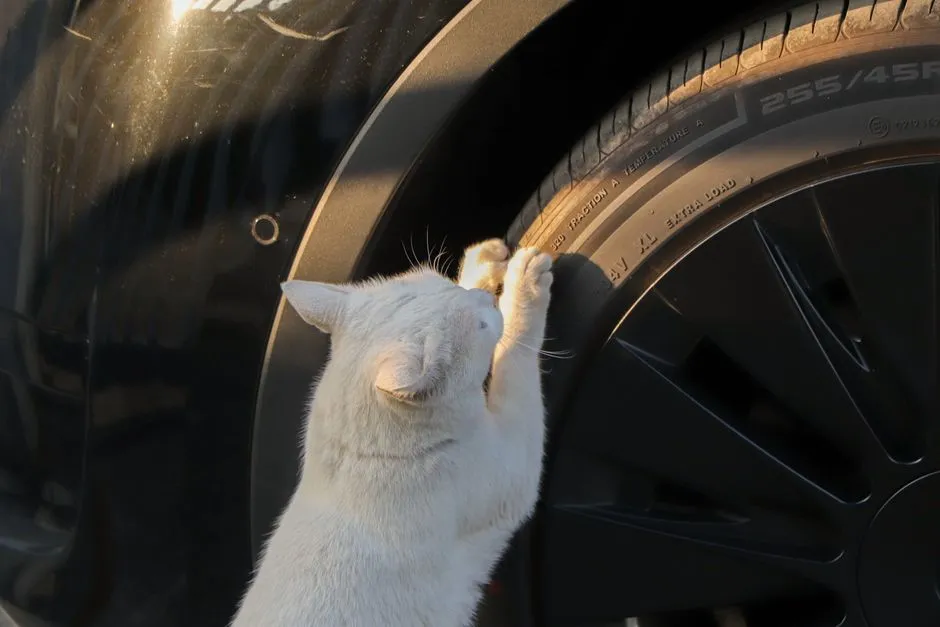
If you notice that your cat is scratching around the food bowl, don’t be overly concerned. It’s good to know why they do this, but it’s not a harmful behavior and it doesn’t mean that there’s anything wrong. If it’s related to food, that’s easily solved and in most cases, it’s an instinctive behavior that cats display with no underlying negative reason.
Should your cat’s scratching come on suddenly, or be accompanied by other behavioral and digestive issues, then it’s time to make an appointment to address any medical problems. If you’re also seeing weight loss, drooling, vomiting, or changes outside of mealtimes, see your vet to rule out a medical cause before assuming the bowl is the problem. Sudden behavior changes are always worth a professional opinion. Gradual, consistent pawing around the bowl, in a cat that otherwise eats normally and acts well, is almost certainly just your cat being a cat.
What You Can Actually Do About It
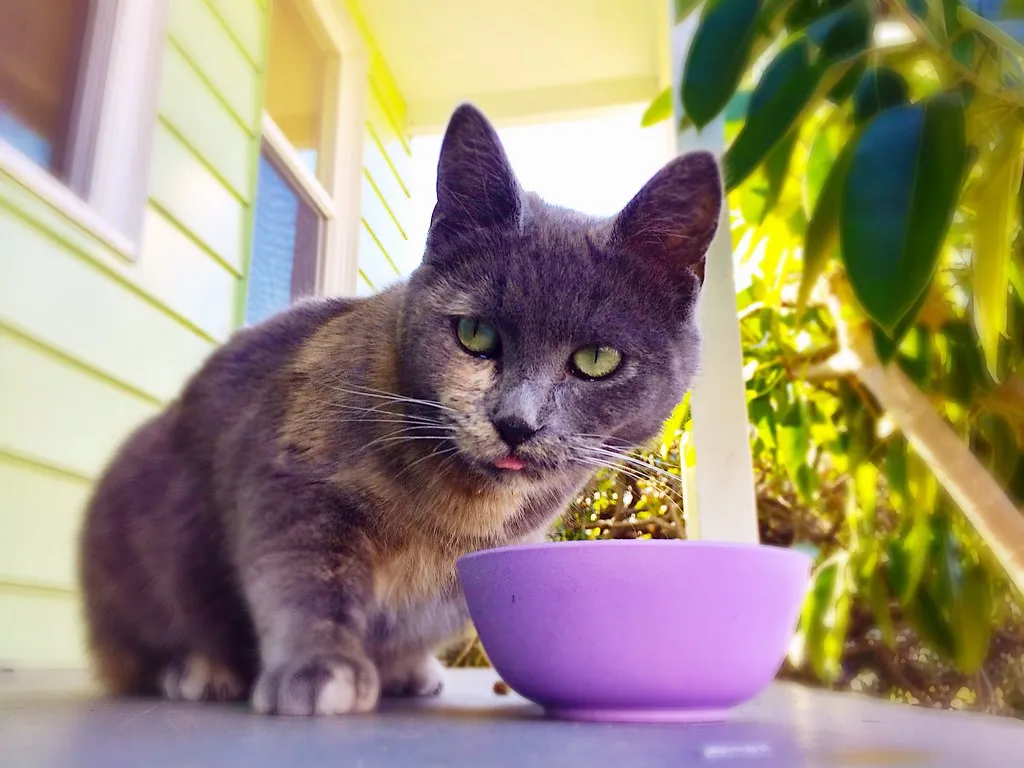
If they’re burying a lot and making a mess with their food, you can try to put less food out at a time, use interactive feeders, or use a heavy ceramic non-slip bowl. Smaller, more frequent meals reduce the amount of food left over that triggers the burying impulse in the first place. This behavior can happen with dry food, but may be more common with cats who eat wet food, because it doesn’t stay fresh as long.
Some cats may prefer wider, shallow bowls to avoid whisker contact. Low, wide dishes or water fountains can help if a cat seems uncomfortable using standard bowls. It’s important not to discipline your cat for scratching or kneading. As it’s an instinctive behavior, your cat won’t understand why they’re being punished. That last point deserves emphasis. Punishing an instinct doesn’t extinguish it. It only creates a confused and anxious animal.
The Bigger Picture
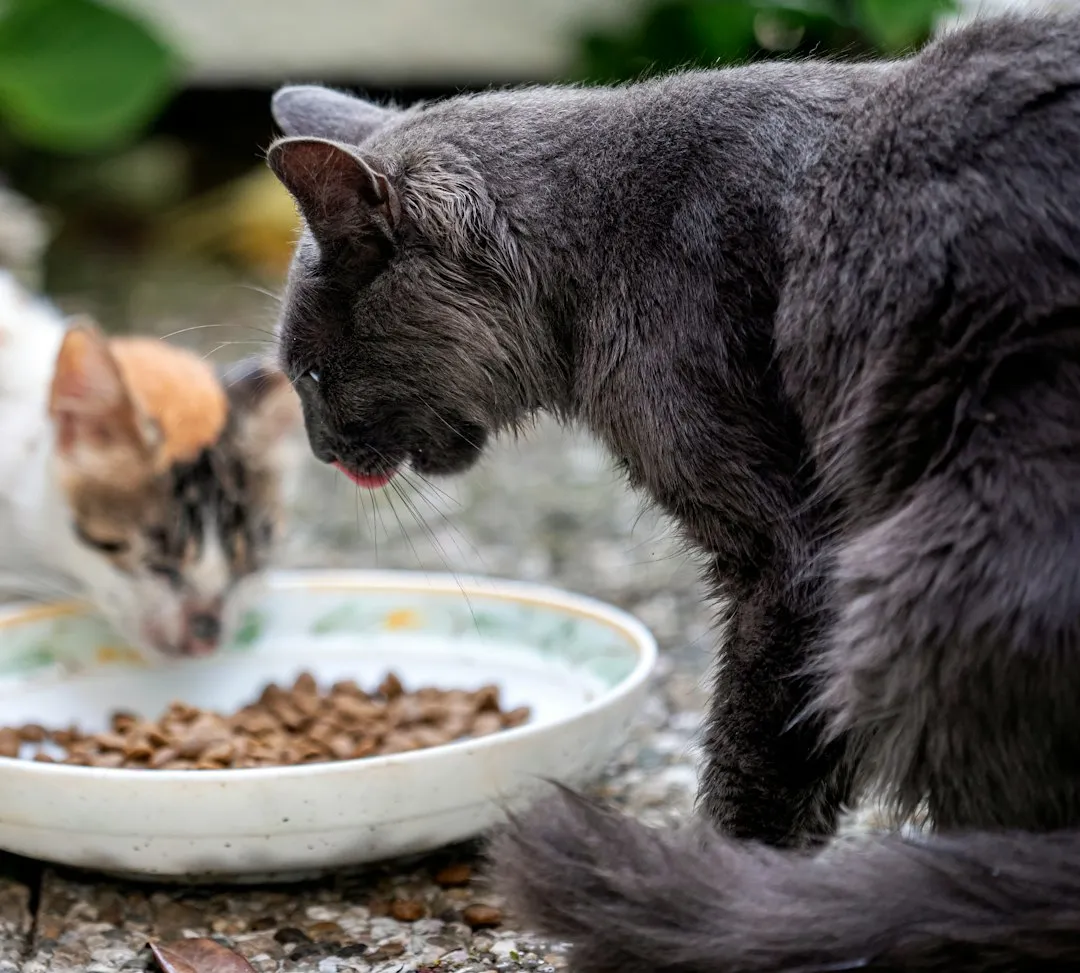
Cats paw at the floor around their food bowl for a handful of overlapping reasons, most of them rooted in millions of years of survival behavior. Caching, scent-marking, nest preparation, the nursing reflex, maternal protection: these aren’t quirks. They’re the working code of a predator that evolution has kept largely intact despite several thousand years of living beside humans.
The more you recognize these behaviors for what they are, the less mysterious and the more remarkable your cat becomes. As silly as some cat behavior may seem, it can be an excellent tool to understand our cat’s needs. Cat behavior is another form of communication. The sooner we, as cat owners, can understand that, the sooner we can figure out how to best serve our feline friends. That scratching around the bowl isn’t a malfunction. It’s your cat, entirely on purpose, doing exactly what cats do.
AI Disclaimer: This article was created with the assistance of AI tools and reviewed by a human editor.