
Most dog owners know when something feels off with their pet. The change in energy, the look in the eyes, the way they carry themselves. What fewer owners realize is that one of the most reliable early warning signals doesn’t come from behavior at all. It comes from counting breaths while your dog sleeps.
Veterinary cardiologists have been pointing to this single number for years, and for good reason. It costs nothing to measure, takes about a minute, and can reveal serious health changes well before other symptoms show up. Here’s what you need to know.
What Counts as Normal

A normal breathing rate while resting calmly or sleeping is between 15 and 30 breaths per minute, and that range applies to all normal dogs, dogs with asymptomatic heart disease, and even dogs with well-controlled heart failure. That’s a wider window than most people expect.
Lower rates are possible and are no cause for concern, as long as your pet is otherwise acting normally. It’s also considered normal for breathing rates to be much higher when dogs are hot, stressed, or active. So context matters enormously when you’re making a count.
Larger dogs typically have a lower resting respiration rate than smaller dogs, and each dog will have a rate that is personal and normal for them. That individuality is exactly why building your own dog’s baseline over time is so useful.
Why Breed Size Changes the Numbers
In large dogs, the respiratory rate is about 15 breaths per minute, while in small dogs it is usually around 25 breaths per minute. Puppies breathe roughly 20 times per minute as an additional consideration.
Respiratory rate varies according to the dog’s stage of life, breed, temperature, and level of physical activity. None of these variables make a count meaningless, but they do make context essential.
The wide range of a normal respiratory rate is attributed to the many different sizes of various dog breeds and their chest conformation. A Great Dane and a Chihuahua will both be “normal” at very different numbers, and comparing them directly would be misleading.
How to Measure It Correctly at Home
Wait until the dog is sleeping or resting quietly, then count the number of chest rises over 30 seconds and multiply by two. For accuracy, do this when the dog isn’t actively dreaming or immediately after physical activity.
Determining a dog’s respiratory rate should never be done while it’s panting, as a dog can pant up to 300 times a minute. Panting and breathing are fundamentally different processes, and mixing them up makes the measurement worthless.
Count the number of times the chest rises and falls, where one full rise and fall equals one breath, over 60 seconds. Do this at least once a day for seven days and record the result on your calendar. This will help you determine your pet’s average resting respiratory rate.
The Threshold That Matters Most
Resting and sleeping breathing rates that are consistently greater than 30 breaths per minute are increased and considered abnormal. For some individuals, rates lower than 30 breaths per minute may also be considered increased and abnormal by your veterinarian.
A resting or sleeping respiratory rate that stays above 30 breaths per minute is abnormal in dogs and cats, and it is one of the earliest signs that fluid is building up in the lungs. That’s the detail that gives this number its real clinical weight.
Most vets agree that anything above 40 breaths per minute is concerning if your dog is resting. At that point, waiting to see if it resolves on its own is not the right call.
The Connection to Heart Disease
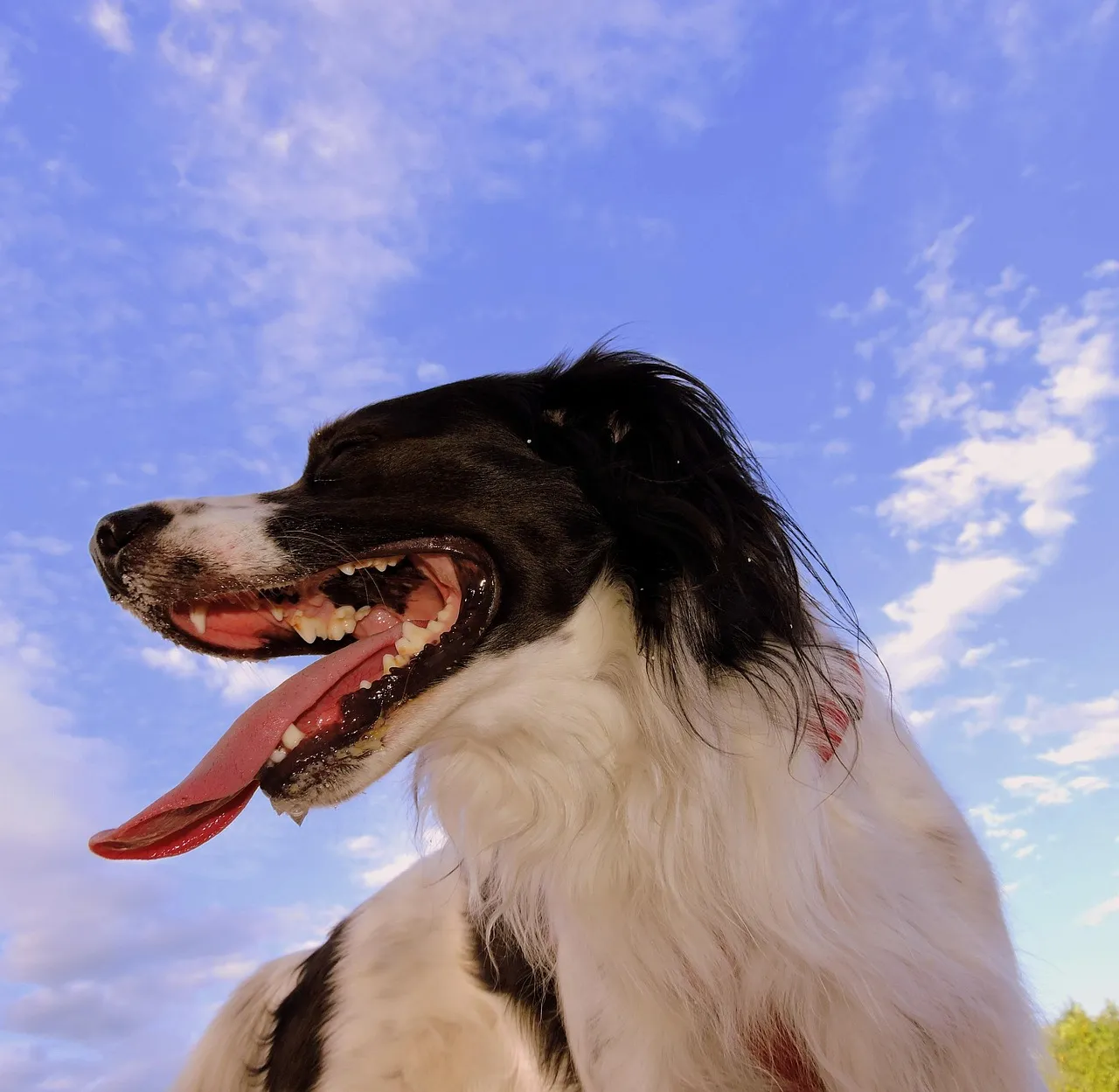
An increased breathing rate while resting quietly or sleeping is a very important early indication that your pet may be developing heart failure. By noticing it early, you can help limit how sick your pet will get, reduce the chances of an overnight hospital stay, and help reduce the costs associated with heart failure treatment.
In hospitalized dogs with left-sided congestive heart failure, resting respiratory rate proved the most sensitive and specific single test for identifying heart failure as a cause of respiratory signs. That’s a meaningful distinction in the world of diagnostics, where tests rarely perform that cleanly.
When the left side of the heart is diseased, this presents as a build-up of fluid in the lungs, causing breathing difficulties and shortness of breath. Before such signs occur, many animals start to have an increase in their breathing rate, and this is best detected when your pet is sleeping.
What a Slow Creep Upward Means

Because dogs are masters at hiding discomfort, a subtle creep in their breathing frequency is often the only clue that something is wrong internally. This is one of the reasons that tracking the number over weeks, not just checking it once, is the approach vets actually recommend.
A slow increase in resting respiratory rate over weeks might point toward chronic heart disease. That gradual pattern is different from an acute spike, and understanding the difference helps you respond appropriately rather than either dismissing it or panicking.
Research tracking dogs at home using biometric devices found that both resting heart rate and respiratory rate were significantly higher in dogs with heart disorders compared to healthy dogs. The data suggests that home monitoring can detect these differences in a real-world setting, not just in a clinic.
When to Call the Vet Immediately
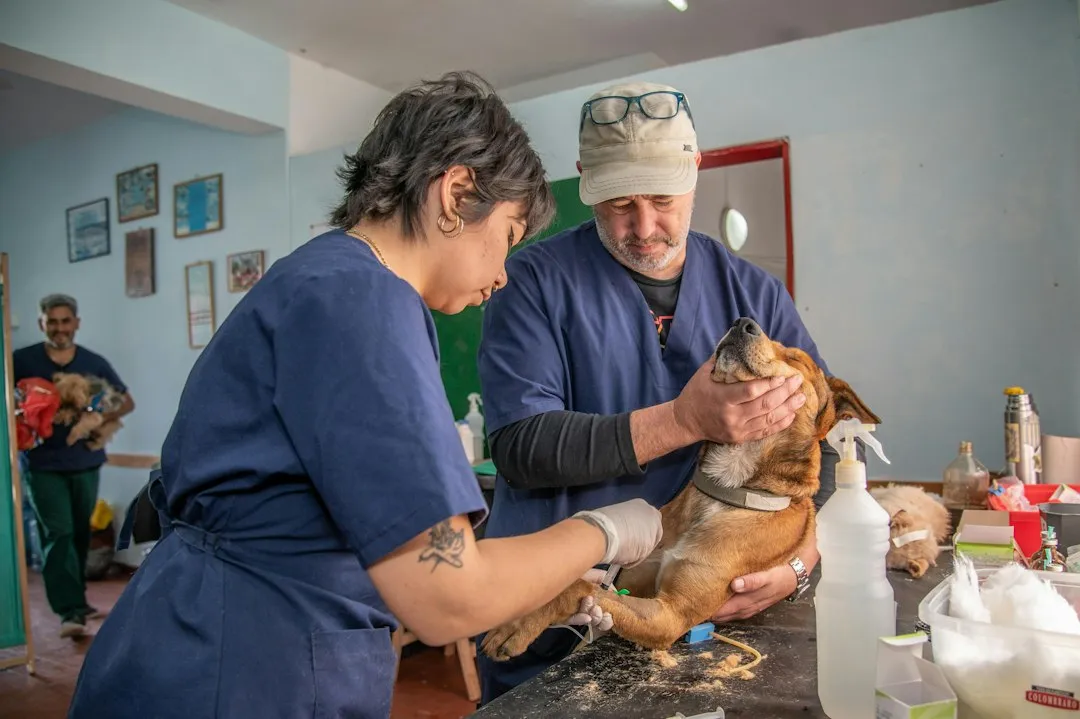
Count the breathing rate a few times over the next couple of hours to confirm it is a consistent finding. If it is consistently increased, contact your veterinarian as soon as possible.
Seek immediate veterinary care if the resting respiratory rate is consistently over 40 to 50 breaths per minute, if your dog is standing with elbows spread to breathe, if the gums appear blue, purple, or pale, or if your dog is using abdominal muscles to pull in air.
Labored breathing, collapse, extreme lethargy, or gums that look pale, gray, or bluish need same-day emergency care. Those signs move the situation from “monitor at home” to “go now.”
Brachycephalic Breeds and a Different Baseline

Brachycephalic obstructive airway syndrome in dogs refers to anatomical and clinical conditions affecting the upper airways in brachycephalic breeds, including the English Bulldog, French Bulldog, Pug, Boston Terrier, Pekingese, Shih Tzu, and Lhasa Apso, among others. These breeds are characterized by a broad and short skull that predisposes them to changes such as stenotic nares, an elongated or thickened soft palate, and reduced nasal and oropharyngeal spaces.
Because these anatomical abnormalities make it more difficult to breathe during exercise, stress, or heat, an animal with these features may be unable to take deep or fast enough breaths. This can lead to distress and further increases in both respiratory rate and heart rate, creating a cycle that can quickly become life-threatening.
Brachycephalic breeds are predisposed to rapid breathing, but dogs of any age and breed can present with this symptom. Flat-faced dog owners simply need to be more attentive than average, not alarmed by default.
Other Causes of a Raised Rate
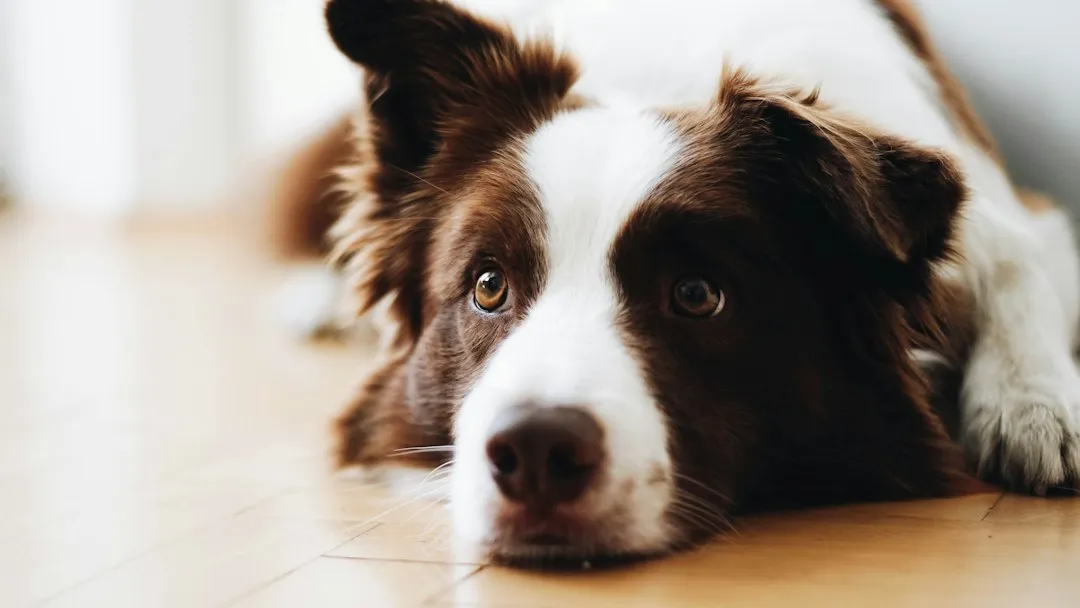
Rapid breathing can be caused by environmental factors such as stress, exhaustion, or heat, or it can be a signifier of a more serious underlying cause such as a tumor, toxicosis, or severe lung disease. The list is long, which is exactly why the measurement alone doesn’t give you a diagnosis.
Rapid breathing is also a primary symptom of pain and stress in dogs and is associated with painful conditions. It also occurs with any illness that raises the acidity of the blood. Pain is often underestimated as a driver of elevated respiratory rates in dogs, partly because dogs rarely show it in obvious ways.
Both increases and decreases in respiratory rate can be caused by either disease or a physiological condition. If the dog is at rest and the rate is adjusted for age and size, it becomes easier to determine whether the animal’s rate falls within a normal or pathological range.
Building a Log and Knowing Your Dog’s Number
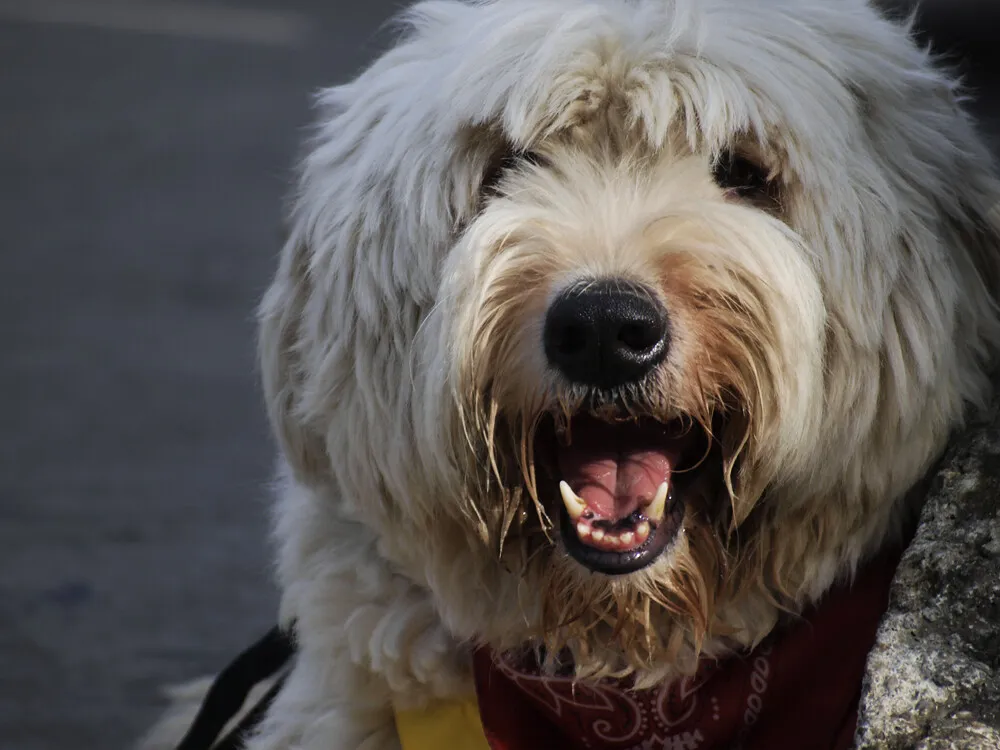
The 30-breaths-per-minute threshold only works if you know your own dog’s baseline, which takes about a week of counting. That week of data changes the number from an abstract guideline into something personally useful.
For best practice, taking the respiratory rate at least once a day is recommended. The rate is most accurate when taken while your dog is sleeping soundly. If your dog had intense physical activity before resting, the respiratory rate may be elevated.
Establishing a baseline when the dog is healthy helps you recognize abnormal patterns later. Think of it the same way you might track your own resting heart rate during a period of good health, so you have something solid to compare against when things change.
Final Thoughts
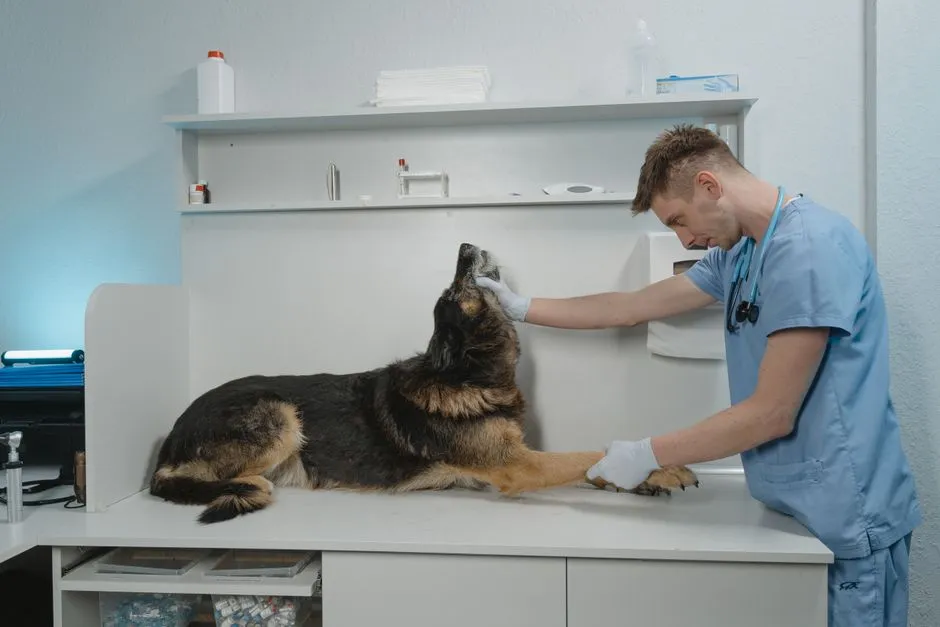
One of the most useful, low-tech monitoring habits in veterinary cardiology is the resting or sleeping respiratory rate. It costs nothing, takes 60 seconds, and can give you an early warning that something has changed.
Thirty breaths per minute is the number worth remembering. Not because it’s a hard cutoff for every single dog, but because it gives you a reliable starting point for a conversation with your vet before things escalate. Most health problems in dogs are more manageable when caught early, and this particular check requires nothing more than a quiet room and your attention.
Make it part of your weekly routine. Watch the chest rise and fall. Count to 30 seconds and double it. Write it down. That small habit, practiced consistently, is something a lot of vets wish more owners did.
AI Disclaimer: This article was created with the assistance of AI tools and reviewed by a human editor.