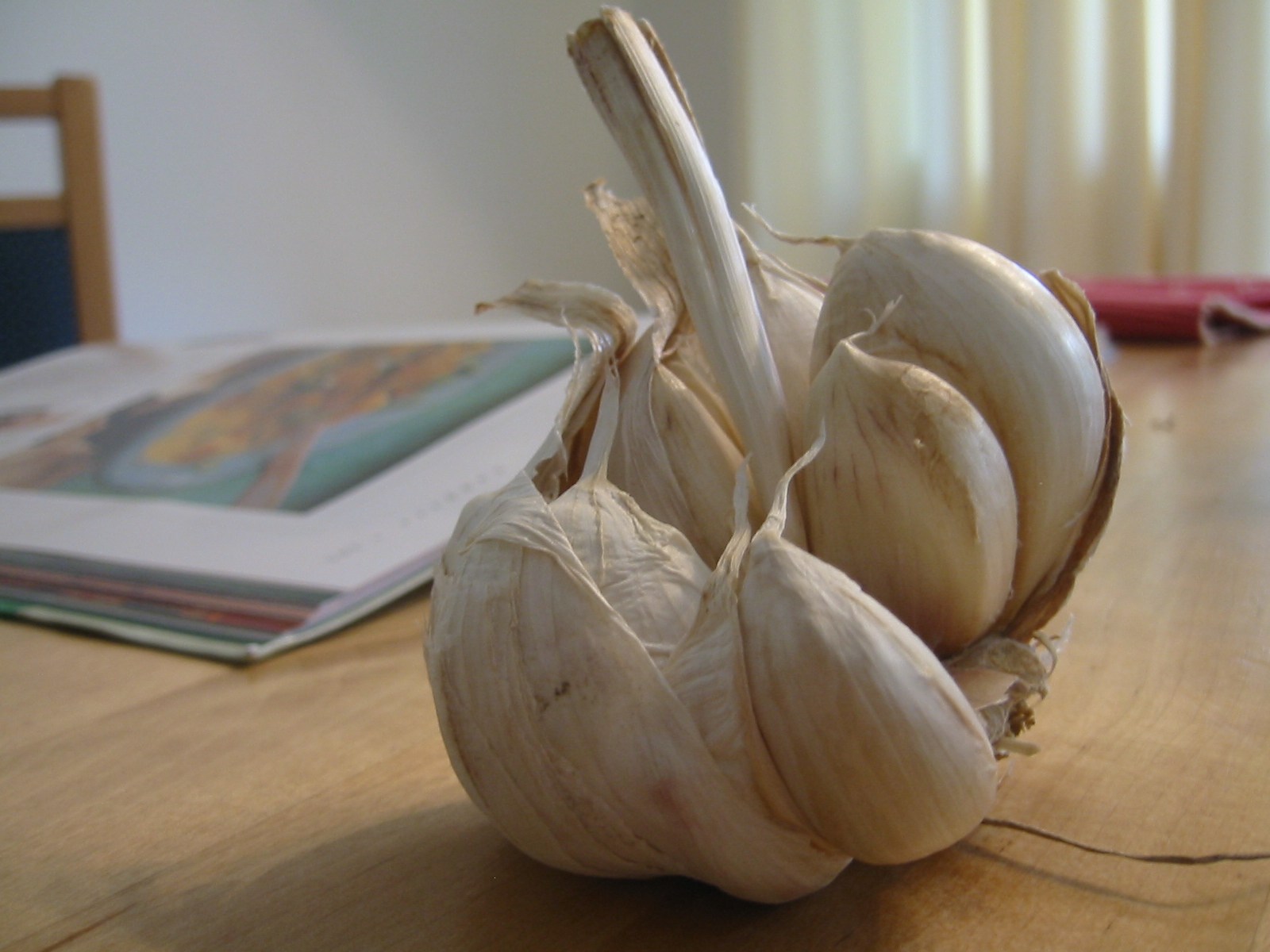

Two Compounds, One Powerful Reaction
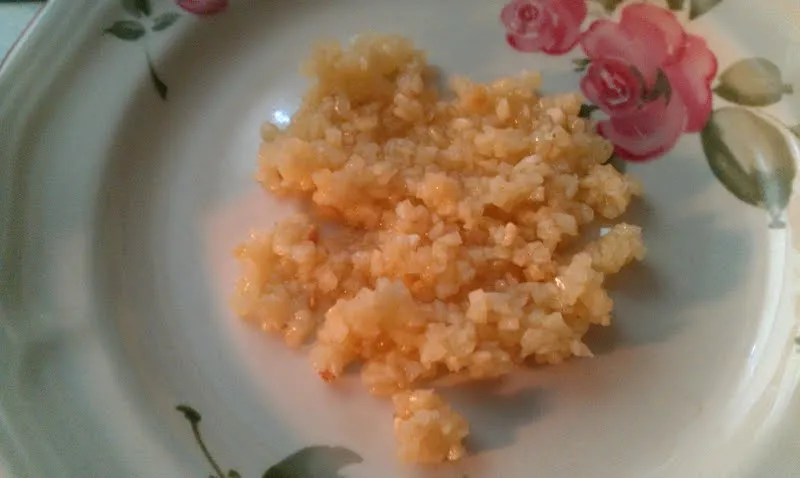
When raw garlic cloves are crushed, chopped, or chewed, an enzyme known as alliinase is released, which catalyzes the formation of sulfenic acids from L-cysteine sulfoxides. These sulfenic acids spontaneously react with each other to form unstable compounds called thiosulfinates, and in the case of alliin, the resulting sulfenic acids react to form a thiosulfinate known as allicin.
Allicin is a key bioactive organosulfur metabolite derived from garlic bulbs. It’s also the compound responsible for that sharp, pungent smell fresh garlic releases when you cut into it. The two precursor compounds, alliin and alliinase, are stored in completely separate parts of the garlic cell and only meet when the cell walls are physically broken.
The Heat Problem Nobody Talks About
Alliinase is heat-sensitive, so if you throw your garlic into a hot pan right after chopping it up, alliinase is destroyed and the two proteins do not have enough time to react and create allicin. This is the crux of the whole issue. The enzyme that drives allicin production is the first casualty of cooking.
Without allicin, much of garlic’s medicinal properties are absent. Thankfully, there is a very easy way to address this issue: prep your garlic and set it aside before cooking for ten minutes, which is plenty of time to allow alliin and alliinase to react. It’s a small habit change with a meaningful payoff.
The Science Behind the 10-Minute Window

Research notes that allowing crushed garlic to stand for 10 minutes before cooking may further enhance formation of healthful compounds before heat inactivates alliinase. This finding came from researchers in Argentina and the United States who studied how preparation methods affected garlic’s beneficial properties.
Once you allow allicin to form, some of it may remain stable during cooking at low temperatures, but much of the allicin degrades in the presence of heat, resulting in the mellowing of flavor and pungency of cooked versus raw garlic. The 10-minute window essentially locks in the allicin before the heat can dismantle it.
How Quickly Does Allicin Actually Form?
The formation of thiosulfinates is very rapid and has been found to be complete within 10 to 60 seconds of crushing garlic. So the initial chemical reaction is nearly instantaneous. The reason the 10-minute rest still matters is that the full cascade of organosulfur compounds needs more time to develop and stabilize.
Allowing the garlic to sit for about 10 minutes protects that early enzyme activity. Allicin breaks down in vitro to form a variety of fat-soluble organosulfur compounds, including diallyl trisulfide (DATS), diallyl disulfide (DADS), and diallyl sulfide (DAS). These secondary compounds are themselves biologically active and worth preserving.
Allicin’s Antimicrobial Properties
In laboratory settings, allicin and related sulfur compounds have demonstrated antimicrobial properties against a range of microbes. Garlic has been widely used as a natural antibiotic on the basis of its broad-spectrum antimicrobial property. This reputation stretches back centuries and is now supported by rigorous laboratory research.
Many in vitro and in vivo studies have reported the sulfur-containing compounds, allicin and ajoene, for their effective anticancer, anti-diabetic, anti-inflammatory, antioxidant, antimicrobial, immune-boosting, and cardioprotective properties. The key point here is that all of these properties depend on allicin actually being present in meaningful quantities, which means preparation method matters.
Heart Health and Cardiovascular Protection
Allicin (diallyl thiosulfinate) is one of the primary natural active ingredients in garlic, which has been proven to have powerful cardioprotective effects and mediate various pathological processes related to cardiovascular disease, such as inflammatory factor secretion, myocardial cell apoptosis, and oxidative stress. A 2024 review in Chinese Medicine examined these mechanisms in considerable depth.
Clinical research, including randomized controlled trials and meta-analyses, validates garlic’s effectiveness in lowering both systolic and diastolic blood pressure, with results comparable to standard antihypertensives in cases of mild to moderate hypertension. These are not fringe findings. They represent a solid body of evidence accumulated across multiple research groups worldwide.
Anti-Inflammatory Effects
Garlic and its organosulfur compounds have been shown to exert anti-inflammatory effects by modulating the nuclear factor-kappa B (NF-κB) pathway, a transcription factor that regulates the expression of pro-inflammatory cytokines. Several studies have reported that garlic and its compounds inhibit NF-κB activation, thereby reducing inflammation.
Garlic possesses various properties, including anti-thrombotic, antioxidant, blood cholesterol-lowering, anti-obesity, and anti-dementia effects. A 2025 review published in a peer-reviewed journal confirmed these effects are attributed to garlic-derived sulfur compounds, allicin among them. Letting garlic rest before cooking helps preserve the compounds that drive these benefits.
Protecting the Brain
Garlic contains antioxidants that support your body’s protective mechanisms against oxidative damage, and some research suggests these antioxidants may significantly reduce oxidative stress and lower your risk of related diseases like Alzheimer’s disease, the most common form of dementia.
Allicin exhibits protective effects in multiple organ systems, including the brain, intestines, lungs, liver, kidneys, prostate, and heart. That’s a notably wide range of systems for a single food compound to influence. The research is still developing, and many findings come from animal studies, so direct human applications should be understood with appropriate caution.
Finer Cuts Yield More Allicin
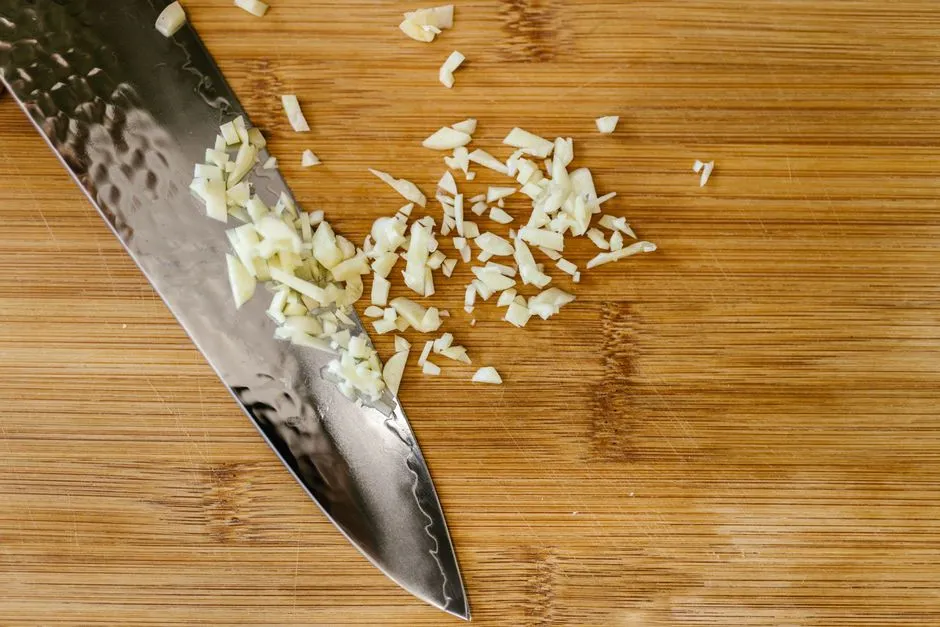
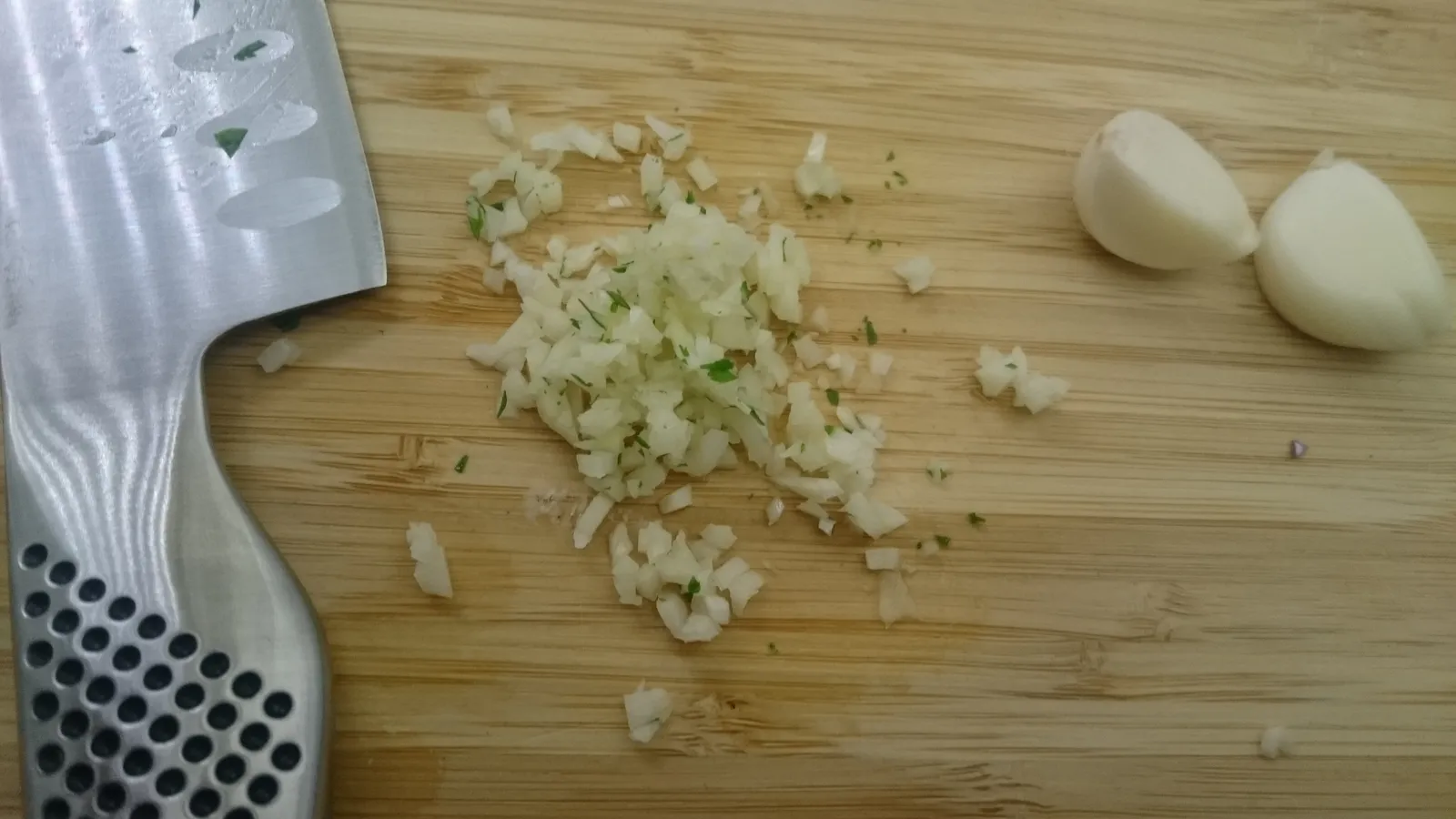
Finer particles rupture more cells, boosting allicin formation and flavor intensity. This means that mincing garlic produces more allicin than roughly chopping it, simply because more cells are broken open and more alliinase is released to act on alliin. The finer the cut, the more enzymatic activity you unlock.
Many cooks instinctively follow this rule without naming it: they prep garlic early, set it aside while they chop other ingredients, and only then start cooking. Good cooking instinct and good biochemistry, it turns out, point in the same direction. Pressing or crushing with a flat blade before mincing amplifies the effect even further.
Practical Tips to Make It a Habit
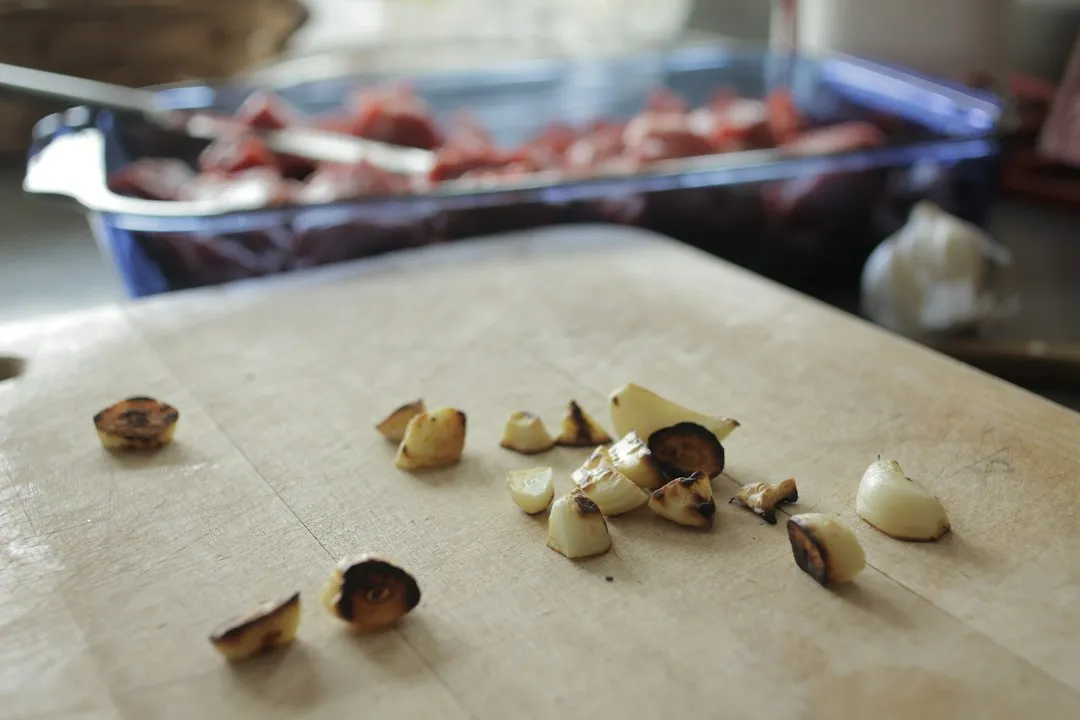
Prep the garlic early in your cooking flow to build in the rest period naturally. While the garlic sits, chop vegetables, measure spices, or heat your pan. When ready to cook, add the garlic with attention to temperature: medium or medium-low heat allows aroma to bloom without scorching.
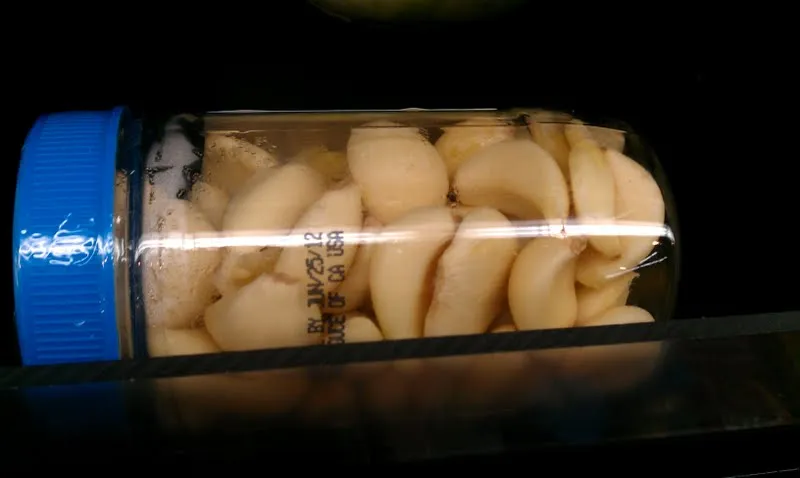
If the recipe includes acid, like lemon juice or vinegar, try to add it after the garlic has rested and begun cooking gently to avoid dampening the initial enzyme activity. Pre-chopped jars of garlic typically contain citric acid or phosphoric acid to stabilize the product for its shelf life, and the acid in these foods will render alliinase ineffective. Fresh garlic, prepared and rested at home, remains the most reliable option for maximizing these benefits.
The Takeaway
Ten minutes is not a long time. Most recipes involve enough prep work that the garlic can rest while everything else comes together. The payoff, in terms of preserving allicin and the cascade of organosulfur compounds it generates, is genuinely supported by a growing and consistent body of research.
Allicin is a valuable metabolite in medicine and the food field, according to a 2025 mini-review published in Frontiers in Pharmacology. The research community is increasingly interested in its mechanisms and applications. You don’t need a laboratory to benefit from that science. You just need a knife, a cutting board, and a little patience.
AI Disclaimer: This article was created with the assistance of AI tools and reviewed by a human editor.