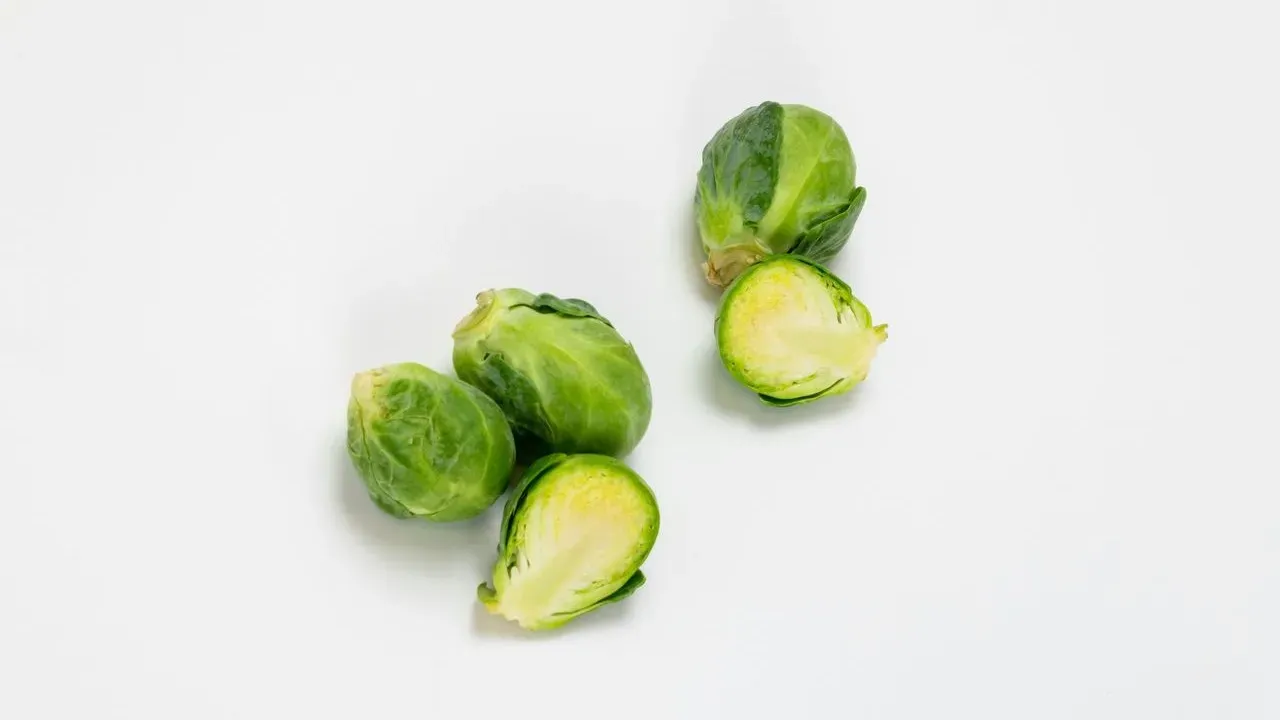

Home gardeners in cooler regions often turn to Brussels sprouts as a reliable winter crop. These plants thrive in USDA Hardiness Zones 3 to 9, where temperatures stay moderate enough for steady growth yet cool enough to bring out their best qualities. A light frost can actually enhance their taste, turning what might otherwise be a mild vegetable into something noticeably sweeter and more complex. The original guidance on winter care highlights this balance between natural flavor improvement and the need for safeguards when conditions turn extreme.
Why Brussels Sprouts Suit Cold Seasons
Brussels sprouts belong to the cool-weather vegetable group, making them a natural fit for fall and winter planting in many parts of the country. Their growth cycle aligns with shorter days and lower temperatures, allowing them to develop steadily without the stress that heat imposes on other crops. Gardeners in zones 3 through 9 can count on this adaptability, as the plants tolerate a range of winter conditions that would challenge more tender varieties. This timing also means harvests can extend well into the colder months, providing fresh produce when other garden options dwindle. The plants form their signature sprouts along sturdy stalks, and the overall structure holds up under light snow or chilly winds that might damage less hardy greens.
The Unexpected Benefit of a Light Frost
Many gardeners notice that Brussels sprouts develop a richer, sweeter profile after exposure to a light frost. The cold triggers changes in the plant that convert starches into sugars, improving flavor without any extra effort from the grower. This natural process turns a potential drawback of winter gardening into an advantage, encouraging patience as temperatures dip gradually. The effect stands out most clearly when the frost remains mild rather than severe. Gardeners who time their plantings to allow for this period often report more satisfying results at the table. It underscores why these crops earn a place in winter plans despite the challenges of shorter daylight and variable weather.
When Temperatures Drop Too Far
A heavy freeze presents a different story. Prolonged or intense cold can damage the plants, leading to mushy sprouts or weakened stalks that fail to produce a worthwhile harvest. The same conditions that deliver flavor enhancement in moderation can cross into harm when the mercury falls sharply and stays there. Gardeners monitoring forecasts must weigh the benefits of leaving plants exposed against the risk of loss. The window for action narrows quickly once a hard freeze is predicted, shifting focus from flavor development to survival.
Practical Steps to Safeguard the Harvest
Protection begins with attention to weather patterns and timely intervention. Simple coverings such as row covers or cloches can shield plants during brief cold snaps while still allowing some air circulation. Mulching around the base helps insulate roots and maintain soil temperature stability. In more extreme forecasts, gardeners sometimes move smaller plants into sheltered spots or use temporary barriers like burlap wraps. These measures preserve the crop for continued growth and eventual harvest once milder conditions return. Consistent monitoring remains essential, as each cold event differs in duration and intensity. The payoff comes in the form of fresh Brussels sprouts harvested straight from the garden during winter. This approach turns seasonal limitations into an opportunity for extended enjoyment, provided the balance between frost and freeze is managed with care.
AI Disclaimer: This article was created with the assistance of AI tools and reviewed by a human editor.