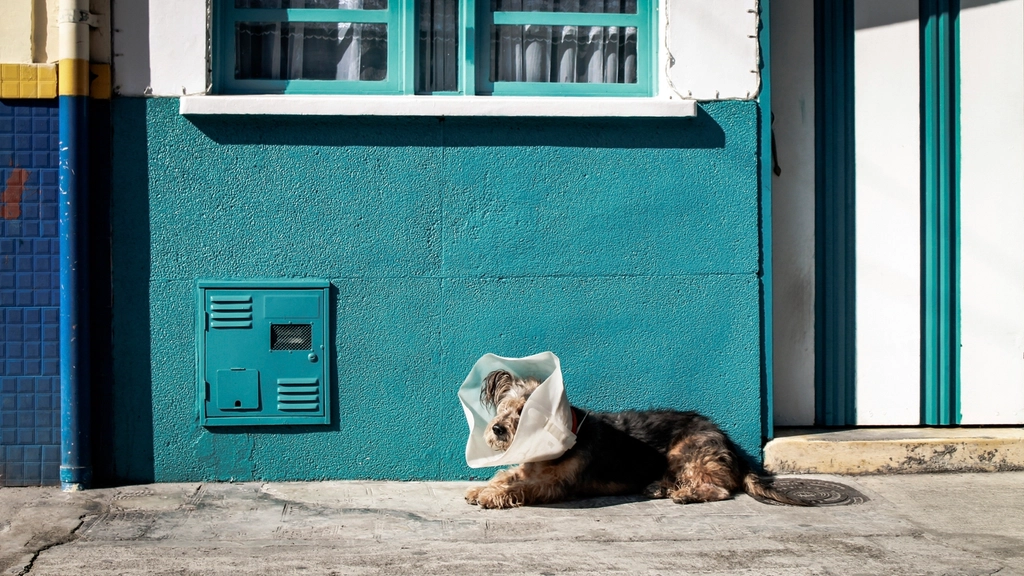

If you’ve ever watched your dog drag their backside across your carpet in front of dinner guests, you already know the mix of bafflement and mild embarrassment that comes with it. Most people laugh it off the first time. Veterinarians, though, tend to take a closer look.
Bottom scooting usually indicates that something in the perianal area is itchy, irritated, or uncomfortable. While it can occasionally be harmless, scooting is frequently a dog’s way of communicating that something isn’t quite right. The causes range widely, from something minor to something that genuinely needs medical care.
What Scooting Actually Is – and Why Dogs Do It
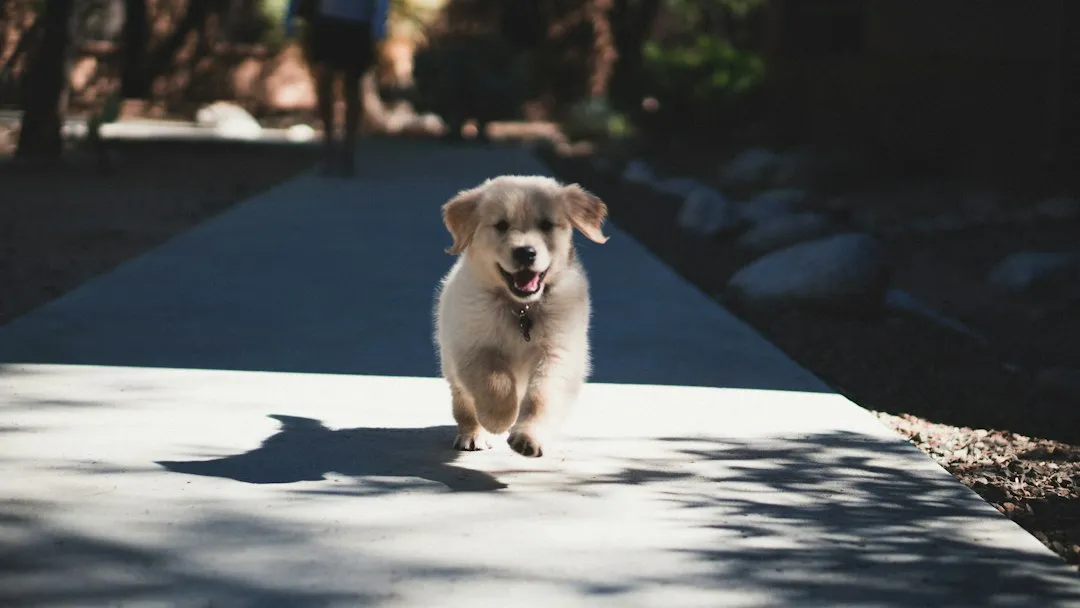
Dog scooting happens when a dog sits down and drags their hind end along the floor to relieve discomfort. The behavior is typically a response to itching, irritation, pain, or pressure around the anus. Dogs don’t have hands to scratch that hard-to-reach area, so they use the floor instead.
Scooting is not a disease by itself. It is a symptom that something in the anal, digestive, skin, or parasite-related system is bothering your dog. Think of it less as a quirk and more as your dog’s version of pointing at something that hurts.
The Number One Culprit: Anal Gland Problems
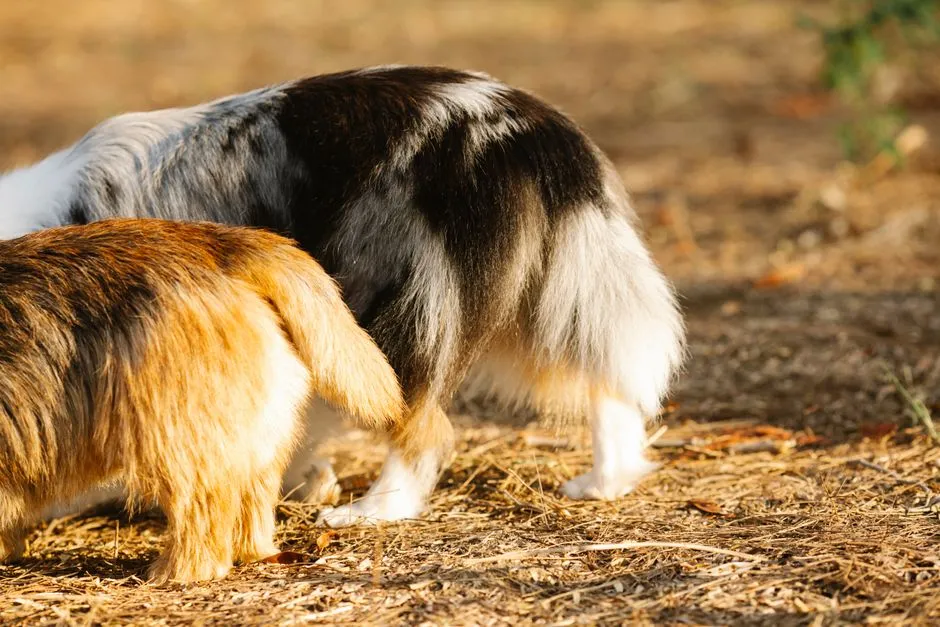
By far the most common cause of scooting in dogs is full anal sacs. The anal sacs are two small glands located around the anus that secrete a dog’s unique identifying aroma, which is why dogs sniff each other’s behinds when greeting.
When the sacs don’t empty properly, fluid can accumulate and thicken. Inflammation may develop, making it even harder for the sacs to empty naturally. Over time, the area can become painful and potentially infected.
Research published in a cross-sectional veterinary study estimated the incidence of non-neoplastic anal sac disease at roughly 15.7% in dogs. Predisposing factors included diarrhea, skin problems, certain breeds, and obesity. That’s a meaningful proportion of the dog population dealing with this issue at some point in their lives.
Which Dogs Are Most at Risk
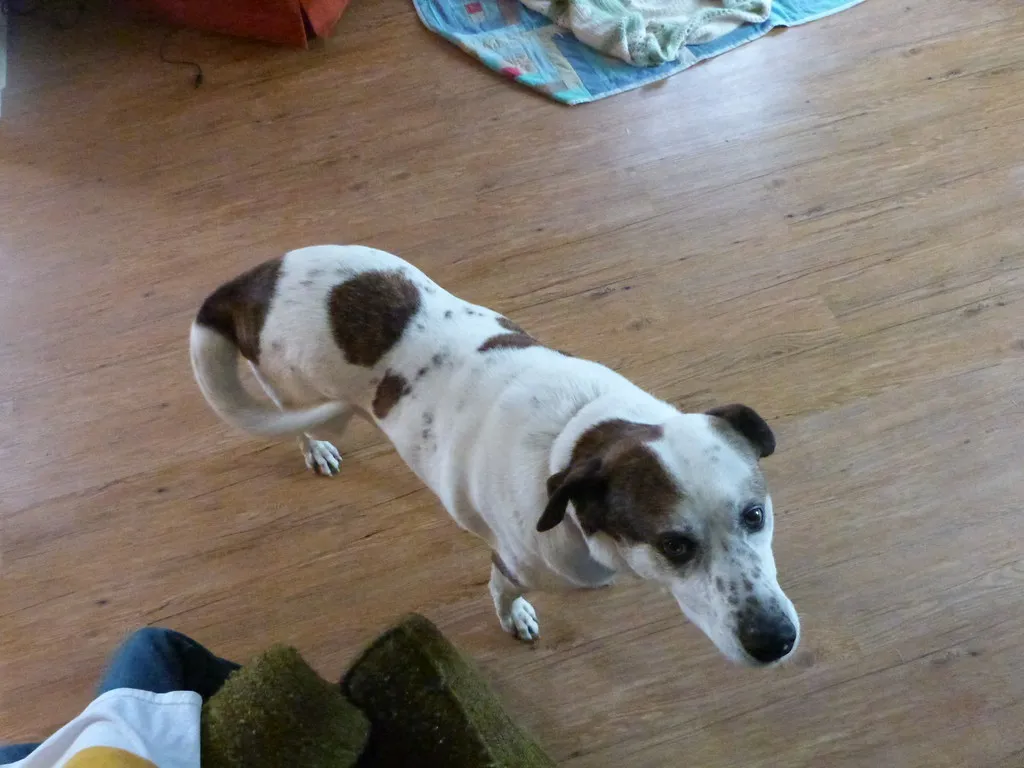
While any dog can exhibit scooting behavior, it’s particularly common among smaller or stockier breeds, like Chihuahuas or Pugs. Long-haired dogs also face additional challenges simply because fur around the rear end traps debris and moisture more easily.
Small-breed, overweight, and soft-stool dogs are more prone to anal gland issues than others. Weight management turns out to be a surprisingly relevant factor, not just for general health but specifically for keeping the anal glands functioning normally.
When Impaction Becomes an Abscess
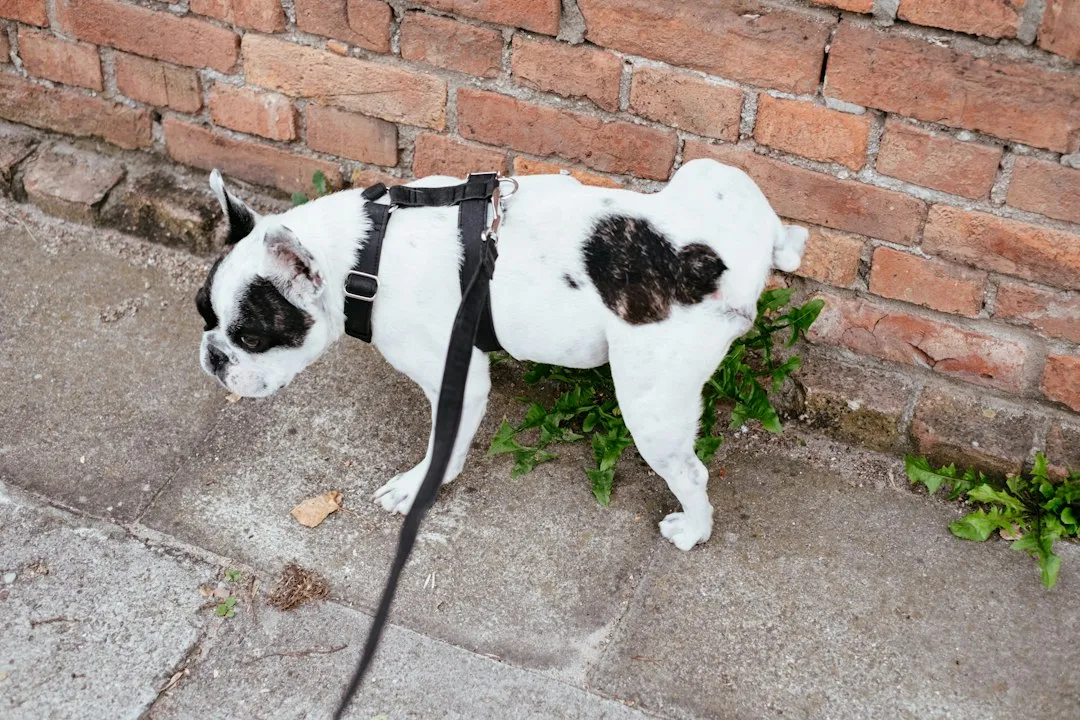
If left untreated, impacted glands can become infected or form abscesses, which are painful and may rupture. This escalation is what vets most want pet owners to understand: a mild case of scooting can turn serious if ignored for too long.
Impacted anal sacs are uncomfortable for dogs, but if ignored they might become infected and abscessed, requiring treatment with antibiotics. If the abscessed glands rupture, they may need surgery to repair, and dogs might also need pain medication to aid recovery.
Intestinal Parasites as a Hidden Trigger
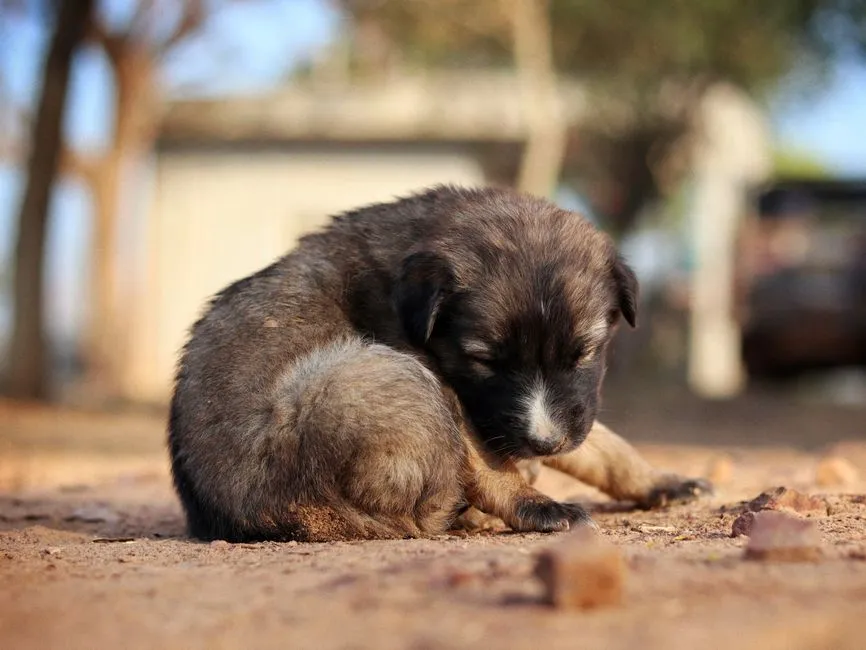
Intestinal parasites, such as tapeworms and roundworms, can cause itching and lead to a dog scooting their rear. Tapeworm segments may appear as small, rice-like grains around the anus or in feces. Regular deworming and fecal exams help prevent and treat these infections.
Worms, especially tapeworm segments irritating the anus, or fleas may trigger scooting. This is one reason vets often recommend bringing a fresh stool sample to appointments when scooting is involved – it allows for immediate parasite screening without guesswork.
The Role of Allergies and Diet
Food allergies and food intolerances can contribute to anal sac problems. Dogs rely on firm bowel movements to help naturally empty their anal sacs. If stool is consistently soft or loose, there may not be enough pressure to express the sacs properly. Dietary sensitivities, inadequate fiber intake, or ingredients that don’t agree with a dog can all contribute to ongoing digestive issues and scooting.
While humans with allergies sniffle and sneeze, dogs scratch and chew. The rear end, ears, and paws are common areas where dogs with allergies develop red, itchy skin. If your dog seems to scoot seasonally, environmental allergens like pollen are worth discussing with your vet.
Post-Grooming Scooting: A Commonly Missed Cause
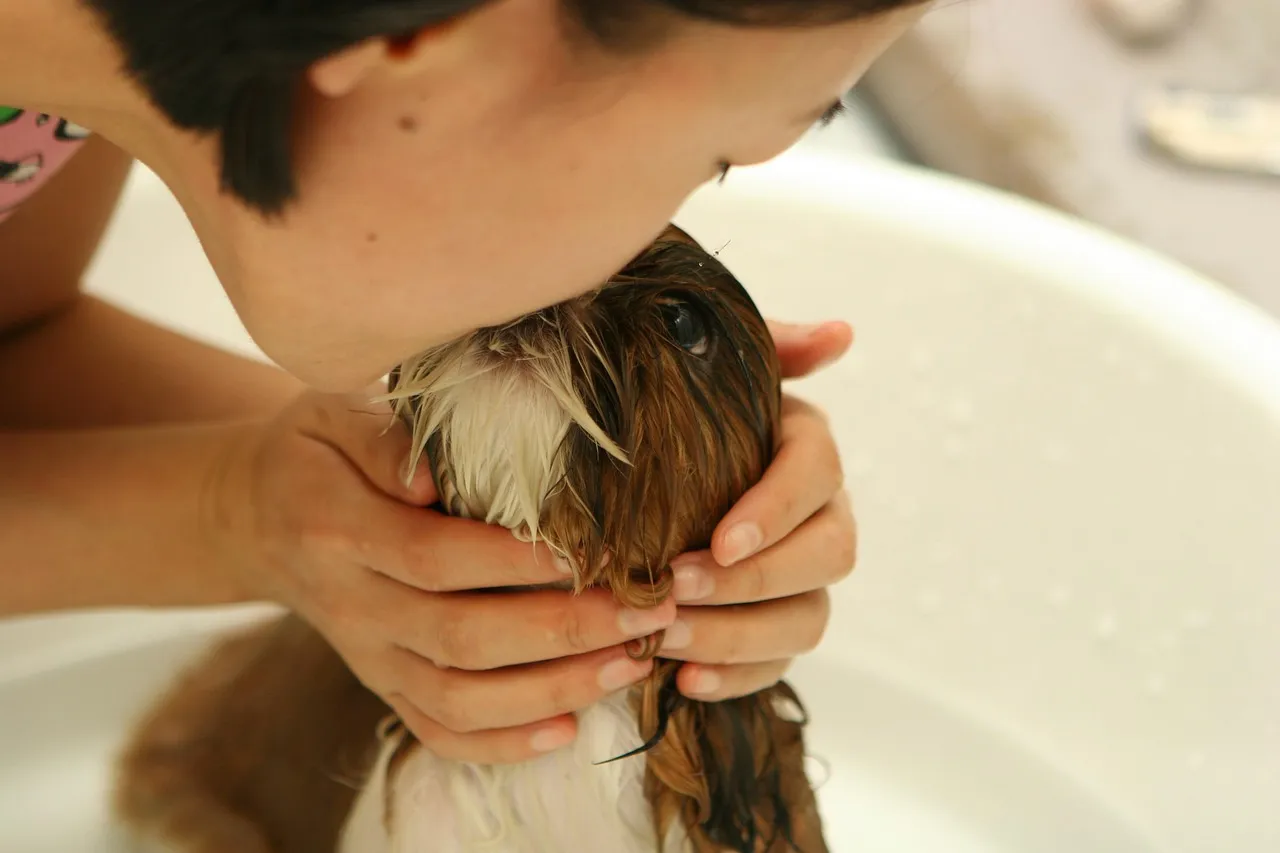
Dogs that are groomed frequently can sometimes develop irritation around the rear end. Clippers may cause razor burns or small nicks. Certain sprays, perfumes, shampoos, or grooming products can also irritate sensitive skin. If a dog starts scooting shortly after a grooming appointment, skin irritation may be the cause.
Clipper burns and perianal skin irritation are common in frequently groomed dogs, such as Poodles and Schnauzers. If a dog licks their bottom obsessively after being groomed, checking for skin irritation is a good first step. Grooming soaps and sprays can also irritate the skin, especially if applied heavily.
Perianal Fistulas: A More Serious Condition
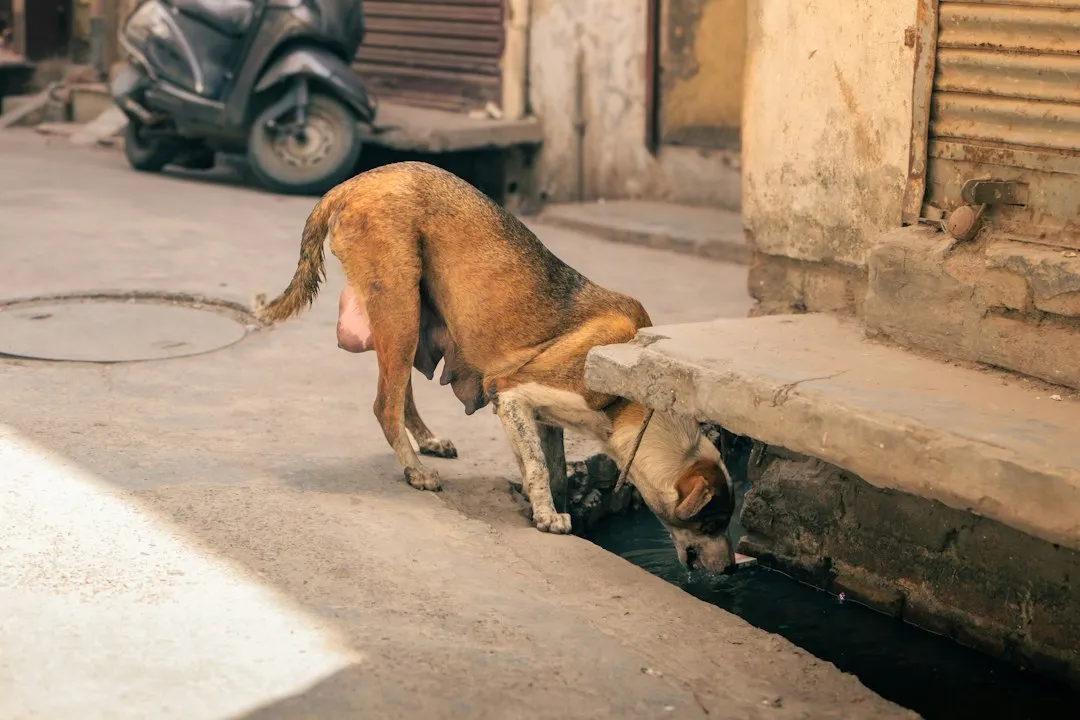
Perianal fistula, also termed anal furunculosis, is characterized by chronic, purulent, malodorous, ulcerating sinus tracts in the perianal tissues. This condition is most common in German Shepherd Dogs but also occurs in other breeds.
As the disease progresses, the affected dog will usually strain during defecation, and there will be blood in the feces. A decreased appetite is common in dogs with perianal fistulas. Usually the dog will lick excessively at its tail and rectal regions, and some dogs will be reluctant to sit or may not wag their tail normally. This is not a condition to manage at home.
What Vets Actually Do About Scooting
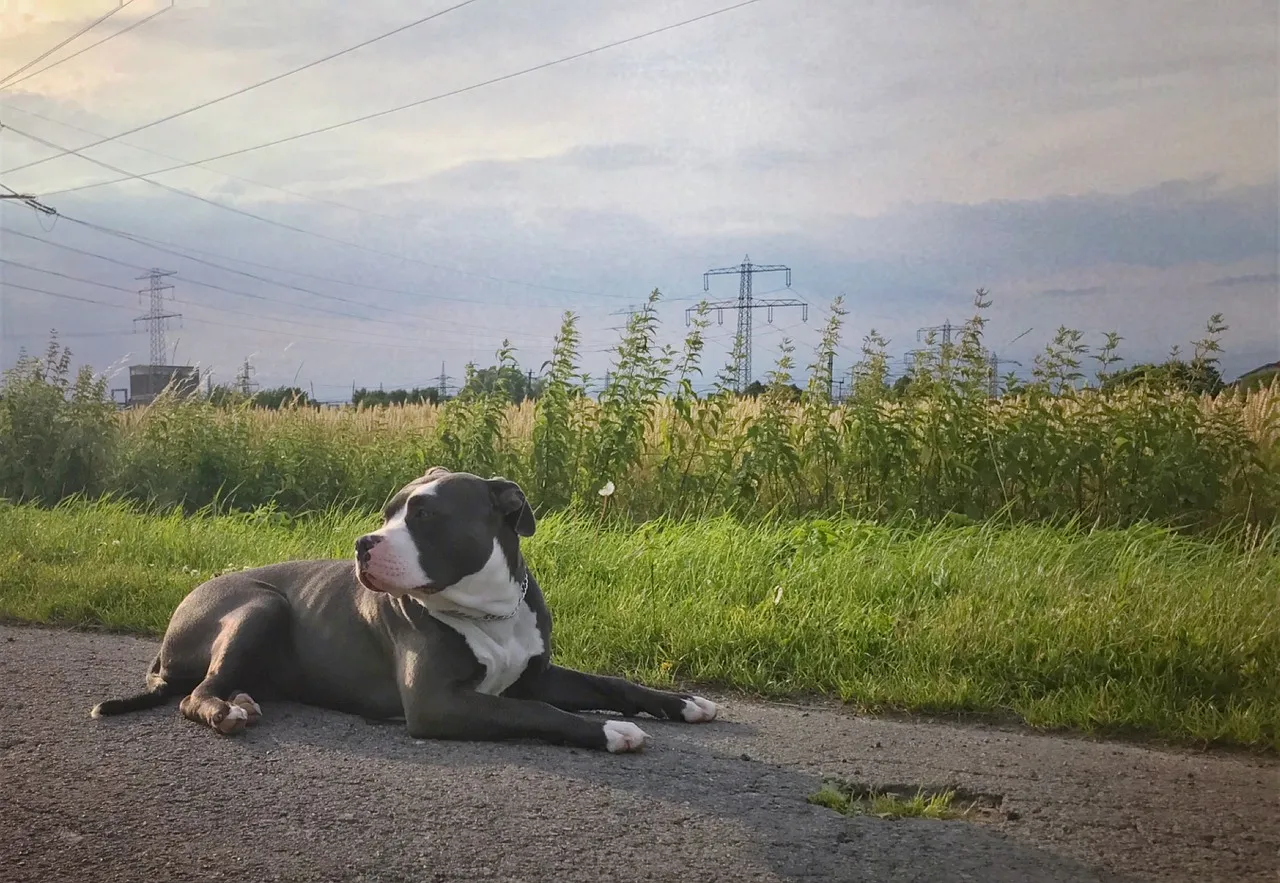
While anal glands can be expressed at the groomer, groomers only express the glands externally and may not completely evacuate them. A veterinarian or veterinary technician is trained to manually express the gland from inside the anus, which is a more complete treatment.
For dogs that require frequent expression or have had multiple abscesses, veterinarians may discuss having the anal glands removed in a procedure called an anal sacculectomy. Dogs diagnosed with perianal fistula often benefit from immunosuppressive drugs such as cyclosporine, azathioprine, tacrolimus, or steroids like prednisone.
Manual expression and treating any potential underlying disease are the most important treatments for non-neoplastic anal sac disease. Anal sacculectomy is performed in refractory cases. The most recurrent anal sac disease condition is impaction.
Prevention: Fiber, Weight, and Regular Checks
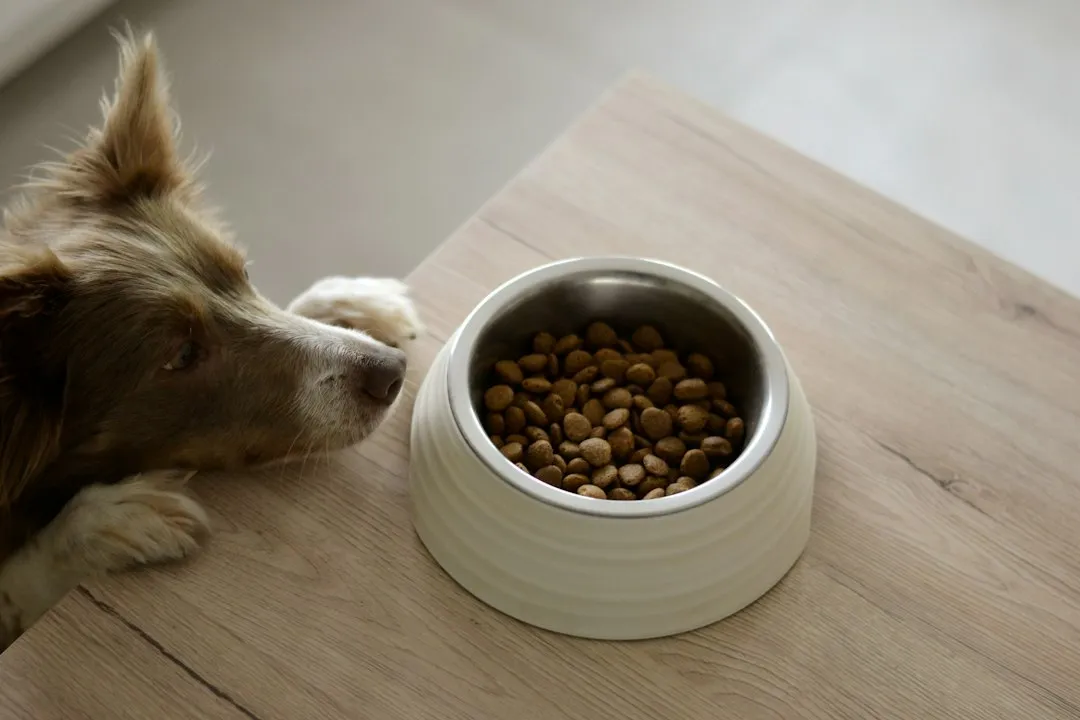
The standard recommendation for long-term treatment or prevention in animals with repeated gland problems is a high-fiber diet, which can help to add bulk and firm the stools. Firmer stools naturally put pressure on the anal sacs during defecation, helping them express on their own.
Helping a dog maintain a healthy body weight may minimize their chance of having anal gland issues in the future. Some dogs need their glands emptied as often as every two months, so keeping a reliable schedule with your vet matters if your dog falls into that category.
Ideally, a healthy dog with firm stools self-maintains, and routine unnecessary expressions can actually inflame. So the goal is always to support the body’s natural process rather than create dependency on manual intervention.
When to Stop Waiting and Call Your Vet
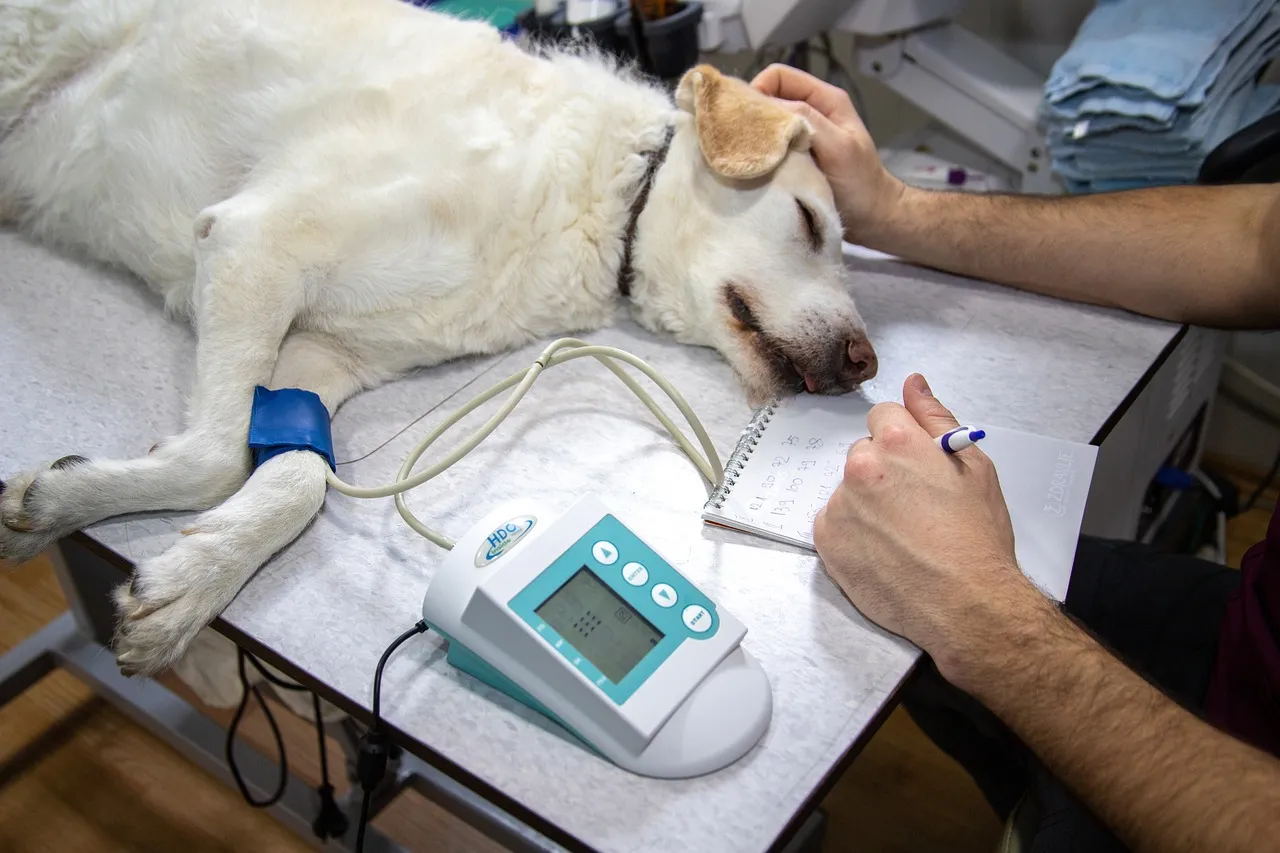
If your dog is scooting occasionally, it may not be cause for immediate concern. However, if the scooting becomes frequent, intense, or accompanied by other symptoms like redness, swelling, foul odor, or discharge, it is advisable to consult a veterinarian. These signs may indicate an underlying issue such as anal gland problems, gastrointestinal discomfort, allergies, infections, or parasites.
If your dog is still scooting more than two days after gland expression, or if they need expressions more frequently than every few weeks, a follow-up veterinary visit is warranted. Persistent scooting after treatment is a signal that the root cause hasn’t been found yet.
The Takeaway
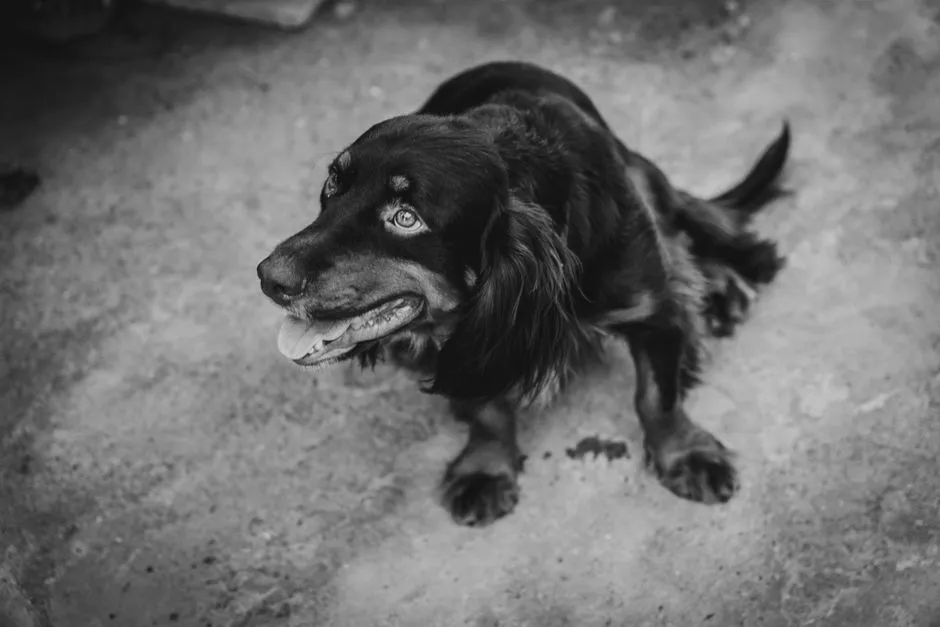
Scooting is one of those behaviors that’s easy to dismiss or laugh at, but it’s worth taking seriously. Scooting is almost always a sign of discomfort. The most common cause is irritation due to full anal glands, but scooting can also happen because of infection, allergies, tapeworms, or even tumors.
Scooting shouldn’t be ignored. Left untreated, minor anal gland irritation can progress into infection or significant discomfort. Your dog has a limited vocabulary, and dragging their rear across the floor is one of the clearest things they can say. It’s worth listening.
AI Disclaimer: This article was created with the assistance of AI tools and reviewed by a human editor.