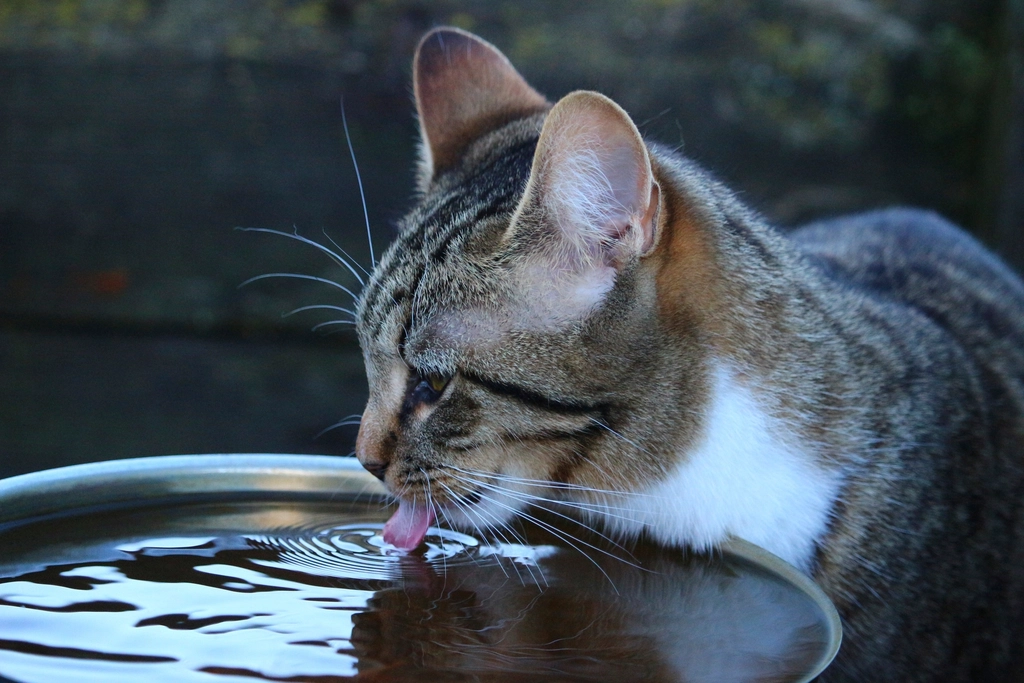

There’s a fairly universal image of cats and water: the frantic scramble away from a bathtub, the indignant glare after an unexpected raindrop. It’s so well established that it’s practically folklore at this point. Yet if you’ve ever watched a Bengal casually wade into a puddle or a Maine Coon stick its head under a running faucet, you know the reality is more complicated.
The truth is that the cat-water relationship is shaped by millions of years of evolution, individual genetics, coat structure, and early life experience. Understanding why most cats hate water actually makes it easier to understand why a select few genuinely love it.
The Desert Origins That Explain Everything
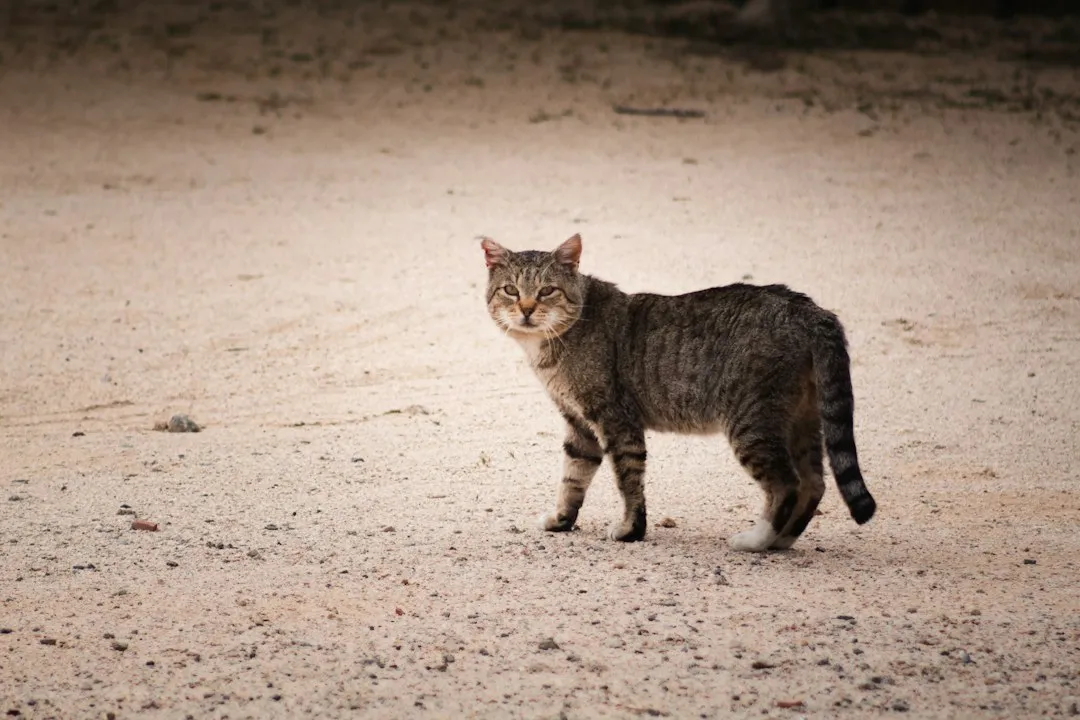
Domestic cats evolved from a single ancestor from the Middle East, the Near Eastern Wildcat. Because the Middle East has a dry desert climate with scarce water, cats’ ancestors were rarely exposed to rain, lakes, and rivers. This ancient history left a deep imprint on feline behavior that persists right through to the cats napping on sofas today.
Cats evolved from desert-dwelling ancestors who rarely encountered large bodies of water. As a result, they never developed the physical adaptations or behavioral patterns necessary for regular water interaction. That’s not stubbornness. It’s just what thousands of years of survival in an arid environment looks like.
What Happens to a Cat’s Body When It Gets Wet
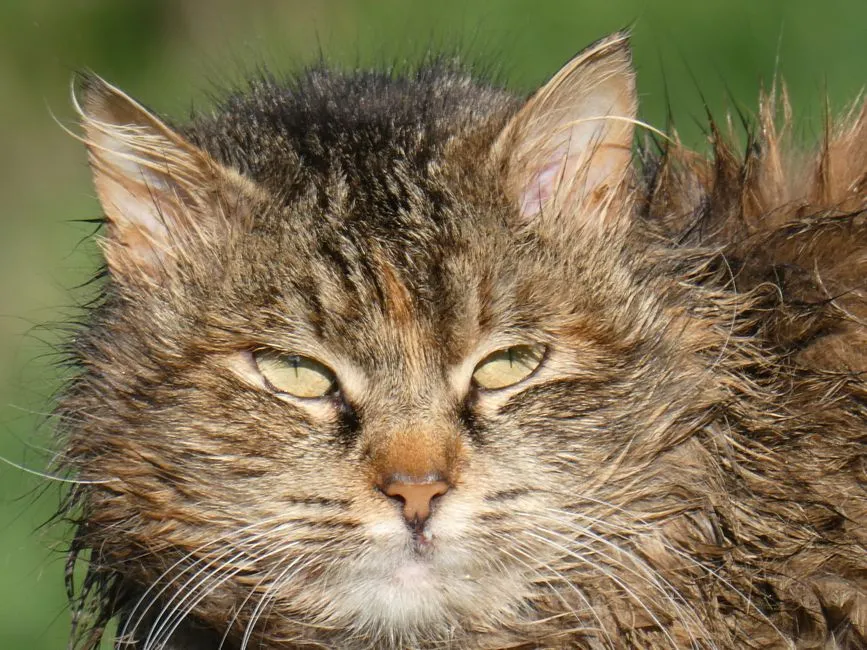
A cat’s fur is not waterproof, so it soaks up water rather than repelling it, leaving the coat heavy, slow to dry, and cold against the cat’s skin. For an animal whose entire survival strategy relies on speed, agility, and quick reflexes, this is genuinely threatening.
A wet coat loses its insulating properties, and cats run a baseline body temperature around 101°F. Evaporative cooling from a soaked coat can drop their body temperature uncomfortably fast, especially for a small animal with a high surface-area-to-weight ratio. What feels like mild discomfort to us registers as a serious physiological problem for them.
If their fur becomes soaking wet, cats can struggle to regulate their body temperature. This can leave them feeling cold and put them at risk of hypothermia. This is particularly dangerous for elderly cats, sick cats, and young kittens.
The Scent Problem Nobody Talks About
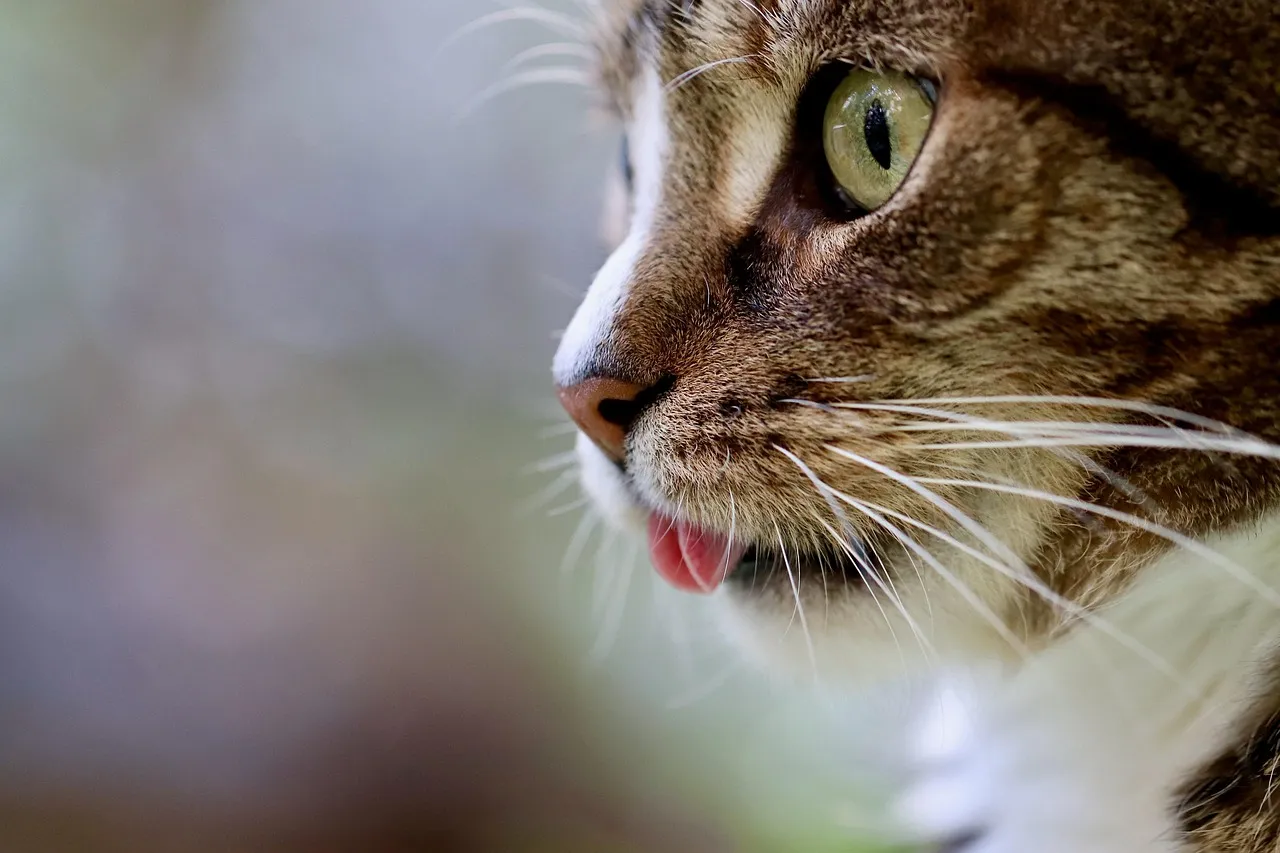
Cats hate water partly because their sensitive noses detect chemicals in tap water, and being soaked strips away their own scent identity. This last point is easy to overlook. Cats are deeply scent-oriented animals, and their personal odor is central to how they communicate and feel secure.
Cats have a very good sense of smell. Tap water contains chemicals such as chlorine that can smell quite strong to a cat’s sensitive nose. This may put them off going near the water and drinking it too. Getting drenched effectively erases a cat’s chemical signature all at once, which registers as alarming rather than refreshing.
How Rare Is It for a Cat to Actually Like Water?
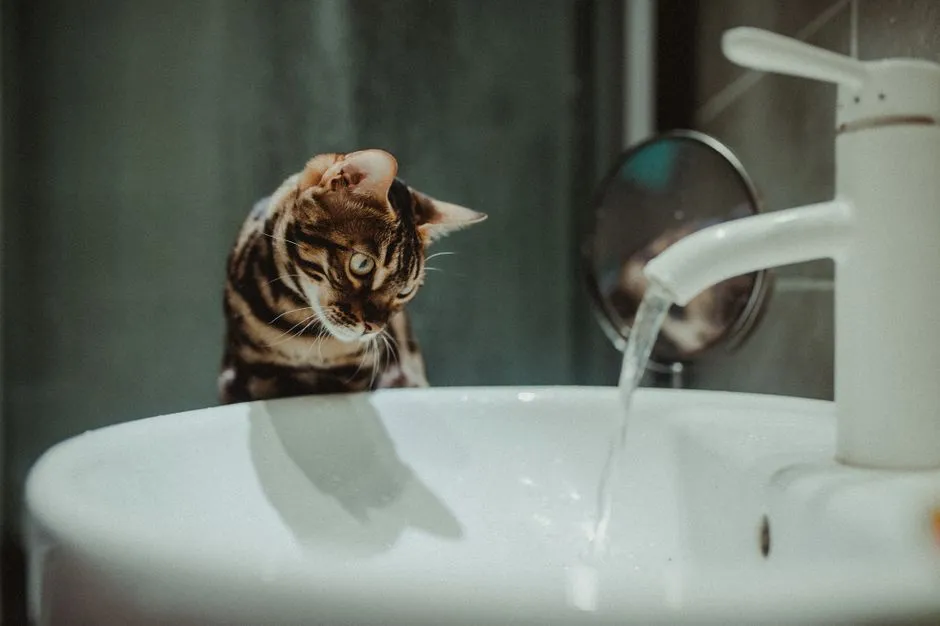
While it’s certainly not unheard of for some cats to enjoy water, it is relatively rare in the feline world. It’s estimated that only around ten percent of domestic cats have a natural inclination towards water, making it quite a unique trait. Most cats prefer to stay dry, with their affinity for water largely dependent on their breed and individual personality.
Certified cat behavior consultant Ingrid Johnson of Fundamentally Feline says it’s rare, but there are some cats that like water. She believes it’s the curiosity factor and says that cats prefer to attempt the experience on their own. That detail matters. Cats who choose water on their own terms are a very different story from cats that have water forced on them.
The Turkish Van: The Cat That Earned the Nickname “Swimming Cat”
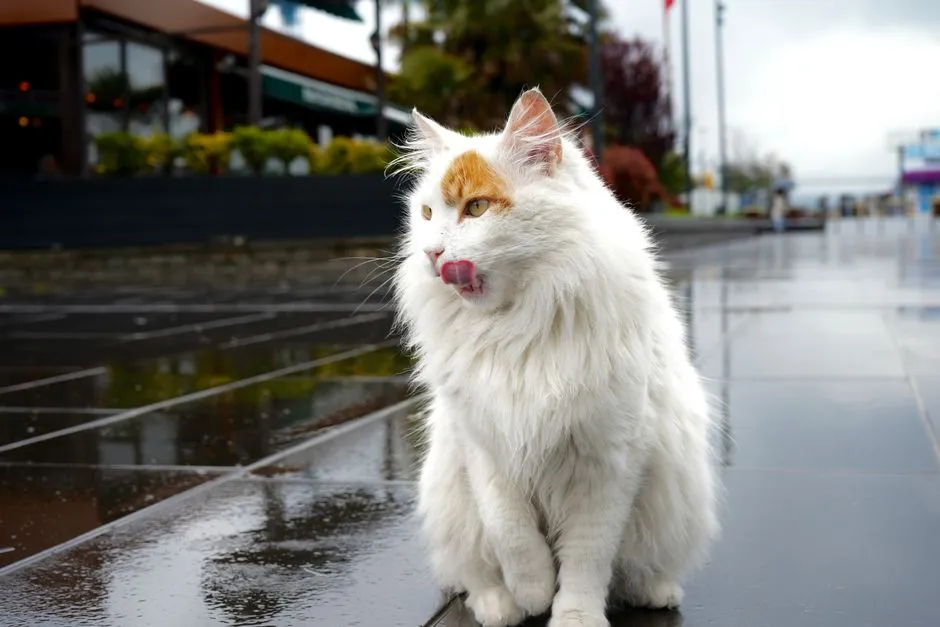
The Turkish Van is referred to as the “swimming cat” and even gets its name from Lake Van in Turkey. This breed’s relationship with water isn’t a quirk or an anomaly. It’s baked into the breed’s entire regional history and physical makeup.
One of the best examples of cat breeds that like water are the Turkish Vans. They have a waterproof coat that doesn’t hold water. This makes swimming a rather enjoyable experience for them. They are nicknamed “swimming cat” for their affinity for water, enjoying being in water and their love of playing in the water.
The Turkish Van, a natural breed from the rugged, climatically extreme region around Lake Van in eastern Turkey, is well known for its affinity to water. According to founding breeders of the modern line, even Turkish Van kittens will swim voluntarily in pools or lakes.
Bengal Cats and Their Wild Ancestry
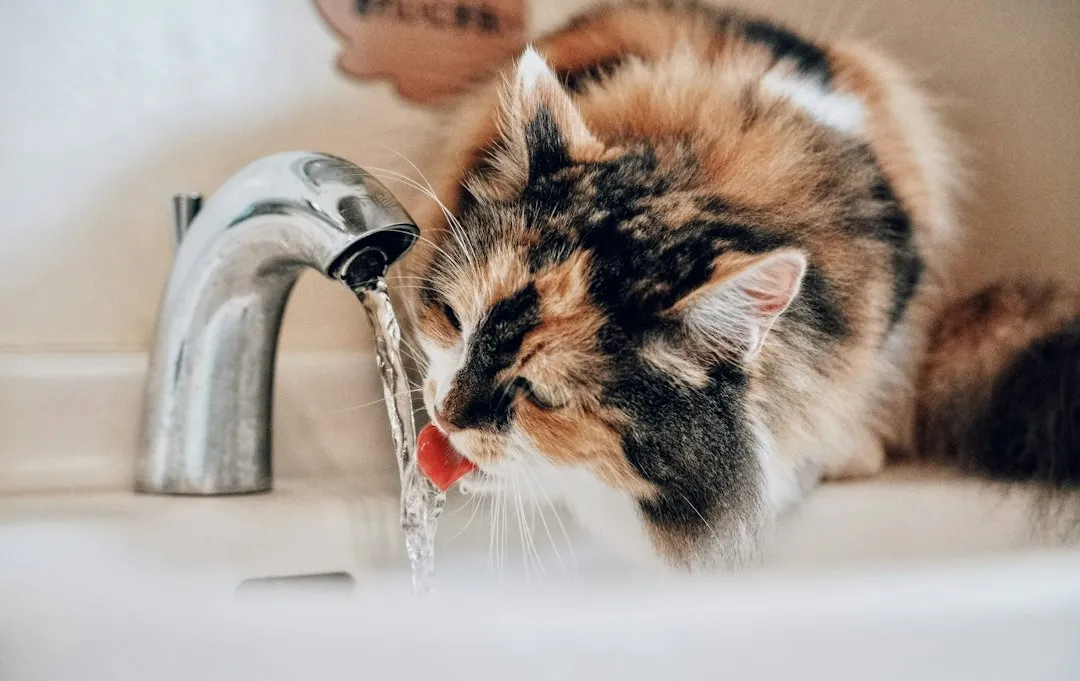
The Bengal is a beautiful and exotic-looking feline with a fondness for water that might have been inherited from their Asian leopard cat ancestors, as the Asian leopard cat often lives around bodies of water. The leopard cat connection is significant because it places water-adjacent living directly in the Bengal’s genetic lineage.
Bengals are known for their love of water and are great swimmers too. These cats have derived from Asian Leopard Cats and still have their natural instinct to splash and play in water. So, they might jump in a tub of water for a little swim. Bengals are fond of drinking water straight from the tap and playing with water when given the chance.
Maine Coons and the Water-Resistant Coat Advantage
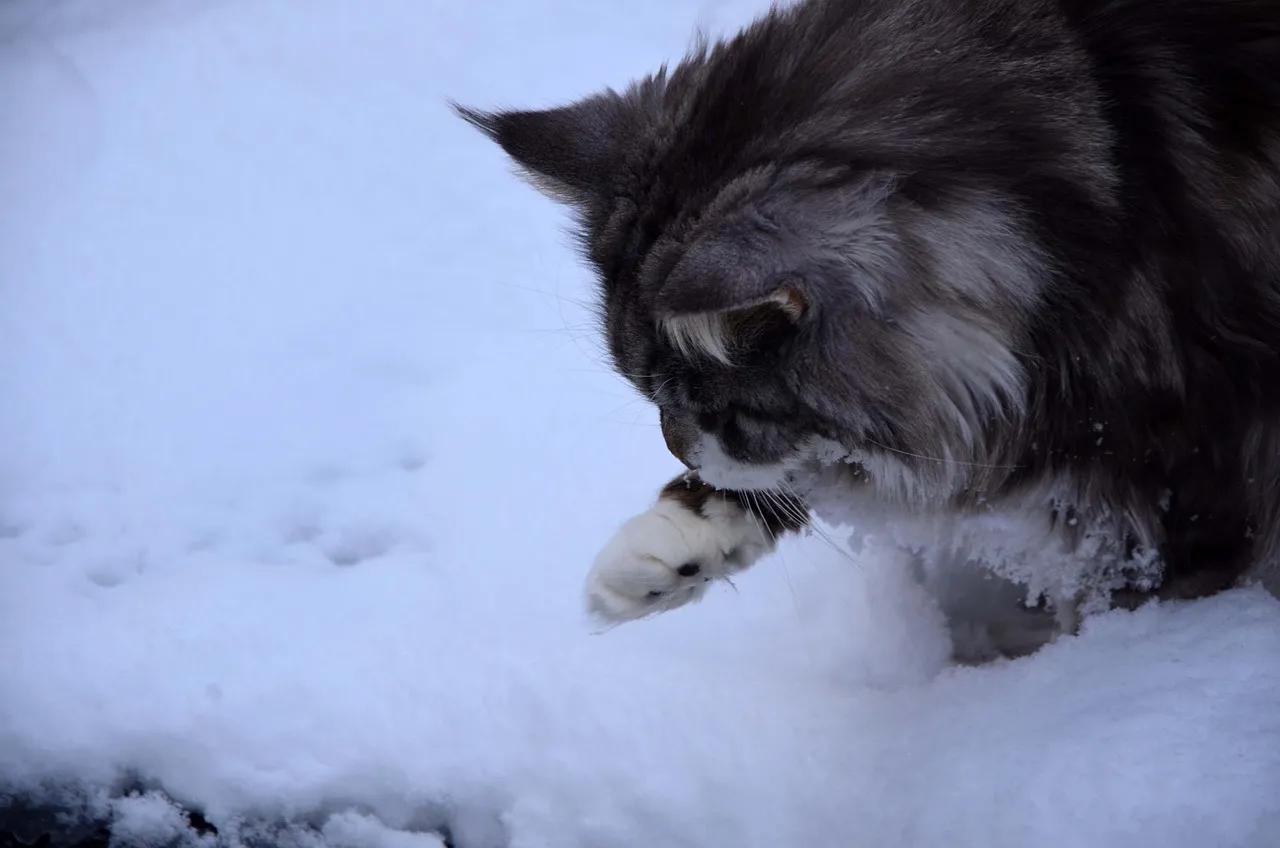
Although most Maine Coon cats today are happily homed and domesticated, this doesn’t mean they don’t hold on to their natural swimming abilities and love of water. Many Maine Coon cats will willingly submerge themselves in water, sneak into your shower, or even spend hours on end playing in faucet water.
Examples of cat breeds that revel in the water include the Maine Coon, Bengal cat, Abyssinian, Norwegian Forest cat, and the most well-known water lover, the Turkish Van. These cats are fond of the water due to a variety of factors such as having water-resistant coats, ancestors who were known swimmers living near bodies of water, or overall familiarity in their feline lineage with water.
The Role of Early Exposure and Kittenhood
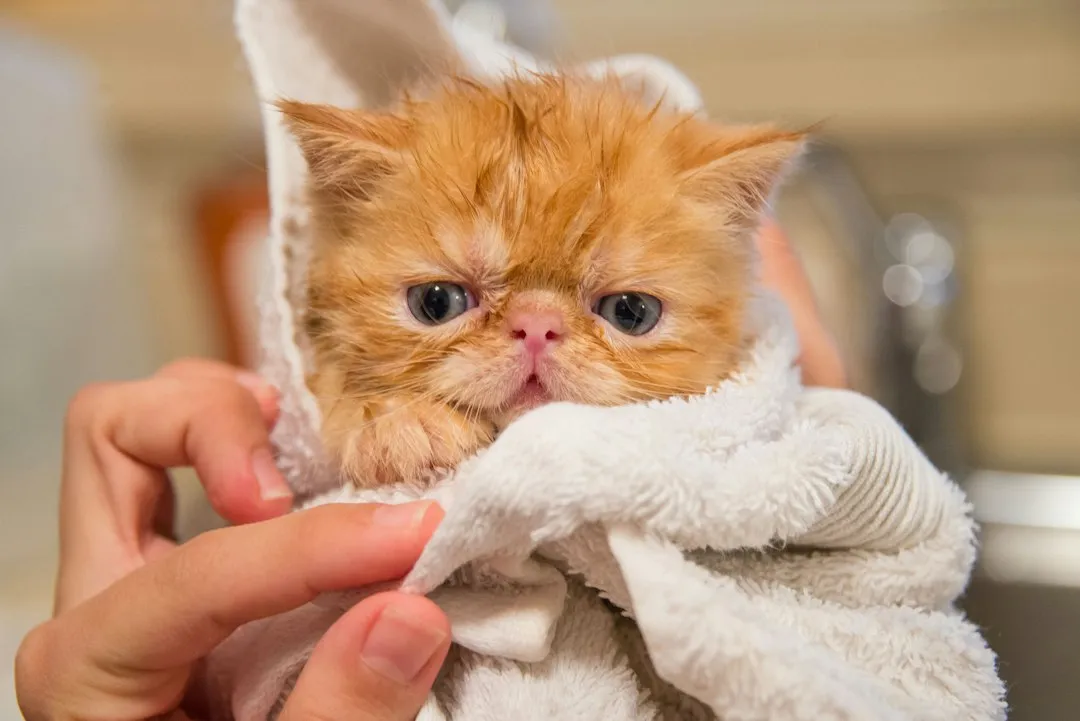
Beyond genetics, a cat’s personal experience with water will determine whether or not they are comfortable in or near bodies of water. If your cat is accustomed to baths from a younger age, they’re likely to be less terrified of water. This is one area where nurture genuinely competes with nature.
Like any other skill or behavior, a natural liking of water can be developed if exposed to at a young age. Pet parents can provide continuous positive experiences to their cats while they’re still kittens, so that they can grow up building an affinity towards water. This can be done by making bathtime a fun, pleasant experience by treating it as a bonding activity, rather than a chore. This early exposure to water can help your cat cope with water while making bathing much easier when they become adults.
Why Moving Water Fascinates Even Water-Averse Cats
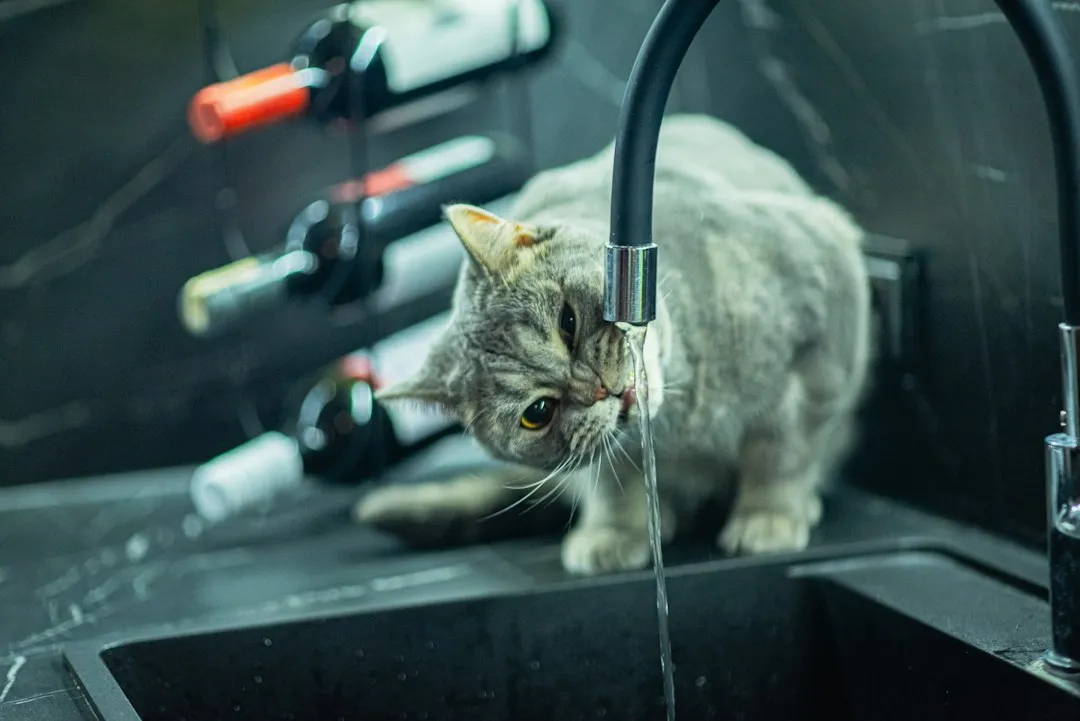
Cats are intrigued by the noise and reflection that moving water makes, which activates their prey drive. This explains a behavior that puzzles a lot of owners: a cat that won’t go near a full bathtub will happily bat at a dripping faucet for twenty minutes.
Running water often triggers their curiosity, from the fascination with taps, fountains, or even toilets. Moving water is more visually stimulating than still water, and it may even taste fresher to cats. There’s also a practical dimension to the preference for running water, since flowing sources were historically less likely to be stagnant or contaminated in the wild.
Research on feline personality has identified exploratory behavior as one of the key dimensions of cat temperament, with individual cats showing different levels of investigative tendencies. Studies suggest that indoor cats may actually display higher levels of curiosity than their outdoor counterparts, possibly as a way to compensate for their less stimulating environment.
Can You Encourage a Water-Friendly Relationship in Any Cat?
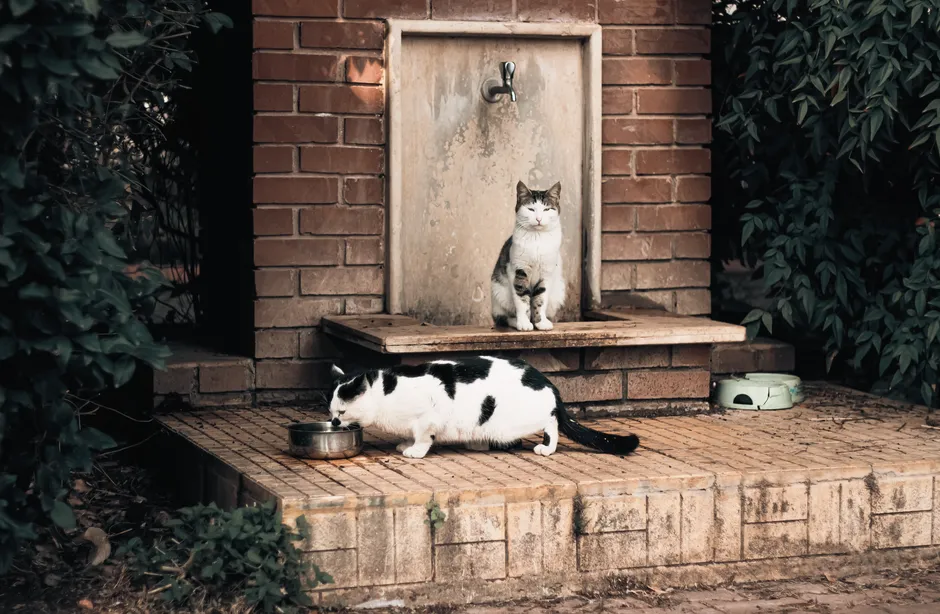
As with many feline behaviors, you can’t expect to simply turn your kitty into a water-loving cat. Turning on the faucet for them to check it out at their own speed is a good start. If they’re forced into it, they will definitely hate it, if they didn’t already. The key phrase there is “their own speed.” Autonomy is everything to a cat.
Early exposure to water and positive reinforcement can influence a cat’s comfort level with swimming. Cat behavior is famously unpredictable, so any kitty can surprise you with a fascination with water. A water fountain placed at floor level, with no pressure to interact, is often the most effective starting point for nervous cats.
It has been demonstrated that easy access to running water causes some cats to drink more than they normally would from a bowl of standing water. Even if your cat never becomes a swimmer, encouraging better hydration through moving water is a genuine health benefit worth pursuing.
The Takeaway
The cats who love water aren’t defective or unusual. They’re simply carrying a different combination of genetic history, coat structure, and early experience. Most cats avoid water for reasons that are deeply biological, not arbitrary, and it genuinely serves them well as a survival strategy inherited from desert-dwelling ancestors.
What’s worth appreciating is that the divide isn’t absolute. Even the most water-averse cat will often pause at a running tap, ears forward, one paw extended. Curiosity never fully disappears. It just expresses itself differently depending on the individual animal, which is perhaps the most feline thing of all.
AI Disclaimer: This article was created with the assistance of AI tools and reviewed by a human editor.