
They Are Built to Disappear: What Makes Hostas Herbaceous Perennials
All hostas die back in winter because they are herbaceous perennials, a plant category defined by losing all above-ground growth and entering a period of dormancy through the cold months. This sets them apart from shrubs and evergreens, which keep at least some structure visible year-round.
Hostas evolved in forest understories across Japan, Korea, and China – regions with cold winters and warm, humid summers – and their physiology reflects that history. The complete die-back is not a flaw in the design. It is the design.
Unlike evergreen plants, hostas lose their leaves because their foliage cannot handle freezing temperatures. The leaves become damaged by frost, and to protect their vital parts, hostas effectively shut down above ground. This keeps the plant from wasting energy on maintaining leaves that would be killed by cold weather anyway.
The Trigger: What Actually Starts the Shutdown
The hosta’s winter dieback is a biological strategy called dormancy, triggered by two main environmental cues: shortening daylight hours, known as photoperiod, and consistently cooling temperatures in autumn. These are not random signals. The plant reads them with genuine precision.
Hostas rely on programmed senescence, a genetically timed process. As days shrink below 12.5 hours – occurring around late August in Zone 6 – phytochrome receptors in leaf tissue signal hormonal shifts. Abscisic acid rises while cytokinins and gibberellins decline.
These signals prompt a hormonal shift, instructing the plant to halt above-ground growth and prepare for the cold. Think of it as the plant receiving a very reliable weather forecast and acting on it well before the first frost arrives.
What Happens Underground While Everything Looks Dead
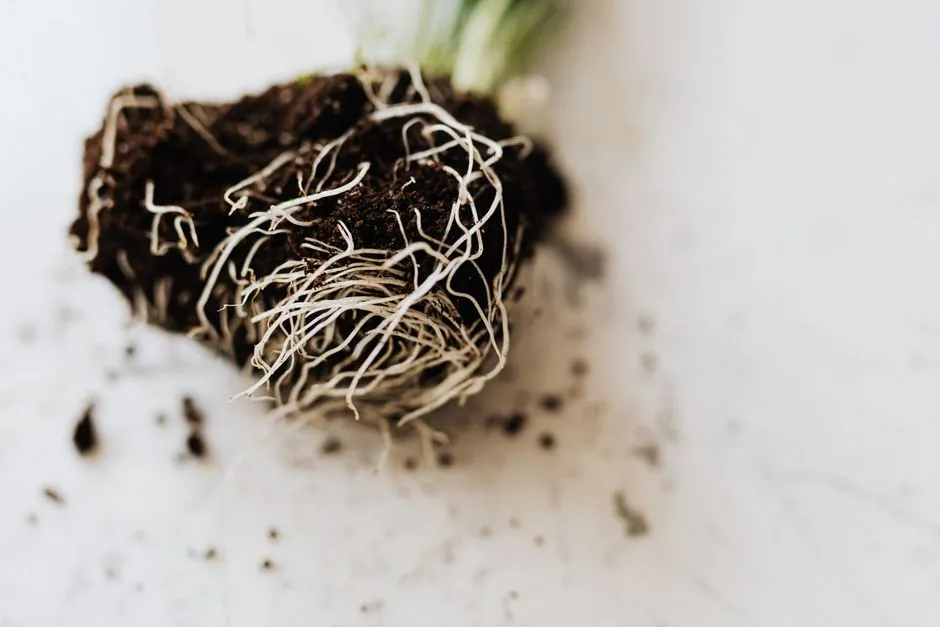
As daylight decreases and temperatures drop, hostas naturally enter a state of dormancy – a survival mechanism where above-ground foliage dies back and the plant’s energy is conserved in the roots. The disappearance above ground is matched by purposeful activity below it.
By dying back in winter, hosta plants conserve energy by directing nutrients and resources to the root system underground. The roots stay alive and store energy to fuel growth once warmer weather returns. This dormancy period is essential – it is the plant’s way of pausing growth until conditions are more favorable.
This is not passive survival. It is active physiological adaptation. During dormancy, metabolic activity drops to roughly three percent of summer levels. Enzymes like dehydrins stabilize cell membranes, while abscisic acid suppresses bud break until chilling requirements are met.
The Crown and the Eyes: The Hidden Architecture of Regrowth
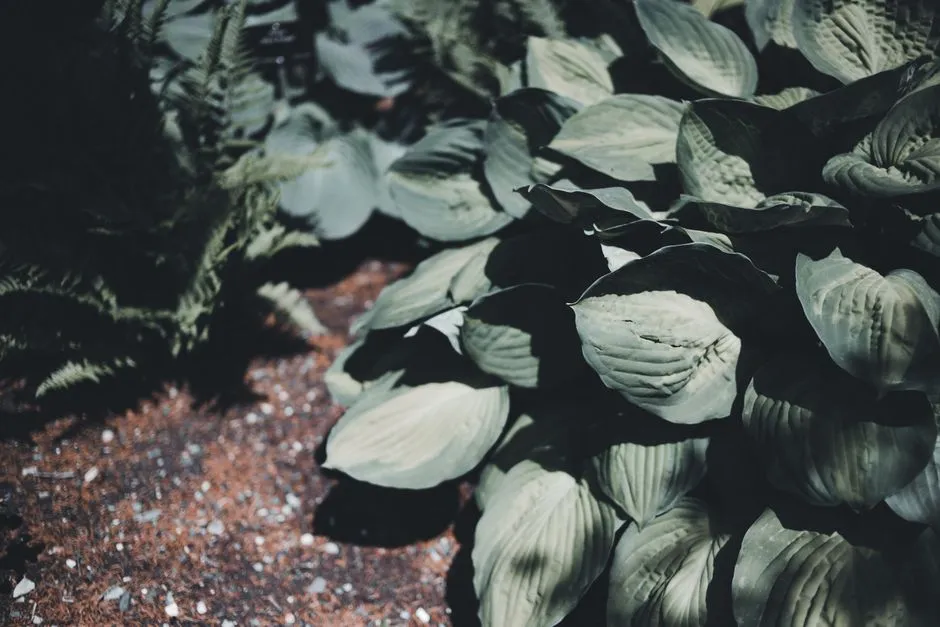
The crown is the woody rootstock that stores the energy for the dormant hosta. Officially, it may be called a rhizome, but it is never a bulb. This distinction matters, because the crown’s structure is precisely what makes spring regrowth so reliable.
Hostas grow from a crown of rhizomes – horizontal underground stems with dormant buds called eyes clustered at the apex. Each eye develops into a shoot that can support anywhere from one to twelve leaves. These eyes sit just below the soil surface, protected and waiting.
An eye is a growing shoot from the crown, supporting leaves. The new eyes are evident as conical projections from the crown in early spring. Before they fully emerge, those pointed shapes are the first real sign that winter is ending in the hosta bed.
Vernalization: The Cold the Plant Actually Needs
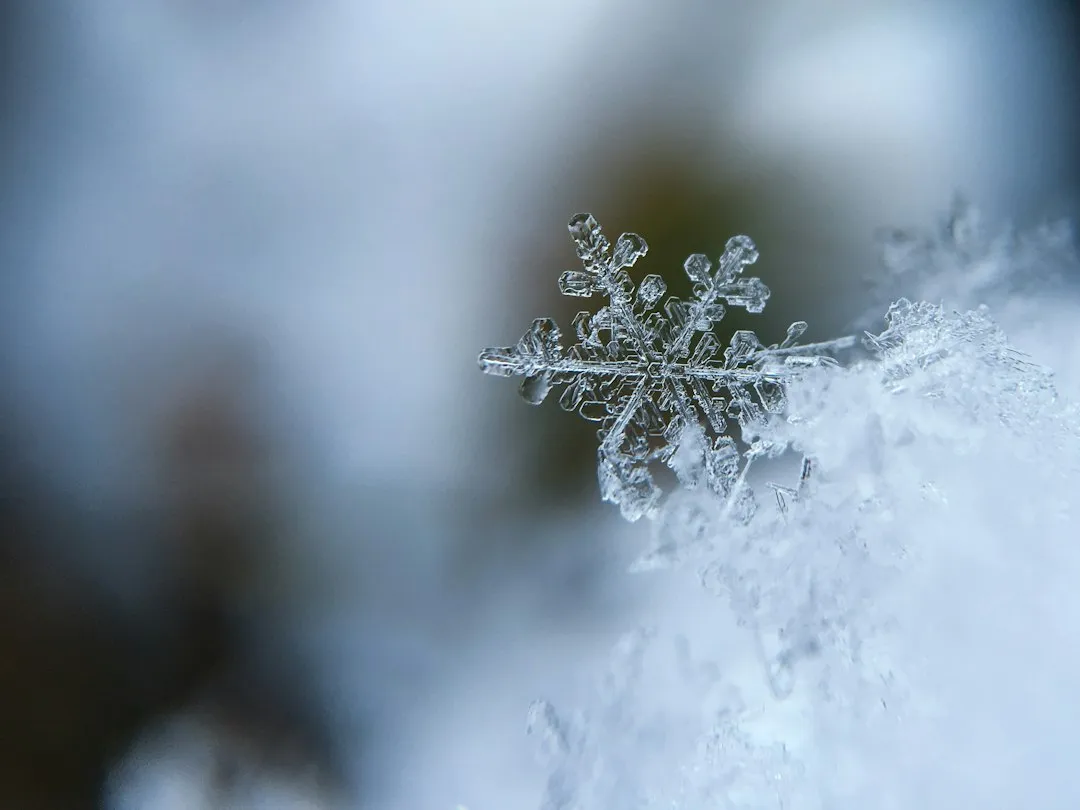
In winter, hostas become dormant and require a chilling period of around 600 to 700 hours, a process called vernalization, during which the hormone responsible for dormancy breaks down in preparation for the plant’s growth. Hostas, therefore, look dead during winter but are not actually dead.
Most hosta cultivars need eight to twelve weeks of soil temperatures below 40°F to reset their growth clock through vernalization. Without sufficient chill hours, spring emergence may be delayed, sparse, or uneven. The cold is not the enemy. The cold is part of the plan.
This explains why hostas often underperform in mild-winter regions like coastal Southern California or southern Florida: insufficient dormancy triggers result in weak, stunted foliage or failure to break dormancy altogether. Warm winters, counterintuitively, are harder on hostas than cold ones.
The Autumn Color Change Is Not Decay – It Is Preparation
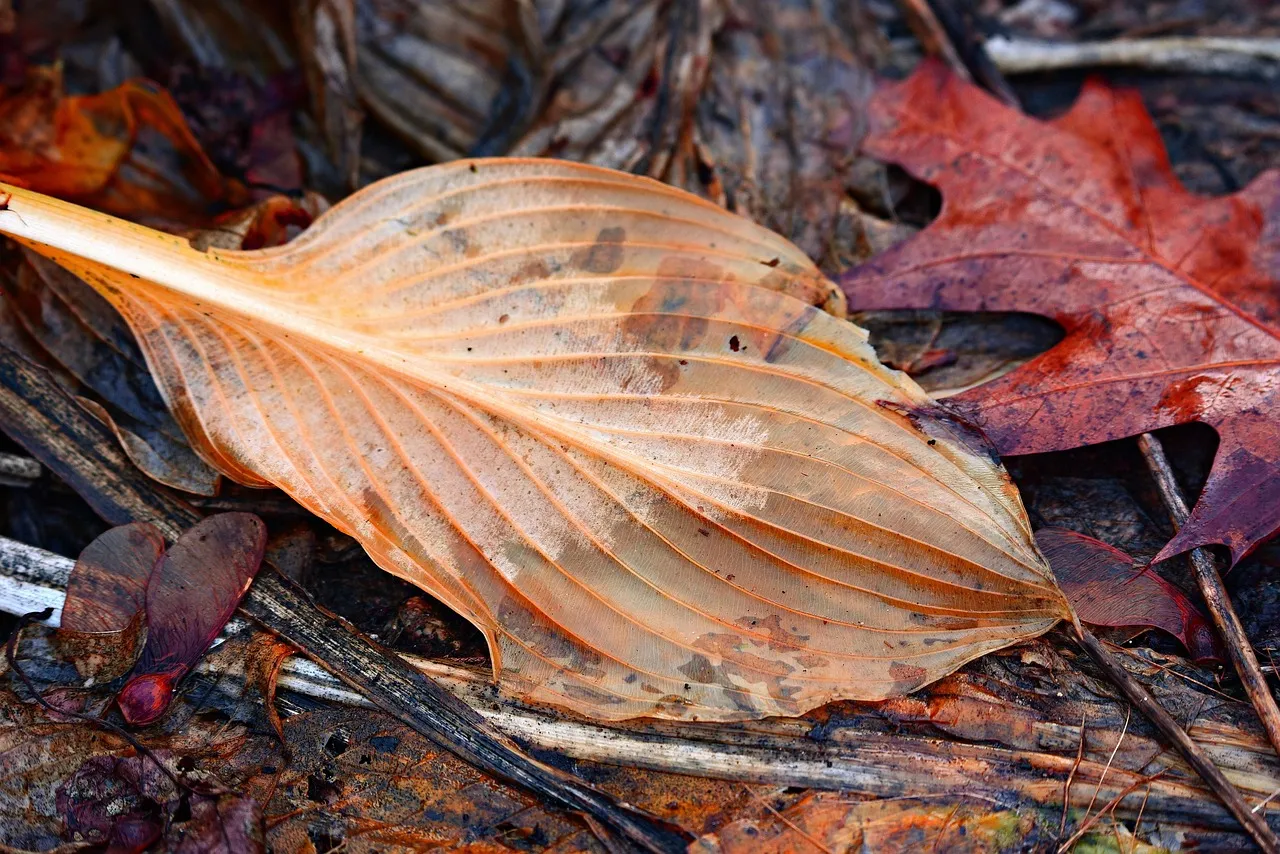
Towards the end of summer and the beginning of autumn, hostas start to look run down. Brown marks appear on the edges of leaves, colors begin to fade, and many blue varieties turn green. All of these things are completely normal and are part of the winter shutdown process.
During this period, the once vibrant leaves turn yellow and wilt, eventually becoming brown and dry. It is important to recognize this as a normal, healthy process, not a sign of a dying plant. New gardeners frequently panic at this stage, which is understandable but entirely unnecessary.
Leaves turn yellow and melt into mush after the first hard frost. Within a week or two, nothing remains above ground. Underground, though, the crown and roots stay alive and wait for warm soil.
How Snow and Soil Insulation Protect the Dormant Plant
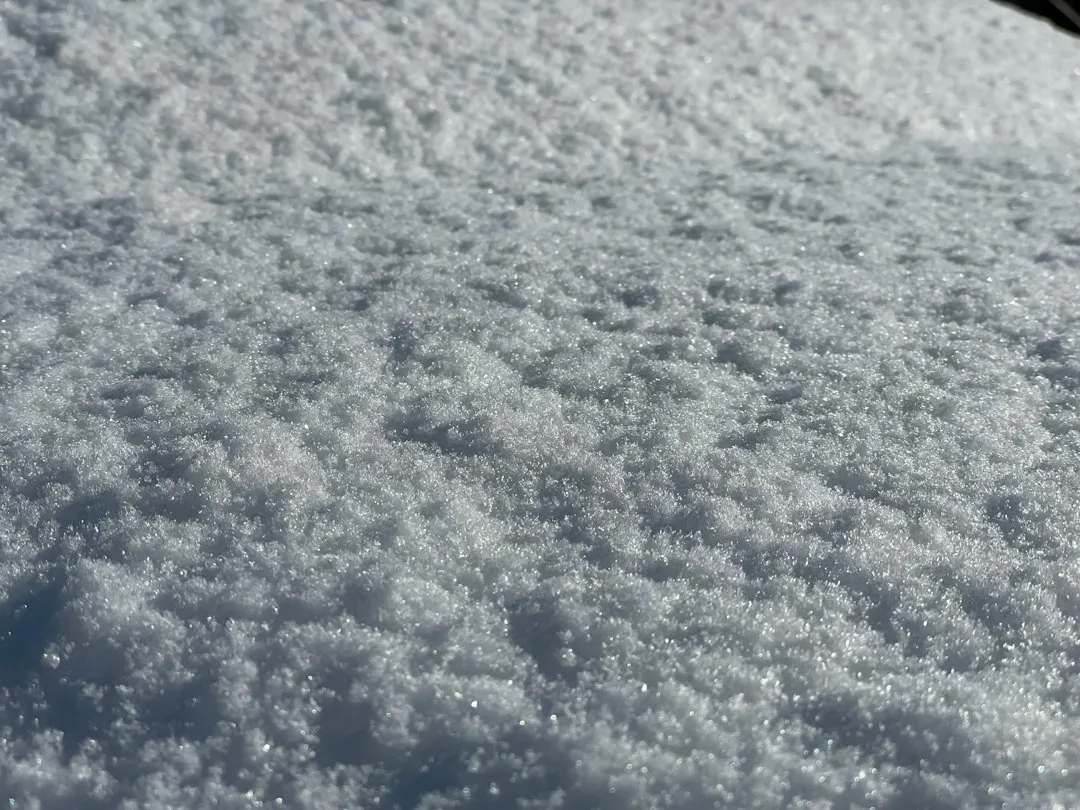
In regions with snow, a blanket of snow adds further insulation to hosta plants during winter. Snow keeps soil temperatures more consistent and shields roots against harsh winter wind and fluctuating weather. While snow may look like a challenge, it is more of a helpful protective cover for hostas.
In some climates, a blanket of snow can benefit hostas by providing insulation against extreme cold. However, repeated freezing and thawing can be harmful, causing the soil to heave and potentially damage the roots. Consistent cold is safer than wildly fluctuating temperatures.
The roots remain alive and are protected by the surrounding soil. In regions with harsh winters, the ground can freeze to a depth that may affect the roots. This is where proper winter preparation, like mulching, plays a key role.
The Hardiness Range: Where Hostas Can Survive Winter
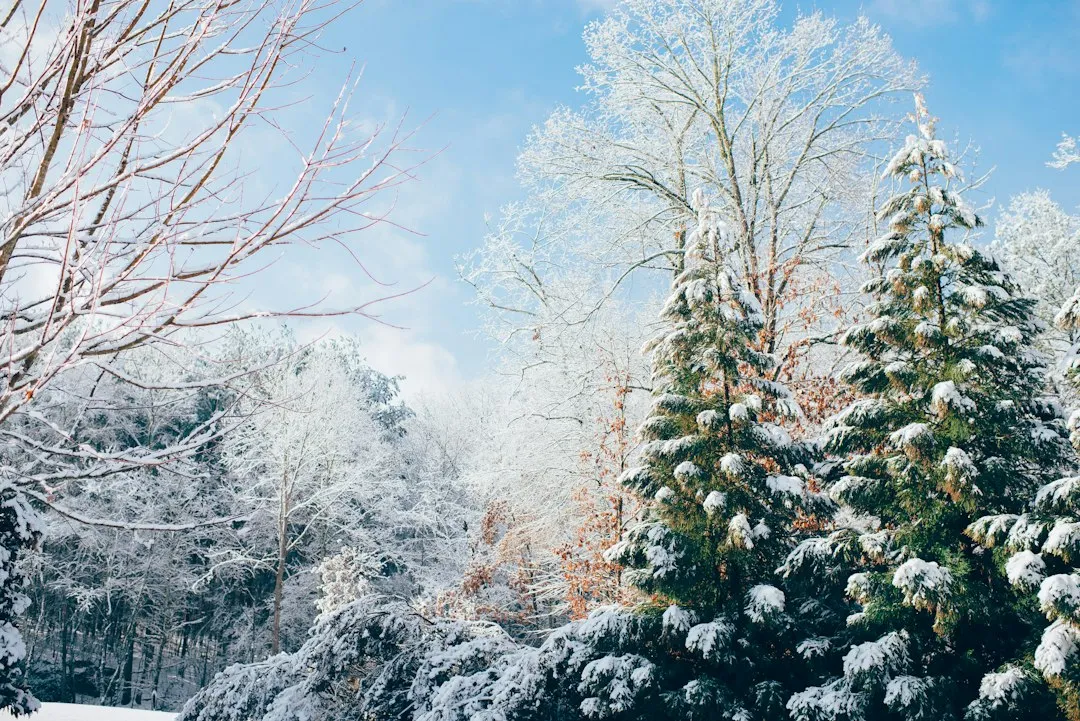
Most hostas grow best in USDA Hardiness Zones 3 to 8, with some varieties suitable for Zone 9. Those zones include almost all of the United States. Hostas do need a period of cold and wet weather, which eliminates some warmer desert regions.
Growing zones 3 through 9 are recommended because most hostas need a dormancy period of cold, wet weather for at least 30 days at temperatures below 43°F. Cold damage can occur at 28°F or colder, and heat damage can occur above 95°F. There are real limits on both ends of the thermometer.
With over 3,000 varieties of hostas available, they will fit a wide range of garden conditions and even thrive in containers. That breadth of variety is one reason hostas have become one of the most planted perennials in temperate gardens worldwide.
The Spring Return: How Emergence Actually Works
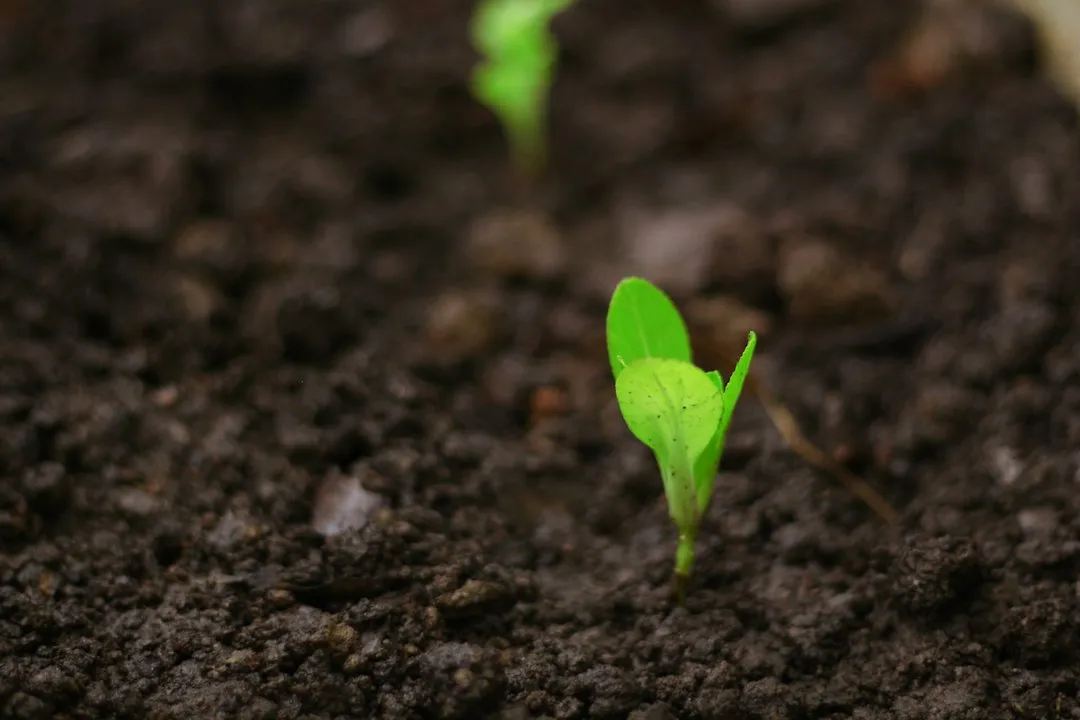
During winter, the plant meets its chilling requirement – soil temperatures below 40°F for several weeks – after which abscisic acid levels drop in the crown and the buds are released from dormancy. That is why hostas reliably emerge at the same point each spring regardless of how mild the winter felt above ground.
After dormancy, hostas do not wake up overnight. Rhizomes require consistent soil temperatures above 45°F for ten to fourteen days before initiating shoot elongation. This built-in delay prevents a false start triggered by a single warm week in late February.
What you will notice is small shoots emerging around late March to April. Each eye produces new growth that at first appears as a tightly rolled, pointed structure. These are bud scales, and they will open and curl back, allowing leaves to emerge. The whole process, once it begins, moves quickly.
What Can Actually Kill a Dormant Hosta (and What Can’t)
You can help your hostas by keeping the soil around them from getting too wet over winter. Good drainage prevents crown rot that can kill plants while they sleep underground. If your hosta bed tends to puddle after rain or snowmelt, fixing the drainage is worth doing now.
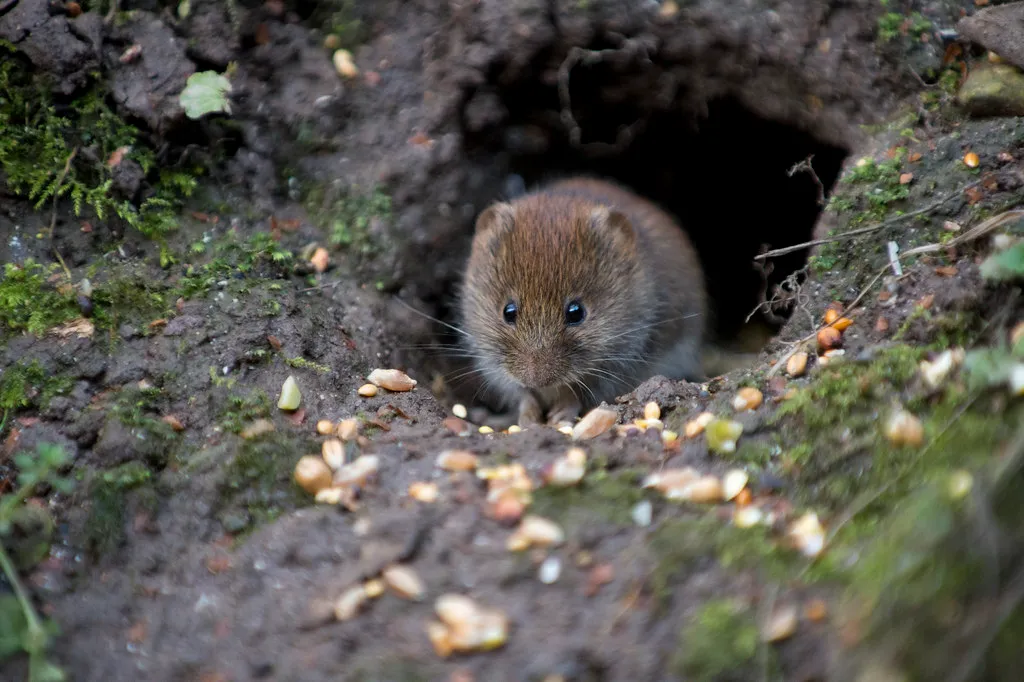
Voles – not moles – chew hosta crowns and roots underground during winter. They create surface runways and leave no mounds. Damage appears as sudden, complete disappearance of plants in early spring – no foliage, no decay, just bare soil. That scenario is one of the few cases where a hosta genuinely does not come back.
Hostas generally acclimatize to their growing conditions. Over time, they adapt to the specific winter conditions of their environment, which helps them survive and thrive year after year. Barring those specific threats, a well-planted hosta is remarkably hard to lose permanently.
The Bigger Picture: A Cycle Worth Trusting
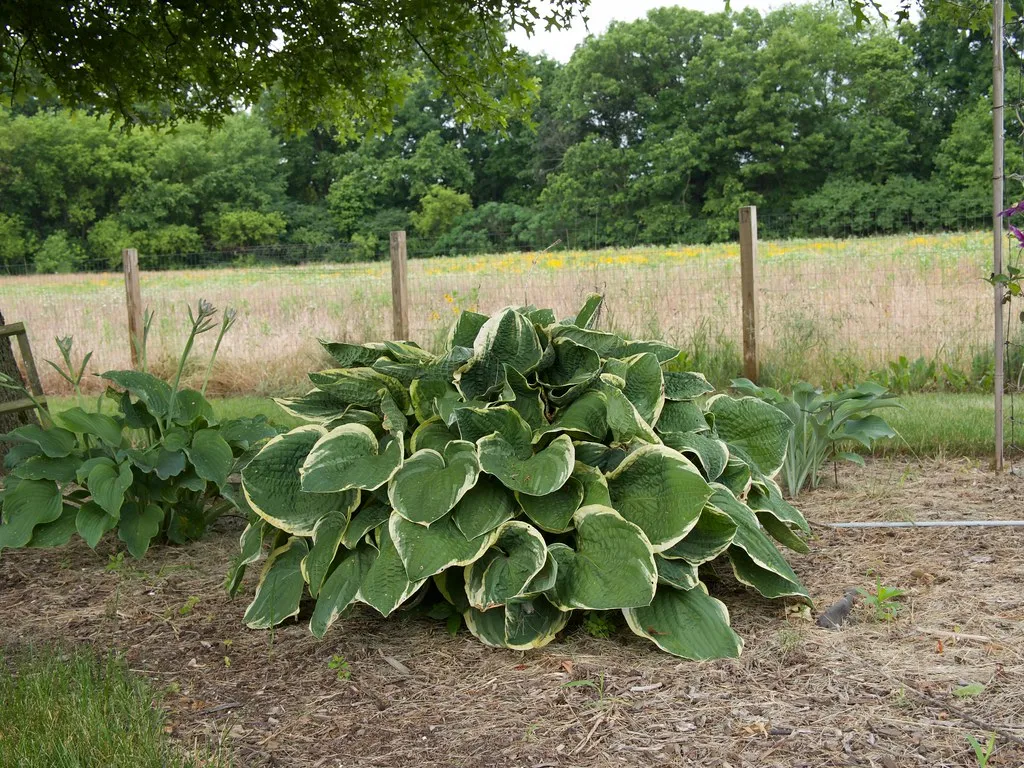
The dormancy period is essential because it allows hostas to conserve energy, which they will use in spring to produce new, vibrant leaves. This cycle of dormancy and growth is what keeps hostas healthy and helps them grow larger and more beautiful each year.
There is something almost counterintuitive about a plant that must completely disappear in order to thrive. Yet that is exactly the logic at work. The vanishing is not failure. It is the mechanism behind all that lush, layered growth that fills your shaded corner every summer.
If you garden with hostas long enough, the bare soil of November stops feeling like a loss and starts feeling like a promise. The plant has done its accounting underground, and it will show up again – usually right on schedule, and often a little larger than the year before.
AI Disclaimer: This article was created with the assistance of AI tools and reviewed by a human editor.