

How Scammers Find Their Targets
Fraudsters can easily extract information from a public obituary – including names, relatives, employers, hometowns, and other details – to create a convincing scam. The information is right there for anyone to read, published in good faith by a grieving family who simply wanted to honor someone they loved.
From there, scammers can search social media and other public sources to find even more details, because the more personal information they have, the more believable their story sounds. This layered research is what separates modern obituary fraud from the clumsy scams of a decade ago.
The “Graveyard Grift” Has a Name Now

Known informally as the “graveyard grift,” this form of fraud pulls everything from a public death notice and uses it to build a convincing pitch – a method that has become significantly easier to execute with the help of artificial intelligence.
Criminals are increasingly combining publicly available information with AI, spoofed phone numbers, and realistic messages to make their pitches feel legitimate. The days when a scam was easy to spot because of obvious typos or a suspicious-looking email address are fading fast. The sophistication has jumped considerably in recent years.
The Scale of the Problem
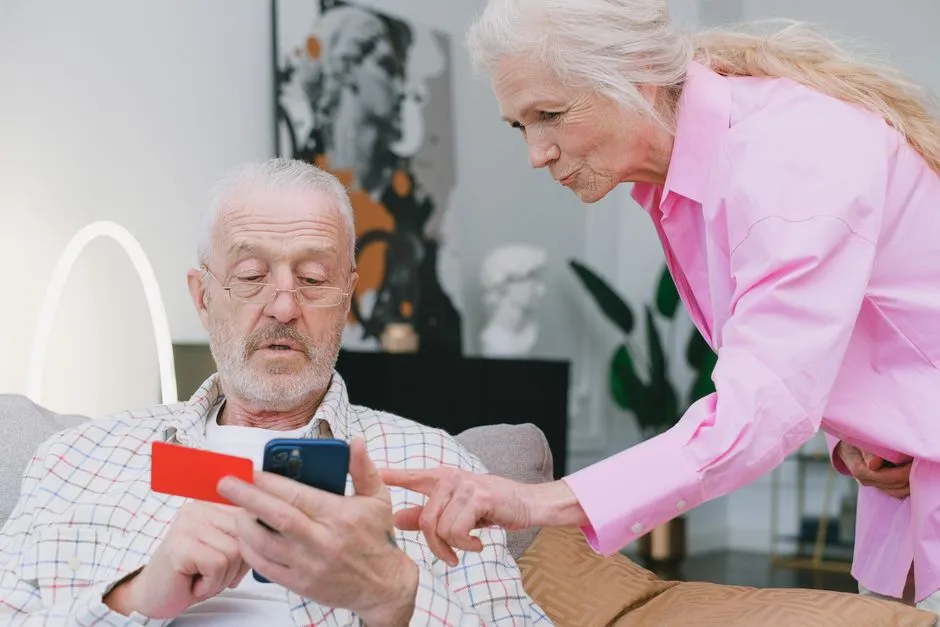
According to the FBI, Americans aged 60 and older reported $7.7 billion in internet or cyber-enabled crime losses in 2025, up 59% from 2024, with an average loss of $38,500 per elderly scam case. These are not small, opportunistic crimes. They’re causing real, lasting financial harm.
Total fraud losses reported by older adults increased roughly fourfold from 2020 to 2024, skyrocketing from about $600 million in 2020 to $2.4 billion in 2024, with the increase largely driven by reports of losses over $100,000, often tied to investment scams, romance scams, or impersonations.
The Fake Funeral Home Call

Scammers contact families listed in obituaries while posing as representatives of funeral homes or cemeteries, telling family members they owe money toward their loved one’s funeral services. The timing is deliberate. Families are in shock, often managing arrangements across multiple providers, and an unexpected bill can seem entirely plausible.
Spring Grove Cemetery in Cincinnati reported cases where scammers spoofed phone numbers and demanded additional payment for services, claiming there was a problem with the credit card payment or that additional funds were needed. The spoofed caller ID makes it appear the call is coming from the real funeral home – a detail that catches many people off guard.
The Fake Debt Collector Tactic

One of the most common schemes involves a stranger contacting the family, often days after the funeral, claiming the late spouse had an outstanding debt. They may sound official and threaten legal action if the overdue balance isn’t paid immediately via wire transfer or credit card.
The caller pressures families to pay immediately for outstanding taxes, unpaid bills, or unfinished business supposedly left by a recently deceased loved one – asking for payment by wire transfer, gift card, or reloadable cash card, all of which are bright-red flags for scams. In reality, debt liability rules vary by state, and in many cases, you’re only responsible for a deceased person’s debts if you co-signed a loan or are a surviving spouse in a community property state – adult children are generally not liable for their parents’ debts.
Fake Deliveries at the Door
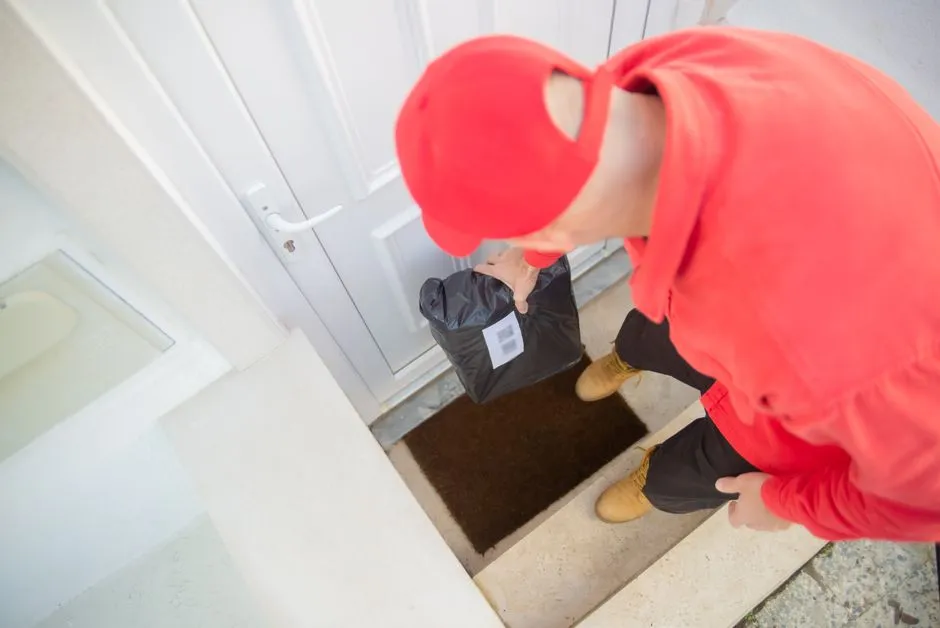
Crooks also target widows and widowers by posing as messengers and delivering items to their doorstep, claiming their late husband or wife made the purchase before dying – then demanding immediate payment. This variant works partly because bereaved spouses are often unaware of every transaction the deceased had made in the weeks before passing.
The doorstep approach adds a physical, human element to the scam that makes it harder to dismiss. Seeing someone standing at your door feels more real than a phone call, and that sense of reality is exactly what the scammer is counting on.
The AI Obituary Website Trap

A separate variant uses artificial intelligence to scrape data and build fake obituary websites, exploiting the information of someone who is deceased in an attempt to scam vulnerable victims. These sites are designed to appear in search results when friends and family look up the deceased online.
These fake obituaries are posted on sites that publish a continuous stream of unrelated articles on random topics, and they don’t contain much information but are filled with keywords to capitalize on what people are searching on Google. Clicking through can expose users to phishing pages or malware.
Scammers have also created fake social media accounts impersonating funeral homes, posting announcements that a funeral will be live-streamed – but when users click the link, they’re taken to a phishing page asking them to verify their identity by entering credit card information. No legitimate funeral home requires payment to watch a live stream.
Why Widows and Widowers Are Especially Vulnerable

Families are particularly vulnerable right after a parent or grandparent’s death, especially when they’re closing accounts, paying bills, dealing with insurance, settling an estate, or trying to understand financial responsibilities their spouse previously handled.
Consider fake estate debt collectors as “obituary chasers” – scammers who peruse obituary notices and then target grieving relatives in order to extort money from them. The emotional and administrative pressure of bereavement creates exactly the kind of confusion these criminals depend on.
Not every scam happens immediately after a loss. Some criminals spend weeks or even months building trust with widows and widowers before making their move – a patience that makes the eventual request seem far more credible by the time it arrives.
What Information in an Obituary Puts Families at Risk

Families should be mindful of the information placed in an obituary, since anyone in the world will be able to access it. Standard obituaries often include the deceased’s full name, date of birth, surviving relatives, employers, hometown, and sometimes even the name of the funeral home – all data points a scammer can use.
Criminals may also try to use a deceased person’s personal information to open financial accounts, apply for loans, or commit tax and other types of fraud. Identity theft of the deceased is a real and underreported extension of these schemes, and it can take months for families to discover it has happened.
How to Protect Yourself and Your Family
Scammers want to get money immediately, and in a way that makes it hard to track them down and hard for the victim to get it back. Never pay someone who insists you pay with a wire transfer, cryptocurrency, or a gift card. These payment methods are almost always unrecoverable once the money is gone.
If you receive a suspicious call, contact the funeral home directly using a phone number you know is real – not one provided by the person calling you. If you don’t already have it, the number will be on the General Price List given to you by the funeral home.
Never make an immediate payment based on an unexpected phone call or email. Ask for written documentation and verify the claim directly with the organization using official contact information. Taking even a few hours to pause and verify can be the difference between a close call and a serious financial loss.
Final Thoughts

Grief strips away defenses. It narrows focus, disrupts routines, and makes even sensible people second-guess themselves. Scammers understand this better than most. The obituary scam isn’t random – it is precisely timed and deliberately cruel.
A disturbing FTC report revealed that financial losses reported by older Americans due to scams have increased nearly fourfold since 2020, with reported fraud losses for adults aged 60 and older hitting $2.4 billion in 2024 – and the agency warns that the true financial damage could be as high as $81.5 billion when accounting for unreported cases.
The best protection isn’t suspicion of every person who calls. It’s knowing, clearly and calmly, what legitimate businesses and government agencies will never ask you to do – and what they will never demand that you do in a hurry. That knowledge, shared within families before loss strikes, may be the most practical defense there is.
AI Disclaimer: This article was created with the assistance of AI tools and reviewed by a human editor.