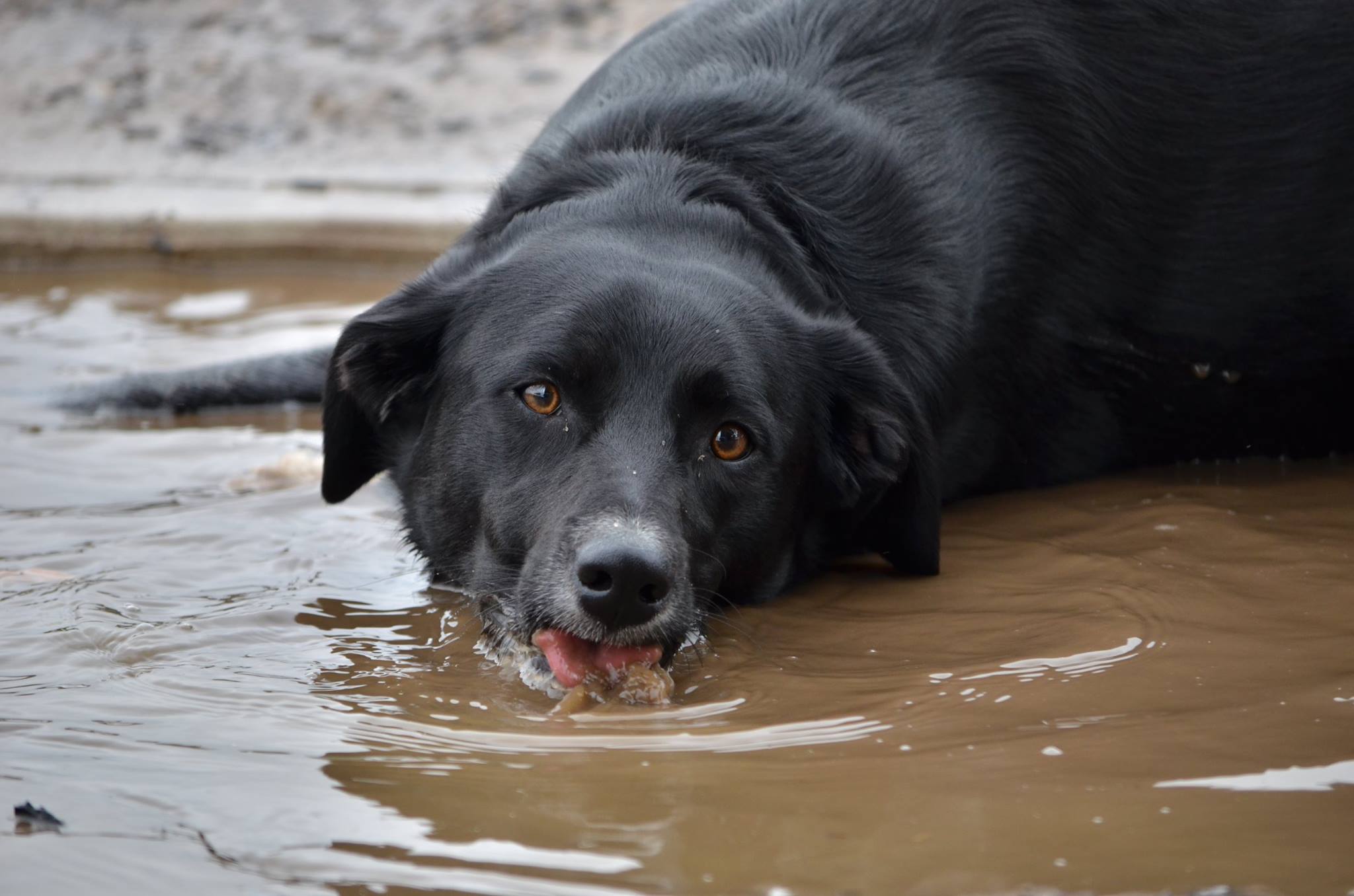

A Nose That Makes Ours Look Useless
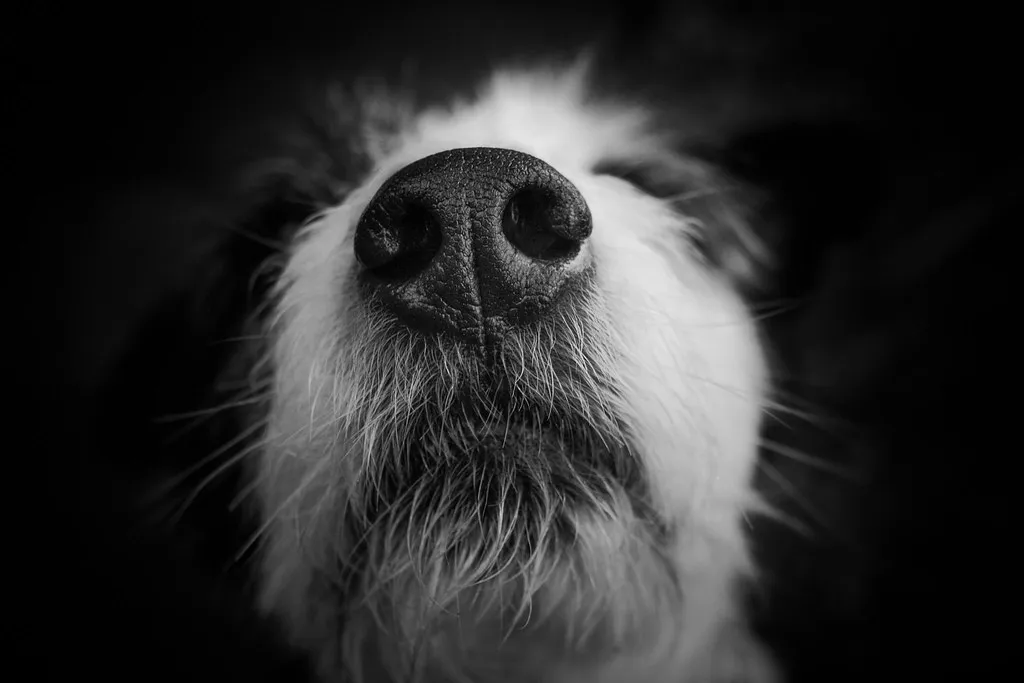
Before anything else, it helps to understand just how differently dogs experience the world through smell. The canine olfactory sense is anywhere between ten thousand and one hundred thousand times more acute than ours, and dogs have roughly forty to fifty times more smell-sensitive receptors in their noses than a human, allowing them to receive and process smell in a far more nuanced, layered, and intricate way.
Dogs have approximately three hundred million olfactory receptors in their noses, compared to humans’ mere six million. This superior sense of smell makes them particularly attracted to strong odors, including decomposing animals.
Our own sensibilities of what smells good and bad don’t always seem to translate, which might go some way to explaining why our dogs react so differently to a rotten smell. For them, what hits us like a wall of decay reads more like a richly detailed news feed.
The Wolf Connection: An Ancient Instinct
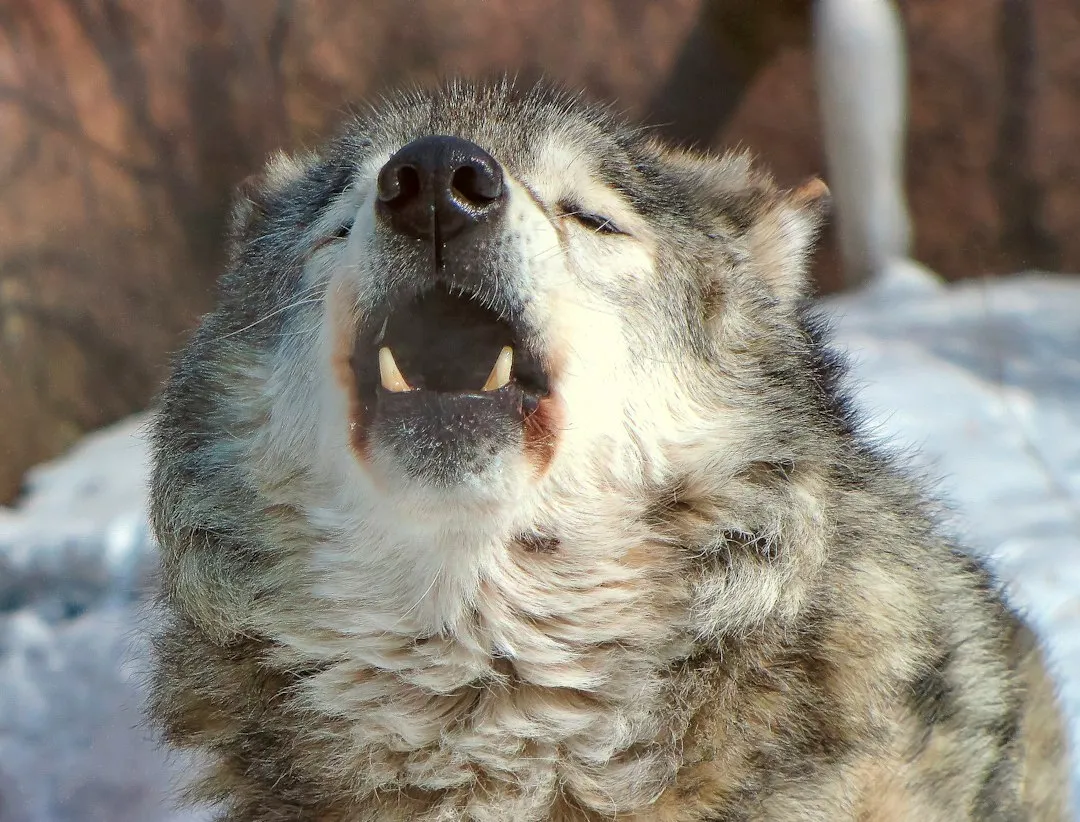
Wolves also roll in dead animals, poop, and other strong odors. Because wolves share a common ancestor with dogs, scientists often look to wolf behavior for clues.
Most animal experts think the behavior is likely a holdover to dogs’ ancient ancestors, the wolves, known to roll around in smelly stuff and dead things to mask their odor on a hunt. Even though domestic dogs have evolved alongside humans and no longer rely on hunting for survival, many of their wild instincts remain intact. These instincts are deeply embedded in their DNA, making behaviors like rolling in dead animals a common occurrence even in pets.
The Scent-Masking Theory
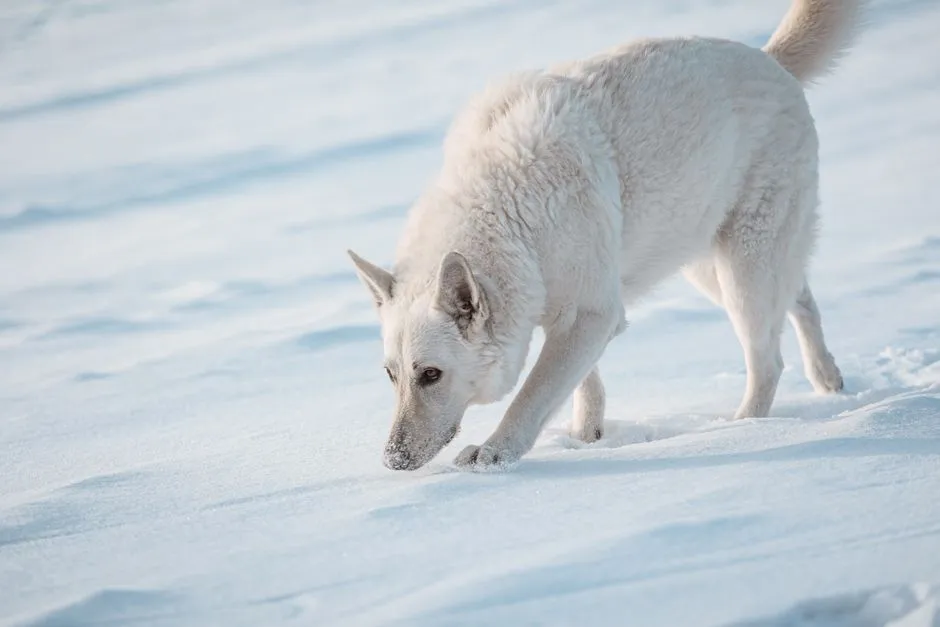
Probably the most popular theory is that dogs, like their wolf ancestors, roll around in a strong scent like a dead animal to mask their own scent. This helps them sneak up on their prey more easily.
Whether or not your dog realizes why they are doing this is still a mystery. They could be acting out some of the ingrained instincts they’ve received from their ancestors with no intention of seeking out prey.
However, this theory has its critics. If a prey animal’s sense of smell is adept enough to recognize predator scent, it can likely recognize that scent even when layered with the similar scent of its same species, or that of carrion from the surrounding area. The camouflage explanation, while tidy, may be simpler than the reality.
Scent Rolling as Pack Communication
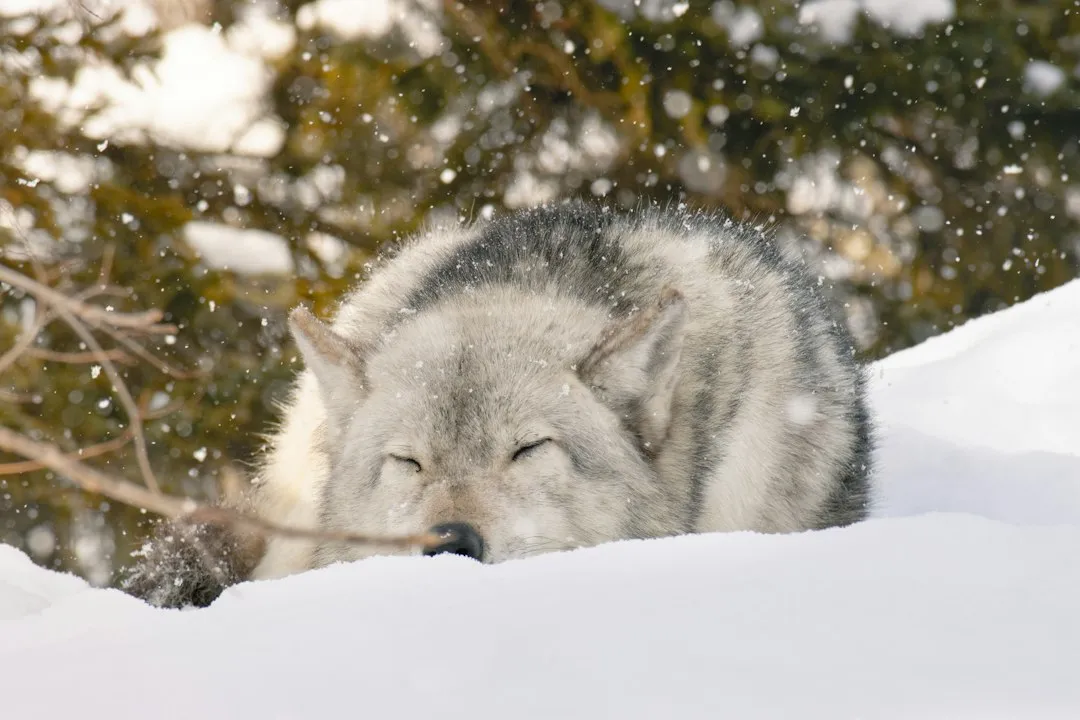
Wolf researcher Pat Goodmann at Wolf Park in Indiana spent years observing a specific pattern: a wolf finds something strongly scented, rolls in it with obvious intensity, returns to the pack, and the other wolves immediately investigate the roller’s fur. Then some of them go find the source and roll in it themselves.
This theory plays out at the Wolf Park research facility in Indiana, where researchers found that after sniffing a packmate that has rolled in something, other wolves have been spotted following that scent back to its origin. This helps with hunting by helping wolves understand where their prey has been.
Rolling in a carcass can be a way for dogs to communicate location-based information. Other dogs sniff the scent and follow it back, like an olfactory bulletin board. It’s a primitive but surprisingly efficient system.
The “Hawaiian Shirt” Theory: Wearing a Scent for Fun
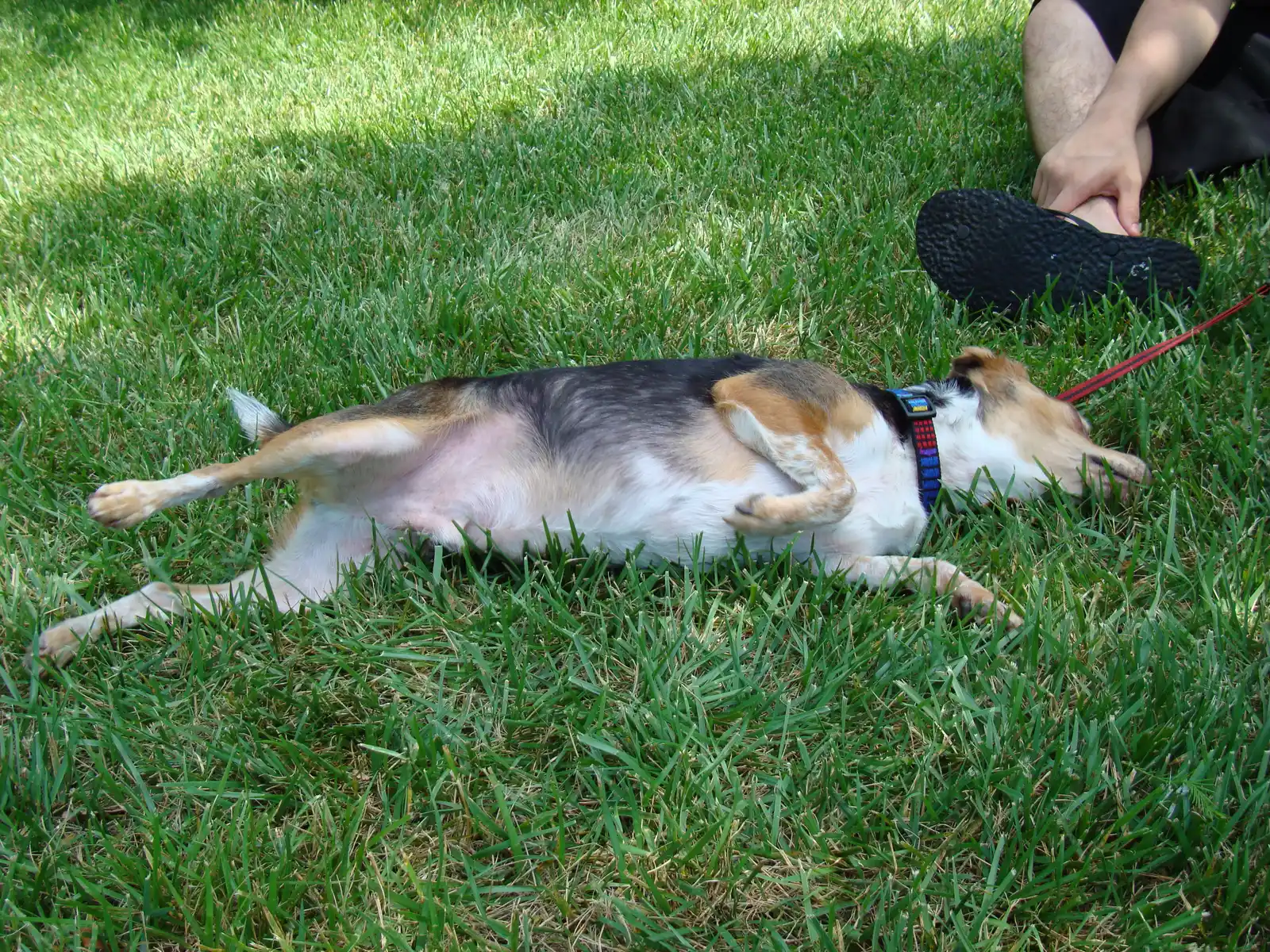
Dogs, like people, can get bored and want their lives to be interesting. They don’t always agree with us on what “interesting” means.
For dogs, smell is the most powerful sense. According to Dr. Coren, “There are some researchers who believe that since our dogs are no longer hunting, what they are doing by rolling around in these smells is essentially putting on the scent equivalent of a Hawaiian shirt.”
To humans, rotten smells are repulsive, but dogs may find them intriguing or even pleasant at a sensory level, similar to how we enjoy perfumes. It triggers dopamine and satisfies curiosity. That’s right, from a neurological standpoint, your dog rolling in a dead fish may feel roughly as good as you stepping into a freshly baked bread shop.
What the 1986 Canadian Journal of Zoology Study Found
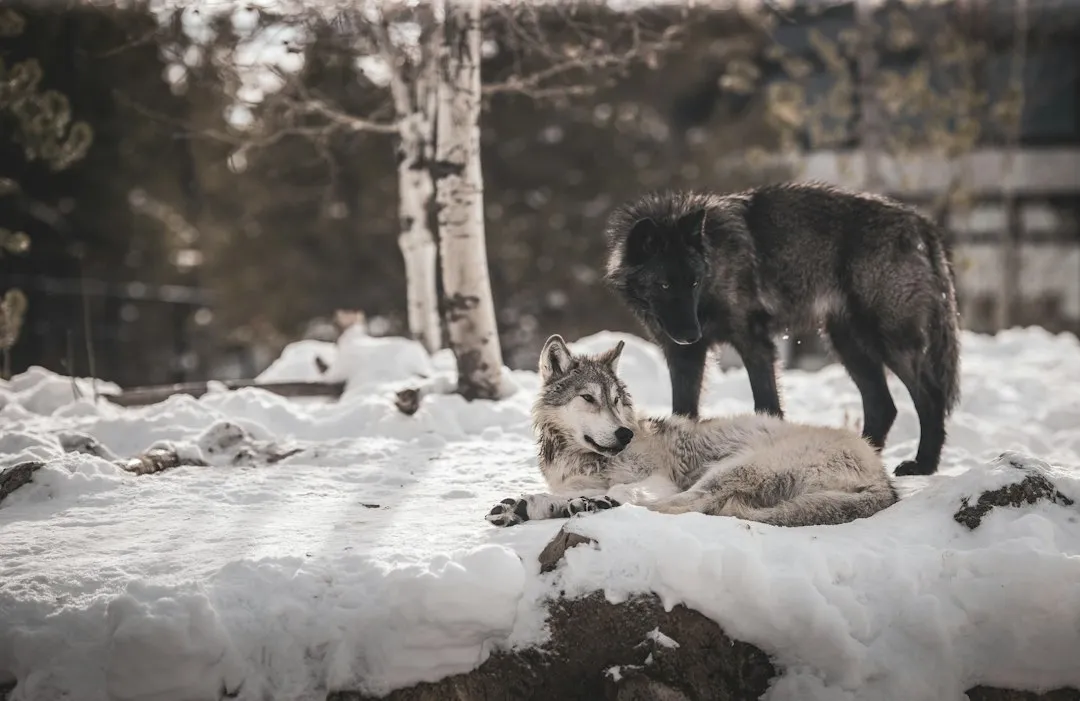
A 1986 study published in the Canadian Journal of Zoology found that when presented with the scent of other herbivores, food odors, carnivore odors, and manufactured scents, wild wolves were most likely to roll in the latter two, neither of which would make them smell less conspicuous.
According to research in the Canadian Journal of Zoology, novelty also plays a role in canine scent rubbing. Wolves were drawn to roll in unusual or unfamiliar smells and return them to the pack at a higher rate, including perfume and motor oil.
These findings complicate the clean scent-masking narrative considerably. If wolves are rolling in motor oil and commercial perfume, something more nuanced than pure hunting strategy is almost certainly going on.
The Fox Study: Rolling for Self-Protection
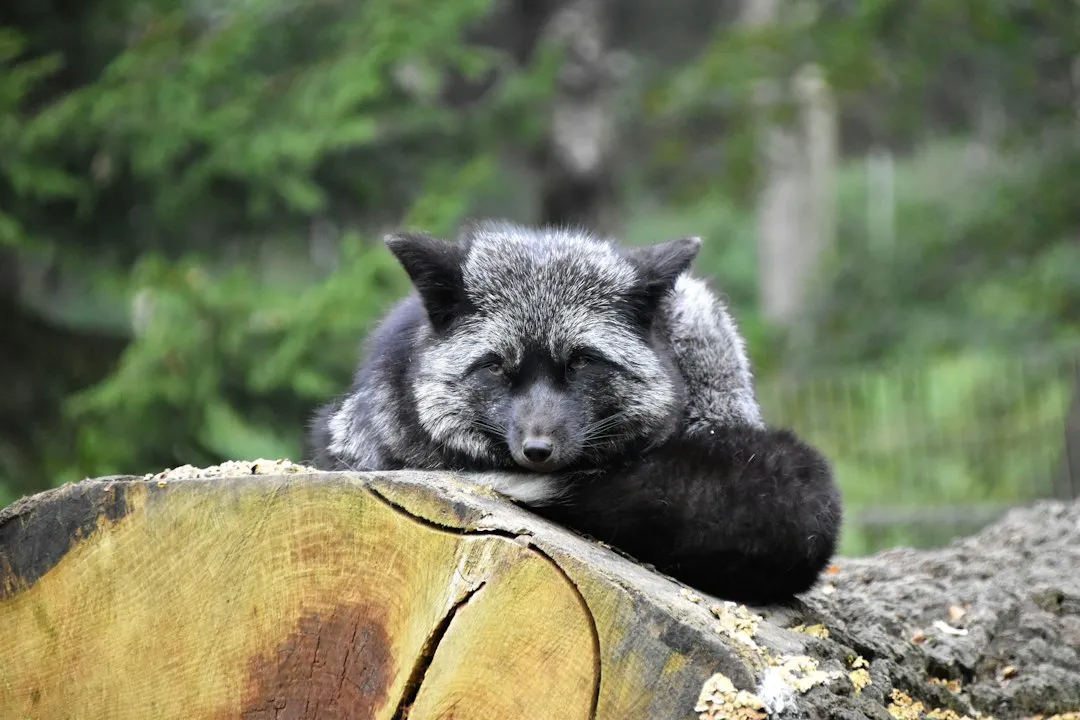
A study on scent rolling in grey foxes was conducted by ecologist Max Allen at the University of Wisconsin-Madison in 2016 and yielded similar results. The foxes were observed regularly visiting sites that male mountain lions had used for scent marking and rolled around in the strong-smelling urine.
The findings of these research experiments lend credence to a reconfigured version of the predatory camouflage theory. This theory states that some smaller canids utilize the odorous scents of large predator animals to protect themselves from being hunted.
In other words, rather than hiding from prey, foxes, and possibly dogs, may be borrowing the scent of something scarier than themselves. It’s less about hunting and more about not becoming the hunted.
Social Hierarchy and the Group Scent
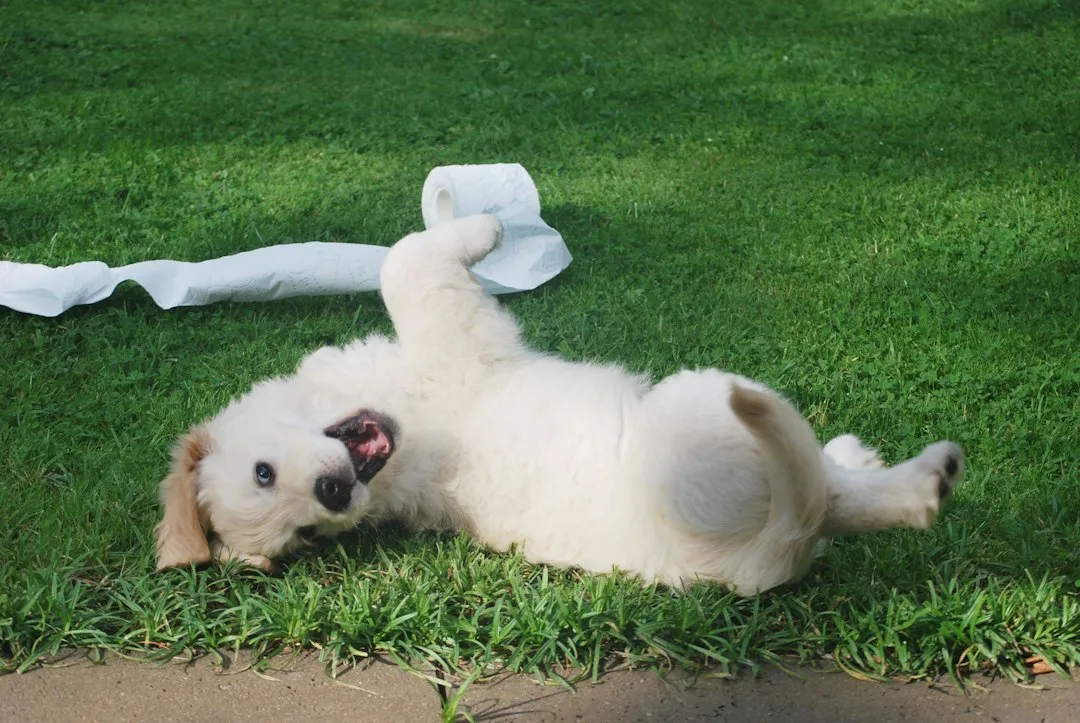
Researcher Simon Gadbois at Dalhousie University has posited that scent rolling is also a social function of the pack, having observed that the pack leader typically is the first to roll in a strong scent before others followed. He believes that scent rolling could be a form of establishing a sort of group odor.
Given a dog’s exceptionally sophisticated sense of smell, some theorize that rolling in pungent materials is a way to communicate information about their travels through the environment with other dogs. The roll, in this reading, isn’t random. It’s social reporting with the body as the message.
Boredom and Sensory Stimulation
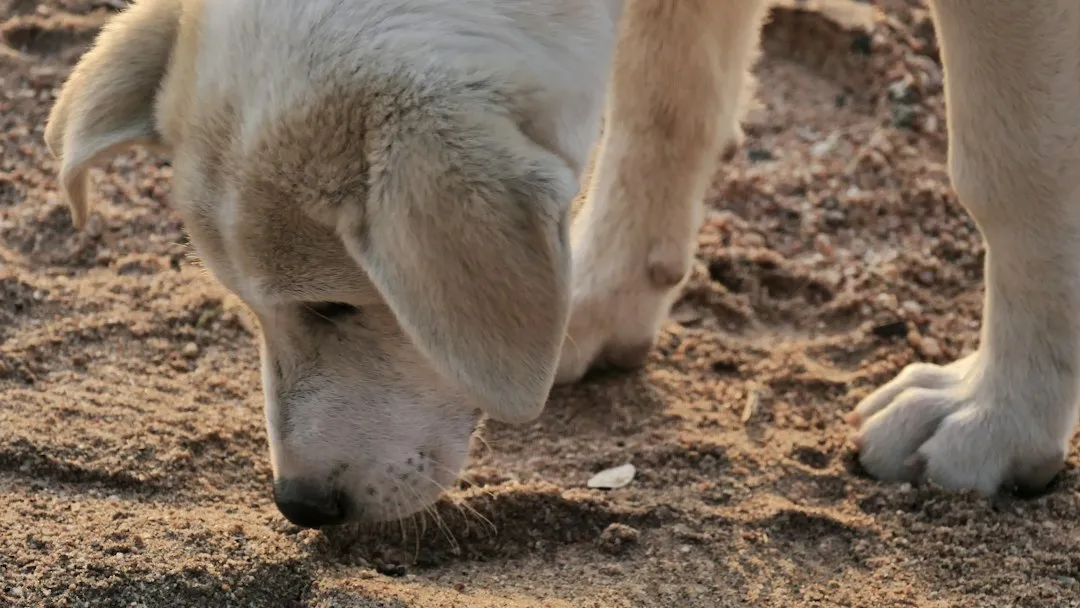
Much like chewing or digging, scent rolling may be a way for a dog to find stimulation and excitement and beat back boredom, as well as to incite attention from you and other fellow canines.
Dogs that are bored or under-stimulated may be more likely to engage in unwanted behaviors, like rolling in the scent of dead animals. Dogs are typically drawn to strong, organic, and decaying smells. This includes animal feces, decaying carcasses, strong-smelling mud, and anything with a pungent, natural odor. The stronger and more unusual the scent, the more appealing it often is to a dog’s keen sense of smell.
The Real Health Risks You Shouldn’t Ignore
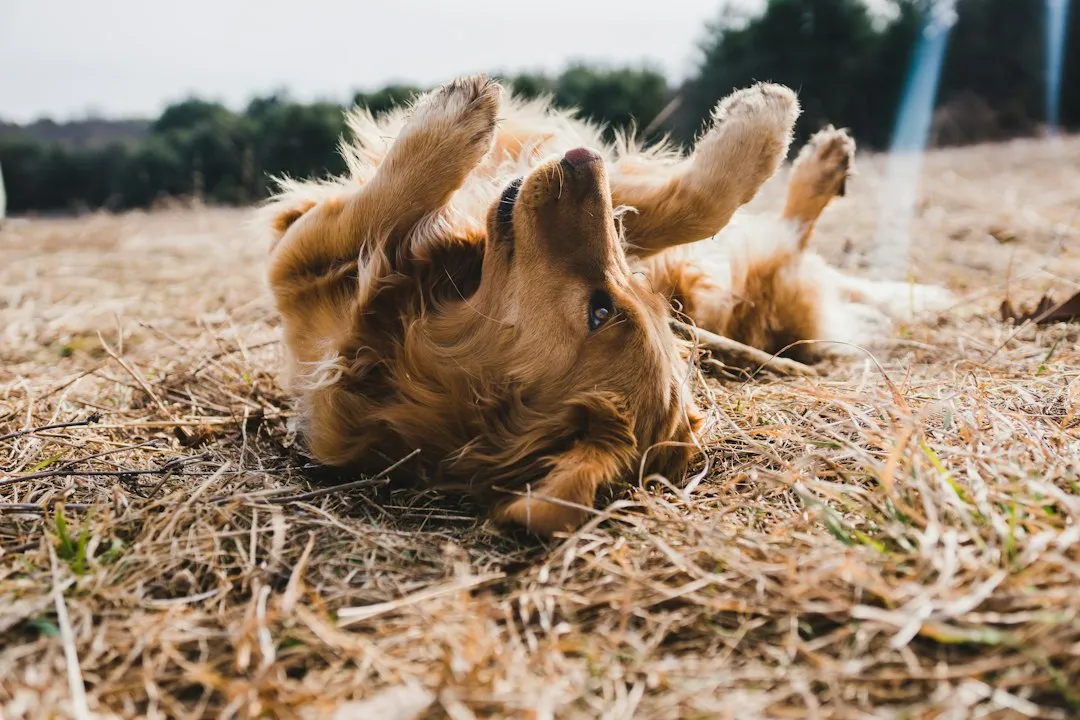
While instinctual, rolling in dead animals can come with hazards. Carrion can harbor Clostridium botulinum, salmonella, and leptospira. Fleas, ticks, worms, or rabid wildlife may also be present. Decomposing tissue and maggots can cause dermatitis.
Your dog rolling in poop isn’t just gross, it can also be a health risk. In addition to spreading germs, bacteria, and foul smells all over the house, your dog wallowing in poop also puts their health in jeopardy.
If your dog shows vomiting, diarrhea, lethargy, or strange symptoms after this behavior, a vet check is smart. The instinct may be ancient, but the bacterial exposure is very much present-day.
What You Can Actually Do About It
Watch for the specific pre-roll sequence: the dog locates something, stops, stiffens slightly, lowers the nose to sniff, then begins shifting weight toward the shoulder. That shoulder-dip moment is your window. A leash prevents the completion of the sequence before it can deliver its reward.
Use food puzzles and scent games to satisfy their need for olfactory stimulation. Apply a cue like “leave it” and reward your dog for moving away when you spot the temptation. Consistency matters far more than scolding, which rarely works and often backfires.
Stopping the behavior entirely is probably not realistic. It’s an instinct. Still, you can significantly reduce it with consistent training and cleanup strategies.
The Takeaway
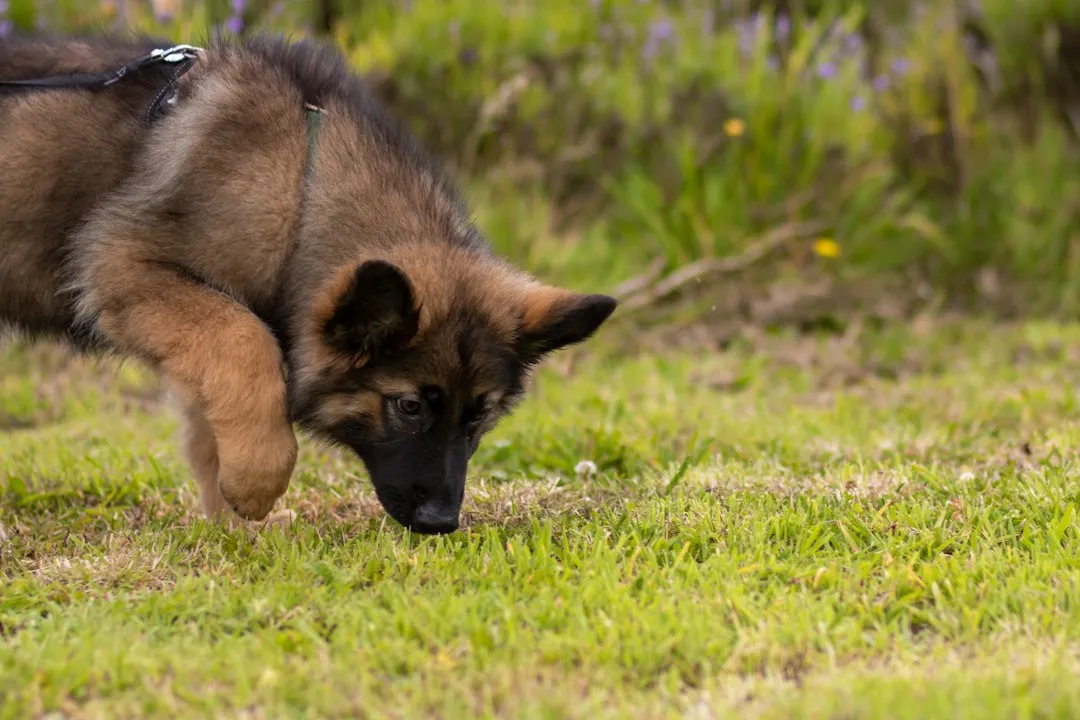
Scent rolling is one of those behaviors that makes dogs feel alien and perfectly dog-like at the same time. It’s ancient, multifunctional, and deeply wired into how canines understand and move through the world. The science suggests there’s no single clean answer, just a web of overlapping instincts around hunting, communication, social bonding, and pure sensory pleasure.
Your dog isn’t trying to ruin your afternoon. From their perspective, they’ve just done something genuinely impressive. The kindest response is a firm recall command, a leash in high-risk areas, and an enzymatic shampoo waiting at home.
AI Disclaimer: This article was created with the assistance of AI tools and reviewed by a human editor.