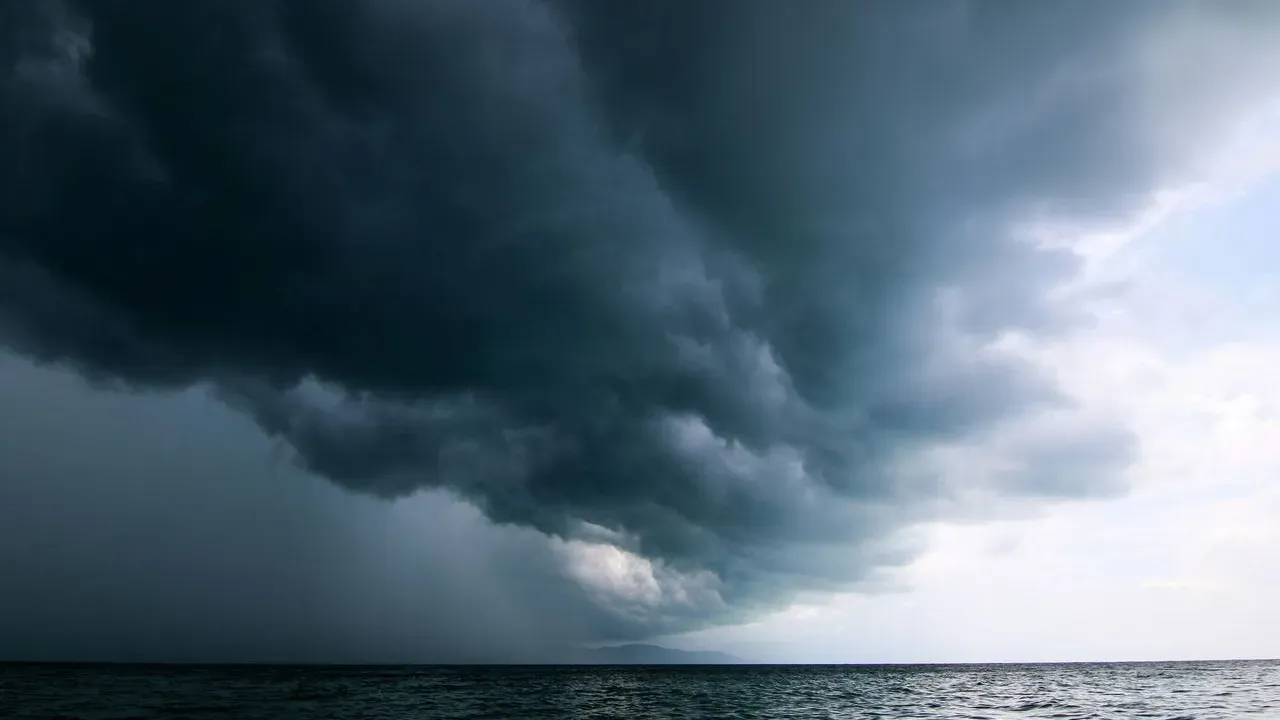

Hawaii’s Big Island faces an immediate and serious threat from Hurricane Nolo, with residents preparing for potentially life-threatening and catastrophic flooding. The storm’s approach has prompted heightened alerts across the island, where heavy rainfall could overwhelm drainage systems and low-lying areas. At the same time, Hurricane Polo continues to churn near Mexico, adding to the broader picture of active tropical systems in the Pacific. The situation underscores how quickly weather patterns can shift during peak hurricane season, leaving communities with limited time to secure homes, vehicles, and outdoor spaces.
Immediate Concerns on the Big Island
Local authorities have emphasized the risk of widespread flooding that could damage infrastructure and disrupt daily life. Residents are being urged to review evacuation routes and stock essential supplies in case conditions deteriorate rapidly. The combination of heavy rain and saturated ground raises the possibility of landslides in hilly terrain, further complicating response efforts. Gardeners and property owners in the region face particular challenges, as prolonged saturation can harm root systems and lead to soil erosion around plantings. Early action to elevate containers or move sensitive vegetation to sheltered spots may help limit losses once the heaviest rains arrive.
Parallel Developments Near Mexico
While attention centers on Hawaii, Hurricane Polo remains a factor off the coast of Mexico. Its presence serves as a reminder that multiple storms can develop and track independently within the same basin. Monitoring agencies continue to track Polo’s path and intensity, though its direct effects on land appear less certain at this stage. The dual activity highlights the value of staying informed through official channels rather than relying on scattered updates. Communities in both regions benefit from coordinated forecasts that account for shifting wind patterns and moisture transport across the ocean.
Practical Steps for Property and Garden Protection
Preparation remains the most effective defense against storm impacts. Securing loose outdoor items, clearing debris from drainage areas, and checking irrigation systems can reduce secondary damage once heavy rain begins. For those with gardens, mulching around established plants may help stabilize soil, while temporary covers can shield more delicate specimens. Local emergency management offices have issued guidance tailored to the expected rainfall totals. Following those recommendations closely offers the best chance of minimizing disruption to homes and landscapes alike.
Looking Ahead
Tropical systems like Nolo and Polo illustrate the ongoing need for vigilance during the season. Timely preparation can make a meaningful difference in how communities weather the event and recover afterward. Continued updates from meteorological services will help refine expectations as the storms evolve.
AI Disclaimer: This article was created with the assistance of AI tools and reviewed by a human editor.