

Plenty of people have had the experience of waking up with stiff, aching knees on a morning that looks perfectly clear, only to watch storm clouds roll in by afternoon. It feels almost uncanny. Generations of grandparents and weekend gardeners have insisted they could read the sky through their joints, and most of the time they were right.
The question is whether this is genuine physiology or just a particularly convincing coincidence. Science, as it turns out, is still wrestling with that question, though there are some compelling clues hiding inside the structure of your knee joint itself.
The Long History of Joints as Weather Instruments

For centuries, people have claimed that their aching joints can predict changes in the weather, often reporting increased discomfort before rain or cold fronts. This isn’t a niche belief. Many adults living with joint pain swear they feel weather shifts long before the meteorologist makes a forecast, and the phenomenon is so common that some even joke their knees are more accurate than the Weather Channel.
Given the scale and duration of these reports, there is a sense of legitimacy to these anecdotes, but the phenomenon remains scientifically contentious. Still, the sheer volume of people saying the same thing across different countries and climates makes it hard to dismiss entirely. Something is clearly happening in those joints.
What Barometric Pressure Actually Is
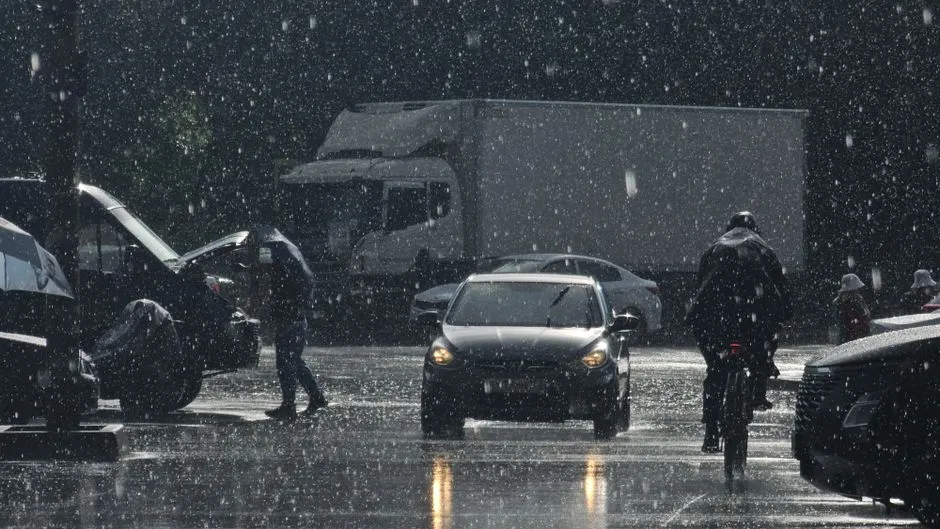
At the heart of this debate lies barometric pressure, also known as atmospheric pressure – the force exerted by air molecules in the Earth’s atmosphere. While invisible, air has mass, and the weight pressing down on us fluctuates with altitude and weather systems. Most of us never notice these changes in daily life. Our joints, however, might be a different story.
Higher barometric pressure often signals fair-weather conditions with clear skies and calm winds, whereas lower pressure typically precedes unsettled weather, such as cloudy skies, precipitation and humidity. That shift in pressure, happening well before rain arrives, is exactly what researchers suspect may trigger joint discomfort as a kind of early warning system.
The Anatomy of a Knee That Feels the Weather
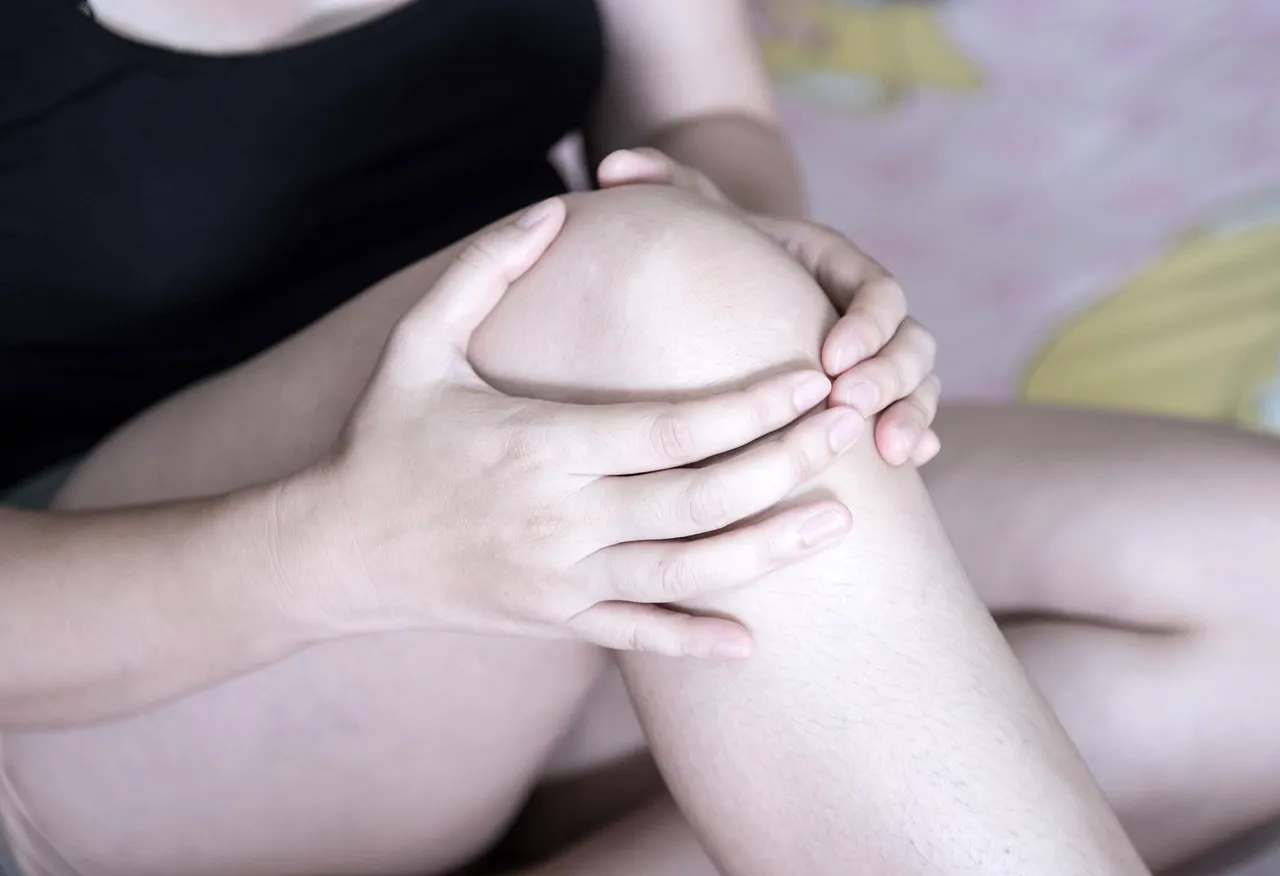
Moveable joints are intricate structures cushioned by synovial fluid, the viscous liquid that lubricates joints, and encased in capsules rich in nerve endings. In healthy joints, these components allow smooth, pain-free movement. However, when joints are compromised by cartilage damage or inflammation, even subtle changes in the environment may be acutely felt.
Knees, among the most commonly weather-sensitive joints, react strongly to barometric pressure drops and humidity increases. The knee’s complex structure, containing multiple tissue types within a relatively confined space, creates ideal conditions for pressure-related pain. The substantial amount of synovial fluid in knee joints also responds to temperature changes, becoming more viscous in cold conditions and contributing to the characteristic stiffness many experience before storms.
How Falling Pressure Affects Joint Tissue

When barometric pressure falls, it reduces the external pressure against body tissues, allowing them to expand slightly. For healthy joints, this subtle expansion goes unnoticed. However, for joints affected by injury, arthritis, or inflammation, this expansion creates additional pressure on already sensitive nerve endings.
Lower external pressure allows joint fluid and surrounding soft tissues to expand slightly. This extra volume can increase pressure within the joint capsule, stretching sensitive nerve endings. Micro-swelling in connective tissues and tendons can follow the same principle, and swollen tissues press on pain-sensitive structures, amplifying discomfort. The effect is a bit like pressing on a bruise that was already there.
What Synovial Fluid Has to Do with It
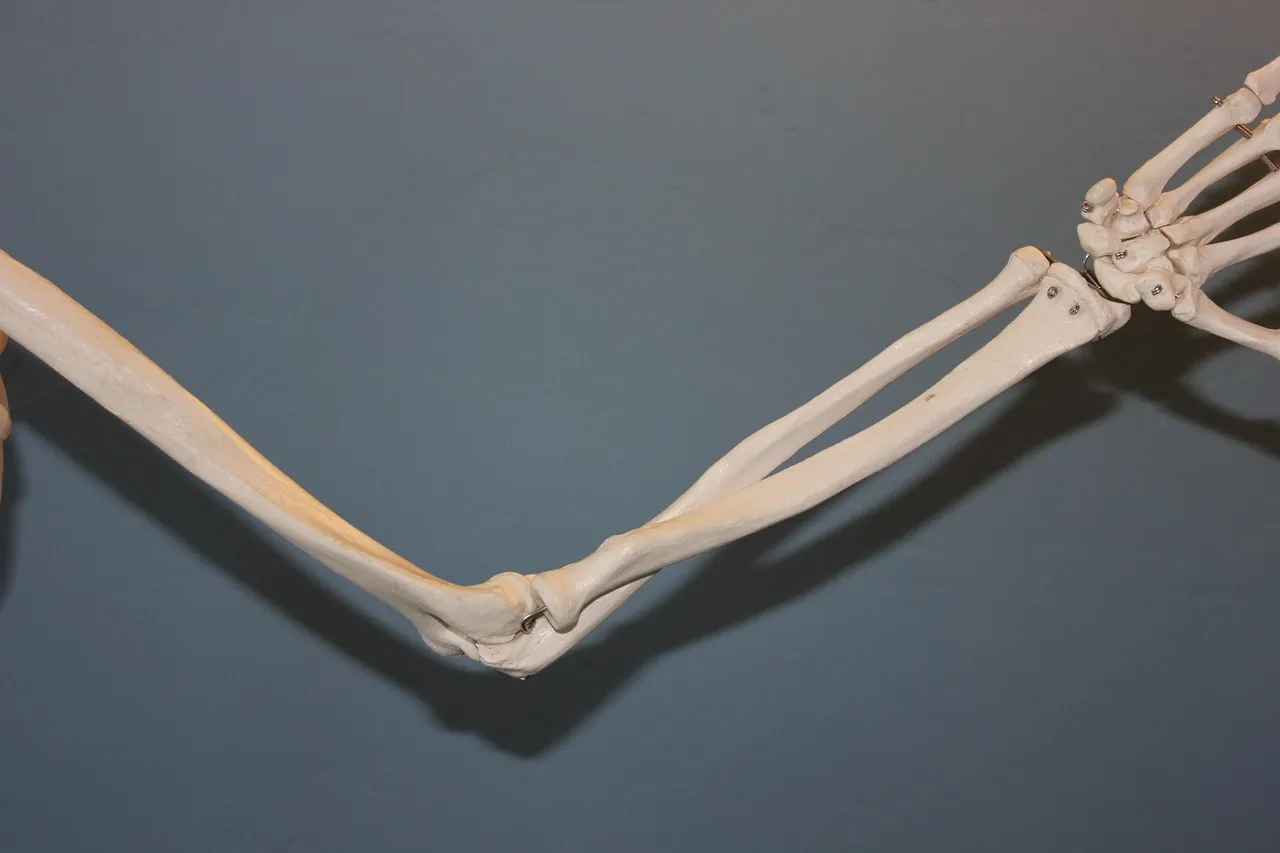
The synovial fluid that cushions and lubricates joints may also be affected by pressure changes, becoming less effective at reducing friction between moving parts of the joint. This matters more than it might seem. Cold temperatures increase the viscosity of synovial fluid while simultaneously reducing muscle elasticity.
The viscosity of synovial fluid rises about two percent for every one degree Celsius decrease in temperature, making movement feel stiff. For someone with already compromised joint cartilage, that thickening makes early morning stiffness before a storm feel noticeably worse than a normal day.
The Science: What Studies Actually Show

A 2007 study published in the American Journal of Medicine found a slight but significant correlation between dropping barometric pressure and increased knee pain in osteoarthritis patients. In a survey of 200 people with osteoarthritis in their knee, researchers found that every 10-degree drop in temperature, as well as low barometric pressure, corresponded to a rise in arthritis pain.
One of the most recent and largest studies is a 2019 British study in which more than 2,600 participants entered symptom information into their smartphones in real-time over a 15-month period. The phones’ GPS allowed scientists to collect precise weather data based on participants’ locations. Analysis of that data showed a modest but significant correlation between pain and three weather components: relative humidity, air pressure, and wind speed. Temperature, interestingly, did not show a significant effect in that particular study.
Where the Research Gets Complicated

Despite anecdotal reports from patients, changes in weather factors do not seem to be risk factors for rheumatoid arthritis, knee, hip, or low back pain according to some analyses, but may have a significant influence in gout disease. A 2024 systematic review and meta-analysis published in a peer-reviewed journal reinforced this complexity. That review, which pooled results from multiple case-crossover studies, found no statistically significant association between humidity, air pressure, temperature, or precipitation and the risk of rheumatoid arthritis flares, knee pain, or low back pain. The one exception was gout, where weather changes did appear to have a measurable influence.
These inconsistencies likely stem from differences in study design and the subjective nature of pain. Many studies rely on self-reported pain diaries, which can be influenced by expectation and mood. Weather effects may also vary significantly by individual. That individual variation is a big part of why the research keeps producing conflicting results.
Why Some People Feel It and Others Don’t

In one documented study, roughly a quarter of patients with rheumatoid arthritis, about four in five patients with osteoarthritis, nearly two thirds with inflammatory arthritis, and more than three quarters with fibromyalgia reported sensitivity to weather changes. That range is striking. It tells us this is not a one-size-fits-all response.
The disconnect between what patients consistently report and what large pooled analyses detect is one of the most frustrating aspects of this topic. One explanation is that individual sensitivity varies enormously. Fibromyalgia patients are often the most vocal about weather sensitivity, and research supports them. Because fibromyalgia involves central sensitization, an amplified pain response from the nervous system, even small physiological changes from pressure shifts get magnified.
Humidity and Temperature: The Supporting Cast
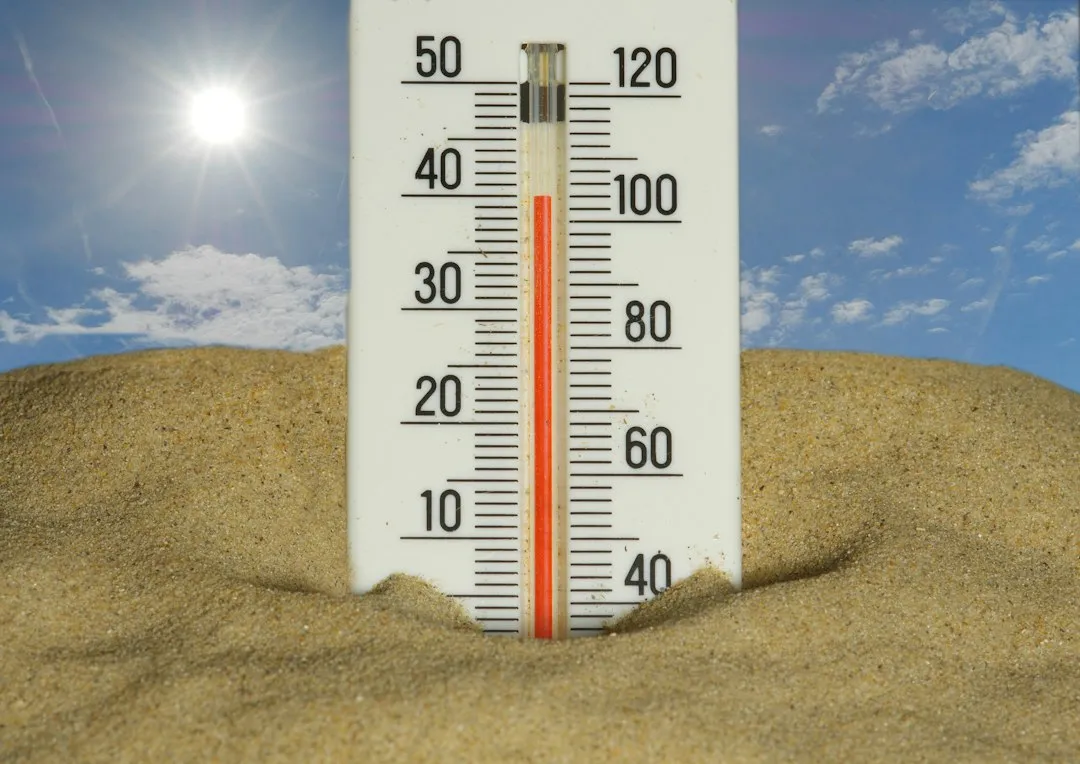
Increases in humidity or wind speed were associated with higher odds of a pain event, while increases in atmospheric pressure were associated with lower odds. Temperature, however, did not have a significant association with pain in that particular analysis. Other research tells a slightly different story.
Some studies suggest that decreased temperature is associated with both increased pain and increased rigidity, and increased relative humidity is associated with increased pain and rigidity in arthritis sufferers. High humidity above 80 percent increases nerve firing rates in damaged cartilage, according to a 2021 laboratory study. The picture that emerges is one of several factors working together rather than a single trigger.
Practical Strategies for Weather-Sensitive Joints
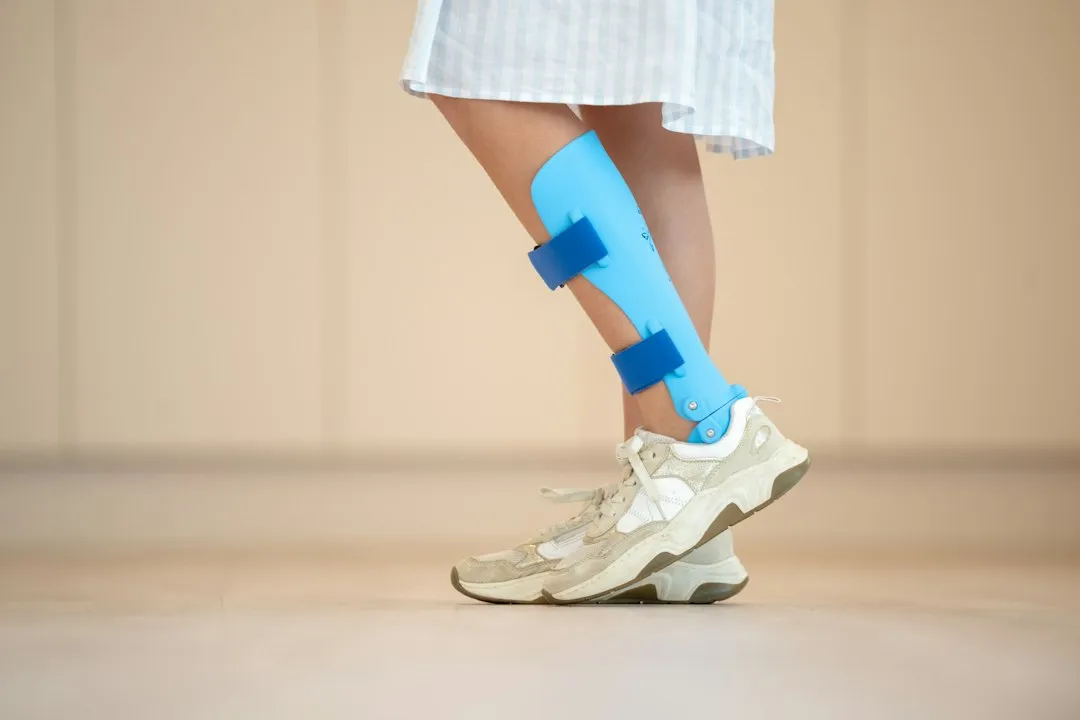
Wearing a compression sleeve or brace on the affected joint is one of the simplest approaches. Compression essentially replaces the missing external pressure, limiting tissue expansion and reducing the load on nerve endings inside the joint. Many people find this especially helpful on days when a weather front is moving through.
Staying active to keep synovial fluid circulating and gentle stretching before heading outside on raw, low-pressure days both help. Other strategies include eating an anti-inflammatory diet, using a dehumidifier, and wearing compression gear. None of these eliminate the sensitivity entirely, but they can meaningfully reduce how much a passing storm derails your day.
What This All Means in 2026

The role of environmental and meteorological factors in the development and progression of joint and rheumatic conditions has long been a topic of scientific interest. With the ongoing challenges of global climate change and worsening air pollution, the health impacts of environmental variables are receiving increasing attention. That gives this old question a new sense of relevance.
While the relationship between weather and joint pain remains an imperfect science, the collective evidence indicates that there may be some truth to the age-old belief. For those with chronic joint conditions, shifts in barometric pressure are worth paying attention to. The knees may not be infallible meteorologists, but they’ve earned at least a grudging second opinion.
The Takeaway

Your knees probably aren’t more accurate than a modern weather service, but they’re working with real biological signals. The relationship between joint discomfort and weather changes is not just anecdotal. There is evidence that pressure, temperature and humidity shifts impact the body in ways we are only beginning to fully understand.
The science is still catching up to the experience. What’s clear is that the joint structures involved are genuinely sensitive to environmental pressure changes, and for people living with osteoarthritis or rheumatoid arthritis, that sensitivity is amplified further by existing inflammation and nerve sensitization. The next time your knee aches on a sunny morning, it might be worth glancing at the barometer rather than dismissing it as imagination.
AI Disclaimer: This article was created with the assistance of AI tools and reviewed by a human editor.