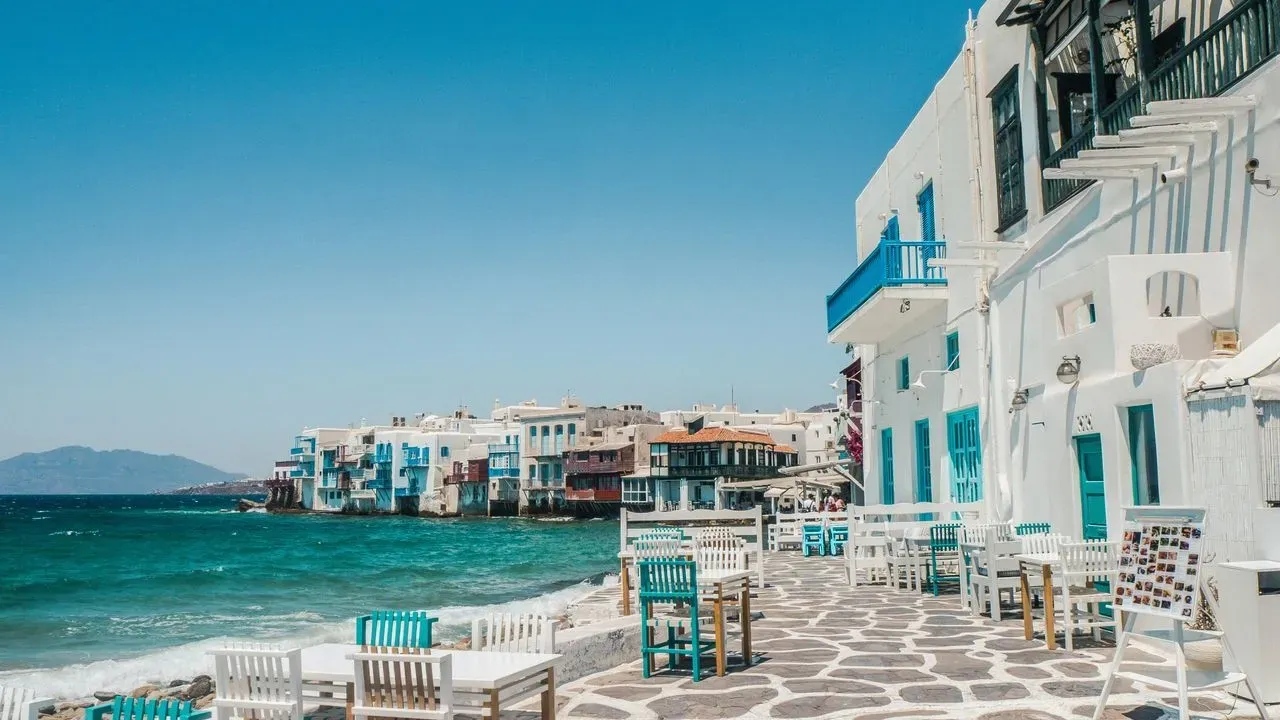

Sifnos has long held a quiet reputation among Greek islands for its distinctive approach to food, one shaped by terraced olive groves, local clay-pot traditions, and a network of small farms that supply restaurants directly. While neighbors like Crete and Naxos draw larger crowds, this smaller Cycladic destination keeps its focus on ingredients that reflect the island’s own rhythms and growing conditions. Travelers who arrive after the peak summer rush find milder weather and still-vibrant produce, making it an ideal moment to experience the place without the bustle. ([1])
Arrival and the Island’s Garden Setting
The journey begins with a ferry from Athens, a crossing that offers sweeping views of the Aegean and its shifting blues. Once on Sifnos, the landscape reveals terraced hillsides and small plots that feed the island’s kitchens year-round. Staying in the historic village of Kastro allows visitors to leave the car behind and explore on foot, moving easily between cliffside spots and shaded courtyards.
Evenings here often start with simple plates that highlight what grows nearby. Charcoal-roasted potatoes arrive with a bright tarama aioli, while a panzanella swaps bread for local anise cookies. Wines from high-altitude vineyards on the mainland add depth without overpowering the meal, underscoring how Sifnos values restraint and place over spectacle.
Local Traditions and Daily Markets
Mornings in Kastro bring visitors to small cafes that feel like extensions of nearby homes. A freddo cappuccino pairs naturally with yogurt topped by sunflower seeds, dates, and fresh fruit, providing steady energy for walks along the coast. These straightforward breakfasts reflect the island’s preference for fresh, unadorned ingredients drawn straight from surrounding gardens and groves.
Further north, the fishing village of Cheronissos offers a different pace. Rocky coves and quiet patches of sand sit between hills where goats graze, and lunch at a beach taverna centers on revithada, the slow-cooked chickpeas that define Sifnian cooking. Seafood is chosen from the day’s catch and grilled simply with lemon and olive oil, keeping the focus on the sea’s immediate bounty rather than elaborate preparations.
Chef-Led Experiences Rooted in Place
Evenings at restaurants run by local chefs reveal how deeply the island’s farming and fishing networks shape the menu. One standout spot emphasizes zero-waste techniques and works closely with nearby producers, resulting in dishes such as monkfish in fig-leaf sauce or grilled okra finished with pumpkin seeds. Desserts like mizithra ice cream drizzled with local honey close the meal on a note of quiet abundance.
Another venue on the south coast specializes in raw and lightly cured seafood. Sea urchin in pickled tomato water or ceviche made with local bream and cilantro pesto showcase the same commitment to minimal intervention. Diners often finish the evening with a swim in the water visible from their table, a reminder of how closely the island’s food stays tied to its surroundings.
Extending the Visit
Almond sweets from family-run pastry shops in Artemonas continue the thread of long-standing traditions, with delicate cookies still shaped by hand after generations. Beaches further south provide space for quiet afternoons under salt cedars, while a short hike leads to a 17th-century monastery with views across the cove. These elements combine to show why Sifnos rewards travelers who seek substance over crowds.
The island’s appeal lies in its measured pace and consistent connection to what the land and sea provide. As summer fades, the same ingredients that defined peak season remain available, now enjoyed in more comfortable conditions. For those drawn to Mediterranean food that feels both rooted and unpretentious, Sifnos continues to offer a distinctive alternative among its better-known neighbors.
AI Disclaimer: This article was created with the assistance of AI tools and reviewed by a human editor.