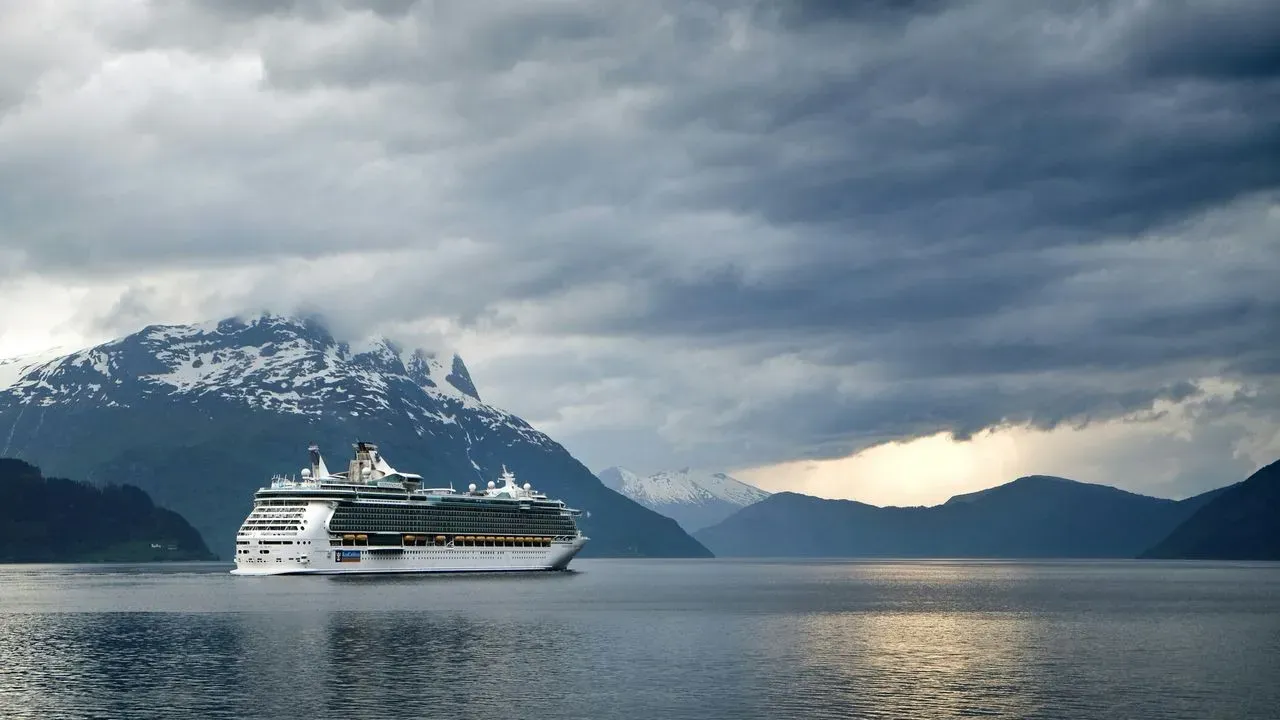

Wildlife cruises open access to some of the planet’s most isolated habitats, where small vessels can reach shores and waters that larger ships cannot approach. These journeys place passengers within arm’s reach of species that rarely encounter humans, from marine iguanas in the Galápagos to emperor penguins on Antarctic ice. The limited passenger counts and expert naturalist guidance create conditions for extended, low-impact observation rather than hurried sightings. ([1])
Galápagos Encounters That Reveal Evolution in Action
The Galápagos archipelago remains one of the few places where animals show little fear of visitors, allowing close study of behaviors that helped shape modern biology. Blue-footed boobies perform elaborate mating displays on open ground, while young sea lions often approach snorkelers in clear bays. Giant tortoises move slowly across volcanic terrain, and endemic finches forage nearby without alarm. Cruises between islands also offer chances to watch dolphins riding bow waves and seabirds diving for fish. The absence of land predators means many species display natural routines that would be hidden elsewhere. Passengers frequently return with photographs of iguanas basking on lava rocks or penguins swimming in equatorial waters, moments that feel almost staged yet occur daily in this protected setting.
Polar Waters Where Bears and Whales Share the Ice
Farther north, expeditions to Spitsbergen in Norway’s Svalbard archipelago target the world’s densest population of polar bears. As summer ice recedes, the animals move toward shorelines in search of seals, creating regular viewing opportunities from the deck or zodiacs. Arctic foxes patrol cliff bases for scraps left by larger predators, while humpback and blue whales surface in the same fjords. Some departures coincide with the Northern Lights, adding another layer to evenings spent scanning the horizon. The same small-ship model applies in Antarctica’s Weddell Sea, where massive ice shelves and tabular bergs dominate the seascape. Leopard seals hunt along the ice edge, Weddell seals rest on floes, and emperor penguin colonies on Snow Hill Island provide one of the most striking sights in polar travel. Humpbacks feed in nutrient-rich waters nearby, completing a scene of concentrated marine life.
Tropical and Temperate Rainforest Cruises With Rare Bears and Dragons
In Indonesia, nine-night voyages from Bali reach Komodo National Park, home to the world’s largest lizard. Guests combine snorkeling among thousands of fish species with hikes on Rinca Island in search of the dragons themselves. Frigatebirds and tropicbirds wheel overhead, while spinner dolphins and false killer whales appear in the surrounding straits. On Canada’s Pacific coast, the Great Bear Rainforest offers a different temperate experience. Brown and black bears feed on returning salmon at river mouths, and the rare spirit bear occasionally appears on Princess Royal Island. Humpbacks breach in summer channels, and orcas patrol areas such as Whale Channel. These voyages emphasize quiet approaches that minimize disturbance while maximizing time spent watching animals in intact coastal forest.
What Makes These Voyages Distinct From Standard Travel
Small-ship wildlife cruises differ from conventional itineraries in both scale and purpose. Passenger numbers stay low enough for frequent shore landings and extended zodiac time, while onboard naturalists provide context that turns sightings into learning opportunities. Evenings often include discussions of conservation efforts that protect the very habitats being visited. The format also fosters connections among travelers who share an interest in remote nature. Many return with renewed appreciation for ecosystems that remain fragile despite their isolation. For those drawn to direct, respectful contact with wildlife, these routes continue to deliver encounters that are difficult to replicate on land or aboard larger vessels.
AI Disclaimer: This article was created with the assistance of AI tools and reviewed by a human editor.