
The Dormancy Period Was Skipped or Too Short
This is the single most common reason a second bloom never arrives. If your amaryllis is kept in a warm, bright spot year-round without a break, it never receives the signal to create a flower bud. A bulb needs at least 8 to 10 weeks of cool, dark dormancy to reset.
In order to bloom, amaryllis bulbs must be exposed to temperatures of 50 to 55 degrees Fahrenheit for a minimum of 8 to 10 weeks. This can be accomplished by inducing the plant to go dormant and then storing the dormant bulb at that temperature. To induce dormancy, place the plant in a cool, semi-dark location in late September and withhold water.
The key lies in simulating the plant’s natural growing cycle, including a period of dormancy followed by a fresh restart. Give your amaryllis an 8 to 10 week rest period, placing the bulb in a dark, cool spot with temperatures between 50 and 59 degrees Fahrenheit. Stop watering completely and allow the leaves to die back naturally. This dormant phase signals the bulb to initiate flower development for the next season.
The Leaves Were Cut Off Too Early
As with other flower bulbs, amaryllis uses its leaves to produce energy for next year’s flowers. During this time, it’s important for the plant to receive plenty of light. Cutting the leaves back after the blooms fade is an easy and understandable mistake, but it essentially starves the bulb before it has had a chance to refuel.
Amaryllis stores energy in the bulb after flowering through photosynthesis. If leaves were cut too early or died back prematurely, the bulb may lack nutrients to bloom. The fix is to leave the leaves intact until they naturally yellow.
As with other bulbs like tulips and daffodils, the leaves are needed to create energy so the plants can bloom again. After your amaryllis is done blooming, place it in a bright indoor location, with a window offering southern exposure being the best choice. The leaf phase is not decorative. It’s functional, and it matters enormously.
Insufficient Light During the Growing Season
If the plant doesn’t receive enough bright light during its leafy phase, it cannot photosynthesize enough starch to refill the bulb for next year’s flowers. Low light is a quiet problem because the plant still looks alive and relatively healthy, making it easy to miss.
Amaryllis can be taken outdoors once there is no longer a risk of frost. Place them in an area that receives filtered sunlight at first, then gradually move to an area where the plant gets a minimum of six hours of sunlight a day. Continue to water and fertilize as needed.
Reblooming amaryllis is relatively easy, but the plant needs to make and store food in its bulb first. Expose the plant to bright light during the growth period after flowering ends. A shady corner of a room simply will not cut it during this critical phase.
Too Much Nitrogen in the Fertilizer
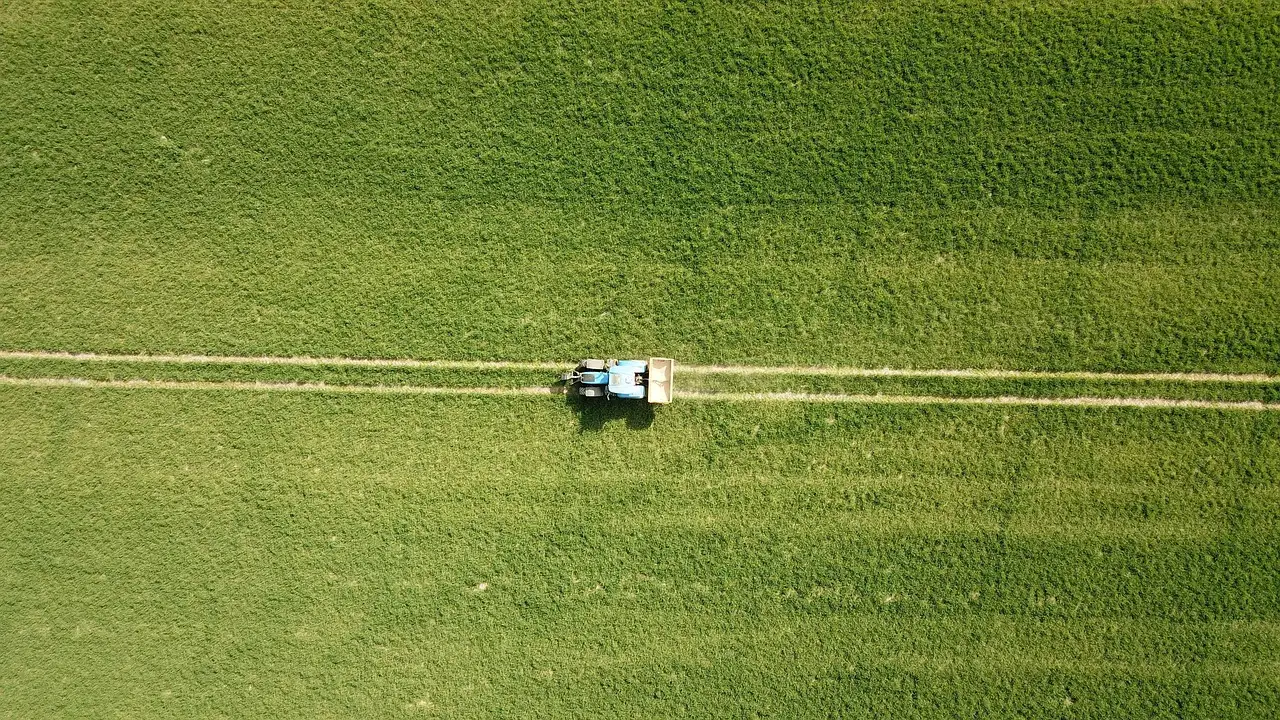
Amaryllis plants need balanced feed to build energy for blooms. If you use a fertilizer with too much nitrogen, you will get beautiful, giant leaves but zero flowers. Low phosphorus favors leaf growth while reducing stalk strength. Phosphorus is the key ingredient for flower power.
If your amaryllis has lush leaves but no buds, nitrogen may be the issue. Use a balanced or low-nitrogen fertilizer like a 5-10-10 blend to support bloom development instead of foliage growth.
Stop fertilizing before and during dormancy, then once the plant starts growing again, feed it with a balanced liquid fertilizer every 2 to 3 weeks. A 10-10-10 or 20-20-20 blend keeps the bulb strong and ready for next year’s flowers. It’s also worth mentioning that a high-potash fertilizer in summer, the type typically used for tomatoes, can help mature the bulb. In summer, a high-potash organic fertilizer can be given to the plant. This will help to mature the bulb and ensure a flowering stalk the next year. Discontinue feedings entirely after mid-fall.
The Pot Is the Wrong Size
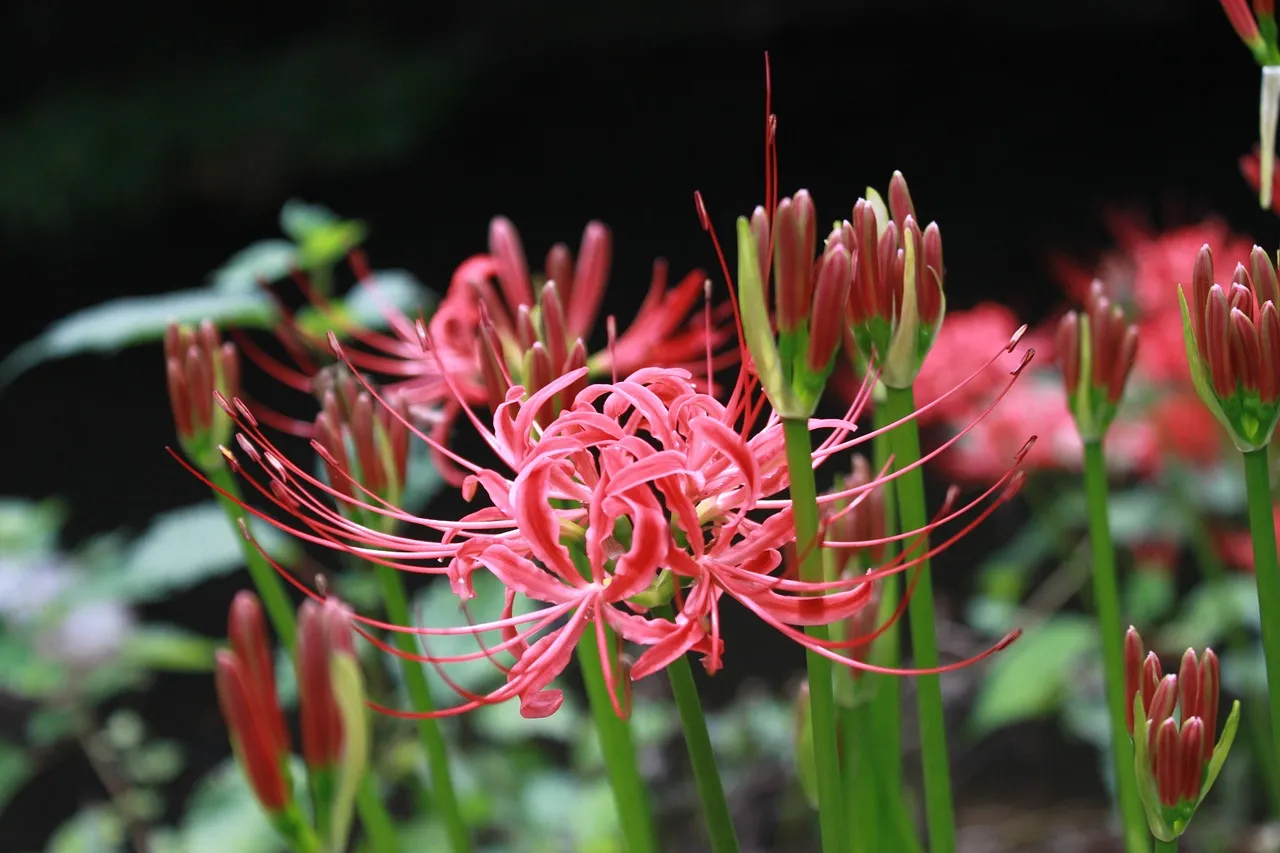
Amaryllis bulbs may not bloom if they are in too large a pot. There should be no more than one inch of space on each side of the bulb, and one third of the bulb should be above the potting mix line. This surprises a lot of gardeners who assume that a bigger container means more room to grow and more flowers.
A pot that is too big can lead to soil staying too wet, which can cause root rot. Planting in an oversized pot often delays flowering and leads to disappointing results. A pot that is too large also increases the risk of moisture retention.
Amaryllis bulbs prefer to be slightly pot-bound, so there’s no need to rush into a larger pot. They like being pot-bound, so repot only every 3 to 4 years after their dormant period. Snugness in a container is actually a feature, not a problem.
Overwatering and Root Rot
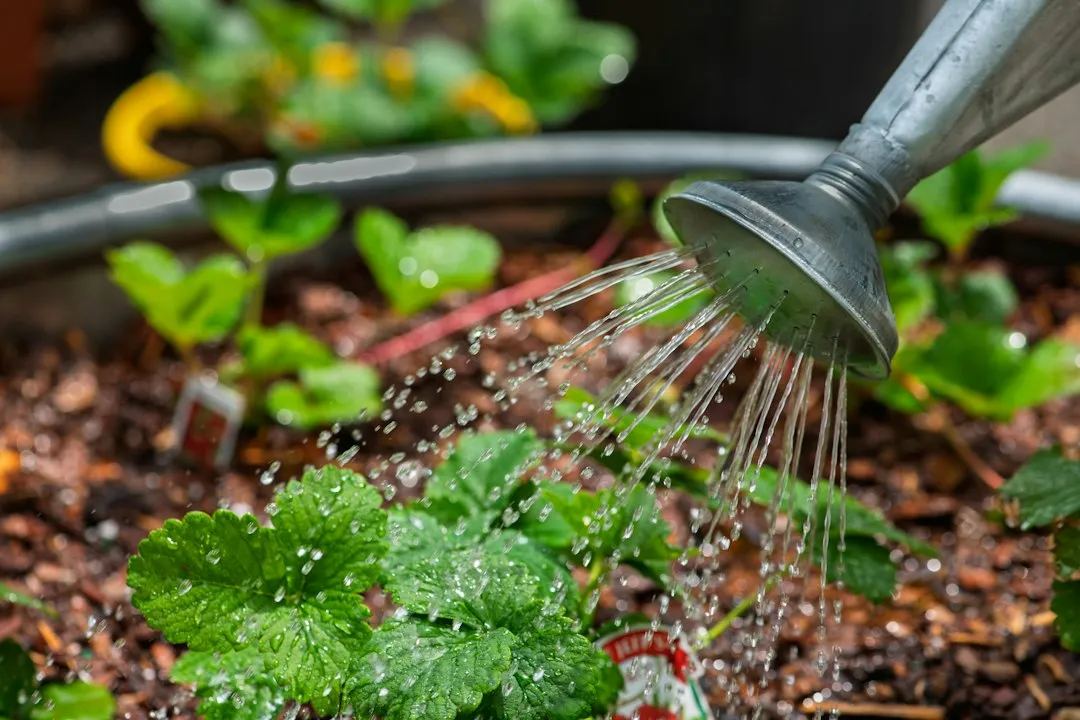
The most frequent cause of bulb trouble is overwatering and poor drainage. Amaryllis bulbs are highly sensitive to excess moisture, and when soil remains waterlogged, it deprives roots of oxygen, creating ideal conditions for rot. Always use well-draining soil and a pot with drainage holes to ensure water does not accumulate around the bulb.
The earliest sign of overwatering is often soft or mushy tissue at the base of the bulb, sometimes accompanied by yellowing leaves. The soil may stay wet for long periods and develop an unpleasant smell. Catching this early is essential, as prolonged excess moisture quickly leads to bulb rot and plant failure.
When watering amaryllis, aim to water thoroughly but infrequently. Apply enough water so that the entire root zone is moistened and excess water drains freely from the bottom of the pot. Avoid small, frequent sips of water, as they encourage shallow roots and increase the risk of overwatering. Always let the top layer of soil dry before watering again.
The Bulb Was Planted Too Deep
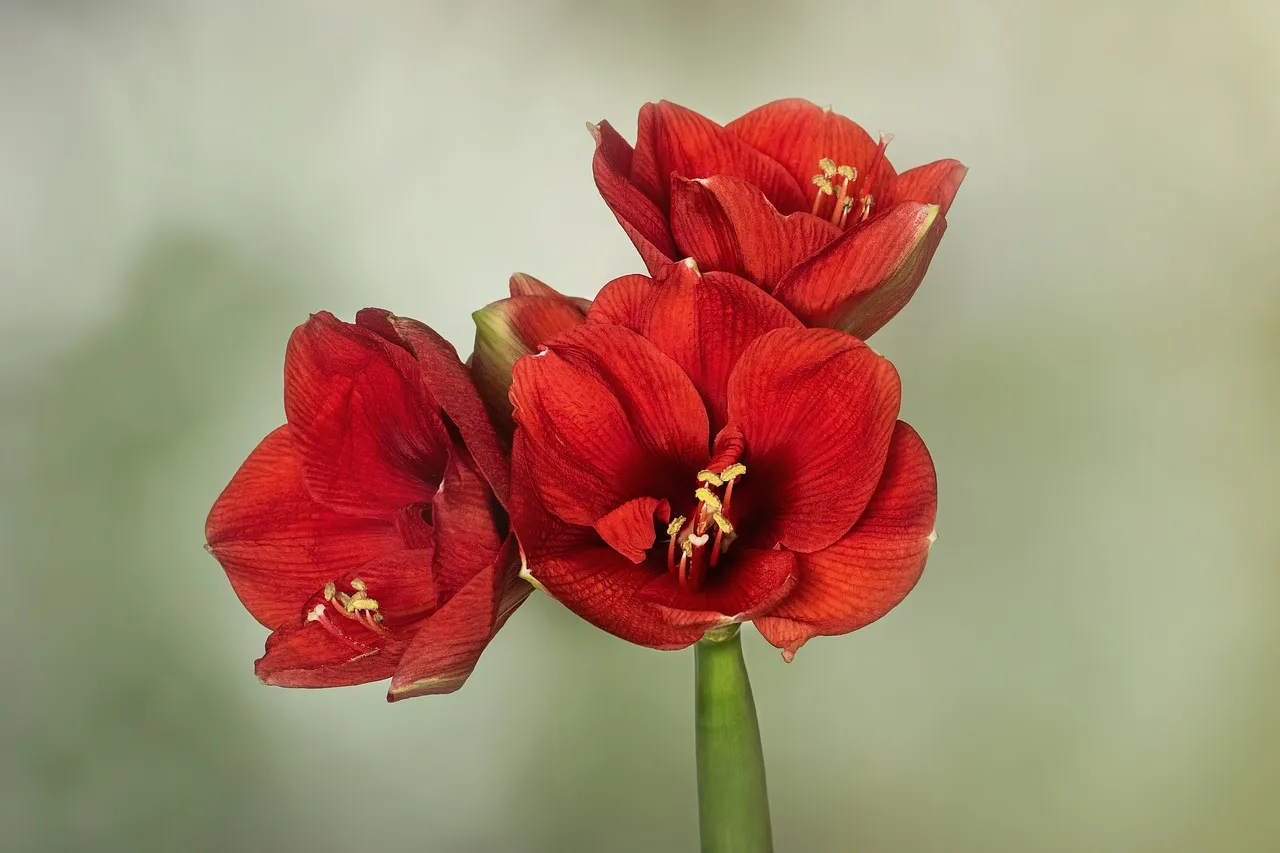
If the neck or top third of the bulb is buried, the amaryllis flower stalk may not emerge properly. Many first-time growers bury the bulb fully out of habit, treating it the same way they’d plant a tulip or daffodil. Amaryllis is different.
Position the bulb so the top third remains above the soil line, use a container only one to two inches wider than the bulb’s diameter, and fill with well-draining potting mix. Avoid overwatering, using garden soil, or planting too deeply, as these cause rot and failure to bloom.
One frequent mistake is planting the bulbs too deep or too shallow. If planted too deep, the bulb may struggle to sprout and risk rot. On the other hand, if left too exposed, the roots may not anchor well, leaving the plant unstable.
The Bulb Is Young or Was Undersized When Purchased
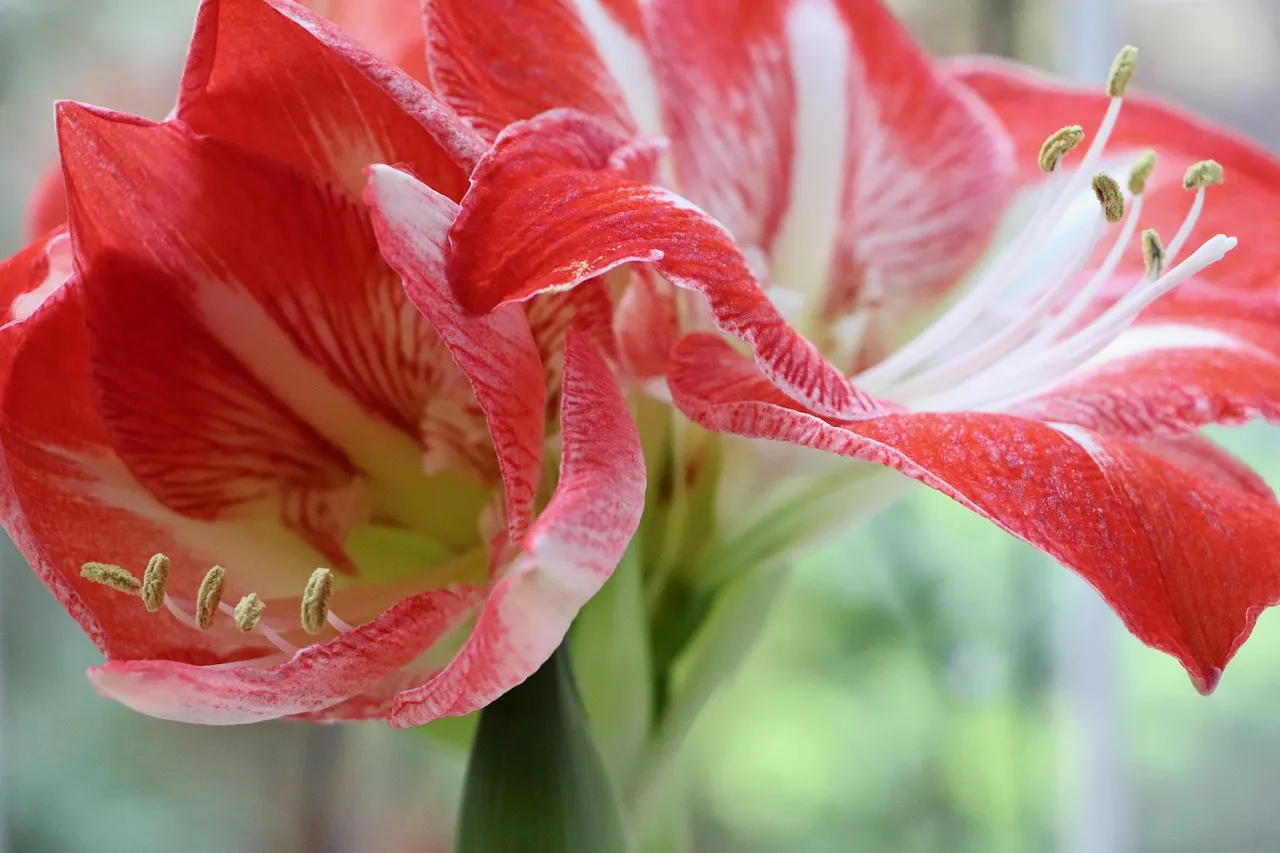
Younger bulbs often need time to mature. A small or newly purchased bulb may focus on root and leaf growth during the first year rather than flowering. The fix is simply to be patient and allow it to grow and store energy. With good care, the bulb should bloom in its second season.
Amaryllis grow from large bulbs and produce even larger flowers. The bulbs must be plump, unblemished, and healthy to grow the arching, strappy leaves and exotic blooms. If your bulb came in a bargain gift kit, it may simply have been too immature to flower reliably beyond the first forced bloom.
Choose healthy bulbs with the original roots intact. Bulbs with all roots removed to the bulb plate will perform poorly during their first year, though they may bloom. This is worth checking before you purchase any future bulbs.
The Timing of Dormancy Was Off
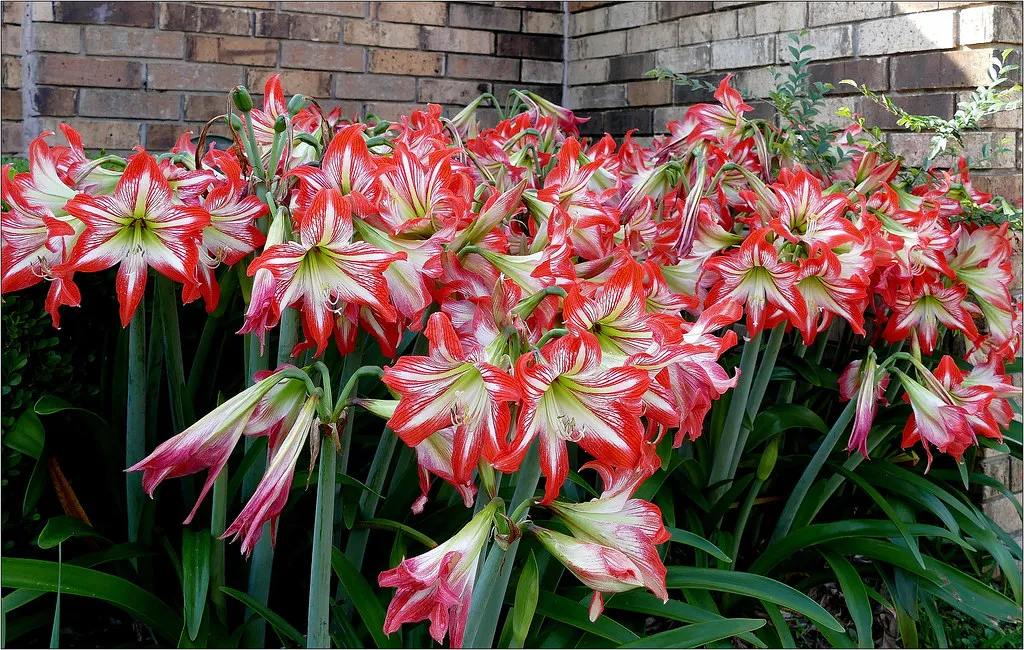
There are three main environmental changes that trigger an amaryllis to bloom: drought, darkness, and cool temperatures. These three things force the bulb to go dormant, or rest. The plant needs 6 to 8 weeks of rest to build up enough energy to flower.
If you follow the correct steps, your amaryllis will bloom about 4 to 6 weeks after you bring it out of the dark, or once it breaks dormancy. If you’re trying to time it for Christmas, you should start the process sometime between September 17 and October 15. Getting the calendar right matters as much as the other conditions.
After the cool requirement has been met, start the growth cycle again by watering the bulb and placing it in a well-lit, 70 to 75 degree Fahrenheit location. Keep the potting soil moist, but not wet, until growth appears. The sequence of steps, not just any single one, is what produces reliable results.
The Bulb Was Kept Near Ripening Fruit
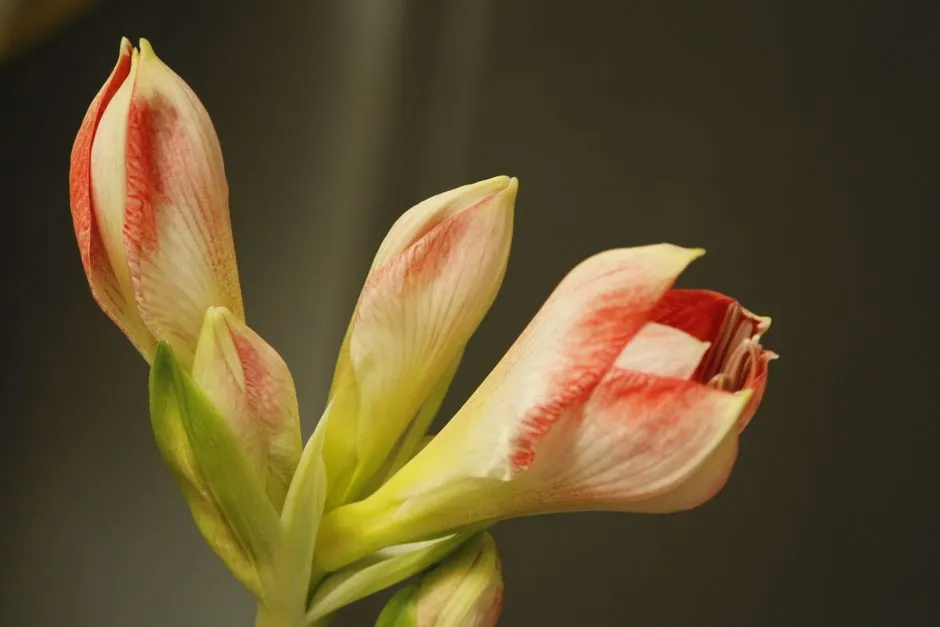
This one surprises nearly everyone. Fruit stored near an amaryllis bulb during dormancy can actually prevent it from flowering. Ethylene gas from ripening fruit, especially apples, can damage bulbs. It’s the same gas that ripens produce on commercial farms, and in an enclosed space, it interferes with the bulb’s internal development.
After blooming, allow the leaves to yellow and die back naturally, then remove dead foliage, clean the bulb, and store it in a cool, dark place at 50 to 59 degrees Fahrenheit. Keep it dry and well-ventilated to prevent mold.
Wrap bulbs in paper or store in a mesh bag to allow air circulation. A well-ventilated basement shelf, away from the fruit bowl upstairs, is ideal. The detail is small, but it can quietly undo an entire year of good care.
The Takeaway
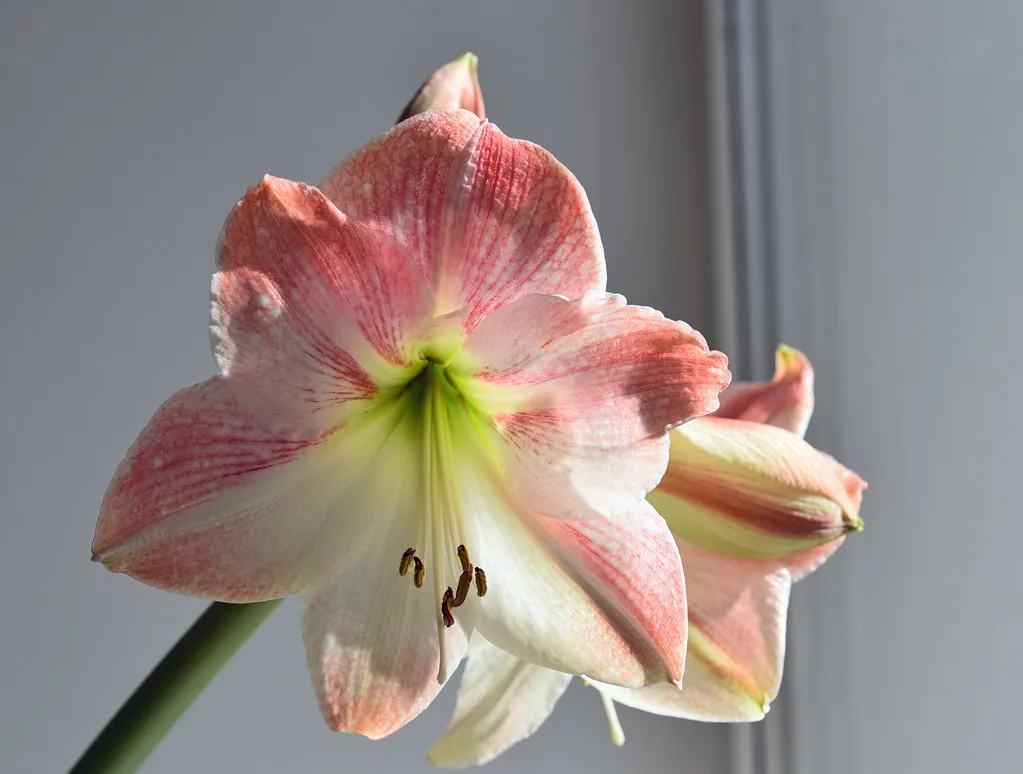
An amaryllis that won’t rebloom isn’t stubborn or broken. It’s usually just missing one or two pieces of a very specific routine. A single amaryllis bulb has the capacity to rebloom annually for years, but it needs to be treated right so the bulb remains healthy and has plenty of stored energy.
Well-tended amaryllis bulbs may continue to grow as perennials under ideal conditions for up to 75 years. That’s not a small detail. Given the right light, a proper dormancy, the right pot, appropriate fertilizer, and careful watering, these plants are remarkably long-lived and rewarding.
Most people never learn the post-bloom routine because it’s not printed on the gift-kit box. Now you know it. The cycle just needs to be respected, and once you’ve seen it work, getting a second bloom feels less like luck and more like something you actually understand.
AI Disclaimer: This article was created with the assistance of AI tools and reviewed by a human editor.