

It Looks Like Clutter, but It Isn’t

Stacks of unopened mail, bills and correspondence piling up untouched, are one of the clearest early-warning signs eldercare professionals watch for. Cognitive impairment can cause seniors to forget about bills entirely. What looks like disorganization is often the first visible symptom of something much harder to name.
Hoarding and accumulating mail can be a sign that a person is having trouble with a task. A pile of unopened mail, for example, might mean that the person no longer knows how to sort through it. That distinction matters enormously. There is a real difference between a parent who is simply busy and one who genuinely cannot process the steps required to open, read, and act on correspondence.
The Connection to Cognitive Decline Is Well Documented

Studies show that hoarding behavior can be an early sign of dementia. Many elderly people with dementia start hoarding as their memory and thinking abilities decline. Different types of dementia, including Alzheimer’s and frontotemporal dementia, can cause hoarding in different ways.
Analysis of community-dwelling senior day-care participants revealed a significant effect of a dementing disorder diagnosis on hoarding behavior. Of participants with a confirmed diagnosis of a dementing disorder, roughly 44% exhibited hoarding behavior, compared to only about 25% of those without such a diagnosis. Those aren’t small numbers. They point to a real, measurable pattern worth taking seriously.
Why Seniors Stop Opening Mail

Bills, magazines, and letters forming precarious stacks throughout the house reveal avoidance behaviors that shouldn’t be ignored. Unopened mail suggests a parent might be overwhelmed by responsibilities or experiencing anxiety about financial matters. For older adults, complicated paperwork can become intimidating, especially if vision or comprehension issues have developed. The growing pile represents tasks they simply cannot face, sometimes hiding unpaid bills or important medical notices.
Individuals with dementia or Alzheimer’s disease may exhibit accumulating behaviors due to impaired decision-making, memory loss, and increased anxiety. As dementia progresses, individuals face cognitive and emotional changes that intensify these tendencies. Memory loss means a person may forget what items they already own or have already addressed. Difficulties with decision-making regarding belongings and paperwork add another layer of paralysis.
The Financial Consequences Are Severe

Unopened mail can result in unpaid bills, lapsed health insurance, and shut off utilities. These aren’t theoretical outcomes. They happen in real households, sometimes going unnoticed for months before anyone in the family realizes the extent of the problem.
According to the Internet Crime Complaint Center of the FBI, elder fraud losses among victims aged 60 and older in 2024 were reported to amount to nearly $4.9 billion across more than 147,000 complaints. Older adults may be more susceptible to financial abuse due to cognitive decline, lack of familiarity with technology, reliance on caregivers or family members, and reliable income streams from Social Security and other sources. A mailbox full of unread financial correspondence is an open door for this kind of harm.
Hoarding Symptoms Grow More Common with Age

Research has found that hoarding symptoms are three times more likely to occur in older adults than in younger adults. This isn’t a personality flaw or a generational habit. It reflects real changes in how the aging brain processes and organizes information.
Although hoarding behaviors typically present in younger years, research investigating senior hoarding has found that the consequences of hoarding can become more prevalent with age due to the accumulation of objects over time and an impaired ability to discard or organize items following declines in physical and mental health. The mail pile, in this context, is just one piece of a broader pattern worth observing carefully.
What the Dusty Envelopes Are Actually Telling You

The real danger isn’t the late fee. It’s the pattern underneath it. Pay attention to whether the envelopes are dusty, because that tells you exactly how long the avoidance has been happening.
The early stage of hoarding is easy to miss. Seniors might start keeping more paper, mail, or food containers than usual, often stacked on kitchen counters or coffee tables, slowly creating clutter. When a pile has been sitting for weeks or months, it moves from being a mild concern to a potential indicator of a much deeper issue. Duration matters.
It Often Points to Broader Executive Function Decline

Mail isn’t opened in one step. It requires retrieving it, recognizing what it is, deciding whether it needs action, reading and understanding the content, and then responding appropriately. That sequence depends heavily on what neurologists call executive function, the brain’s ability to plan, prioritize, and follow through.
It’s vitally important to seek help as soon as cognitive decline is suspected in a parent, because getting them the support they need at as early a stage as possible gives them the best chance of having a long and enjoyable life. Many seniors experiencing the early stages of cognitive decline may forget important dates, the day or year, or get lost easily. If an elderly parent forgets key dates or deadlines regularly, it is a red flag that could indicate dementia. A mail pile fits squarely within this picture.
The Scam Risk Hidden Inside the Pile

In 2024, the FBI Internet Crime Complaint Center reported that adults aged 60 and older submitted over 147,000 complaints and reported an estimated $4.8 billion in losses from cyber-enabled fraud. Because most fraud goes unreported, the FTC estimates the real losses experienced by older adults in 2024 may have been as much as $81.5 billion. Cognitive decline and an unmanaged mailbox dramatically raise the odds of a parent falling victim.
If someone living with dementia misplaces an item, they might conclude someone has hidden it or that someone is stealing from them. These types of delusions can result in the person beginning to hoard possessions as a way to make sense of their reality and feel comfort that items are stockpiled. This same confusion makes it easier for outside scammers to exploit them through correspondence they never properly read or understood.
How to Bring It Up Without Starting a Fight

Hoarding often involves deep emotional attachments and confusion caused by memory loss. Approaching seniors calmly and respectfully helps reduce resistance and stress. A confrontational approach rarely helps and often pushes aging parents further into denial or withdrawal.
Offering to set up joint online bill payments or establishing a trusted financial caregiver agreement is a practical step forward. Transparent money discussions held early reduce family conflict later. Framing the conversation around convenience rather than concern often lowers defenses and opens the door to a more honest discussion. Keep the tone practical, not alarming.
What to Do When You Spot the Warning Sign

Many children struggle to accept cognitive decline in their parents because they can’t come to terms with the fact that the capable people they once knew now need to be cared for and aren’t able to provide for themselves in the way they used to. It’s normal to feel angry and sad, and it’s important to give yourself time to process this changing reality.
Denial is a powerful force, both for seniors who fear losing independence and for family members who hate disrupting familiar roles. Waiting until a crisis such as a serious fall, hospitalization, or financial scam often leaves fewer options and higher costs. Writing down what they forget and how often the lapses occur is a useful first step when speaking with a physician. Bringing that record to a doctor’s appointment gives a clinician concrete information to work with, rather than vague impressions gathered from memory.
The Takeaway
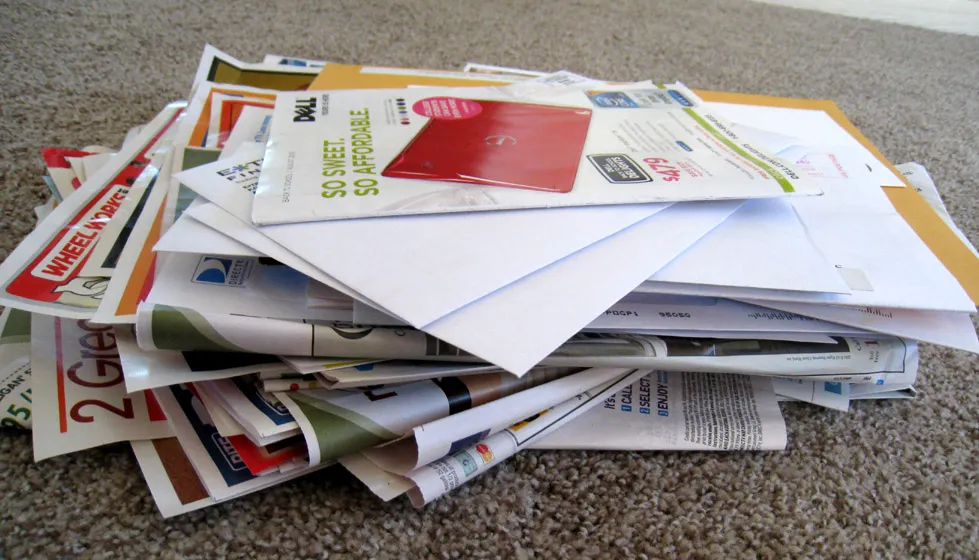
A pile of mail is easy to step around. It doesn’t demand immediate attention the way a fall does or a hospitalization does. That’s exactly what makes it dangerous. It sits quietly, accumulating, while what it represents goes unaddressed for months or years.
The families who catch cognitive decline early are often the ones who started paying attention to the small, unsexy details: the dusty envelopes, the expired coupons, the utility notice still in its envelope six weeks after it arrived. None of those things alone is a diagnosis. Together, they form a pattern worth acting on. The mail pile isn’t just clutter. It’s a message, and it’s worth reading.
AI Disclaimer: This article was created with the assistance of AI tools and reviewed by a human editor.