
It All Starts with Chlorophyll
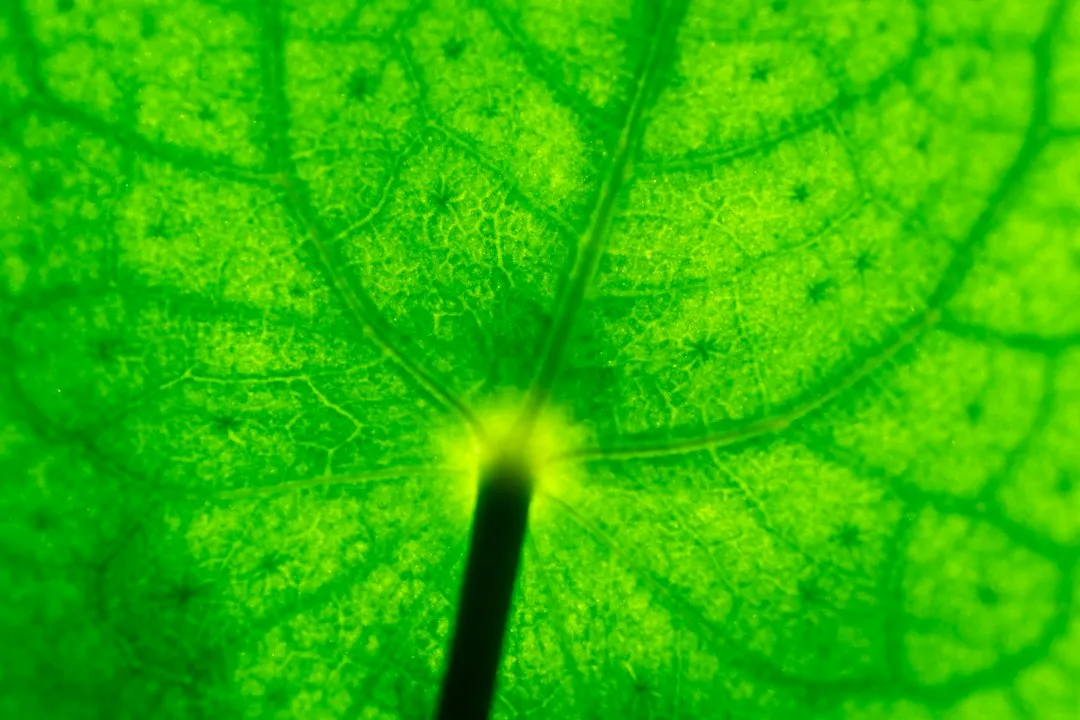
In the early days of a pumpkin’s life cycle, it is filled with a green pigment called chlorophyll, which is why most plants in the world appear green. Chlorophyll absorbs the sun’s rays, mainly in the red and blue spectrum, and reflects green – which is exactly why the pumpkin looks green in the earliest part of its growing cycle.
Chlorophyll, the pigment responsible for photosynthesis in plants, is present in all pumpkins at least initially, and as the pumpkin matures, chlorophyll typically breaks down, allowing carotenoids to become more visible, resulting in the orange coloration. When that breakdown process stalls for any reason, the orange simply never shows up.
The Role of Carotenoids in Color Change
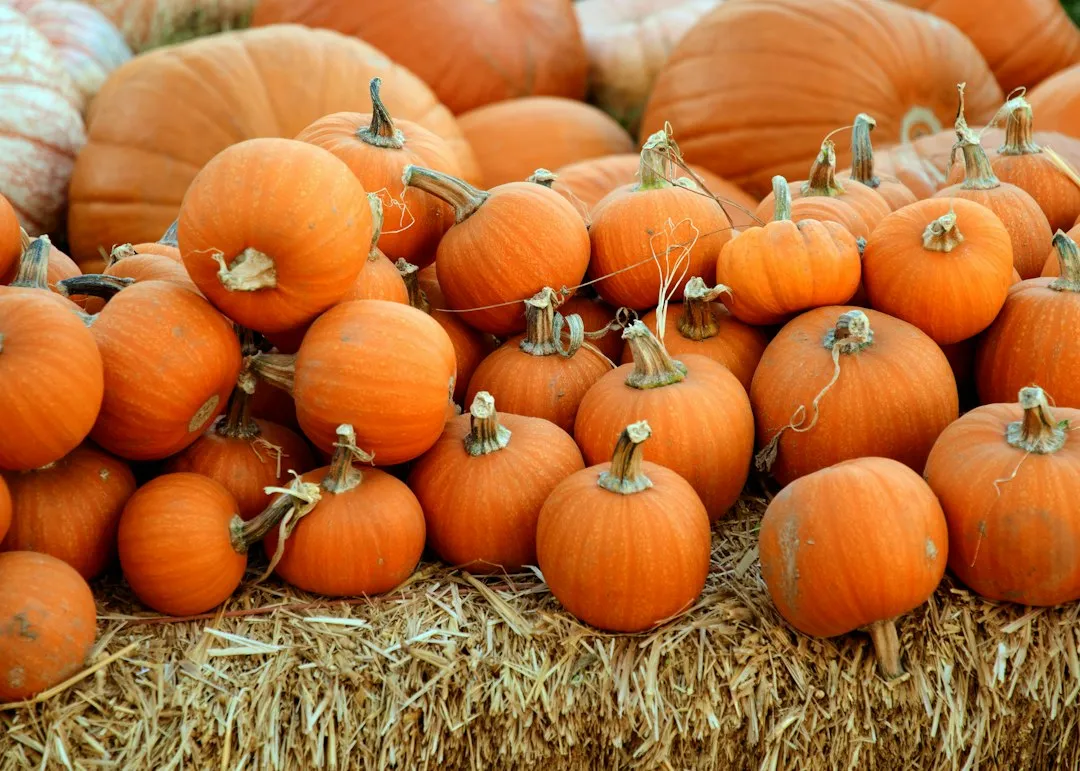
As the days progress and become shorter, the plant stops producing chlorophyll due to cooler temperatures and less sunlight, and a pigment called carotene fills the pumpkin’s outer skin, replacing the chlorophyll and causing the pumpkin to shift from green to the recognizable orange.
Carotenoids are lipid-soluble natural pigments that can be biosynthesized in plants and are responsible for the yellow, orange, and red colors of various fruits and vegetables as well as processed foods of plant origin. Pumpkin contains large amounts of pro-vitamin A carotenoids, which give it different colors due to the presence of components such as lutein, which produces a bright-yellow color, and beta-carotene, which produces the orange color.
Research published in 2026 in the journal Vegetable Research confirms that the accumulation and ratio of carotenoid and chlorophyll are the key factors affecting the coloration of pumpkin. When that ratio tips the wrong way, the skin stays green far longer than growers expect.
Frost and Cold Temperatures Interrupt the Process
Nothing hits pumpkin vines harder than a freeze of 32°F or lower, and an early or unexpected frost can make gardeners despair, especially if they are growing pumpkins. Pumpkins do not tolerate cold well, and it’s important to harvest all of the pumpkins before the first heavy frost or the crop will be ruined.
If pumpkins are still green and temperatures are starting to drop at night with some frost appearing, it’s wise to cut the pumpkins off the vine, because if left outdoors in continued cold temperatures with lack of sunlight they will stay green forever, and there is also a chance they will rot and wilt away. A pumpkin that has met a hard frost while still green has, for most practical purposes, missed its window.
Insufficient Sunlight Keeps Them Green
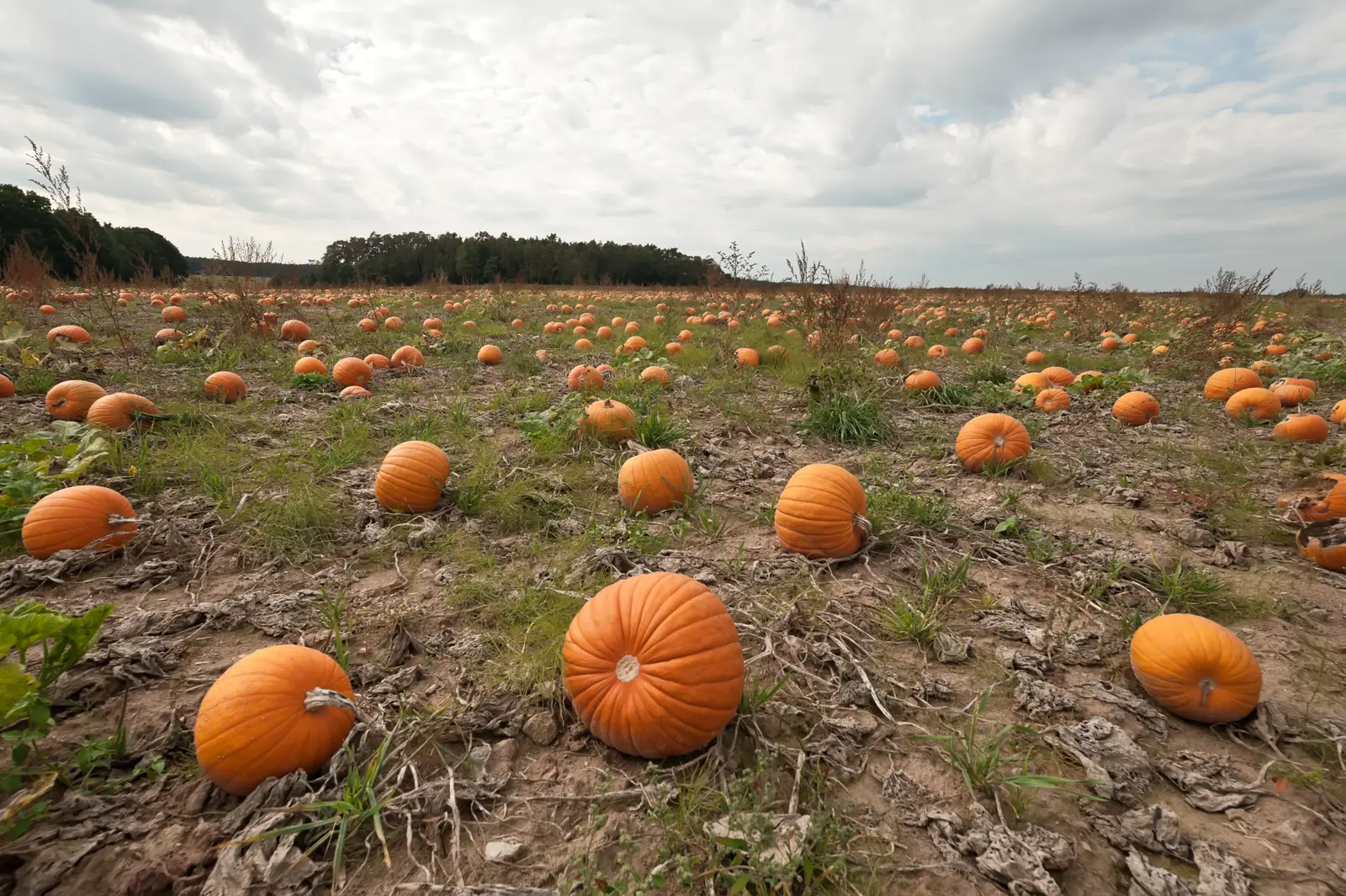
Pumpkins require a lot of sunlight to fully mature and develop their color, and if the plant is shaded for an extended period of time or doesn’t get enough sunlight, the pumpkin may stay green. For the pumpkins to turn orange, they continue to need warmth and sunshine throughout the final stage of development.
Sun is needed to turn the pumpkin orange, and green parts specifically need to be turned to face the sun to encourage the color change. Gardeners who plant pumpkins in partially shaded spots, perhaps under the canopy of nearby corn or tall trellises, often find themselves with a persistently green harvest.
Genetics Play a Bigger Role Than Most People Realize
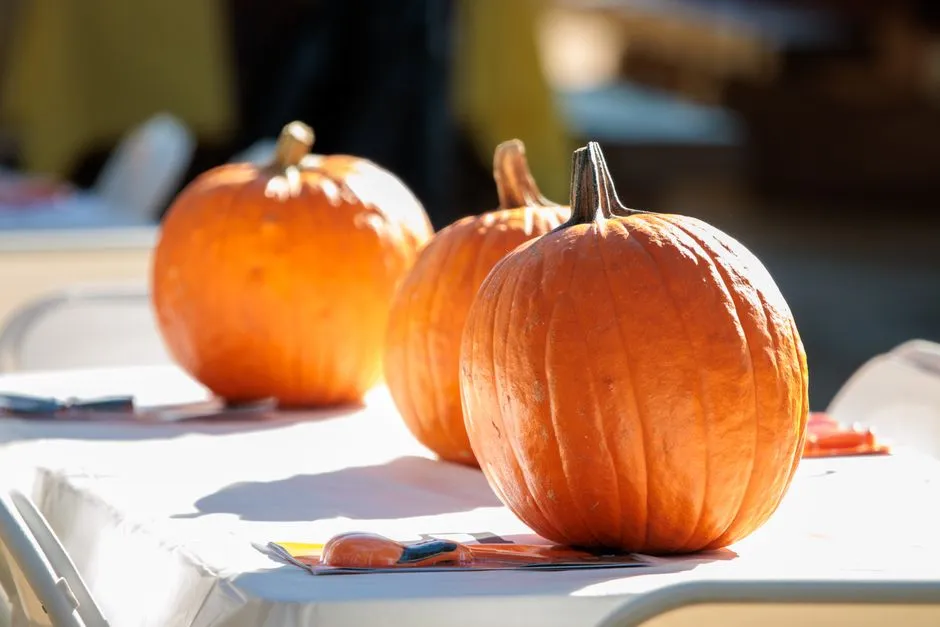
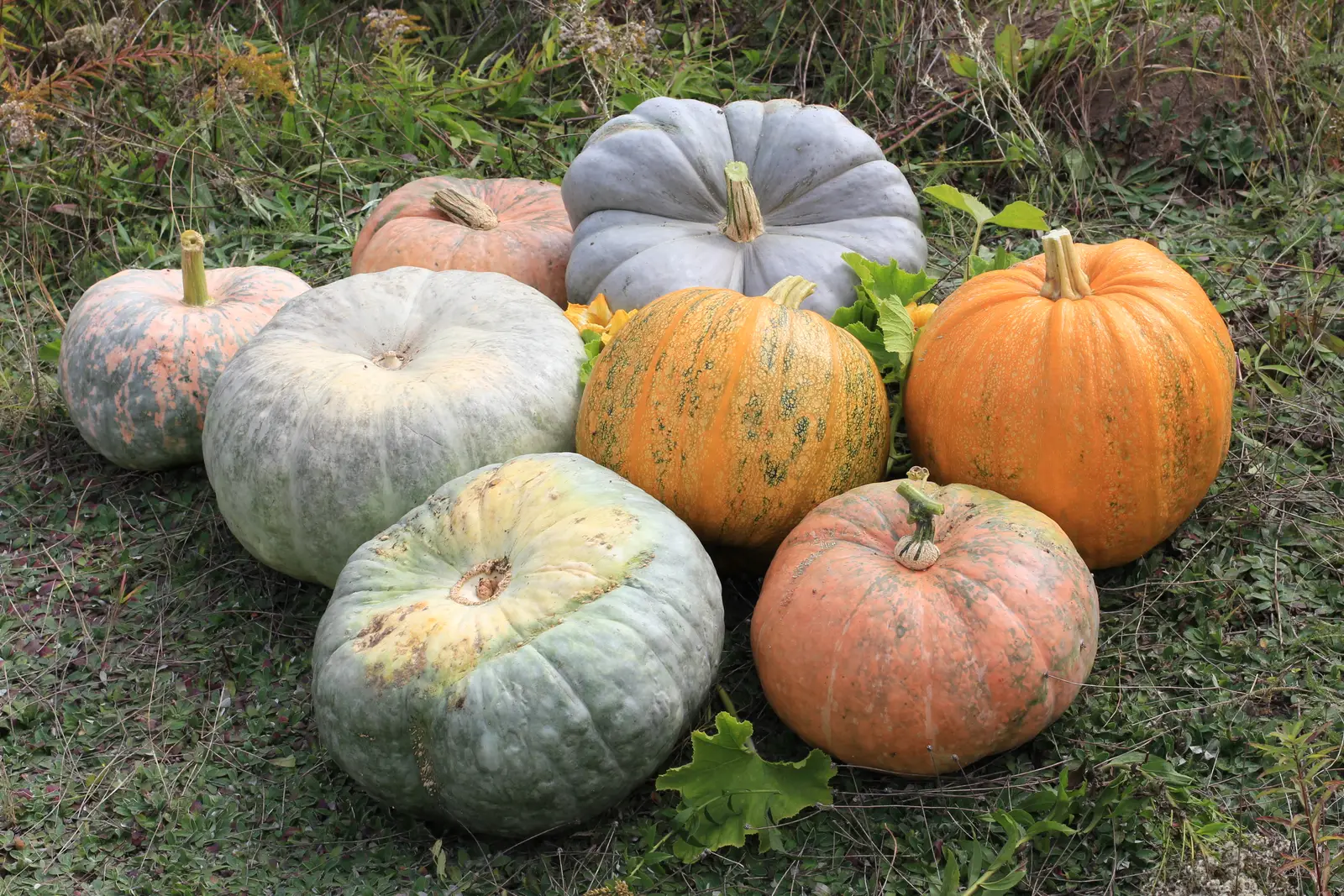
The genetic makeup is what ultimately determines the color of pumpkins, which are the result of both natural and man-made cases of cross-breeding and hybridization, producing green, orange, blue-gray, and yellow pumpkins, sometimes with speckled or mottled stripes and other patterns.
Some green pumpkin varieties have a mutation in their genes that affects the production of chlorophyll, and this is the reason certain types of pumpkins do not change color throughout their growth from sprouts to fully ripe fruits. These are not unripe fruits that failed. They simply followed their genetic instructions perfectly.
Some pumpkin varieties retain higher levels of chlorophyll, resulting in green-tinged or even entirely green pumpkins, and this is especially common in immature pumpkins, but specific varieties are bred to maintain their green coloration even when fully ripe.
Naturally Green Varieties That Will Never Turn Orange
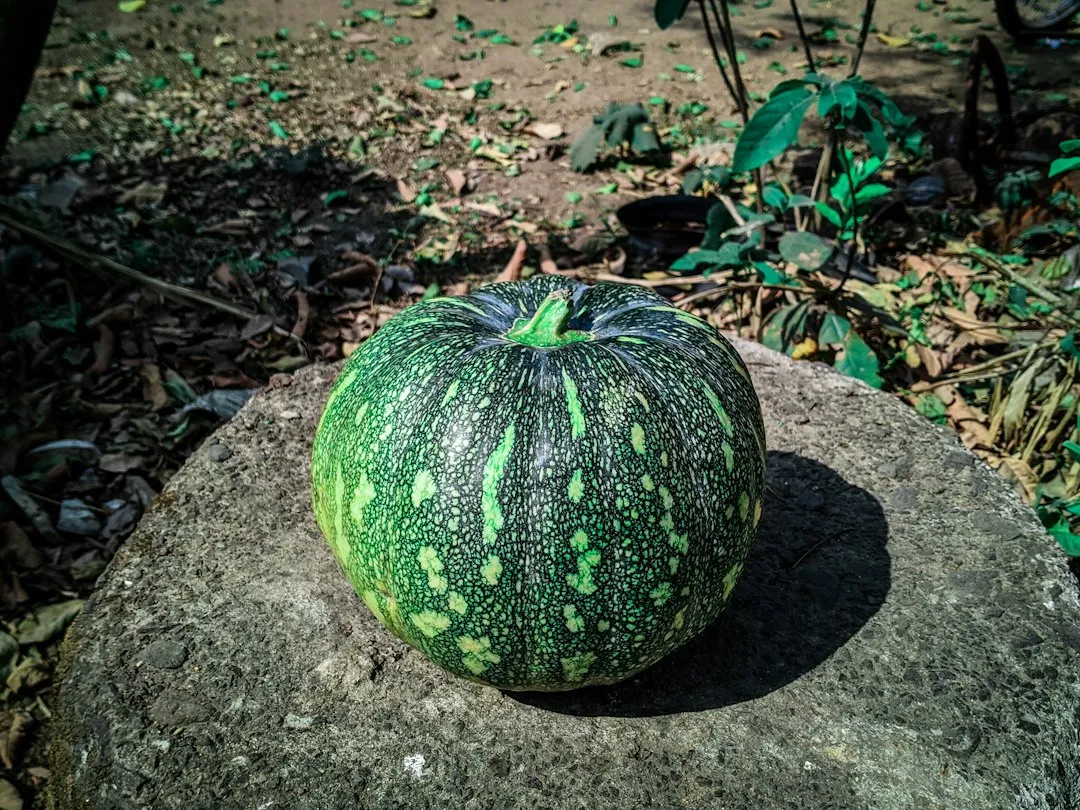
While most people picture pumpkins as bright orange, green pumpkins have existed just as long, and some, like the Japanese Kabocha or the Italian Marina di Chioggia, remain green even when fully mature, having been cultivated for centuries and prized for their rich flavors and unique textures.
Chilly temperatures might hinder the ripening process, making it challenging for the pumpkin to change color, and some pumpkin cultivars, including the Green-Striped Cushaw and the Green Jarr, are naturally green. Planting one of these varieties without knowing it and then waiting anxiously for orange to arrive is a genuinely common mistake.
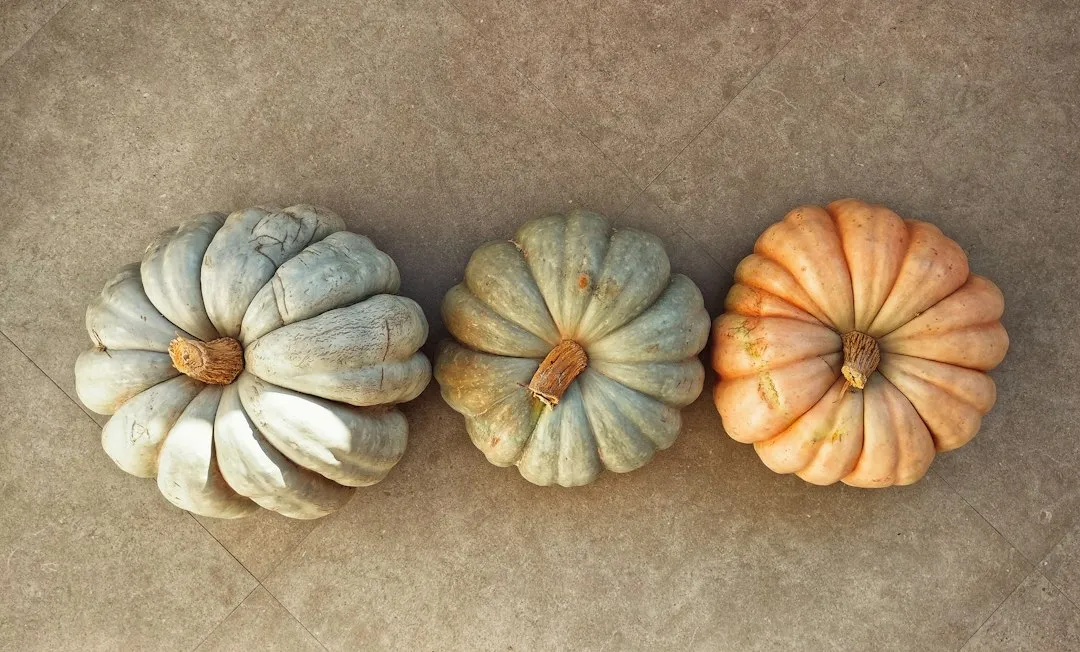
Not all pumpkins are orange; pumpkin varieties grow in white, green, blue, yellow, pink, and striped shades. Checking the seed packet before you plant saves a lot of late-season confusion.
White Pumpkins and the Genetics of Missing Orange
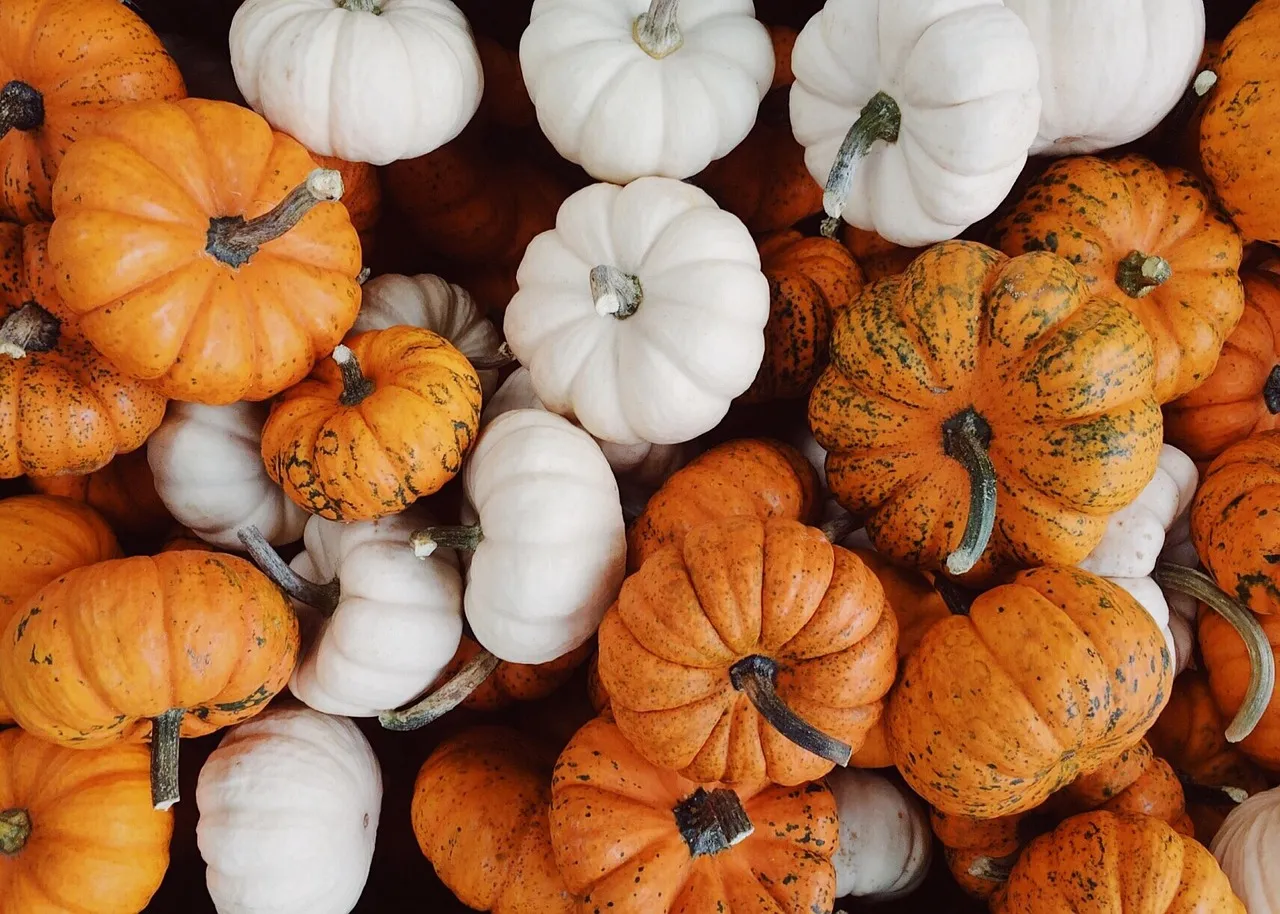
The vibrant orange color of a traditional pumpkin is due to the presence of pigments called carotenoids, which are also responsible for the color of carrots and sweet potatoes, and in white pumpkins the genes that govern the production and accumulation of these color compounds are suppressed or non-functional.
The white skin is a result of a recessive genetic trait that blocks the metabolic pathway for carotenoid synthesis in the fruit’s rind. Starting in the 1980s and 1990s, commercial seed companies and plant scientists began isolating seeds from naturally paler specimens, and by repeatedly selecting and cross-pollinating the whitest examples over multiple generations, breeders were able to stabilize the specific genes responsible for the lack of color, leading to reliable white varieties such as the ‘Lumina’ variety.
Soil Nutrition and Nutrient Imbalances
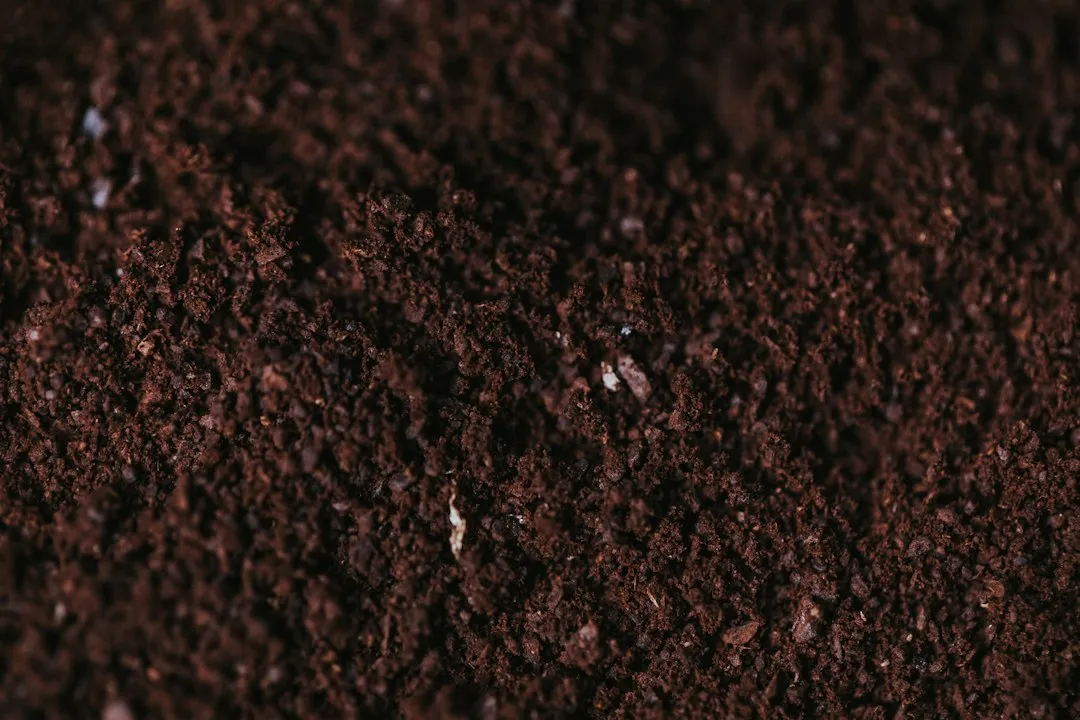
Extreme temperatures or insufficient sunlight can hinder the production of carotenoids, leading to paler or less intense colors, and soil conditions, particularly nutrient availability, also play a role, as proper soil nutrition ensures that the plant has the resources necessary to produce the pigments responsible for the desired color.
Green pumpkins thrive in well-drained, nutrient-rich soil with a pH between 6.0 and 6.8. A soil that’s too acidic or too depleted of key minerals can disrupt the biochemical pathways that produce carotenoids, effectively locking a pumpkin’s skin in an earlier, greener stage. Getting a soil test before planting is one of the simplest ways to prevent color problems before they start.
Powdery Mildew and Vine Disease
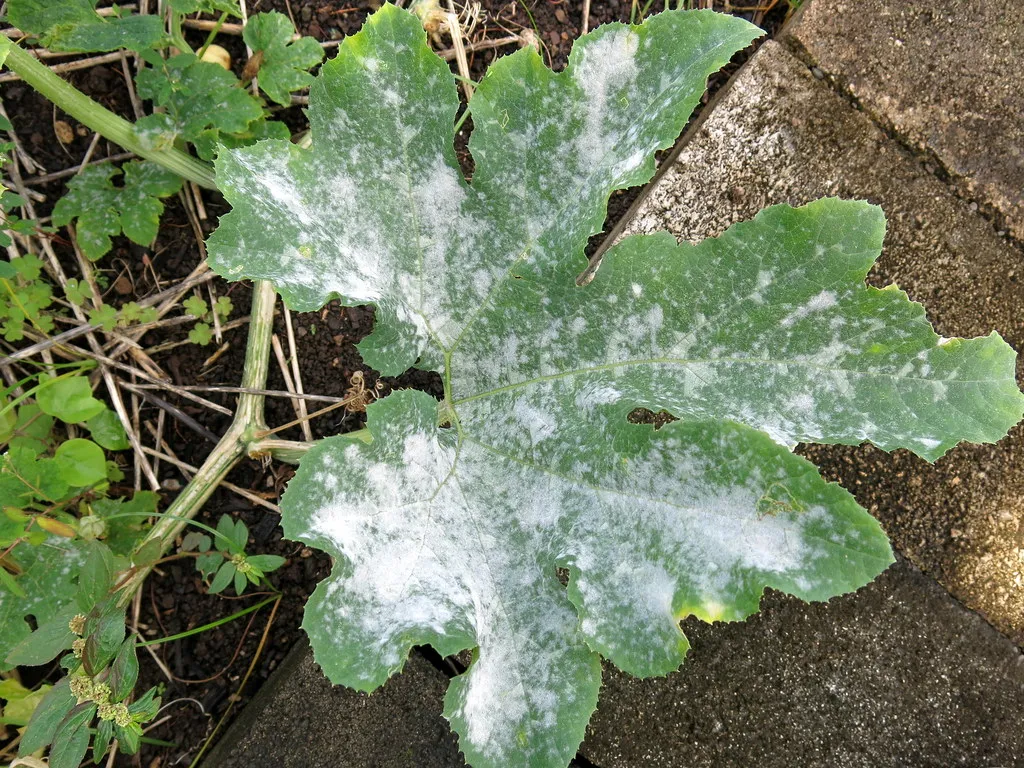
If the weather is glorious and green pumpkins are showing no sign of turning orange, there is a chance they may have some sort of infection or powdery mildew, and pumpkin leaves and vines should be inspected on a regular basis to ensure this does not happen.
An early frost, an extreme case of powdery mildew, or even accidental damage to the vine can all cut short the ripening process. When disease takes hold of the leaves and stems, the plant loses its ability to transport nutrients and sugars to the fruit. Without that steady flow, carotenoid production slows or stops entirely, and the pumpkin never completes its color change.
Timing: The Planting Date Problem
According to experts with the Michigan State University Extension, it’s best to plant seeds so that your fruits will be at least fifty percent mature at least one month before your area’s average first frost date. If pumpkin seeds are planted late for a late fall harvest, bad weather may set in before pumpkins are due for harvesting.
As summer wanes, the days become shorter and the nights get colder, and in turn the pumpkins slowly change from green to orange and the shells begin to harden. A pumpkin planted too late simply runs out of warm, sunny days before it can complete that transition. The calendar, more than anything else, is often the real culprit behind a stubbornly green patch.
What You Can Still Do After Harvest
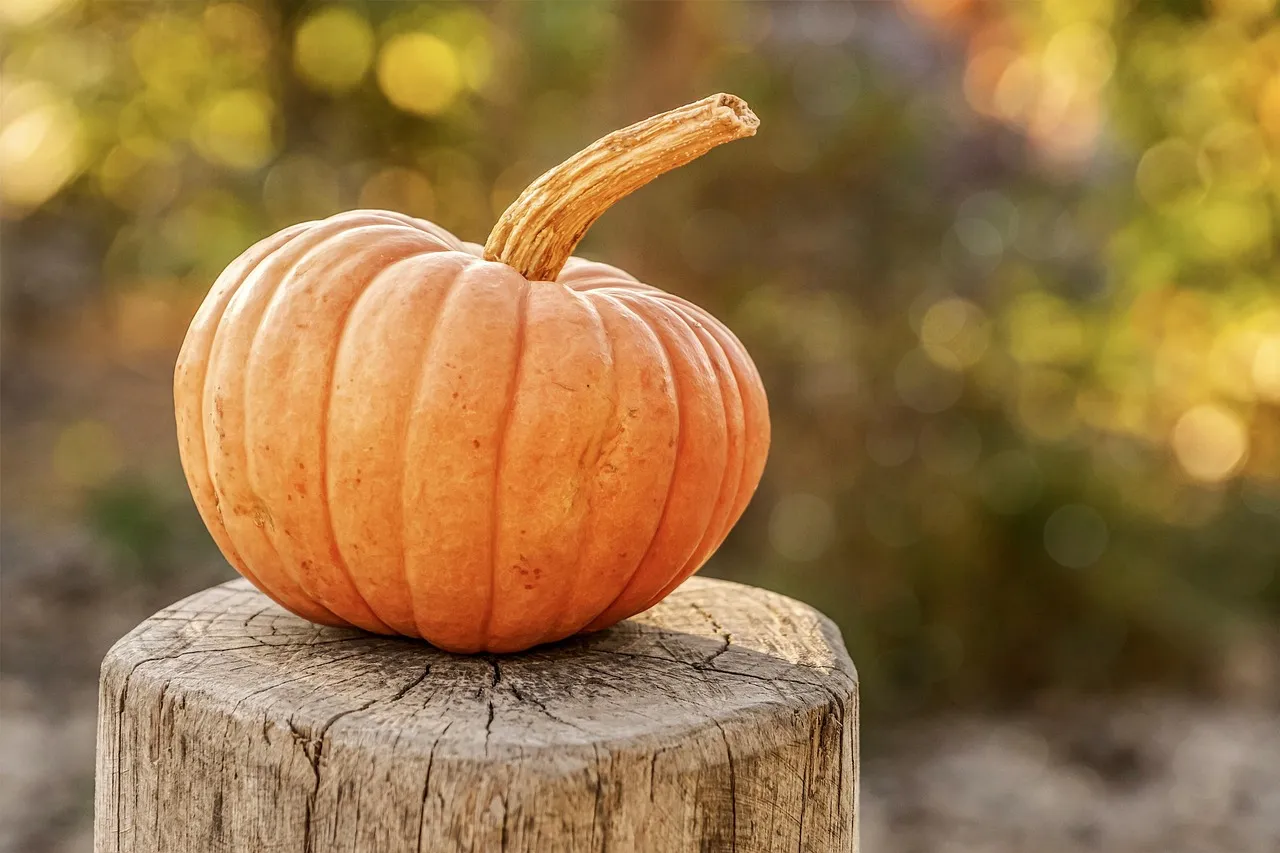
Pumpkins need sunlight and warmth to ripen and a dry place so they don’t rot or mold, and enclosed porches generally make a good place, but any warm, dry, sunny spot in your yard or house will work. Keeping the pumpkin in a warm, dry, sunny spot is essential, because sun is needed to turn it orange.
If any pumpkins are still green and a hard frost is imminent, they should be harvested while still green rather than left on the vine to ripen, as there are several ways to encourage pumpkins to mature even off the vine. If the whole pumpkin is green, rotate it so it turns orange evenly. It’s a slower process off the vine, but for a nearly mature pumpkin, it often works well enough.
The Takeaway
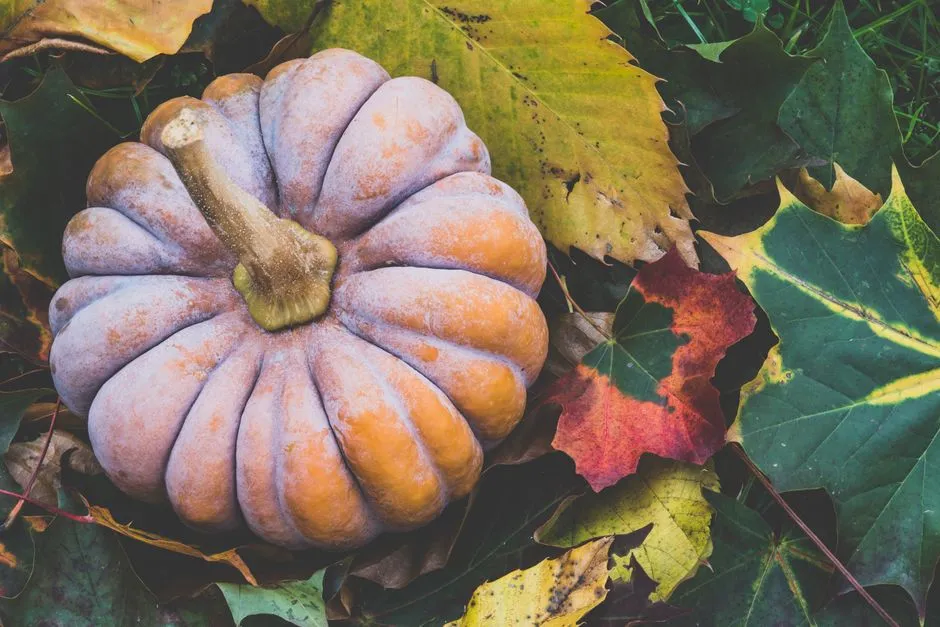
A green pumpkin isn’t always a failed pumpkin. Sometimes it’s simply a matter of bad timing, a cold snap, or a shady spot in the garden. Other times, it’s exactly what the plant was always going to be. Research confirms that the accumulation and ratio of carotenoid and chlorophyll are the key factors affecting pumpkin coloration, and those ratios are shaped by genetics, environment, and growing conditions all at once.
The best protection is preparation: know your variety, check your frost dates, test your soil, and give your plants as much direct sun as possible. A pumpkin that turns orange on its own terms, right there on the vine, is still one of the more satisfying things a garden can produce.
AI Disclaimer: This article was created with the assistance of AI tools and reviewed by a human editor.