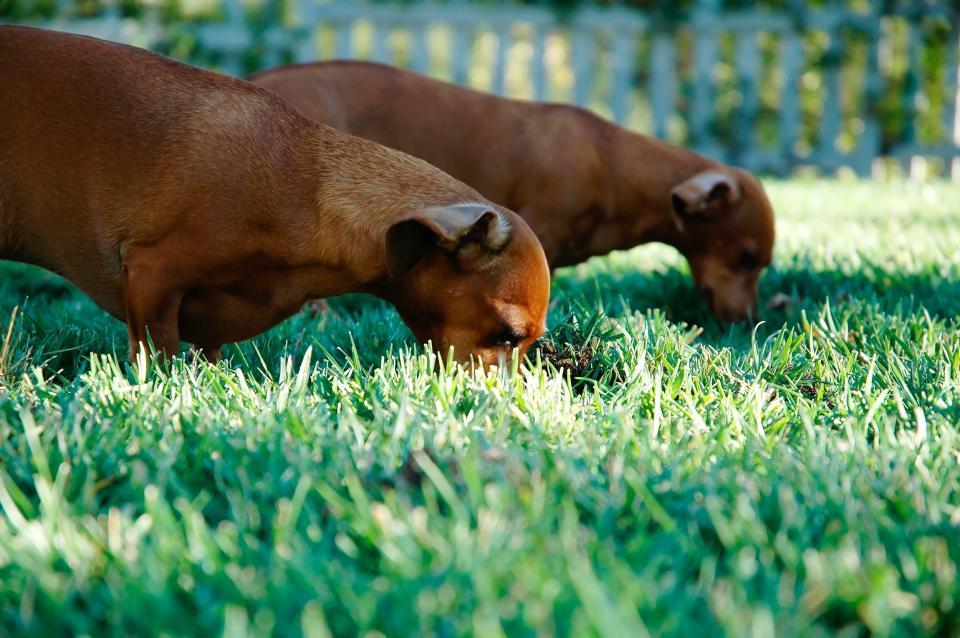

Most dog owners have stood in the backyard watching their pet methodically chew through a patch of lawn, wondering what on earth is going on. It’s one of those behaviors that feels strange enough to worry about, yet common enough that it almost seems normal. The truth is, it mostly is normal – but the full picture is more layered than that simple reassurance.
Veterinary researchers have spent years studying this habit, and what they’ve found contradicts a lot of popular belief. The vomiting-to-feel-better theory, the nutritional deficiency assumption – both hold up much less well under scrutiny than most people expect. Here’s what the actual evidence says.
It’s More Common Than You Might Think

Research shows that up to roughly four out of five dogs eat grass occasionally. That alone should shift how we think about the behavior. A follow-up internet survey of more than 1,500 owners found that about two thirds of dogs grazed daily or weekly, and grass was by far the plant they ate most.
Veterinarians will tell you they answer this question all day, every day – which tells you just how many dogs actually do it. Grass eating has been observed in wild dogs too, and most veterinarians consider it a normal dog behavior. Once you accept how widespread it is, the behavior starts to look less like a warning sign and more like a trait dogs simply carry.
The Vomiting Theory Doesn’t Hold Up

The most enduring explanation is that dogs eat grass specifically to make themselves vomit. It’s the first thing most people say when asked. The 2008 UC Davis study found that only about 9 percent of dogs seemed sick before grazing, and only around 22 percent regularly vomited after. Those numbers simply don’t support the self-medication story.
There’s a real chicken-and-egg dilemma here: does a dog eat grass to vomit and soothe an ailing stomach, or does a dog develop a stomachache and vomit because he ate grass? Studies show that fewer than 25% of dogs vomit after eating grass, making it unlikely they turn to it as a form of self-medication. A 2021 study by researchers at NC State also confirmed that vomiting with grass ingestion in dogs was incidental.
Evolutionary Roots – the Wild Canid Connection

Some scientists speculate that eating grass is an instinctive behavior inherited from wild canid ancestors. Research on wolves shows that plant material can make up a measurable portion of their stomach contents, and wild canids including foxes, jackals, and coyotes have also been observed eating grass.
Research published in Veterinary Medicine International analyzed scat samples from wild wolves across multiple ecosystems and found plant material, including grass, in 11 to 74 percent of samples depending on region and season – and this was consistent and recurrent, not incidental. One suggested explanation is that grass helped wild canids clear intestinal parasites, with fibrous strands increasing intestinal contractions and wrapping around worms to carry them out in droppings. Modern dogs may simply have held on to that ancestral inclination.
A Fiber and Digestive Explanation

Dogs need roughage, or fiber, in their diets, and grass is a reasonable source of it. A lack of fiber affects a dog’s ability to digest food and pass stool, so grass may help their bodily functions run more smoothly. This is one of the more plausible day-to-day explanations, particularly for dogs whose commercial diet may be lower in fiber than ideal.
In one documented case, an 11-year-old Miniature Poodle had a seven-year history of eating plants and grass followed by vomiting. The problem resolved after the dog was placed on a high-fiber commercial diet, offering evidence that the dog had been supplementing a dietary fiber deficiency. Once provided adequate fiber, the grass-eating behavior stopped entirely. It’s a striking example, though it represents the exception rather than the rule for most grass-eating dogs.
Boredom, Curiosity, and Attention-Seeking

Dogs who lack activity or stimulation in their everyday lives may munch on grass simply to pass the time. It’s easy to underestimate how much of a dog’s behavior is driven not by physical need but by the absence of anything more engaging to do. Dogs often eat grass out of boredom or to seek attention.
Dogs can also be curious creatures, especially younger ones, and may eat grass simply out of curiosity. Some dogs have learned they get extra attention when they eat grass because their owner tries to intervene and stop them. That feedback loop can quietly reinforce the habit over time without the dog having any medical reason for doing it at all.
They Might Actually Enjoy the Taste

This explanation tends to surprise people, but it might be one of the simplest. Once illness and diet are set aside, the explanation that remains is appetite. According to Carlo Siracusa, professor of clinical small animal behavior and welfare at the University of Pennsylvania, most dogs eat grass because it is a food they enjoy.
Dogs tend to go for moist, long-stemmed grass – the tender kind that comes up early in the morning. They are choosing what tastes good to them. One study from 2007 also found that dogs were more likely to eat grass before their usual meal, suggesting hunger may play a role. Sometimes the answer really is that uncomplicated.
The Real Risks: Chemicals and Lawn Treatments

The grass itself is rarely the problem. What’s on it is. One of the chief concerns is the possibility of pesticides, herbicides, or fertilizers contaminating the grass a dog chews. These chemicals, often invisible to the eye, can poison dogs, causing symptoms ranging from digestive upset to severe toxicity.
Lawn chemicals, animal feces, parasites, toxic plants, mushrooms, sharp grass awns, and large amounts of swallowed plant material can all turn casual grazing into a health concern. Recently treated lawns may expose dogs to fertilizers, herbicides, or pesticides if they swallow the product, lick residue from their paws or fur, or enter the area before it is safe. Fertilizer blends that also contain herbicides or insecticides present additional hazards, as chemicals designed to kill weeds or insects can cause neurologic symptoms and tremors depending on the active ingredients and dose.
Grass Awns: An Underappreciated Danger
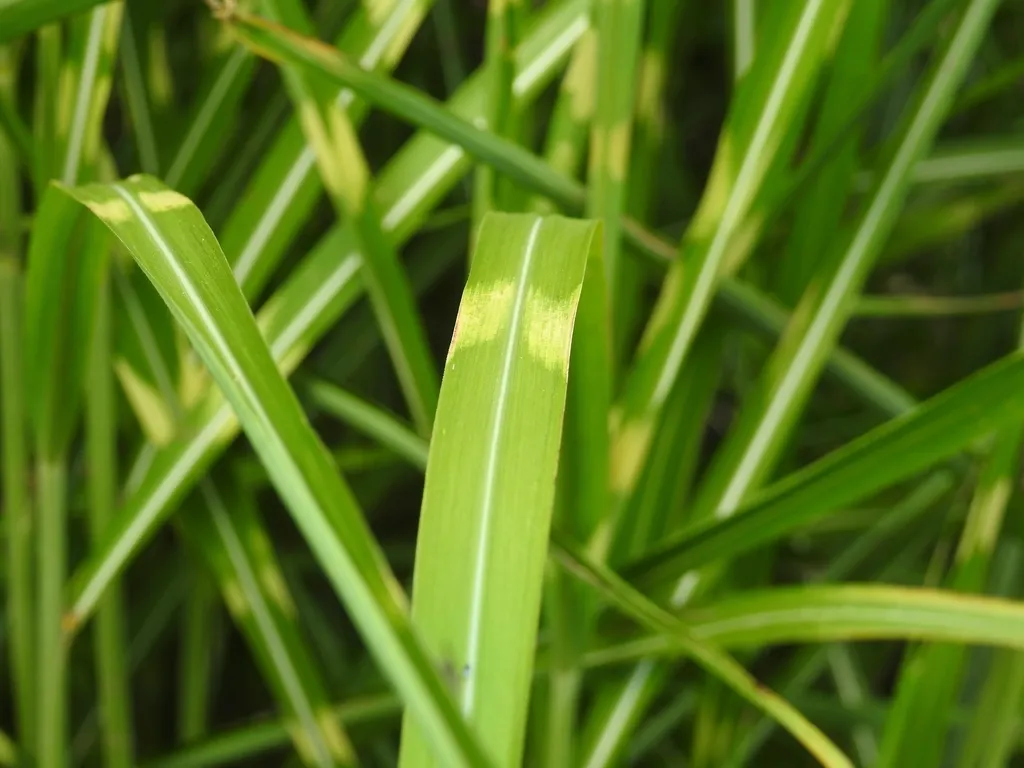
In some cases, long grass swallowed whole can rarely cause a blockage. Grass awns from certain grass species can lodge in paws, ears, or skin and cause infection. This is a hazard many owners don’t think about because it has nothing to do with the grass being toxic in the traditional sense. According to the Pet Poison Helpline, grass awns have also been found to puncture the inside of dog ears.
Trupanion data shows that over 1,300 foxtail grass seed foreign body-related claims were paid out in 2024, with an average of $211 paid per claim. If surgery is required for removal, the cost can reach $1,000 to $3,000 or more, and the highest amount paid for a grass seed claim in 2024 was $8,375 for a single pet. It’s a sharp reminder that what looks like harmless grazing can occasionally carry real financial and physical consequences.
When Vets Say It’s Actually a Problem

A dog eating grass frantically – consuming large quantities rapidly with obvious urgency – often signals gastrointestinal distress. This compulsive behavior differs markedly from leisurely nibbling and suggests the animal is attempting to relieve nausea or discomfort. When accompanied by repeated vomiting, the pattern indicates digestive system problems that need professional diagnosis.
Gastrointestinal conditions frequently manifest through increased grass consumption. Acid reflux, inflammatory bowel disease, gastritis, and pancreatitis all cause nausea that dogs may try to alleviate through grass-induced vomiting. A dog who never grazed and suddenly can’t stop may be experiencing nausea or an underlying issue. Per a UC Davis School of Veterinary Medicine report, pica can occasionally stem from medical conditions, so a vet check makes sense when grazing becomes excessive or compulsive. For persistent or obsessive cases, veterinarians often recommend a comprehensive evaluation including blood tests and diagnostic imaging.
Clear Warning Signs That Warrant a Vet Visit

Contact a vet if your dog is eating grass obsessively or in very large quantities, if grass eating is always followed by vomiting particularly when happening daily, if your dog seems unwell before eating grass with signs of abdominal discomfort or bloating, if you suspect the grass has been treated with pesticides or herbicides, or if you notice swelling, discharge, or persistent licking at a paw or ear after time in long grass.
If your dog has eaten treated grass, watch for excessive drooling, vomiting or diarrhea, difficulty breathing, tremors or seizures, and extreme fatigue. These signs require emergency veterinary care without delay. The Merck Veterinary Manual recommends veterinary examination when vomiting is frequent or occurs alongside warning signs such as blood, abdominal pain, dehydration, weakness, fever, or weight loss.
The Takeaway
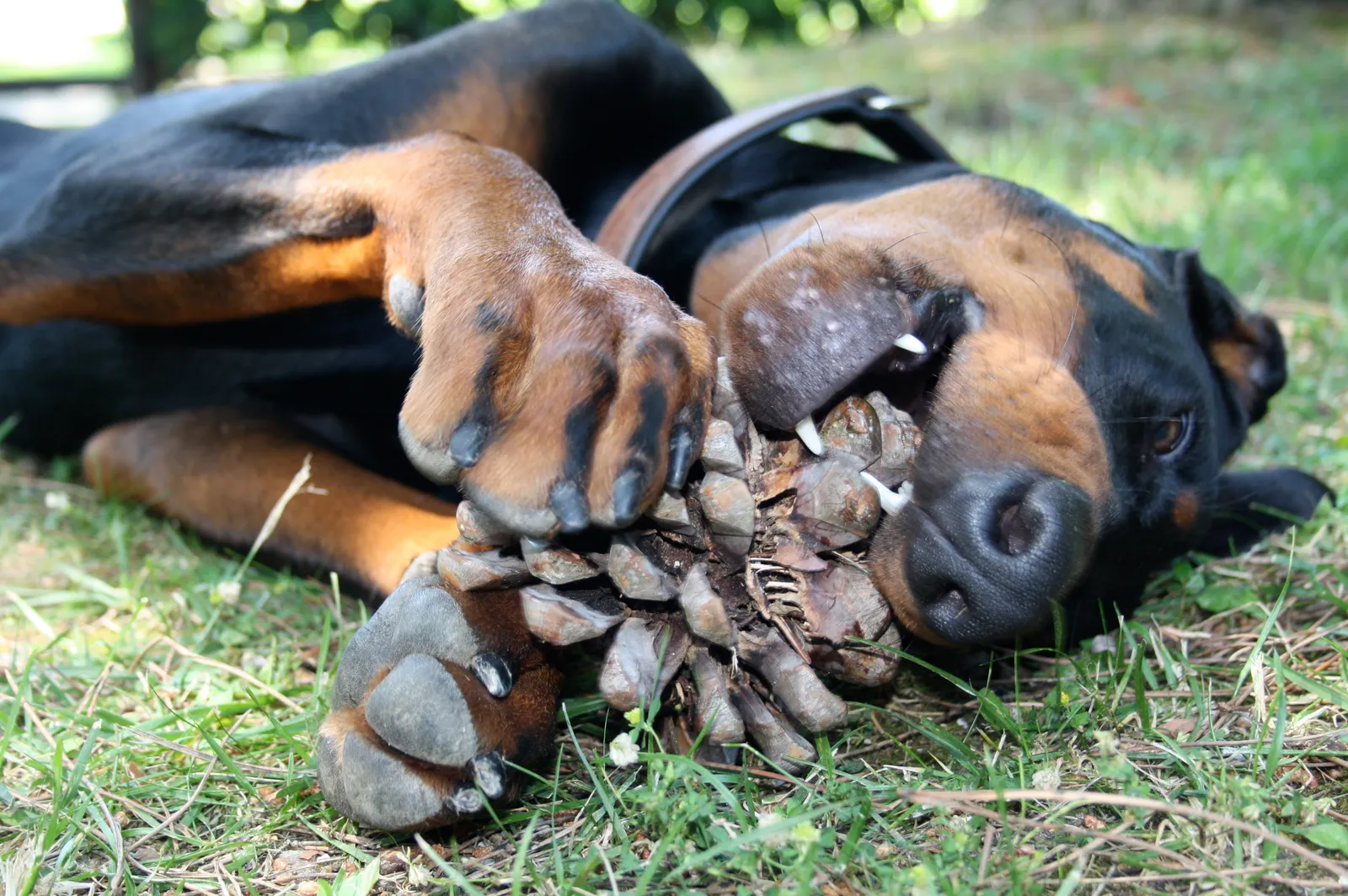
Some dogs eat grass daily and remain completely healthy. If your dog eats grass regularly with no vomiting, no signs of distress, and no change in behavior or weight, daily grass eating is likely harmless. If it is a new or sudden behavior, or if it is paired with other symptoms, a vet visit is a sensible step.
The behavior itself is ancient, deeply ingrained, and usually nothing to lose sleep over. What matters most is knowing your individual dog well enough to notice when something shifts. Casual grazing on a clean, untreated lawn is one thing. Frantic, compulsive eating followed by repeated vomiting is another story entirely. The difference between those two pictures is really where the conversation with a vet needs to begin.
AI Disclaimer: This article was created with the assistance of AI tools and reviewed by a human editor.