
The Hormone That Controls When You Sleep
At the center of this story is melatonin, a hormone produced by the pineal gland that signals to the body it’s time to wind down and prepare for sleep. Blue light, typically in the 460 to 480 nanometer range, activates specialized cells in the retina that signal the brain’s master circadian clock to inhibit melatonin secretion. As melatonin normally rises in the evening to facilitate sleep, its suppression by blue light delays the circadian phase and increases the time it takes to fall asleep. The chain reaction is surprisingly simple, and yet most people never notice it happening.
Ordinary Room Light Is the Real Culprit
A controlled study found that exposure to typical room lighting of approximately 200 lux before bedtime suppresses melatonin onset by 90 minutes and shortens the total duration of melatonin production. Even this relatively modest light exposure, equivalent to a well-lit living room or bedroom, significantly disrupts the natural rise in melatonin that prepares the body for sleep.
The critical and commonly overlooked detail is that it is not just screens that produce this effect. Room lighting, particularly modern cool-white LED bulbs, produces melatonin suppression that often exceeds the contribution from device screens. That is a distinction that most popular sleep advice has been slow to catch up with.
Not All Lightbulbs Are Equal
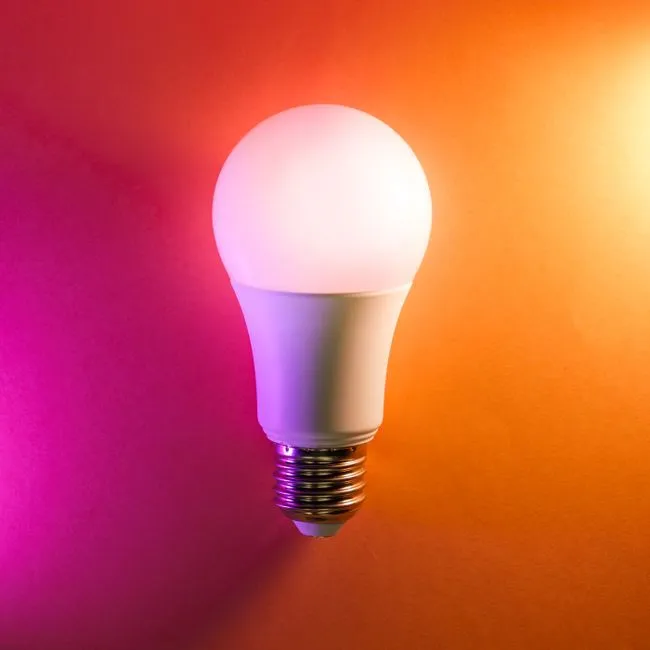
Research on tunable LED lamps demonstrated a profound ability to reduce circadian disruption, with estimated melatonin suppression dropping from roughly ten percent at a cool white 5700 K setting to just 0.1 percent at a warm white 2100 K setting. The color temperature of your bulb, in other words, matters enormously.
A 2026 Scientific Reports study found that cool white LED lamps and cool white CFL lamps induced considerably greater melatonin suppression than warm white LED, warm white CFL, or traditional incandescent lamps. These results suggest that cool white CFL and LED lamps may exert a greater disruptive influence on sleep physiology than other lamp types, while tunable lamps adjusted to warm settings represent a beneficial strategy for reducing this effect.
How the Circadian Clock Gets Pushed Back
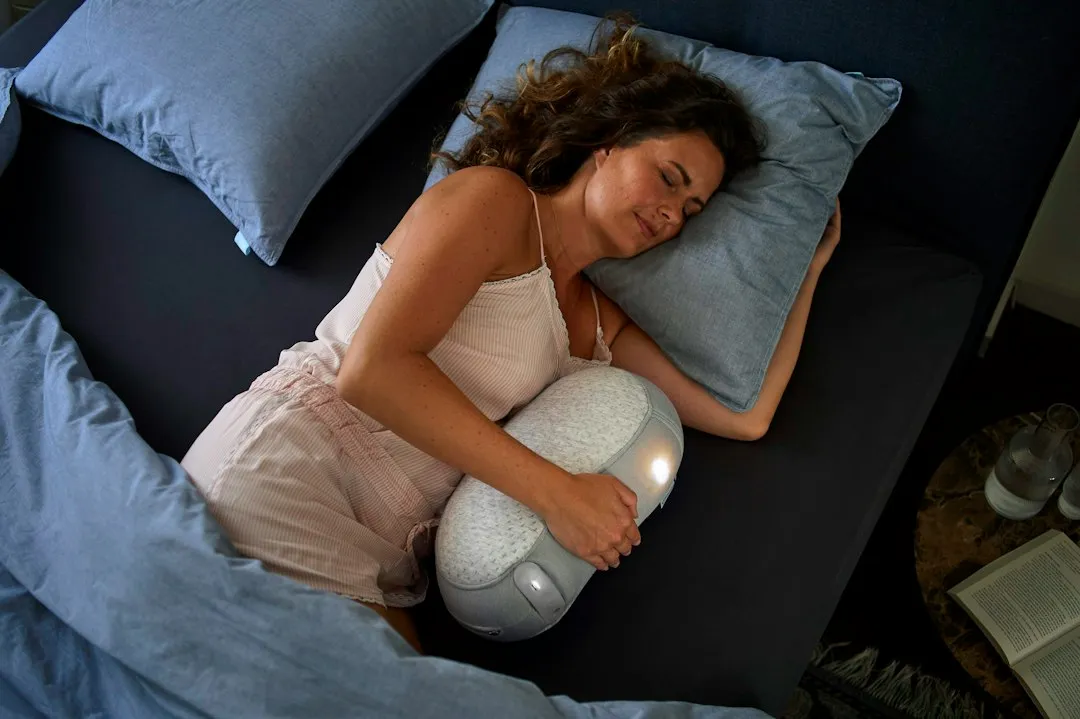
Experimental studies show that even short periods of evening tablet or smartphone use significantly reduce melatonin and shift its onset, resulting in later bedtimes and shorter sleep duration. Blue light after dusk exerts a potent alerting effect, reinforcing wakefulness and circadian misalignment, and chronic exposure may cumulatively contribute to insufficient and irregular sleep with adverse consequences for cognition, mood, and metabolic health.
Data from a study on university students showed that just two hours of evening light exposure caused an average circadian phase delay of over one hour. This is where the headline figure comes from, and it is not fringe science.
The Afternoon Light Problem Few People Know About
A counterbalanced crossover study with 22 adolescents investigated whether afternoon to early evening bright light exposure would increase melatonin levels during later evening light exposure. Contrary to initial expectations, evening melatonin levels actually decreased after bright afternoon and early evening light exposure.
These findings suggest that bright afternoon and early evening light increases alertness but may also delay melatonin production by interfering with circadian rhythms. It suggests the problem begins earlier in the day than most people assume, well before the bedtime routine begins.
Children Are More Vulnerable Than Adults
Children’s circadian systems are more sensitive to evening light than those of adults, partly due to developmental changes in eye anatomy. School-aged children have larger pupils than adults under both dim and bright light conditions, as well as higher lens transmittance, which translates to significantly greater non-visual photoreception and light-induced melatonin suppression.
Studies show that melatonin suppression in children is greater than that in adults under the same lighting conditions, and cool white light at 6200 K results in greater suppression than warmer 3000 K light in children specifically. Light with a low color temperature is therefore recommended at night, particularly for children’s sleep and circadian rhythm.
What the Screen Debate Gets Wrong
The conversation around blue light and sleep has been dominated by phones and tablets for years. The picture, though, is more nuanced. Research published in the journal Sleep Medicine Reviews, which reviewed studies conducted over the past decade, suggests that blue light from screens may not actually be the main factor responsible for sleep disturbances. The real issue may lie in engaging in stimulating activities before bed or excessive light exposure in general, rather than simply the blue spectrum from screens.
According to this research, blue light from screens is likely not as harmful as commonly thought, with delays averaging no more than around ten minutes. Room lighting and behavioral arousal from stimulating content appear to carry more weight than the screen itself. That reframing is worth sitting with.
The Social and Sleep-Loss Pattern
People in the modern era are experiencing a continuous decrease in sleep duration each year. Based on a health survey conducted by the Japan Broadcasting Corporation, both adults and children now sleep nearly one hour less compared to the 1960s.
In the past 50 years, there has been a decline in average sleep duration and quality with adverse consequences on general health. A representative survey of 1,508 American adults revealed that nine out of ten Americans used some type of electronics at least a few nights per week within one hour before bedtime. The scale of the habit makes the cumulative cost hard to ignore.
What Daytime Light Habits Have to Do With It
Daytime indoor light intensities are commonly much lower compared to outdoor light exposures, while evening light exposures from artificial light sources and light-emitting screens are relatively high and can delay the circadian system and acutely suppress melatonin levels and subjective sleepiness.
Low daytime light levels sustained for three to seven days result in larger light-induced melatonin suppression during the night compared to higher daytime light levels. Spending most of the day in dim office lighting, then coming home to bright LEDs in the evening, may be one of the more underappreciated patterns driving chronic sleep disruption.
Practical Steps That the Research Actually Supports
Evening residential illumination possesses the capacity to impair sleep quality via the suppression of endogenous melatonin production, a process largely driven by short-wavelength blue light. Switching to warm-toned bulbs rated below 3000 K in rooms used during the final hours before bed is a low-effort starting point supported by evidence.
Practical alternatives include candlelight or salt lamps that provide very low light levels with minimal melatonin impact, avoiding overhead lighting in favor of table lamps or floor lamps, and using indirect lighting to reduce overall light exposure in the evening. Wearing blue light blocking glasses before bedtime may also advance the sleep phase and improve daytime behavior, though further mechanistic investigation is warranted.
The Takeaway
The sleep delay that most people chalk up to stress, caffeine, or screen time may have a quieter and more correctable cause sitting overhead in every room. The research is clear that ordinary indoor lighting, particularly the cool-white LEDs now common in modern homes, can suppress melatonin and push back sleep onset by a meaningful amount.
Small adjustments, like switching bulb types, dimming lights after 8 p.m., or simply getting more natural light during the day, are not dramatic life overhauls. They are low-friction changes with solid biological reasoning behind them. Sometimes the fix really is that simple, even if it takes a decade of research to see it clearly.
AI Disclaimer: This article was created with the assistance of AI tools and reviewed by a human editor.