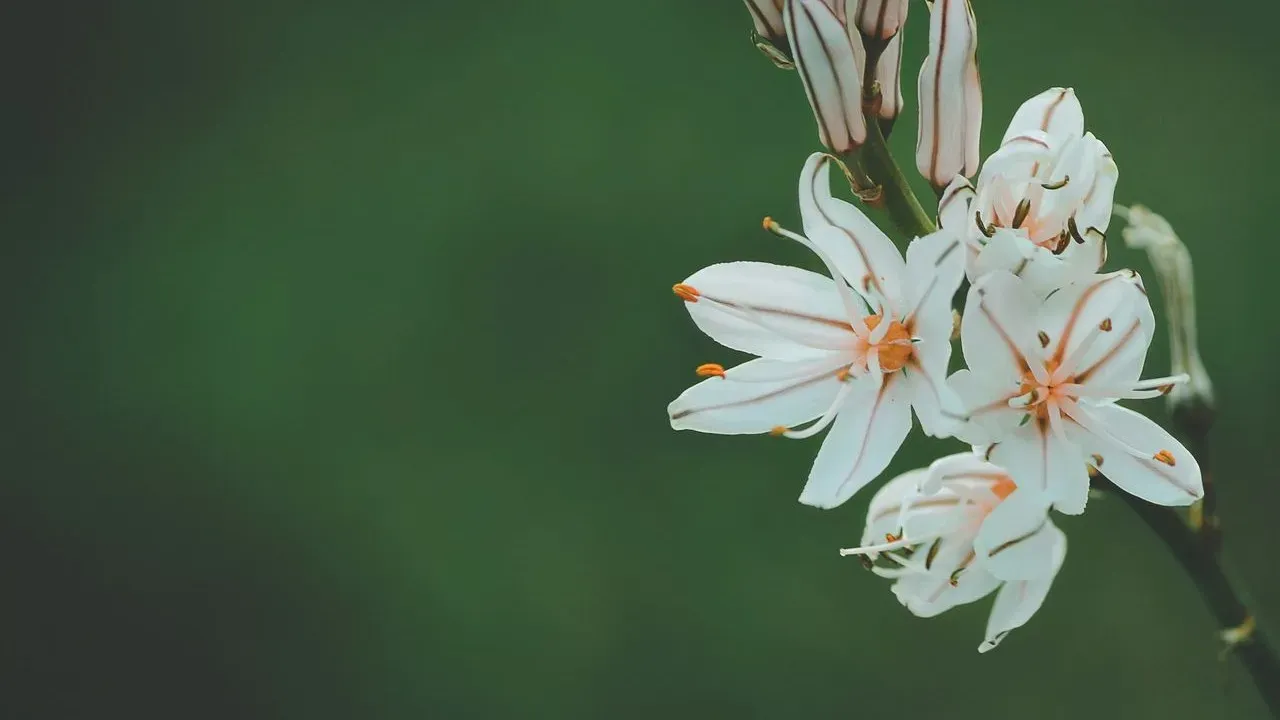

Many gardeners pause when a rose opens or spring bulbs reach their peak, instinctively lifting a phone to capture the moment. The image that results, however, often fails to match the living color and detail visible in the garden. A handful of practical shifts in timing, position and attention to surroundings can close that gap without any new equipment. The guidance draws from established techniques shared by experienced garden photographers.
Choosing the Right Moment for Light
Bright midday sun tends to create harsh contrasts that wash out pale petals and bury fine textures in shadow. Early morning or late afternoon light softens those extremes and reveals the natural curves and surfaces of each bloom. Overcast skies offer another reliable option, spreading illumination evenly across the subject much like a large diffuser. Dew left from the night before can add extra sparkle to petals and leaves during those cooler hours. Waiting for calmer air when a breeze picks up also prevents motion blur that ruins otherwise promising shots. Photographers who return to the same plants across several days often discover how dramatically the same flower changes under different conditions.
Lowering the Camera to Meet the Bloom
Standing upright produces the familiar view most people see every day while walking through the garden. Dropping to the flower’s own height immediately creates a more intimate and less ordinary composition. Small movements around the plant then alter both the play of light on the petals and the background that appears behind them. Trying angles from slightly below, from the side or directly overhead shows which perspective best suits the shape of each bloom. A modest change in distance can replace a cluttered backdrop with clean foliage or open space. The result feels more intentional and draws the viewer into the flower itself rather than the surrounding garden clutter.
Clearing Distractions From the Frame
Labels, fences, bins and brightly colored pots often become noticeable only after the photograph is taken. Checking the edges of the screen before pressing the shutter helps catch these intrusions early. A slight shift sideways frequently replaces them with softer greenery or shaded areas that keep attention on the subject. Smartphone portrait modes can blur busy backgrounds, yet they sometimes misread delicate stems and petal edges, leaving unnatural patches. Reviewing the result on screen right away allows quick adjustments. Taking several frames from slightly different positions increases the chance of finding one clean composition.
Moving Closer and Checking the Details
Physical proximity captures more texture than digital zoom, which simply enlarges existing pixels and reduces quality. Tapping the desired focal point on the phone screen before shooting helps ensure the important parts stay sharp. Macro settings, when available, further encourage tighter views of stamens, water droplets or petal surfaces. Capturing both an overall view of the plant and a close detail of one element provides variety later when selecting images. Enlarging a test shot on the screen before moving on confirms that the key area remains crisp rather than soft from movement. Holding the device steady and waiting for a still moment in any breeze improves consistency across multiple attempts.
Keeping Colors Natural and Planning for Print
Subtle edits to brightness, contrast and cropping usually suffice, while heavy saturation quickly makes reds and purples look artificial. Retaining the original file allows later experiments without losing the unaltered version. When a photograph seems worth printing, the highest-resolution file from the device preserves the most information for larger sizes. Standard frame dimensions may require different cropping than a phone screen, so considering the final shape early avoids awkward surprises. Consulting a chosen printer about recommended resolution for the intended size provides practical guidance before ordering. The same garden that supplies the flowers also supplies endless opportunities to refine these skills over time.
AI Disclaimer: This article was created with the assistance of AI tools and reviewed by a human editor.