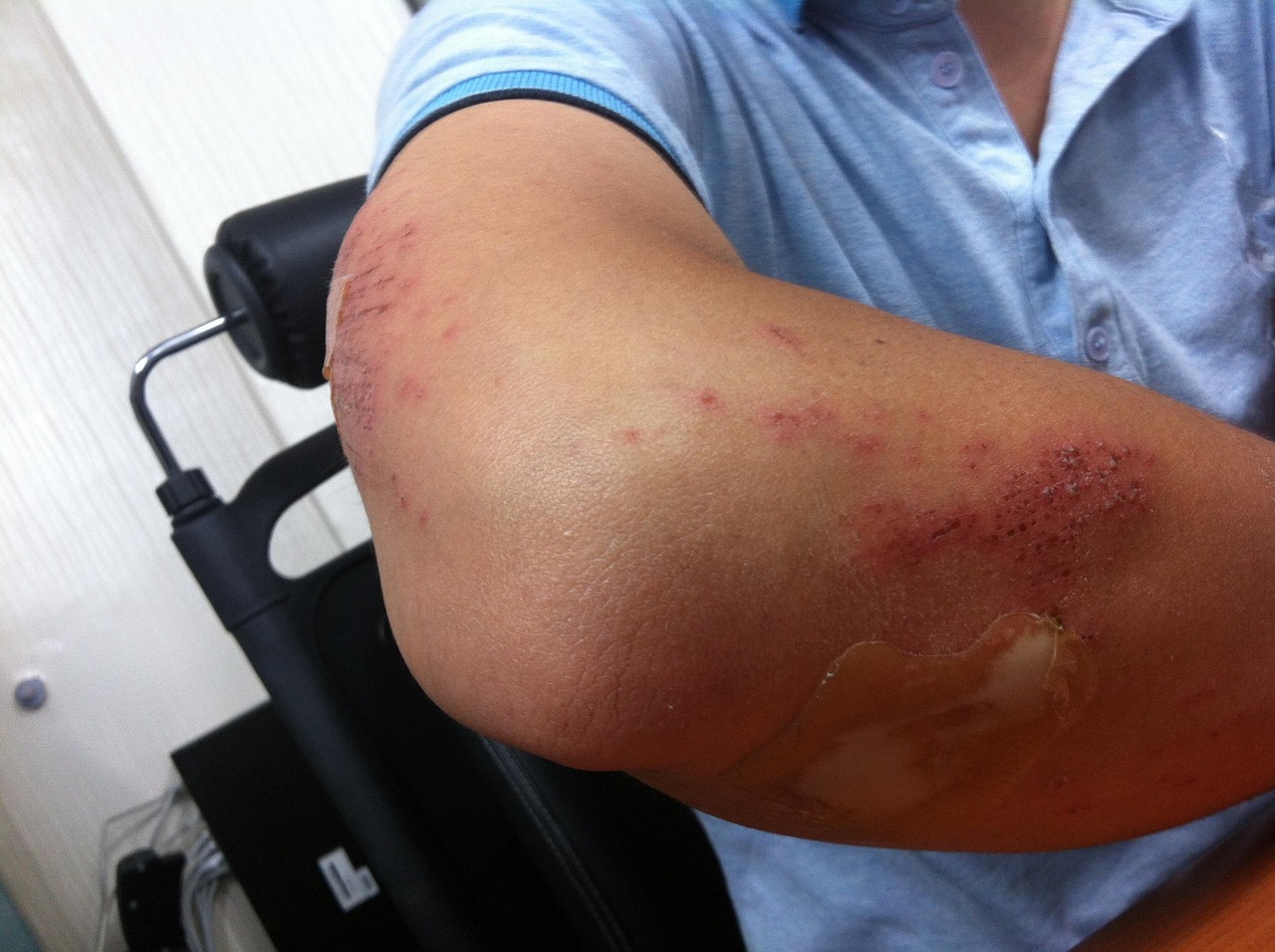

Plenty of us have looked down at an arm or leg and spotted a bruise we have absolutely no memory of getting. It happens more than most people realize, and the explanations range from completely ordinary to worth bringing up with a doctor. The difference between someone who seems to collect bruises and someone who barely gets them is rarely just luck.
There’s a specific mix of factors at play, including skin thickness, genetics, medication, diet, and the health of blood vessels beneath the surface. Understanding what drives easy bruising can take a lot of the worry out of it, and occasionally point to something worth taking seriously.
What a Bruise Actually Is

Most bruises form when small blood vessels called capillaries near the skin’s surface are broken by the impact of a blow or injury, which often happens on the arms or legs, and blood then leaks out of the vessels. A bruise is simply blood pooling under the skin after tiny blood vessels rupture, and the body treats this like any minor injury by sending clotting factors and platelets to seal the leak before gradually reabsorbing the trapped blood.
That cleanup process is what creates the familiar color changes. A fresh bruise starts pinkish-red, shifts to deep blue or purple, then fades through violet, green, and dark yellow before disappearing entirely. The full process can take days or even weeks, depending on the person’s age and overall health.
The Role of Genetics and Collagen

One reason some people bruise more easily than others is the most straightforward: some people simply have weak collagen or fragile blood vessels, and for them, it’s in their genes. About roughly four-fifths of the dermis is collagen, a structural protein that gives skin its strength and helps make it elastic so it can stretch and bounce back.
Easy bruising may also run in families, so individuals whose relatives bruise easily may notice that they do too. This kind of inherited tendency isn’t a disorder in itself, but it does explain why two people of the same age, on the same medications, can have very different experiences with bruising.
Age and Thinning Skin

One of the most common reasons people start bruising more easily is simply getting older. Over time, the connective tissue in the skin breaks down, and the layer of fat that cushions blood vessels from bumps and pressure gets thinner. The blood vessels themselves become more fragile, so even minor contact can cause them to leak blood under the skin.
These changes are especially common in older adults, where up to roughly one in five individuals over age 65 report frequent bruising episodes. The blood vessels of the dermis become more fragile with age, which leads to bruising, bleeding under the skin often called senile purpura, and cherry angiomas. It’s a natural part of aging, though that doesn’t make it any less startling when it shows up without warning.
Why Women Are More Prone Than Men

While everyone’s skin and body are unique, women may bruise more easily than men. Collagen forms a network of fibers in the skin that hold it together like a net, and that collagen supports blood vessels so they’re more protected from injury. The dense collagen layer is thicker in men, making their blood vessels less likely to break with injury.
This structural difference is one of the more consistent findings across dermatology research. It doesn’t mean women have weaker bodies overall, only that the architecture of their skin leaves capillaries slightly more exposed to everyday impact. Hormonal changes over time, particularly around menopause, can accelerate this dynamic further.
Medications That Make Bruising More Likely

Several common drug classes interfere with the blood’s ability to clot. Blood thinners like warfarin, apixaban, and rivaroxaban work by disrupting clotting proteins and are widely prescribed for heart conditions and blood clot prevention, with bruising being one of the most predictable side effects. Antiplatelet drugs like aspirin and clopidogrel make platelets less “sticky,” so they don’t clump together as quickly at an injury site, and even low-dose daily aspirin can noticeably increase bruising.
Corticosteroids are a less obvious culprit, and long-term use of steroids whether oral, inhaled, topical, or nasal reduces collagen production in the skin. Some antibiotics and antidepressants may also be associated with clotting problems. If bruising increased shortly after starting a new prescription, that connection is worth raising with a doctor.
Supplements That Few People Suspect

Some over-the-counter supplements such as ginkgo and fish oil can interfere with platelet functioning, which increases sensitivity to bruises. Many people assume that because something is sold without a prescription it’s completely neutral, but several popular supplements have measurable effects on how blood behaves.
Antidepressants, antibiotics, vitamin E, ginkgo biloba, and fish oil may all increase the chances of bruising. This is particularly relevant for older adults who take multiple supplements alongside prescribed medications, since the combined effect on clotting can be significant. Telling a doctor about every supplement taken, not just prescription drugs, is more important than most people realize.
Vitamin Deficiencies and Vascular Fragility

Deficiencies that may cause random bruising include vitamin C deficiency and vitamin K deficiency. Vitamin C is essential for the synthesis and stabilization of the collagen triple helix, and insufficient vitamin C status therefore impairs collagen synthesis, contributing to vascular fragility and, consequently, the formation of hematomas and other bleeding manifestations.
Vitamin C deficiency-associated bleeding may occur despite inconclusive coagulation parameters, which means standard blood tests won’t always catch it right away. A lack of certain nutrients like vitamin C or iron can weaken blood vessels and enhance the tendency to bruise. Improving diet or adding targeted supplementation can, in some cases, noticeably reduce unexplained bruising over time.
Low Platelet Count and Blood Disorders
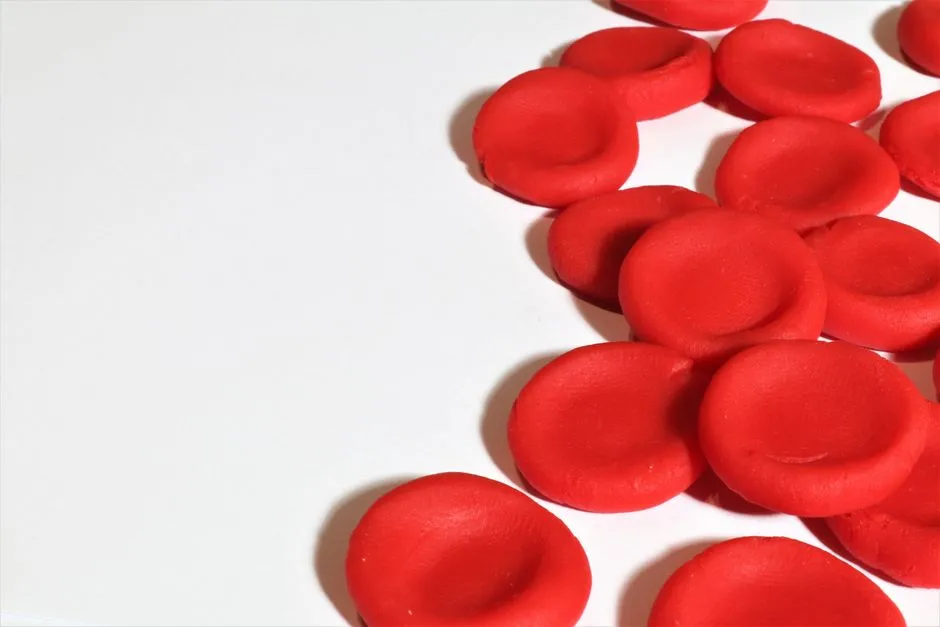
Platelets are the tiny blood cells responsible for plugging damaged blood vessels, and when the platelet count drops below a certain threshold, bruising becomes noticeably easier. People with counts in the range of 20,000 to 50,000 per microliter, compared to the normal range of 150,000 to 400,000, often experience easy bruising, small red or purple dots called petechiae, and prolonged bleeding from minor cuts.
A low platelet count, called thrombocytopenia, can result from many things: viral infections, autoimmune conditions where the immune system destroys platelets, bone marrow problems, heavy alcohol use, or certain medications. Easy bruising is a common symptom encountered in both primary care and hematology consultations, and differentiating between normal and clinically significant bruising is often challenging, especially when other specific signs or symptoms are absent.
Inherited Bleeding Disorders

Von Willebrand disease is the most common inherited bleeding disorder, characterized by excessive mucocutaneous bleeding, with the most common manifestations including nosebleeds, bruising, bleeding from minor wounds, menorrhagia or postpartum bleeding in women, and bleeding after surgery. Relatively rare inherited clotting disorders such as haemophilia or von Willebrand disease can also cause easy bruising from a young age, and sufferers may experience excessive bleeding from small cuts, bleeding gums, nosebleeds, and in women, heavy periods, while also having relatives who are similarly affected.
These inherited conditions exist on a wide spectrum of severity. Some people live for years with a mild form before a diagnosis is ever made, particularly if bruising has always seemed normal to them because family members share the same tendency. Genetic testing has become a more accessible tool for clarifying uncertain cases, according to research published in the journal Haemostasis in 2025.
Sun Damage and Solar Purpura

One factor that can screw with collagen production and leave a person more prone to bruising is the amount of time spent in the sun. When chronic sun exposure weakens the skin, it takes very little contact for blood vessels to leak, which can lead to a condition called solar purpura, a term for purple spots that resemble bruises and don’t blanch or go away.
Chronic sun exposure speeds this process up significantly, which is why bruises tend to appear most often on the forearms, hands, and other areas that have had decades of sun exposure. Solar purpura is most common among the elderly, but not unheard of among young people, according to a 2017 article in the Journal of Clinical and Aesthetic Dermatology. Sunscreen isn’t just about cancer prevention. It also preserves the structural integrity of the skin long-term.
When to Talk to a Doctor

Easy bruising has a wide range of causes, from harmless skin changes that come with age to medications, nutritional gaps, and occasionally underlying blood disorders. Roughly 26 to 45 percent of healthy adults report a history of easy bruising, so in many cases it reflects normal variation rather than a medical problem.
Easy bruising can be a sign of an underlying condition and a higher risk of bleeding overall. Risk factors for easy bruising include older age and taking blood-thinning medications, and anyone who notices they are bruising more often or more easily than usual should seek medical advice to rule out other health issues or seek treatment as appropriate. Bruises that appear without any known impact, grow unusually large, or take more than two weeks to fade are generally worth getting checked out.
A Measured Takeaway
Most bruising is mundane. It’s the skin doing exactly what it’s supposed to do after minor stress, and for the vast majority of people it signals nothing more alarming than aging skin or a bump they forgot about. The picture becomes more interesting when bruising is new, frequent, or unexplained, because that’s when the factors covered here, from collagen to platelets to vitamin levels, start to matter more.
The body leaves visible signals more often than we notice. Bruising is one of them, and paying attention to whether those signals have changed is a reasonable and genuinely useful habit.
AI Disclaimer: This article was created with the assistance of AI tools and reviewed by a human editor.