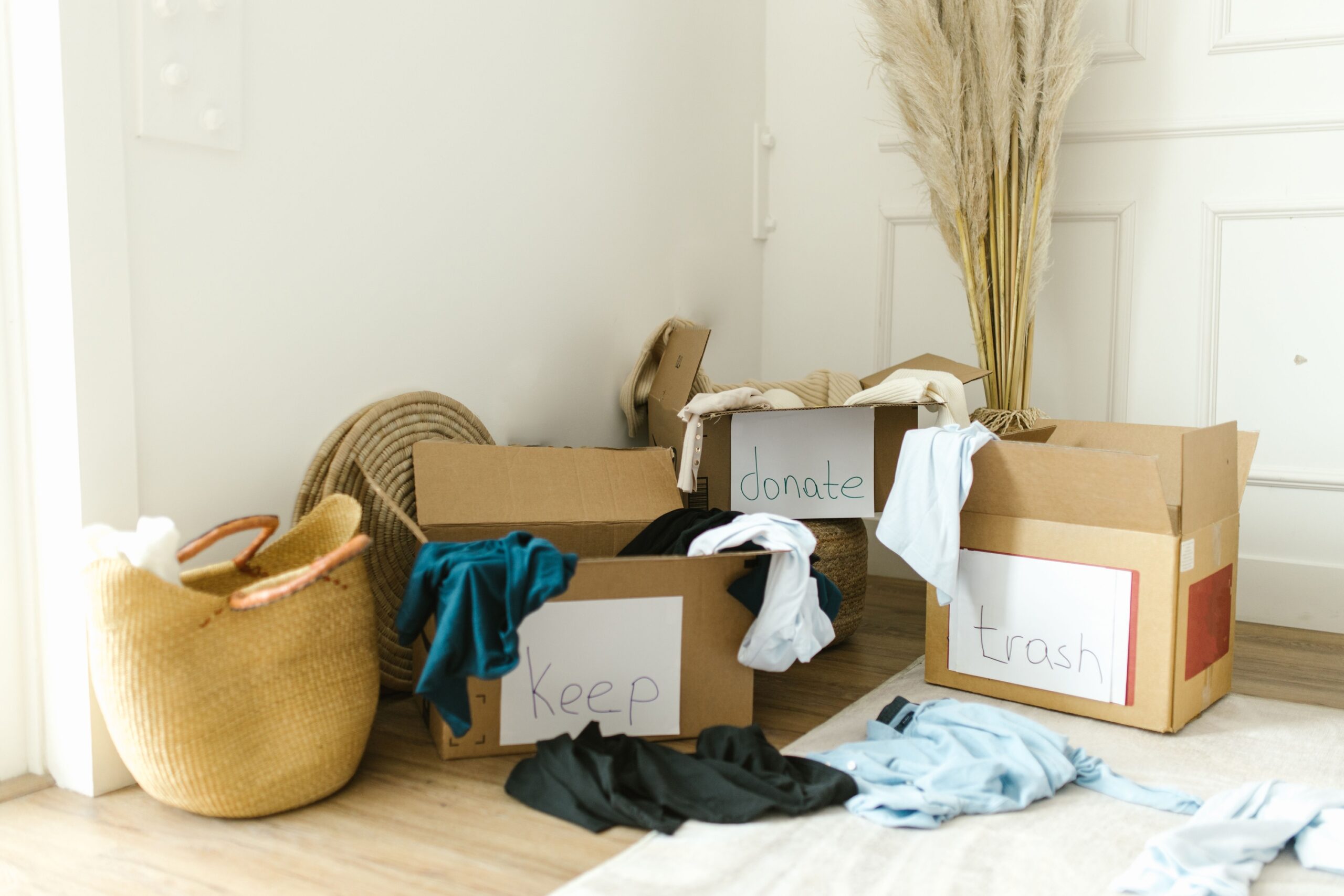

Most people approach home decluttering the way they approach a messy inbox: wherever the anxiety is loudest, that’s where they start. The problem is that jumping around without a plan usually creates more disorder than it resolves. Boxes migrate from one room to the next, decisions get postponed indefinitely, and the whole effort stalls out somewhere around the guest bedroom.
A 2022 survey conducted by home warranty provider Cinch Home Services found that the vast majority of respondents reported a positive impact on their mental health after decluttering their belongings. The research is consistent: middle-class Americans whose home descriptions included more clutter-related language showed less healthy cortisol patterns and greater depressed mood. Knowing where to start, and in what order to proceed, makes the difference between a project that finishes and one that quietly abandons itself.
Start with the Entryway: First Impressions, Functional Gains
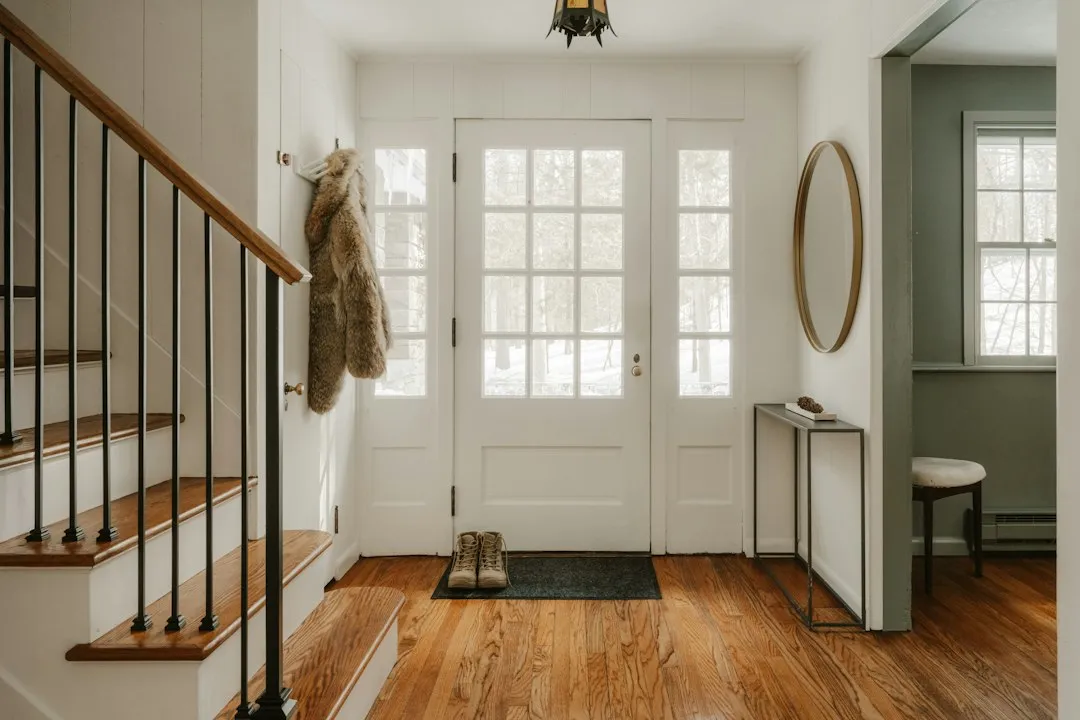
The entryway is a high-traffic area that can quickly become a catchall for coats, shoes, and outdoor gear. Professional organizers consistently rank it as the right place to begin, and there’s a clear logic to that. Clearing it first means every subsequent trip in and out of the house reinforces a sense of order rather than undermining it.
The entryway and mudroom clear the path in and out of your home, delivering instant payoff every time you walk through the door. As organizer Jamie Hord of Horderly Professional Organizing notes, some rooms really affect the entire flow of a home, and the entrance can clog up everything from the start.
Setting up organized drop zones for each family member, using functional pieces like benches with storage, keeps the space working rather than collecting. Think of it as the tone-setter: when this space is clear, the rest of the project feels genuinely possible.
The Bathroom: Small Space, Big Wins
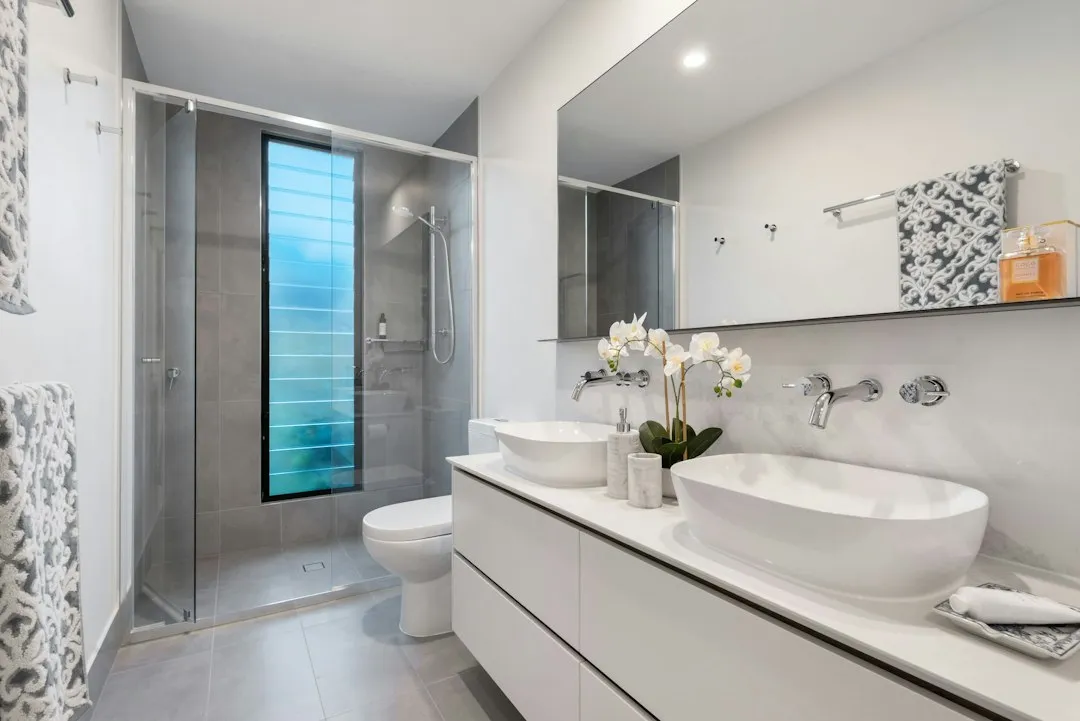
Bathrooms are small spaces that offer quick wins and lots of obvious items to toss, making them easy to check off and highly motivating. That momentum matters more than most people realize, especially early in a larger project.
The bathroom is one of the least emotionally charged rooms in any home. Expired medicines, dried-out cosmetics, and duplicate shampoo bottles don’t carry the weight of old birthday cards or childhood toys. Decisions come quickly here, and that fast pace builds the confidence needed for harder rooms ahead.
As you declutter each area, assign every item a dedicated home, whether it’s a drawer, bin, or shelf. When everything has a designated spot, it becomes easier to maintain order, find what you need, and quickly tidy up with a daily reset.
The Kitchen: Where Daily Life Actually Lives
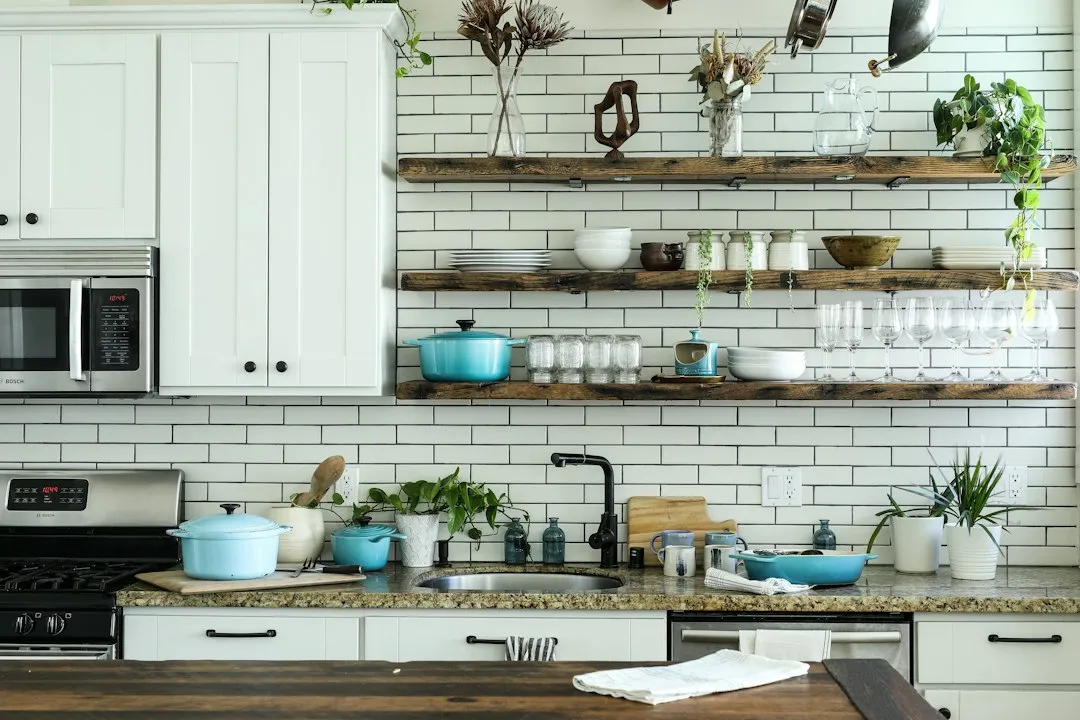
The first thing organizing experts recommend before touching the kitchen is to stop and plan. Before pulling everything out, take a moment to identify where the most clutter is, which allows you to tackle the work in smaller, more manageable chunks.
Professional organizers suggest starting with the easiest items first to build momentum, beginning with the pantry and refrigerator to remove expired food, condiments, or spices, which frees up shelf space with minimal effort. From there, countertops come next.
Instead of emptying an entire cabinet at once, taking on items by specific category works better. Starting with water bottles, food storage containers, or mugs, since many people have too many duplicates, helps you see exactly how many items you own, making it easier to decide what to keep.
The Living Room: Tackling the Social Hub

The living room tends to collect clutter from multiple directions: remote controls, charger cables, books half-read months ago, and items that belong somewhere else entirely. One practical tip from professional organizers is to leave a designated basket in the main room of the house for all things that need to be put away, so instead of leaving various items on different surfaces, having them in one spot allows for less visual clutter.
Pulling everything out of your media center and giving it a good cleaning is worth doing here. If you’re still holding onto DVDs and CDs, this is the time to decide whether to digitize or discard them. Technology items that no longer work or haven’t been touched in a year are reliable candidates for removal.
Organizing one space creates what professionals call a domino effect, where one organized room leads into the next, making it necessary to understand this before getting started and to set aside proper time to work through all areas. The living room is where that effect begins to accelerate.
Children’s Rooms and Toy Zones: The Underestimated Challenge
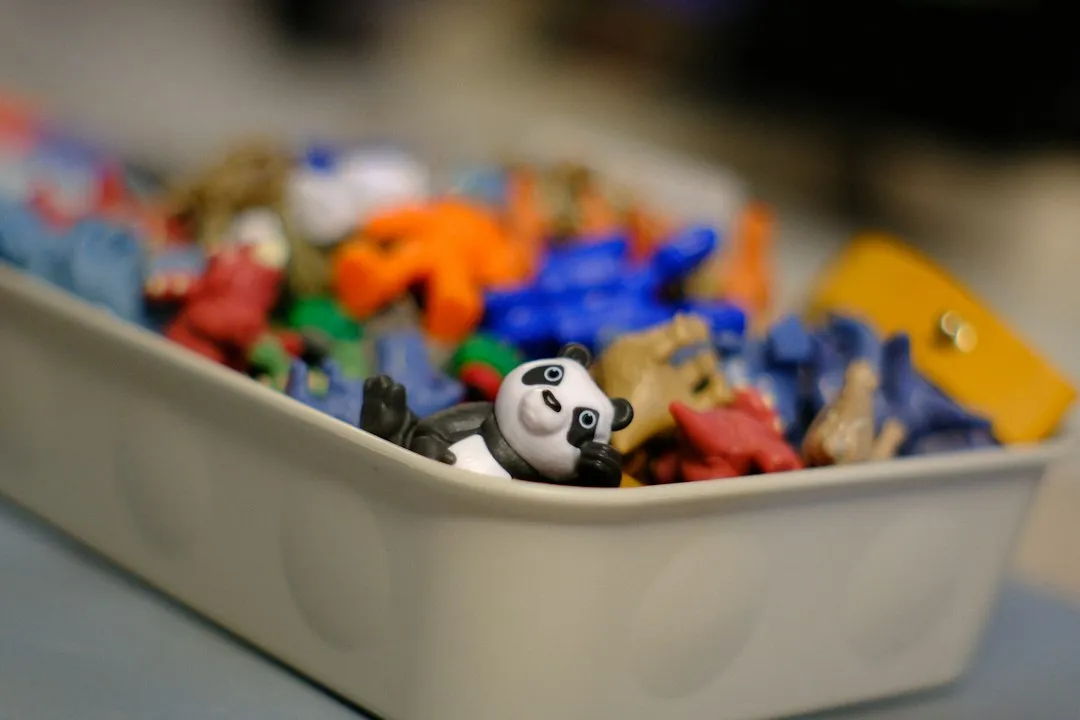
If you have children, tackling toys comes next on the list. Once toy clutter is under control, the living spaces and bedrooms will be mostly a breeze. This isn’t just about volume. It’s about where scattered objects tend to spread to.
Children’s rooms present a particular challenge because kids often resist letting go of items, even ones long forgotten. Working through this room with a child, rather than without them, generally produces better long-term results. Things disappear far less often when the child was part of the decision.
For art supplies and smaller items like stickers, markers, and crayons, an over-the-door pocket shoe organizer can effectively keep them from cluttering tabletops and desk drawers. Visible, accessible storage tends to get used, while hidden bins often just become an extra layer of mess.
The Bedroom: Rest Depends on This One
For many people, the bedroom is the first place they see when they wake up and the last before they go to bed at night. When it’s free from clutter, it promotes a sense of calm that results in a good start to the day and more restful sleep at night.
Studies show spikes in cortisol related to clutter in the home, and women show higher spikes than men. The bedroom, being both private and deeply personal, carries a particular stress load when it’s disorganized. Clothing is usually the biggest offender here and the best place to begin.
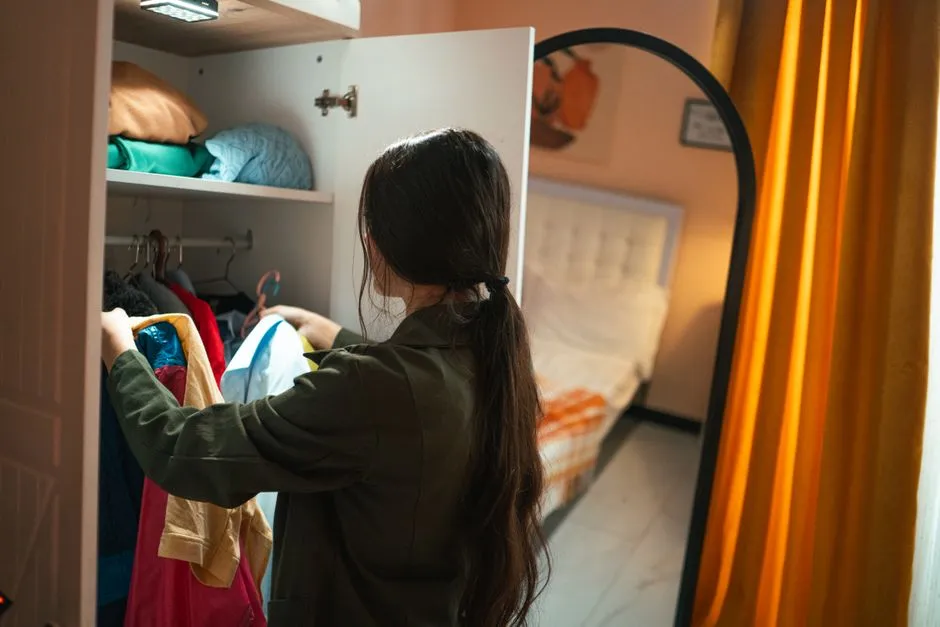
The most effective methods follow an order designed to hone your decision-making skills, starting with less emotionally charged items and moving toward more sentimental ones. Clothes are typically the first category, beginning with every article from closets, dressers, storage bins, and even the laundry room. That full picture of what you own rarely fails to prompt honest editing.
The Home Office and Paper Clutter

Paper is one of the most persistent forms of clutter in any home. Old utility bills, takeout menus, instruction manuals for appliances donated years ago, greeting cards from 2015: they all accumulate quietly. Systematically sorting through mail, documents, and miscellaneous paperwork is an essential step.
From purging paper to taming miscellaneous collections, simple small steps are almost always the best way to beat the chaos, and they make the process smoother and easier, too. A shred pile, a file pile, and a recycle pile is really all you need to start.
Active zones are areas you interact with daily, like your desk surface and top drawers, while passive zones are ones you access rarely, like storage cabinets or deep shelving. Organizing with this distinction in mind means the things you reach for most often are always within easy reach.
The Garage and Storage Spaces: The Final Frontier

Every single space in a home connects, and there is a natural flow to organizing work. Professionals may start in the entryway, then move to the kitchen counter, and then the next logical spot might be the garage, because freeing up space there is often necessary before items from other rooms can be relocated.
The garage works best as a late-stage stop precisely because it serves as a destination for things leaving other rooms: donations staged for pickup, tools relocated from the kitchen, seasonal items removed from closets. Hitting it too early means reorganizing it again once the rest of the house catches up.
The miscellaneous category includes garage tools, electronics, and similar items. If you didn’t use a seasonal item at all during its last season, this is the right moment to consider donating or selling it. That rule alone can dramatically reduce how much gets restacked into the shelves.
The Laundry Room: Overlooked, Quietly Important
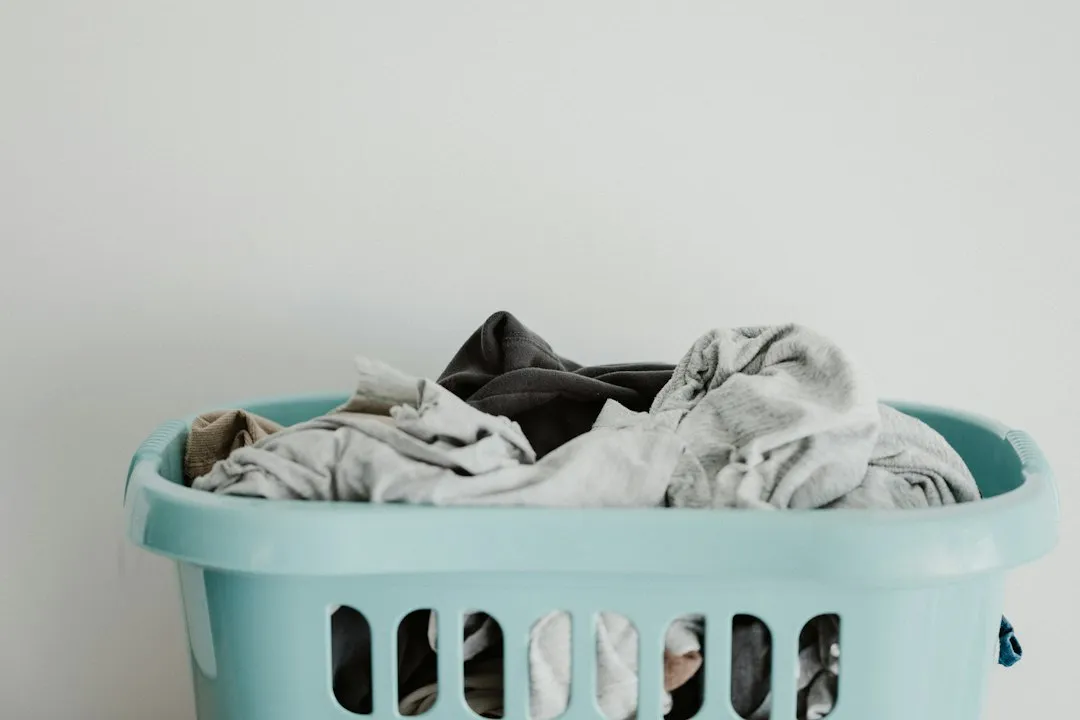
Few rooms get as little attention in decluttering guides as the laundry room, yet it punches above its weight in terms of daily friction. As professionals point out, the laundry room can stall getting laundry done entirely when it lacks functional organization. Inefficiency here creates a ripple effect through the whole household routine.
Mismatched cleaning supplies, cracked baskets, half-empty detergent boxes, and spare parts for appliances no longer owned all tend to find their way here. A single shelf-by-shelf pass, with a trash bag at hand, tends to reveal how much space was quietly being wasted.
A laundry hamper placed in the right spot and a system designed to be intuitive are what help new habits actually stick. The goal is a room where the physical layout does some of the behavioral work for you.
Maintaining Order: The System That Keeps It Working
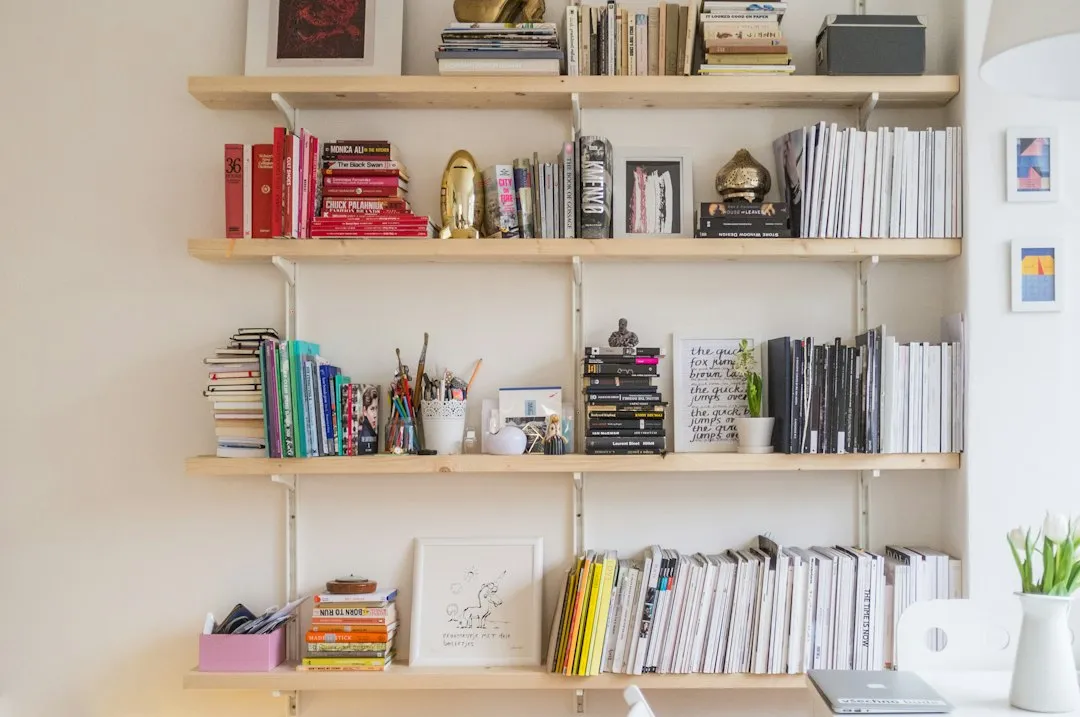
There is real merit in the practice of micro-decluttering, which means dividing a large organizing project into smaller, more manageable tasks. Setting a timer for fifteen minutes and focusing on just one area, drawer, or shelf at a time is a method organizers endorse directly.
Mini declutters every few days can help keep the situation under control. Spending ten to fifteen minutes on one area, like a shelf, a cupboard, or a box, and decluttering just that section, followed by reorganizing what remains, is a rhythm that compounds over time.
Research shows that having lower levels of subjective clutter in the home is linked to higher levels of positive emotion, improved relationships, and increased wellbeing. The real payoff of a good system isn’t the initial clear-out. It’s waking up to a home that mostly takes care of itself, room by room, day by day.
The Takeaway
The sequence matters more than most people expect. Starting with the entryway builds momentum. Moving through bathrooms and the kitchen deepens it. Tackling emotionally heavier spaces like the bedroom and garage comes later, once the habit and the confidence are already in place.
Completing a comprehensive home organization process is a significant first step toward reclaiming your space, journeying through every room from the entryway to the bedroom closets, applying systematic strategies to declutter, categorize, and assign a rightful place for every item you own.
The order isn’t about being rigid. It’s about working with the way energy, emotion, and decision fatigue actually function. Follow the sequence, respect the process, and the results tend to last well beyond the initial effort.
AI Disclaimer: This article was created with the assistance of AI tools and reviewed by a human editor.