
The Hidden Cost of a Cluttered Environment
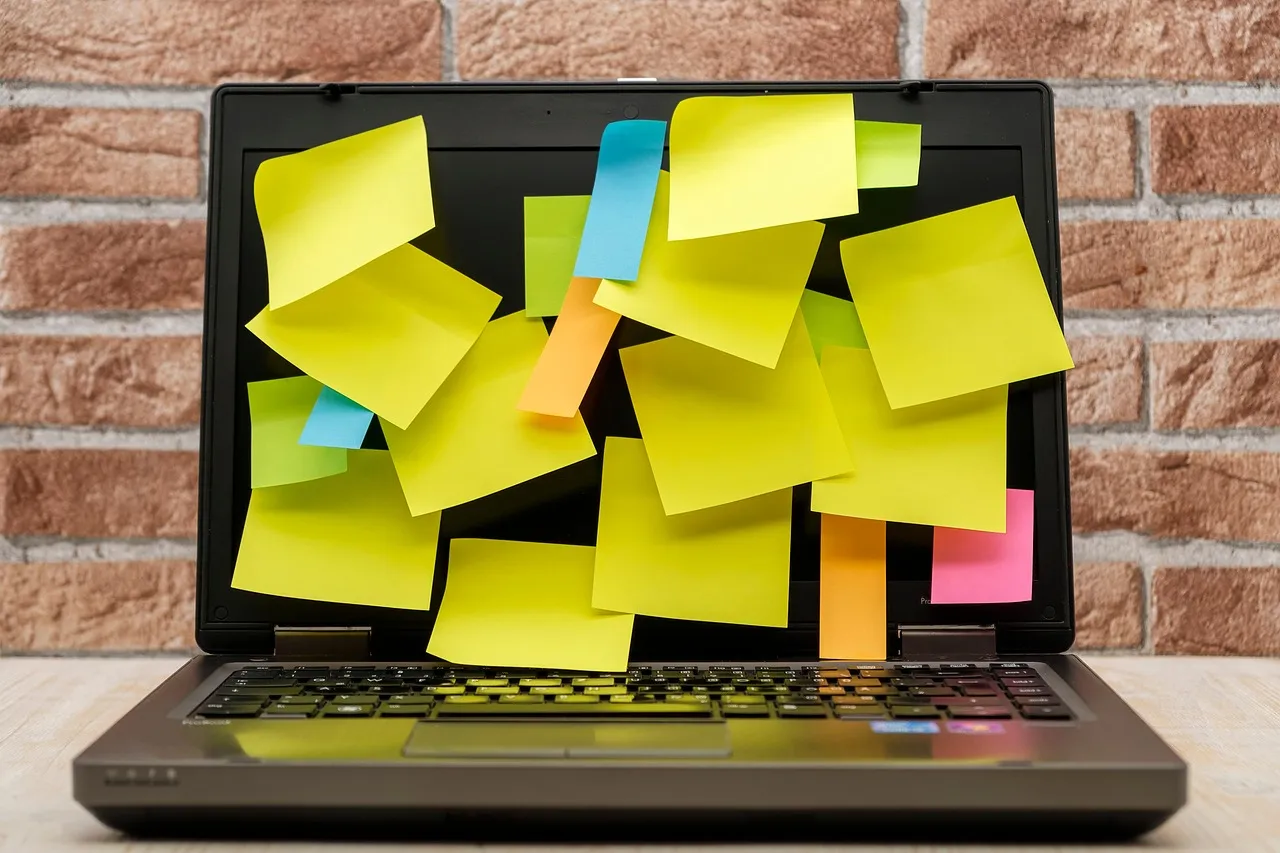
Cluttered workspaces cost the average person roughly 40 minutes daily, or about 3.3 hours per week, in lost time and mental distraction. Searching for misplaced items or trying to work in a chaotic environment only amplifies stress and blocks focus. That number adds up to more than 160 hours across a year, which is essentially a full month of working days.
Digital decluttering boosts productivity by reducing distractions and saving time, with knowledge workers spending up to 67 minutes daily just searching for scattered information. Physical clutter and digital clutter operate on the same principle: the more your environment demands processing power, the less you have left for actual work.
What Decision Fatigue Actually Does to Your Day

What causes decision fatigue isn’t dramatic or obvious. It’s the sheer volume of choices modern life demands. Researchers estimate that adults make thousands of decisions daily, and most of them happen below conscious awareness. Every micro-choice, from which email to open first to what to eat for lunch, draws from the same cognitive reserve.
Each micro-decision draws from the same limited cognitive reserve. Your brain treats willpower and decision-making as finite resources. When those resources run low, you don’t just make worse choices. You start avoiding decisions altogether, defaulting to whatever requires the least mental effort, or feeling inexplicably irritable and overwhelmed.
The broader phenomenon of decision fatigue is supported by experience, neuroscience, and multiple research traditions. Cognitive performance follows circadian rhythms, with a measurable ten to twenty percent afternoon vigilance dip. Minimizing unnecessary decisions earlier in the day directly protects that cognitive window.
The Interruption Problem Is Worse Than You Think

Recovering from a single interruption takes an average of 23 minutes and 15 seconds, according to Gloria Mark’s landmark UC Irvine research. That’s not a rounding error. That’s almost half a working hour lost every time something pulls your attention sideways.
The average focused session at work lasted just 13 minutes and 7 seconds in 2025, down nine percent from 2023, based on ActivTrak’s 2026 State of the Workplace report. Nearly eight in ten U.S. workers get distracted within one hour of starting a task, and more than half cannot maintain focus for even 30 minutes without interruption.
Employees face roughly 275 interruptions per day during core work hours, which works out to one ping every two minutes, per Microsoft’s 2025 Work Trend Index. Reducing the sources of those interruptions, rather than just reacting to them faster, is exactly what the minimalist habit addresses.
Fewer Apps, More Output
Workflows become streamlined when you use fewer apps. Using fewer tools reduces decision fatigue and encourages consistent use of reliable systems. The trap many people fall into is treating productivity as a tool-collection problem, when it’s actually an attention-management problem.
According to Unily’s 2024 Digital Noise Impact Report, about six in ten employees blame digital tools for increased workplace stress. More platforms mean more places to check, more notification systems to manage, and more cognitive overhead just to stay on top of what’s happening where.
The practical move is auditing your toolset and cutting it down to the minimum that actually serves your workflow. Not the tools you signed up for, the ones you genuinely use every day.
Routines as Time Savers, Not Restrictions

Habit formation takes a median of 66 days, ranging from 18 to 254 days, according to research by Lally et al. (2010). The popular claim that habits form in 21 days is not supported by the evidence. The good news is that once a habit is established, it effectively removes a whole category of decisions from your daily load.
Research shows that roughly 43 percent of daily behaviors are habitual, performed in the same context daily. That means nearly half of what you do each day is already running on autopilot. The minimalist habit is simply about making sure the right things are on that autopilot list.
One of the ways minimalism helps time management is by encouraging people to stick to habits and routines. As part of a minimalist lifestyle, you’re always looking for ways to make life easier and simpler, which often involves making small but meaningful changes. A consistent morning routine, a fixed workspace, a standing grocery list, these are not boring choices. They are strategic ones.
The Morning Phone Trap and How to Escape It

Morning routines gain structure when you don’t reach for your phone first. Instead, people stretch, journal, or prepare for the day with intention. Starting the day by immediately checking messages hands your first hour of mental energy to other people’s agendas rather than your own.
Research shows that the average person checks their phone 344 times daily. That averages out to roughly once every two and a half minutes across a waking day, which makes it difficult to sustain the kind of deep focus that produces meaningful output.
Delaying the first phone check by even 30 to 60 minutes creates a protected window that, over a week, adds up to several uninterrupted hours. It’s one of the smallest structural changes with one of the most consistent payoffs.
Notification Reduction: The Simplest Lever
Reduced notifications lower stress. With fewer interruptions, cortisol levels stabilize and creativity improves. This isn’t a marginal effect. The stress response triggered by constant pings is the same physiological mechanism that clouds thinking and increases errors.
According to Unily’s 2024 Digital Noise Impact Report, nearly six in ten managers reported being interrupted by a digital platform every 30 minutes or less. For people in that position, turning off non-essential notifications isn’t a lifestyle preference. It’s a performance decision.
The minimalist move here is simple: turn off all notifications except the ones that genuinely require immediate action. For most roles, that list is shorter than people assume. Fewer pings means fewer 23-minute recovery periods, which means hours saved across the week.
Decluttering Your Task List
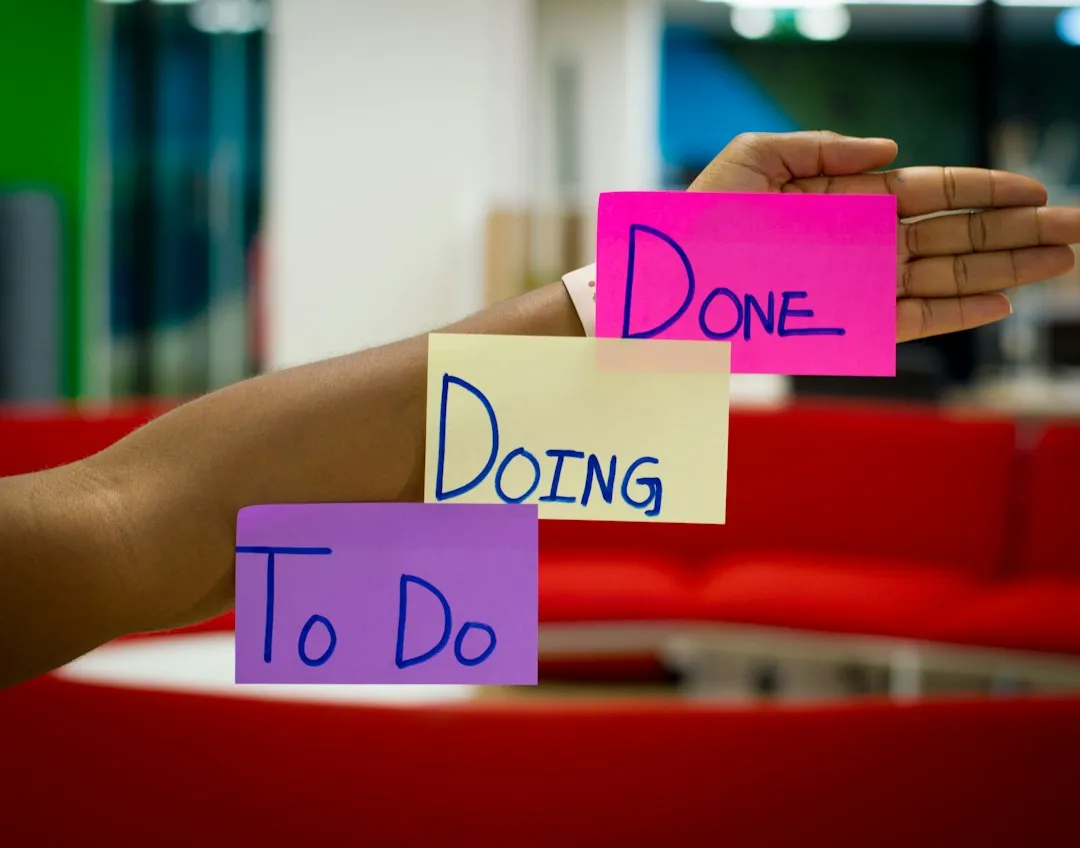
Nearly half of the workday goes to tasks employees say add no value. Roughly 43 percent of office workers spend more than 10 hours per week on what Deloitte’s 2025 research describes as “productivity theater,” looking busy without producing real output. A cluttered task list has the same effect as a cluttered desk: it creates the feeling of work without the substance of it.
Time management research suggests that spending just 10 minutes planning your day can recapture up to two hours, emphasizing the importance of structured approaches like timeboxing and prioritization. That’s a remarkable return for such a small upfront investment.
The habit worth building here is a short daily review: identify the two or three tasks that would make the day genuinely successful, and treat everything else as secondary. This single filter removes the mental sprawl that turns a 10-item to-do list into an anxiety spiral.
Physical Space and Cognitive Load

There’s a well-documented connection between physical environment and mental clarity. Minimalism is not just an aesthetic preference. The measurable benefits of living with less are grounded in well-documented research across neuroscience, psychology, and behavioral economics.
Setting device-free zones, like bedrooms or dining areas, restores balance and reduces burnout. This principle extends to desk space, too. A workspace with fewer objects to look at places fewer visual demands on attention, which means less unconscious mental processing happening in the background.
The practical version of this habit is clearing the desk at the end of each day and starting fresh the next morning. It takes about three minutes and consistently reduces the low-level cognitive load that comes from working in visual chaos.
Satisfaction, Stress, and the Bigger Picture

A 2025 study on minimalist lifestyle adoption across 12 countries found that people who identified as minimalists reported 23 percent higher life satisfaction scores than average consumers, despite lower average spending on possessions. The time savings are real, but so are the downstream effects on wellbeing.
In the short term, decision fatigue manifests as mounting frustration, reduced concentration, and a noticeable dip in productivity. The minimalist habit addresses this directly by reducing the number of things competing for your attention before you even sit down to work.
Global employee engagement fell to just 20 percent in 2025, its lowest level since 2020, costing the world economy an estimated $10 trillion in lost productivity according to Gallup. The scale of the problem is staggering. The solution, at the individual level, starts with something much quieter: simply choosing to do and manage less, with more deliberate care.
The Takeaway
The minimalist habit that saves hours each week isn’t a single action. It’s a pattern of decisions that consistently reduces friction, from streamlining your tools and workspace to protecting your morning attention and cutting your task list down to what actually matters. None of these moves require dramatic change.
What makes this habit powerful is that it compounds. Each interruption avoided, each unnecessary decision removed, each cluttered surface cleared returns attention that would otherwise be slowly bled away across the day. Over weeks and months, those returns accumulate into something genuinely significant.
The evidence is clear and consistent. Simpler environments produce more focused minds, and more focused minds produce better work in less time. The discipline isn’t in doing more. It’s in protecting the conditions that let you do what matters well.
AI Disclaimer: This article was created with the assistance of AI tools and reviewed by a human editor.