
What Exactly Is That Orange Powder?
If your shoes pick up an orange-yellow dust every time you walk across the lawn, the grass is telling you something specific. That powder is fungal spores, not pollen, and it is the visible signature of lawn rust (genus Puccinia), the most common fungal disease to hit cool-season grasses.
Lawn rust is a fungal disease caused primarily by several species of Puccinia fungi, including Puccinia coronata, Puccinia graminis, and Puccinia striiformis. These fungi are obligate parasites, meaning they require living plant tissue to survive and reproduce.
The rust fungi produce millions of microscopic spores that appear as orange, yellow, or reddish-brown pustules on grass blades. These pustules, called uredinia, rupture through the leaf surface and release spores that spread to neighboring grass plants through wind, water, foot traffic, and lawn equipment.
Which Grasses Are Most Vulnerable?
Rust is a common disease on residential lawns. It is caused by a variety of related fungi and occurs almost exclusively on Kentucky bluegrass and perennial ryegrass.
Perennial ryegrass is the poster child for lawn rust. Crown rust (Puccinia coronata) attacks ryegrass more aggressively than any other home lawn grass. Newly overseeded lawns containing high percentages of perennial ryegrass frequently develop rust in their first fall, sometimes within four to six weeks of germination.
Rusts typically occur on bluegrasses, ryegrasses, and fine fescues. Several rust fungi are responsible, including many species of Puccinia and Uromyces. The most prevalent turf rust fungi are Puccinia graminis (stem rust), P. striiformis (stripe rust), P. coronata (crown rust), and P. recondita and P. brachypodii (leaf rust).
When and Why It Shows Up
Rust typically occurs in the late summer to early fall months. The disease is favored by dry soils and high humidity conditions, including long evening dew periods. Lawn rust typically develops later in the summer when cool-season lawns are growing very slowly.
According to Penn State Extension, rust thrives when turfgrass experiences extended periods of leaf wetness of eight to twelve hours combined with temperatures between 68°F and 85°F.
Cool nights with heavy dew and light, frequent rainfall add to the ideal conditions for rust to develop. Warm, cloudy, humid weather followed by hot, sunny weather also favors rust development on lawns.
The Role of Nitrogen in the Outbreak
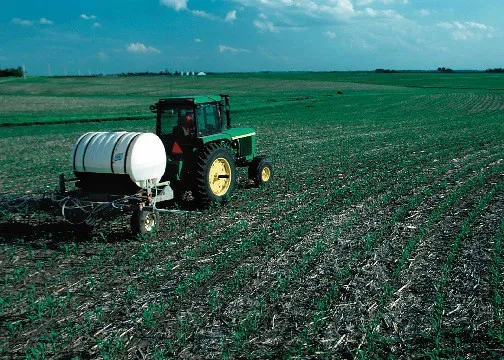
Lack of nitrogen – the soil nutrient that grass craves the most – is a leading contributor to lawn rust. Other causes include compacted soil, cutting the lawn too short, and too much shade.
Research from the University of Illinois demonstrated that lawns receiving less than two pounds of nitrogen per thousand square feet annually showed four times more rust than adequately fertilized turf.
Low nitrogen is the limiting factor. The Royal Horticultural Society’s plant disease team and most turf science research from university extension services agree that rust is fundamentally a sign of underfed grass. When nitrogen runs out, leaf production slows, the existing blades thin and yellow, the immune response of the grass weakens, and the fungus moves in.
How the Spores Get on Your Shoes
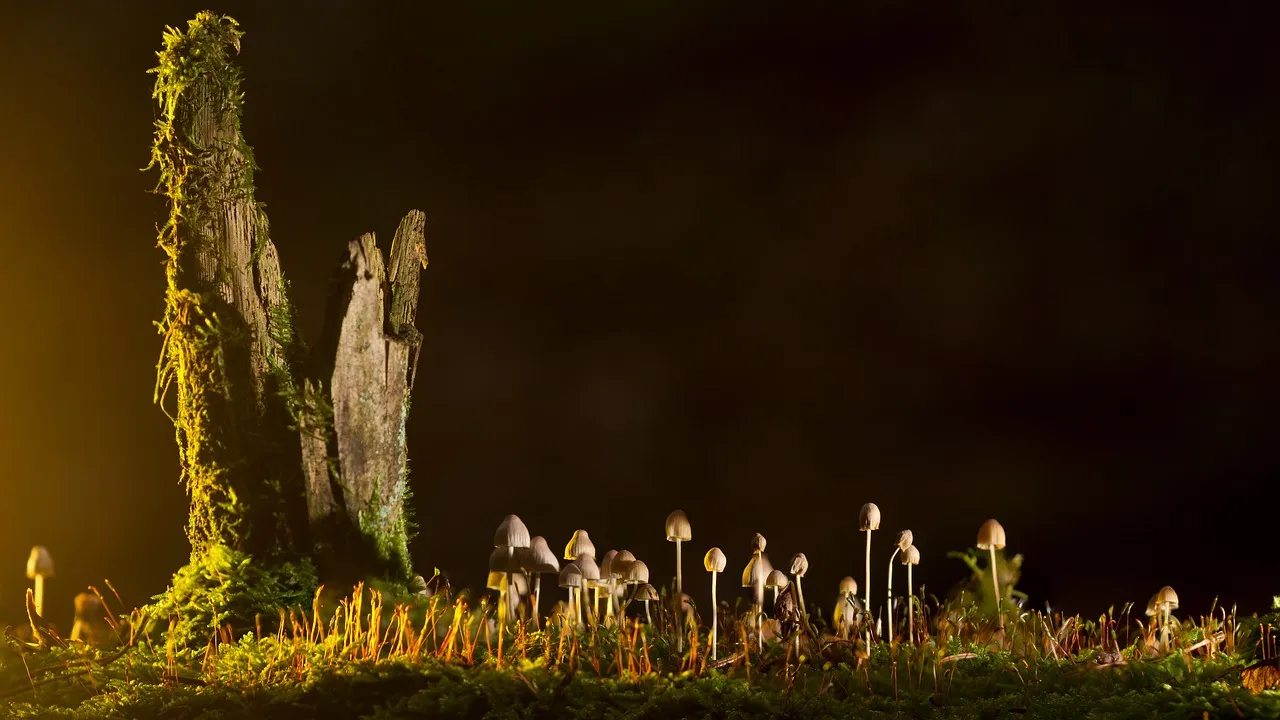
When conditions are right and the fungus is present, the disease starts out with little yellow flecks on grass blades. The flecks then mature and open to release the yellow-orange powdery spores that end up on the surface of passing objects, such as shoes.
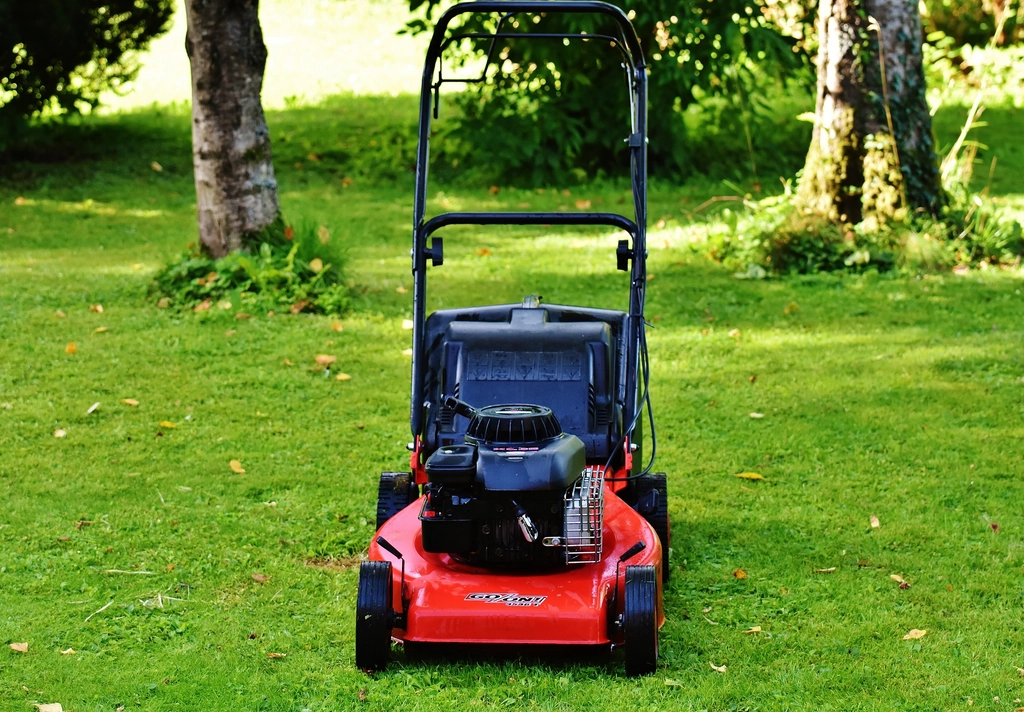
The fungal spores are easily detached and will cover just about anything that walks or moves over the lawn, including shoes, pets, and mowers.
According to lawn experts at the University of Illinois Extension, wind, water, shoes, turf material, and lawn equipment spread the spores. Wind can carry rust spores as they are lightweight and can become airborne with the slightest breeze. Water can move them short distances. Rust spores also stick to shoes, lawn mower wheels, garden tools, pet fur, and clothing.
Is It Dangerous to People or Pets?
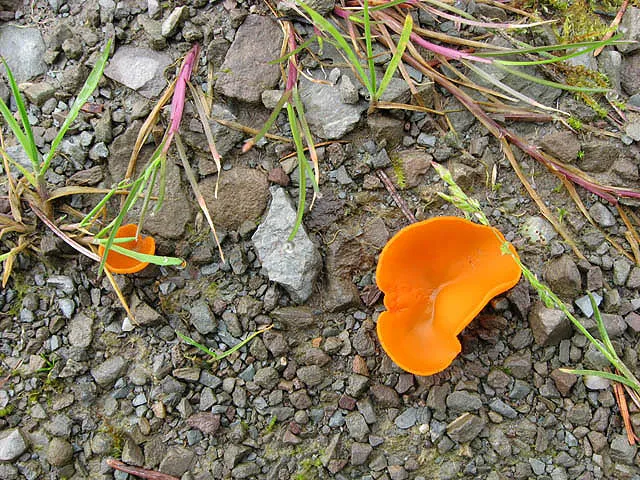
The disease is harmless to people and pets, and it seldom seriously damages lawns. That said, it is a nuisance when you track the yellow-orange spores into the house, and it is a lawn stress that can piggyback on other problems to thin a lawn.
The coated leaf blades with lawn rust fungus diminish the ability of the grass to photosynthesize, leaving your weakened grass open to other diseases, pests, and turf problems.
While it is one of the milder lawn diseases, rust can still weaken your grass and make it more vulnerable to other problems. Catching it early is always the smarter move.
What It Looks Like Up Close
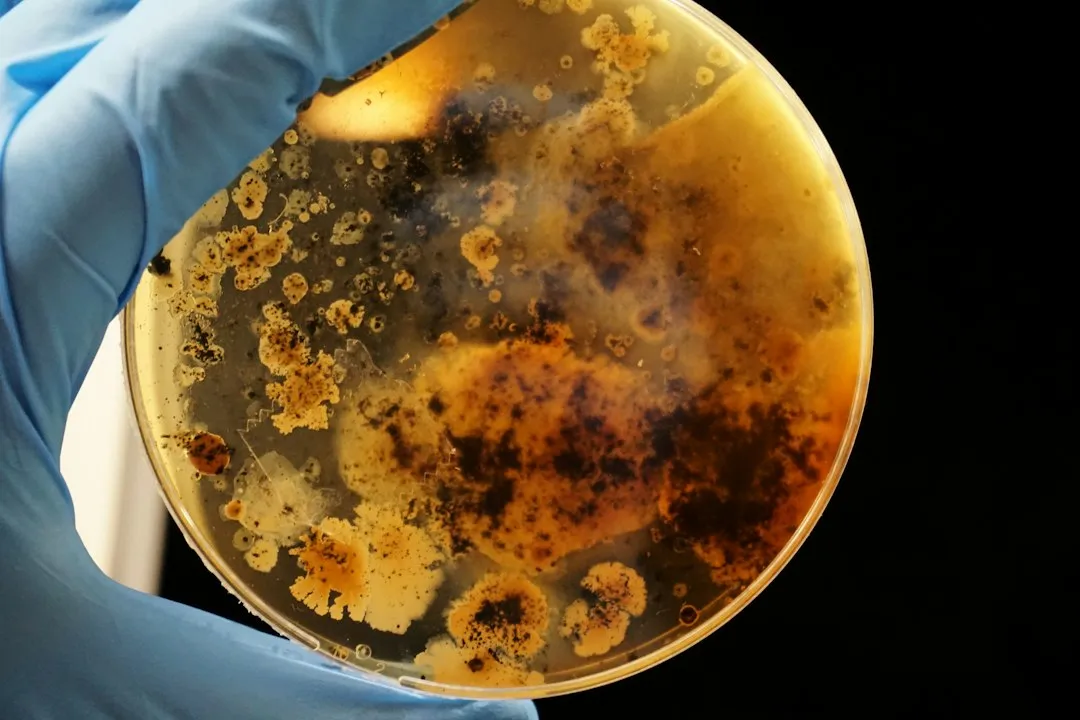
Rust begins as small yellow spots on leaves and stems that form elongated, reddish-brown or orange pustules. Shoes and clothes are often stained orange by the spores when walking through infested areas.
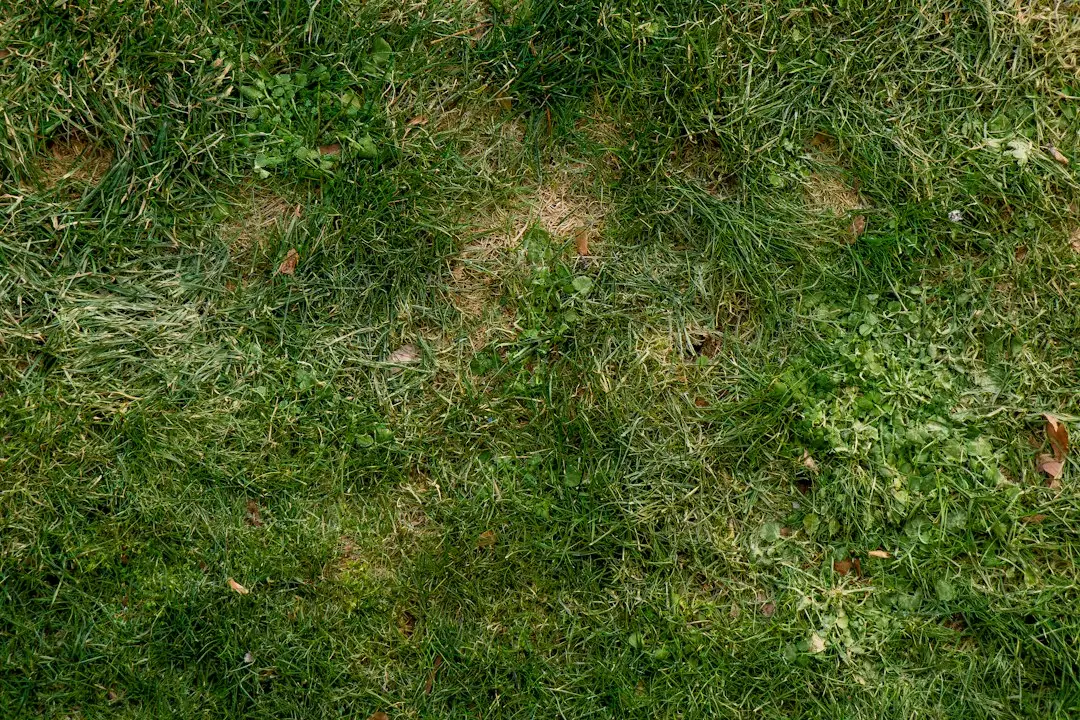
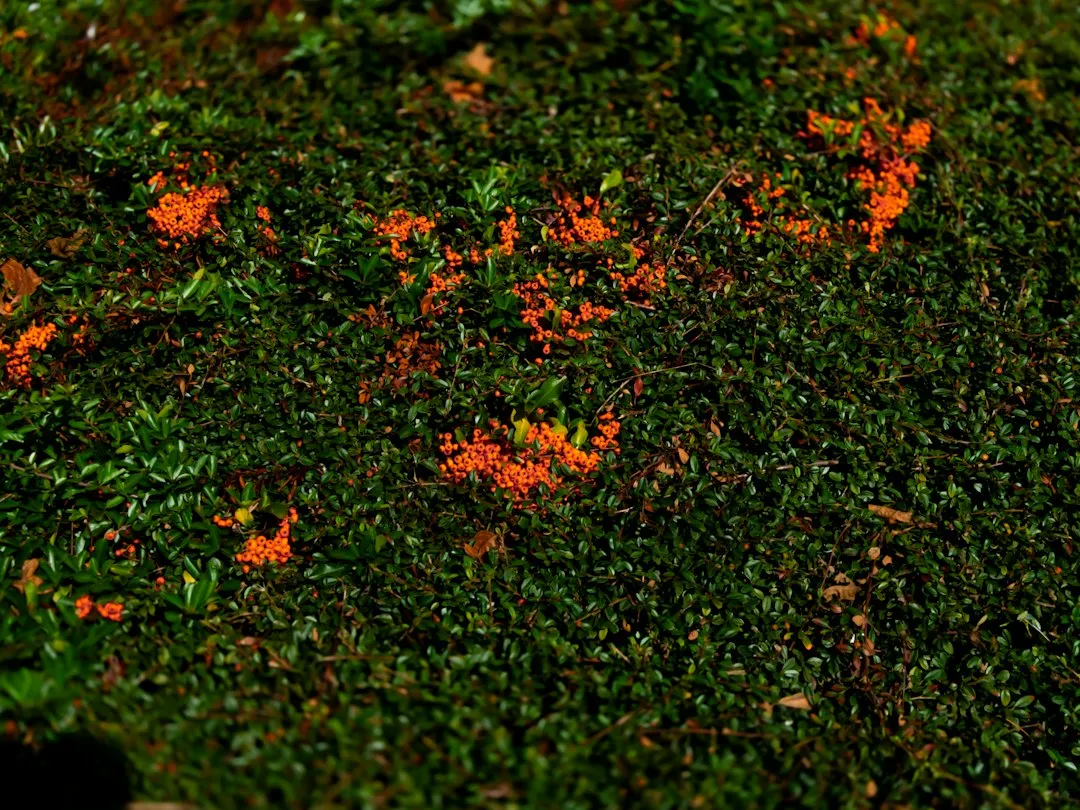
From a distance, rust-infected turf has a yellow-green cast. During early stages of disease development, symptoms occur in localized areas, especially in shaded sites. Close inspection of rusted leaves reveals numerous yellow-orange pustules on leaf blades.
In the early stages, you may notice patches of the lawn looking a light yellow color. Blades of grass from that area will have yellow or orange flecks that can be brushed off easily. As the disease spreads, these flecks will become a powdery substance that sticks to everything.
The Biology Behind the Life Cycle
Slow-growing grass is a critical factor because rust completes its life cycle on the leaf in ten to fourteen days. If the grass is growing fast, the infected tips get mown off before spores release. If growth has slowed because nitrogen is low or the lawn is heat-stressed, the spores reach maturity and spread.
Rust is fundamentally a growth-rate problem, not just a fungus problem. The fungus is present on virtually every lawn as airborne spores. Whether it takes hold depends entirely on whether grass can grow fast enough to replace infected tissue.
Rust survives as dormant mycelia in infected plants and as teliospores; it may spread to turf from infections on other grasses and woody ornamentals.
How to Treat It Without Chemicals
The primary non-chemical cure for lawn rust is an application of high-nitrogen fertilizer. Since the fungus attacks slow-growing grass, a shot of nitrogen stimulates rapid, new, healthy growth that literally outgrows the disease. The infected blades can then be mowed off.
The single most effective non-chemical treatment for lawn rust is pushing the grass to outgrow the infection. Rust exploits slow-growing turf; by stimulating rapid leaf production, the plant sheds infected blades before the fungus can complete its life cycle.
When you mow a lawn with lawn rust fungus you are removing the rust-infected leaves. It is important to then remove those grass clippings rather than leaving them lying on the lawn so that you can prevent the disease from being further spread around.
Long-Term Prevention Strategies
You can prevent lawn rust from showing up in your lawn simply by keeping it well-fed. Four timely applications of nitrogen-based lawn food will keep your lawn green and healthy, enabling it to fend off rust and most lawn diseases.
Core aeration in the fall is a powerful preventative measure because it improves soil oxygenation, water drainage, and the grass plant’s ability to uptake the crucial nitrogen you apply.
The National Turfgrass Evaluation Program (NTEP) rates perennial ryegrass cultivars for rust resistance on a one-to-nine scale. Selecting cultivars rated six or higher dramatically reduces outbreak severity. Newer endophyte-enhanced varieties also show improved disease resistance across the board.
When to Call in a Professional
Generally, rust fungus on grass is short-lived and will start to clear up with some good cultural practices and habits. In severe cases, there are fungicides that can be used to stop further spreading.
Rust is favored by high humidity, low soil moisture, low nitrogen fertility, and shade, and its management includes maximizing light and airflow in lawns by pruning and thinning surrounding landscape plants.
Ignore it and the patches spread, the lawn thins, and you spend autumn rebuilding what you could have saved with a single feed. If the same shaded spots return with rust season after season, a professional soil assessment is worth the investment.
The Takeaway
Orange dust on your shoes is not a catastrophe. It is, though, a specific and useful signal – your lawn is stressed, likely underfed, possibly shaded, and the conditions have tipped just enough to let a very common fungus take hold. Every effective treatment strategy targets increasing the growth rate: nitrogen, water, sunlight, and reduced stress.
Rust won’t kill your lawn. It won’t hurt your pets. Rust can also overwinter in the lawn as dormant mycelium or as hardy spores in old leaf tissue, so the habits you build now directly shape what you find on your shoes next summer.
Think of the orange dust less as a problem and more as a report card. Feed the lawn well, mow consistently, time your watering to mornings, and the grass will do the rest – it is designed to outcompete this fungus, provided it has the resources to do so.
AI Disclaimer: This article was created with the assistance of AI tools and reviewed by a human editor.