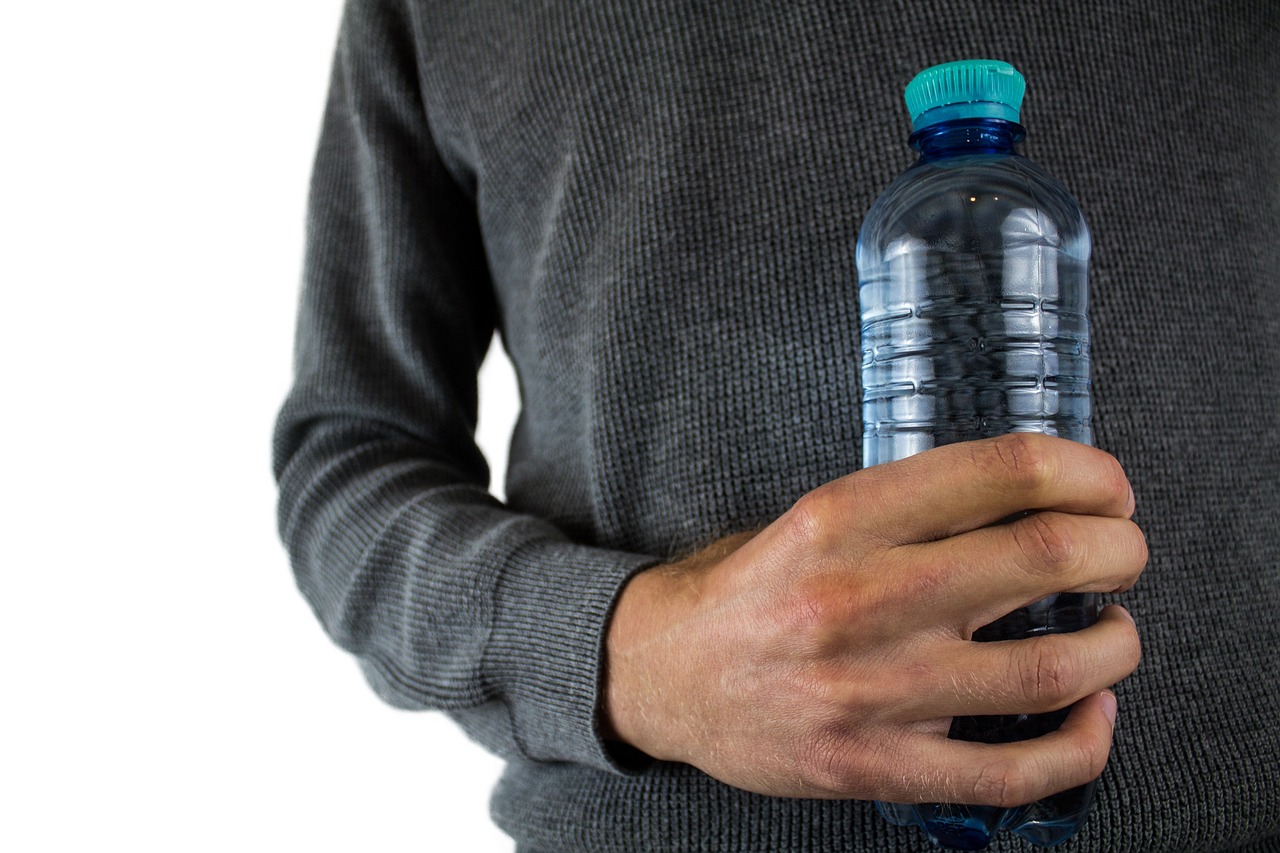

The Market Is Booming, But the Cleaning Habits Haven’t Kept Up
The global reusable water bottle market was valued at roughly 9.47 billion dollars in 2024, and is projected to reach nearly 13.77 billion dollars by 2033. With usage rates that high, the number of people drinking from bottles that haven’t been properly cleaned is substantial. The growth in sales has simply outpaced any equivalent awareness about hygiene.
After surveying a thousand Americans, researchers found that about thirteen percent clean their water bottles only a few times per month, yet nearly nine out of ten said they “care deeply” about the quality of their drinking water. That gap between intention and behavior is where the problem lives.
The Bacteria Count Is Genuinely Startling
The average reusable water bottle has been found to contain a staggering 20.8 million colony-forming units of bacteria. To put that in context, researchers at WaterFilterGuru.com sent bottle samples to a professional lab and compared the results to everyday household objects.
Reusable water bottles harbored more germs than a toilet seat, pet bowls, and even the kitchen sink, and the comparison showed that an average bottle could be roughly 40,000 times dirtier than a toilet seat. That figure has drawn some scrutiny because total bacterial counts don’t automatically equal health danger, but it does illustrate how much microbial activity is possible in a neglected bottle.
What Types of Bacteria Are Actually Growing
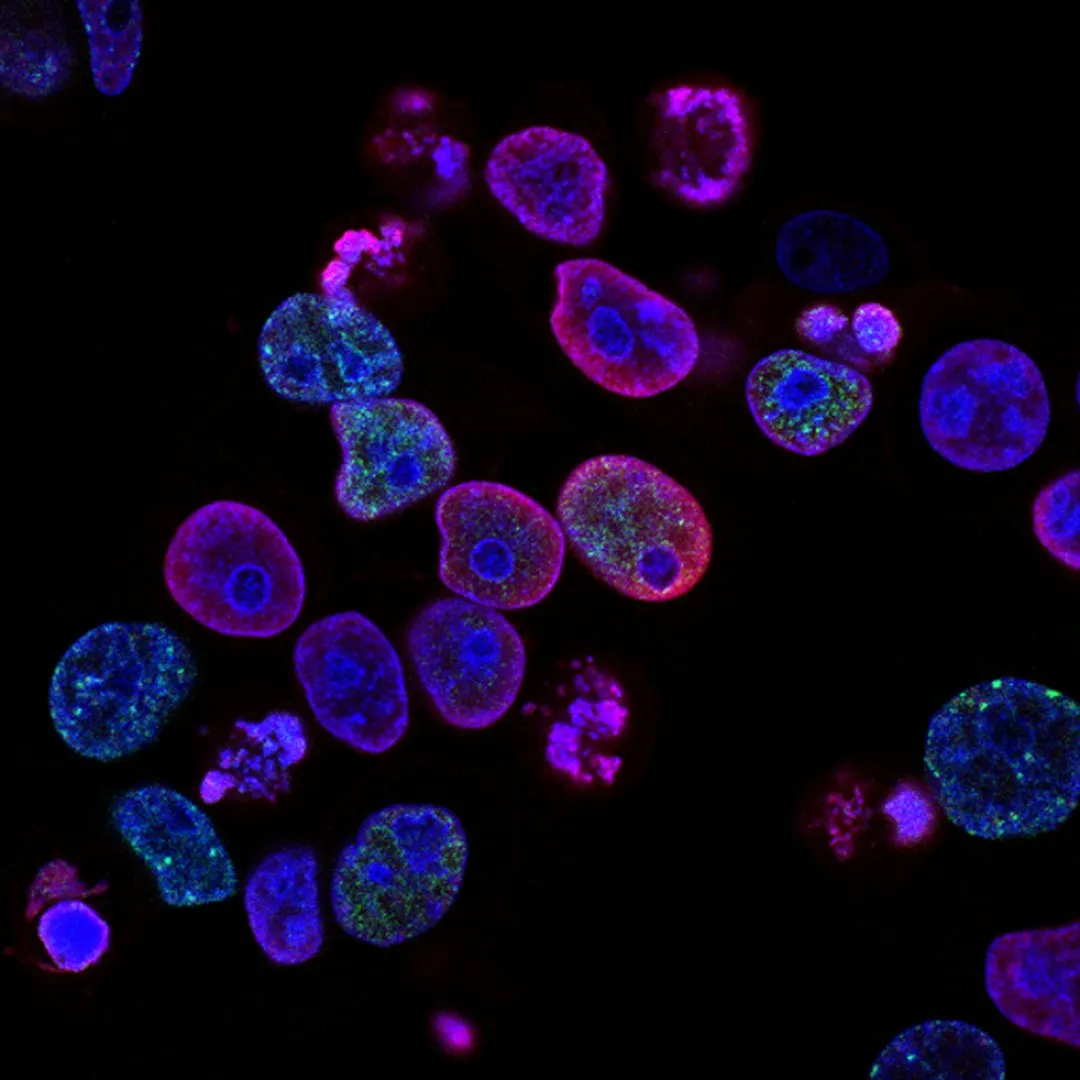
Researchers identified two main types of bacteria in reusable bottles: gram-negative rods and bacillus. Gram-negative rods are particularly concerning due to increasing resistance to antibiotics, while bacillus bacteria can lead to gastrointestinal issues. Neither type is something you’d want to regularly sip alongside your water.
Throughout the day, bacteria including Salmonella, E. coli, and Staphylococcus aureus can accumulate in a bottle, and when ingested, these bacteria can cause skin and gastrointestinal infections, food poisoning, allergic reactions, and respiratory issues. Most people would never guess any of that was riding along with every sip.
The Purdue Study Put Real Bottles to the Test
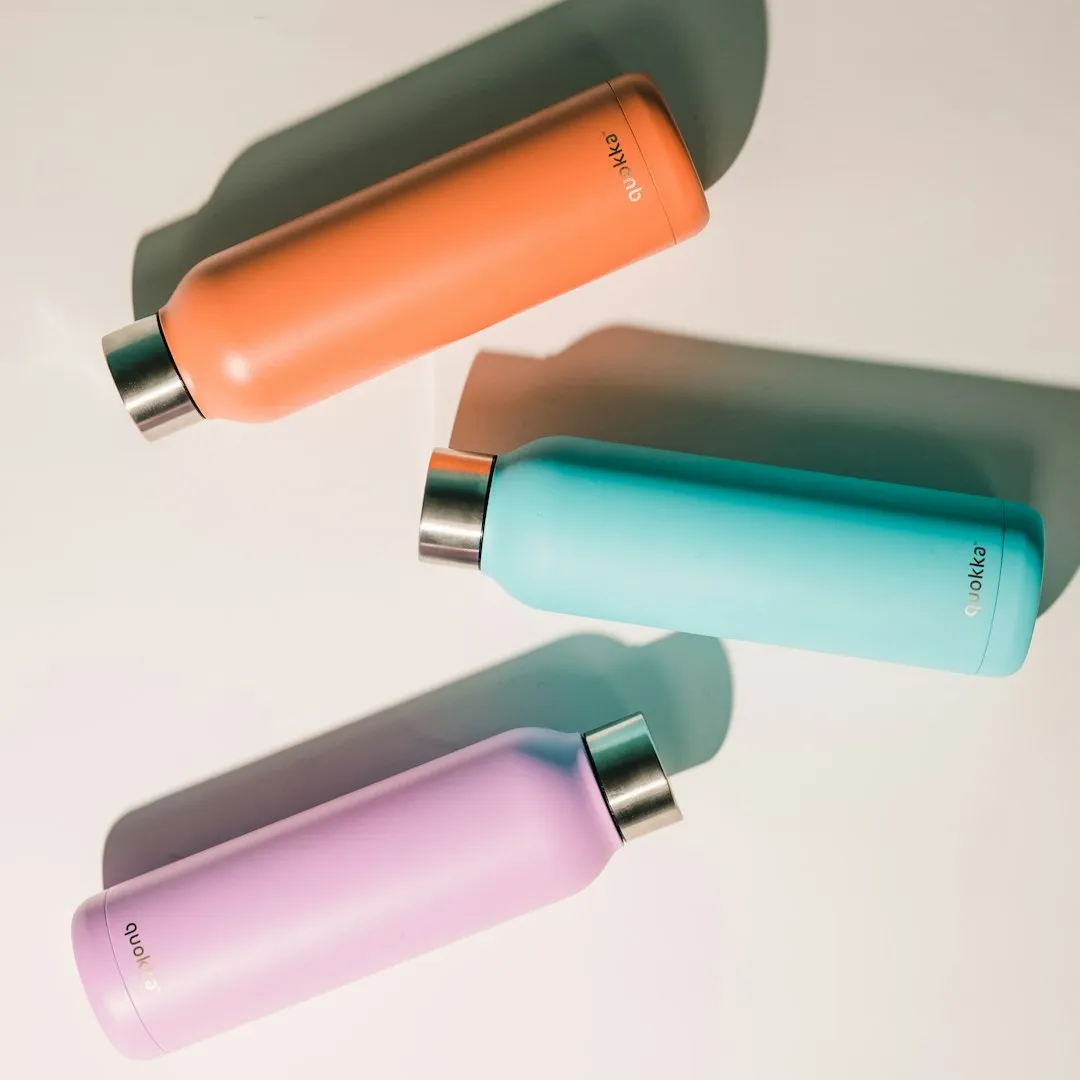
A study on the campus of Purdue University put everyday bottles under the microscope to see how clean they really are and which habits help or hurt. The researchers collected bottles directly from students who were using them normally throughout the day, making the results reflect real-world conditions rather than a lab simulation.
In that study, about seven out of ten bottles exceeded 100 CFU per milliliter, about two out of three topped 200, and three out of five exceeded 500. Many standards for drinking water quality set the acceptable bar below 100 to 500 CFU per milliliter. By that measure, the majority of everyday bottles in active use were already out of range.
Lids, Straws, and Gaskets Are the Real Trouble Spots
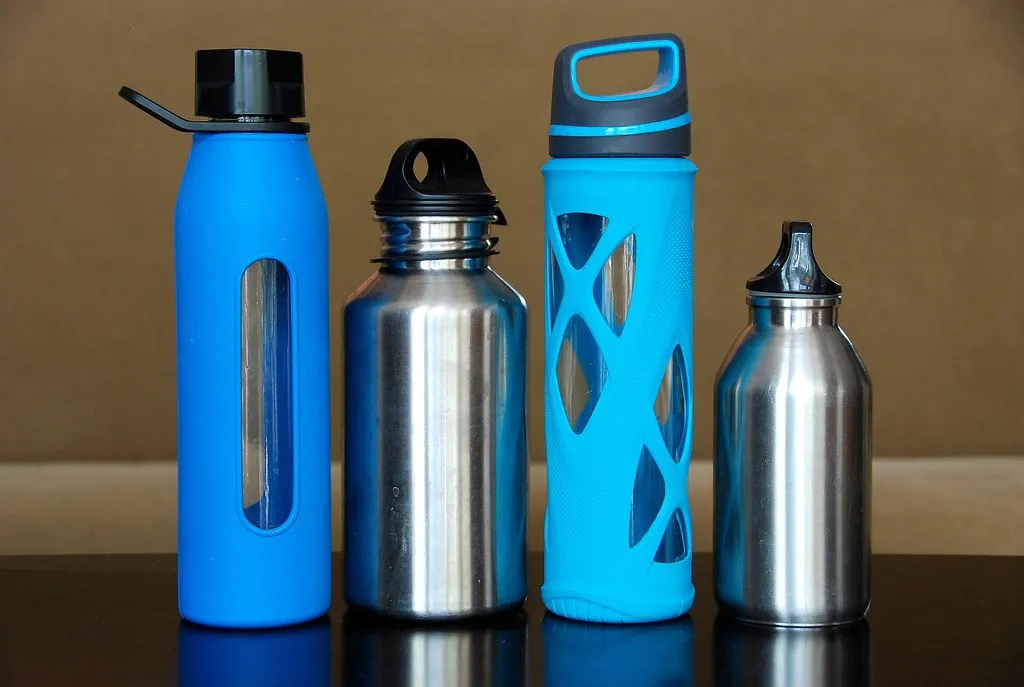
Design features such as narrow necks, flip tops, straws, bite valves, and silicone gaskets create nooks where residue and biofilms hide, and those tucked-away spots are often the last to be disassembled and scrubbed. Most people clean the body of the bottle and assume that’s enough. It usually isn’t.
Bacteria in reusable bottles grow in biofilm, a slimy layer that forms wherever water sits undisturbed, overwhelmingly in the lid threads, gaskets, and straws rather than the smooth body. Rubber and silicone gaskets create tight seals, but they also create tiny crevices where moisture gets trapped, and over time bacteria and mold colonize these spaces.
A Quick Rinse Doesn’t Actually Fix the Problem
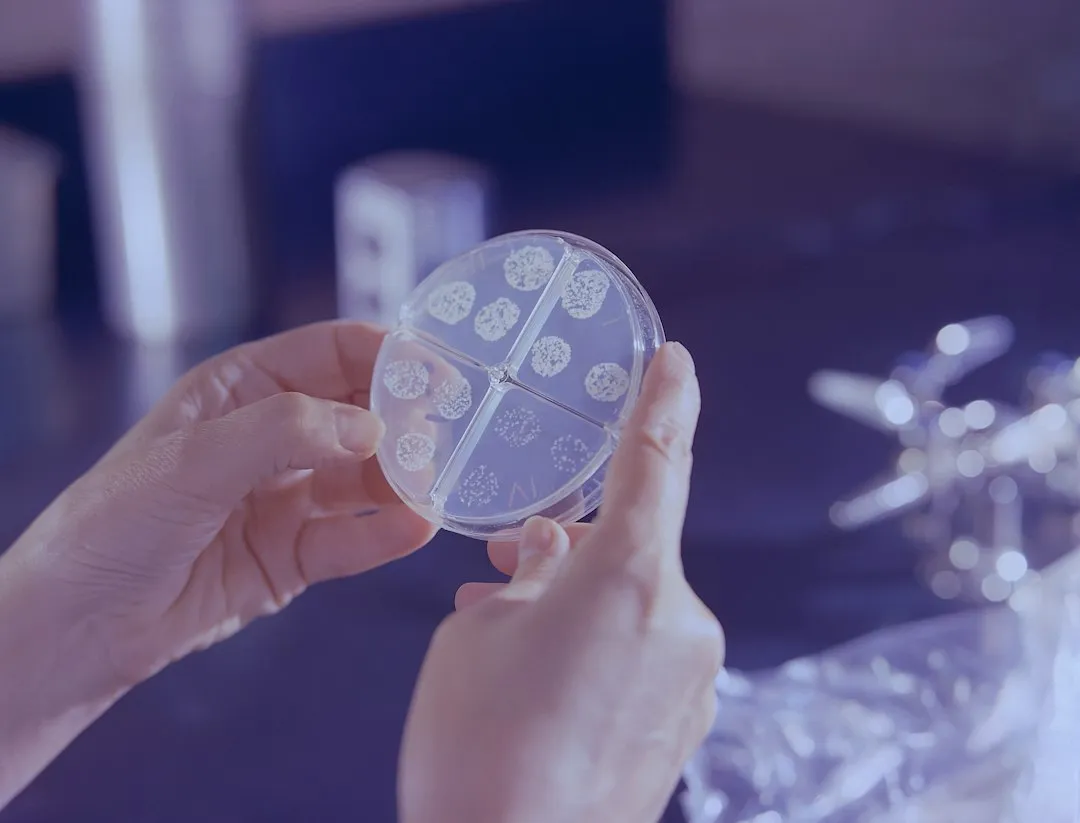
People who cleaned more often generally had better results, but intentions didn’t always match outcomes, and a quick rinse can leave sticky films intact. This is the core misconception. Running water through a bottle at the end of the day feels like cleaning, but biofilm is adhesive by nature and doesn’t dislodge easily without physical scrubbing.
Dishwashers also vary in heat and spray coverage, and water may not reach beneath threads, seals, and straw assemblies. Washing without separating the different parts of the bottle lets biofilms survive in hidden crevices. Taking the bottle fully apart before washing isn’t fussiness. It’s actually necessary.
Sugary Drinks and Warm Environments Make It Worse
Mold, bacteria, and other residues are more likely to form if the bottles are used for sugary drinks, and using a water bottle in the sun, at the gym, or in other warm areas can also contribute to unwanted bacterial growth. The gym bag tucked in a hot car is essentially an incubator.
Bacteria can multiply quickly, doubling their amount almost every twenty minutes. Touching the lid with dirty hands and rising temperatures can accelerate bacterial growth, as can the type of liquid left behind. Plain water is far safer to leave in a bottle than anything containing sugar, dairy, or protein.
The Antibiotic Resistance Angle Nobody Talks About
Researchers found something that concerned them beyond basic contamination. Fecal bacteria in some bottles showed signs of drug resistance, and in certain cases they found examples of antibiotic-resistant bacteria. This finding comes from a microbiology lab at the Indiana University School of Medicine, which independently examined bottles submitted by members of the public.
Gram-negative rods are commonly associated with hospital-acquired infections and are increasingly becoming resistant to antibiotics. Finding those organisms in a daily-use water bottle is a sobering detail, especially given how casually most people think about bottle hygiene. Researchers suspect some bottles were brought into bathroom or locker room settings, adding one more reason to keep water bottles away from toilets and similar environments.
How Often Experts Say You Should Actually Be Cleaning
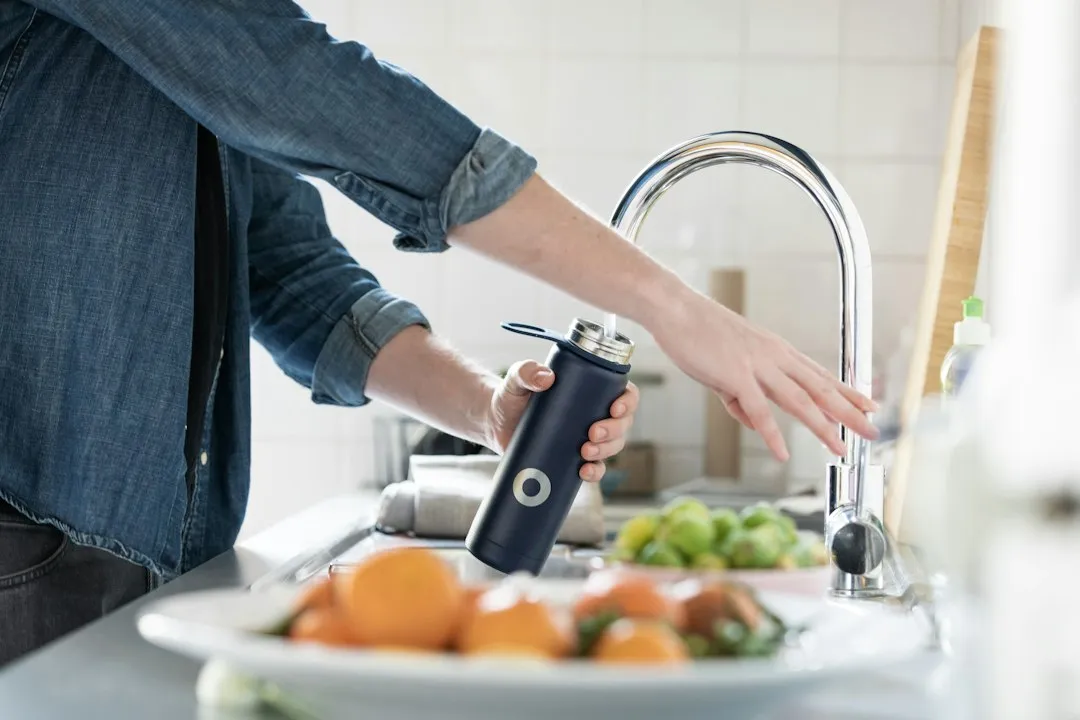
Food safety educators, including those at the University of Minnesota Extension, say you should wash your bottle daily, whether by dishwasher or by hand with warm water and soap. That recommendation applies even if you only drink plain water, because bacteria from the mouth and hands transfer to the bottle with every use.
Straws, nozzles, and sipping points need the most attention when cleaning, so much that some experts advise washing them by hand to ensure nothing is missed in a dishwasher. People should also let water bottles air dry completely after cleaning. Sanitizing should also be considered periodically, and one method is to submerge the bottle and components in water at least 160 degrees for about thirty seconds.
The Simplest Fix Is Also the Most Overlooked
A bottle stored open and dry cannot form biofilm, because biofilm needs standing moisture. The lid, gasket, and straw hold far more bacteria than the bottle body, and storing a bottle dry and open prevents growth from starting. This one habit alone can significantly reduce bacterial load between washes.
Even with regular cleaning, reusable bottles don’t last forever. If a bottle starts to crack, smell bad even after cleaning, or shows signs of mold, it’s time for a replacement, because damaged bottles can harbor bacteria in areas that are impossible to clean. A scratched-up plastic bottle that smells faintly strange is not just old. It’s likely colonized in ways no amount of rinsing will reverse.
The Takeaway
The reusable water bottle is still worth carrying. The environmental case for it hasn’t changed, and the hydration benefits are real. What does need to change is the casual assumption that a bottle filled only with water somehow stays clean on its own.
The science is fairly consistent: daily washing, full disassembly, complete drying, and periodic sanitizing are not overcautious habits. They’re the baseline. Given how directly and repeatedly a bottle contacts your mouth throughout the day, it deserves at least as much cleaning attention as a coffee mug. Probably more.
AI Disclaimer: This article was created with the assistance of AI tools and reviewed by a human editor.